How to Choose a Flat Lock Zinc Cladding Panel Manufacturer for Projects
2026-11-10 19:13:03
Choosing the right manufacturer for a flat lock zinc cladding panel project is one of the most consequential decisions a procurement manager or facade subcontractor will make. The material itself — titanium-zinc alloy with self-healing patina properties — demands precision fabrication, consistent surface quality, and verified EN or ASTM compliance. A wrong supplier choice risks color inconsistencies, dimensional tolerances that fail installation, and warranty gaps that expose your firm to liability. This guide walks you through the exact criteria that separate capable manufacturers from risky ones.

Understanding the Decision Scenario for Choosing a Manufacturer
Before you talk to any providers, take the time to make a clear technical standard for your project. While getting copper siding, it's important to be careful not to make any mistakes because they cost a lot to fix.
Define Your Material and Finish Requirements First
Zinc sheet and Zn-Cu-Ti metal don't behave in the same way. Check to see if your project needs Quartz, Anthra, or natural zinc gray finishes that have already been worn down. Pre-weathering is not a coating; it is a surface process that is done in the factory. They often say that their architectural specifications are in line with EN 988 or ASTM B69 when they give them out. Get those papers together before you call the manufacturers.
Set Durability and Performance Benchmarks Early
If it's put up right, zinc cladding in cities usually lasts between 80 and 100 years. For at least 30 years, you should be able to get a guaranty. Make sure the maker writes this down. Projects near the coast should check their salt spray resistance ratings because it is possible to measure and confirm that zinc patina is stable in pH 6–12 environments.
Clarify MOQ Against Your Project Volume
Subcontractors who work on facades often have trouble because the MOQ doesn't match the job. A lot of builders use flat lock zinc cladding panel on parts that are only 800 to 2,000 square meters. Some sources, on the other hand, charge too much for small sales because they have minimum order numbers (MOQs). Before getting into detailed details, make sure you know what the MOQ levels are.
Core Criteria to Evaluate Flat Lock Zinc Cladding Panel Manufacturers
Write down what you need, and then use the same set of standards to judge each company. You shouldn't buy things based on how you feel.
Material Quality and Alloy Composition Verification
You can tell a lot about the tensile strength and creep resistance by looking at the base metal. Titanium-zinc siding must have zinc that is more than 99.995% pure, copper that is 0.08 to 1% pure, and titanium that is 0.06 to 2% pure. Ask any of the suppliers you've picked to send you the results of the spectrometric test. Someone you can trust will be happy to give these to you. Panels with the wrong metal ratios will have flaws like oil canning or premature surface degradation, which cost a lot to fix once the wall is finished.
Customization Capacity and Panel Format Flexibility
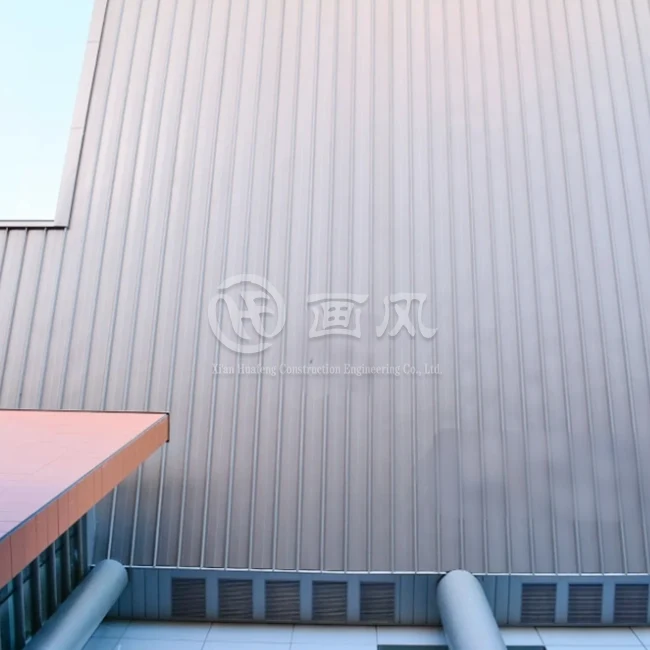
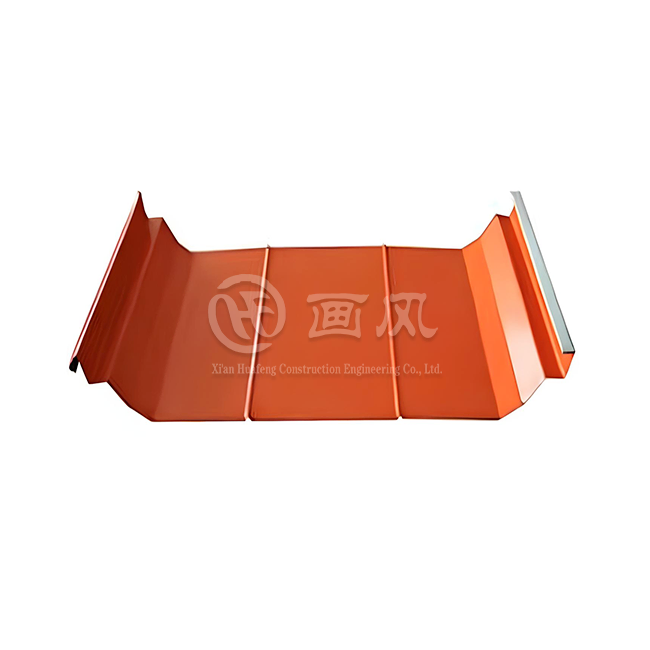
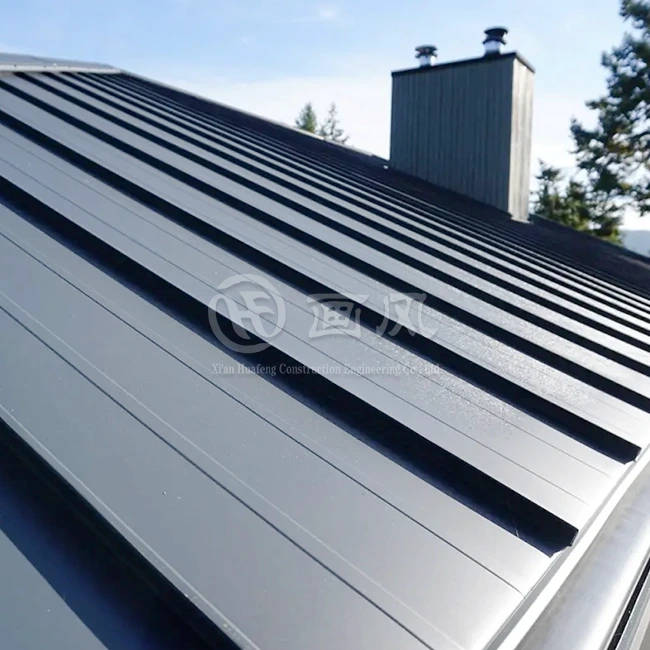
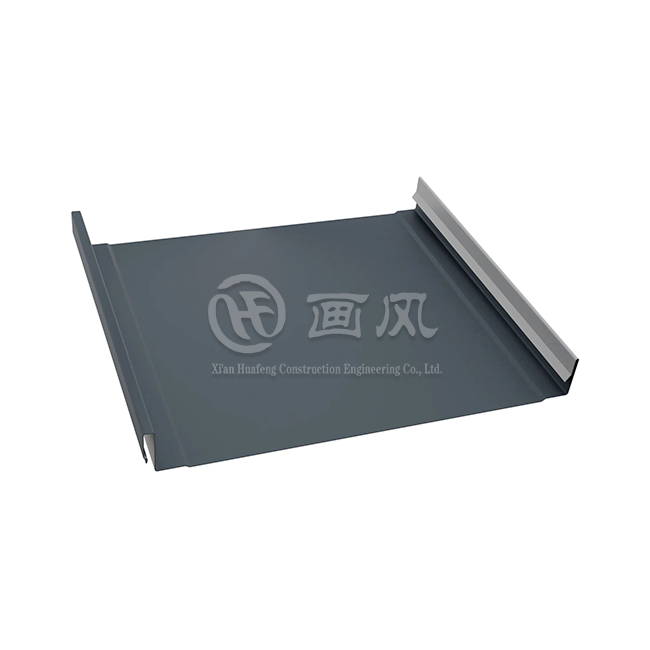
For facades with complex shapes, such as museum walls with two curves, business facades that fold, or hyperbolic roofs, flat lock zinc tile systems are frequently selected. Make sure the maker can make circles, hexagons, rhombuses, and trapezoids. Widths that can be changed and are between 300 mm and 600 mm are a good place to start. Make sure the person who is making the product has the right tools for making shapes that aren't standard and can give you fabrication plans that you can sign off on before the product is made.
Certifications and Compliance Documentation
Make sure you get proof that the flat lock zinc cladding panel meets the standards set by ASTM, DIN, JIS, BS, and GB/T. For European projects, EN 988 has to be used. It's becoming more and more important for buildings that are LEED or BREEAM certified to have recycling data and environmental product statements (EPDs). It's always risky to buy something from a company that can't give you organized compliance paperwork, no matter how much it costs.
Analyzing Supplier Reliability and Market Reputation
While credentials are important, what really matters in a real project is how reliable the provider is in terms of regular delivery, quality control at scale, and quick expert communication.
Third-Party Certifications as a Baseline Filter
If you have an ISO 9001 license, it means that you have a quality management system that has been recorded. This is not just a marketing claim. One type of SGS test record tells you about how well the coating sticks, how resistant it is to chemicals, and how well it burns. This information has been checked by a third party. These are not the same as the QC reports that a company makes for itself. If you want to make sure a seller is good, you should always ask for SGS or similar third-party paperwork.
Production Capacity and Lead Time Transparency
How much a manufacturer says it can hold should be able to be checked. With seven or more production lines and a monthly supply output of 1,000 tons or more, a facility can handle more than one project order at the same time without having to cut the timeline. Check out the normal delivery times. If the facility is well-equipped, it should take 15 to 22 calendar days from when the order is confirmed to when it is shipped.
NDA and Drawing Confidentiality Protocols
Look at the maker's written NDAs to see if they have plans and mold specs for wall projects where design details need to be kept secret. This is a must-have for many architecture firms that need custom zinc panel shapes. People who make things and use legal IP security methods are more likely to do business with other companies in a professional way.
Comparing Flat Lock Zinc Cladding Panels Across Suppliers
One thing that can change is the price. One of the best ways to decide what to buy is to look at both the unit price and the tax.
Pricing Structure and Lifecycle Cost Analysis
When you first buy it, titanium-zinc coating costs more than painted steel or normal aluminum. Zinc, on the other hand, doesn't need to be painted or maintained for more than 50 years, which makes the total lifecycle cost much cheaper. Ask each supplier for prices per square meter based on the size of your project as you compare them. If the shape you want isn't normal, you should also think about the extra costs that come with making it and the shipping terms (CIF or FOB).
Surface Consistency and Color Uniformity Across Batches
A big problem that often comes up with facade projects is that flat lock zinc cladding panel doesn't always come in the same color. For accurate visible results, a business must have color coating production lines and in-process color measurement methods. This can be seen in test results like the AAMA 2605-22 color uniformity results. Before you decide to place a full order, you should get sample panels from the actual production run, not old ones.
Technical Support and Drawing Development Capability
The best suppliers aren't just the ones who give you materials; they're also the ones who help you with technical issues. Manufacturers with an experienced engineering team can help plan the fitting process, check to see if the base is compatible, and make features for the facade. Cut down on the number of RFI cycles between your project team and the design company. This keeps plans from getting pushed back.
Final Recommendations to Secure the Best Manufacturer
Discipline in the buying process keeps expensive changes from having to be made during installation.
Match Supplier Scale to Project Requirements
When a business has three plants, seven production lines, and more than forty processing machines, it can handle both small, one-time orders and regular, large deliveries. Some companies are in charge of several jobs at the same time that are different sizes. This range is useful for them. Make sure the seller can handle the right amount of your order. They shouldn't be able to handle too little or too much to get it to you on time.
Prioritize Warranty Terms and After-Sales Accountability
There is a written guaranty for 30 years that comes with test certifications that can be checked. This shows that the company that made the product trusts it will work. Make sure you read the guaranty carefully to know what it covers and doesn't cover, like surface wear, structural stability, and coating bonding. A red flag is warranty wording that isn't clear.
Run a Structured Procurement Workflow
First, write down your questions, along with the specifics of your job, the shape you need, and the size you want. Get real examples of the finish you want. Look over the plans for making the item before you confirm your order. Make a list of the goals you agree to for the release. Questions, samples, acceptance of the order, and tracking of arrival are the four steps in this process. It helps people understand each other better and keeps project deadlines stable.
Conclusion
If you want artistic zinc cladding, you need to give your choice of maker of flat lock zinc cladding panel a lot of business and technical thought. The most important things for you to think about are metal approval, production freedom, third-party compliance paperwork, and clear guaranty terms. Suppliers who spend money on third-party testing, being able to make things in more than one format, and following official NDA processes are very close to what high-end wall projects need. By following the tips in this guide, you can buy things with much less risk, which will protect both project timelines and the facade's long-term performance.
FAQ
1. What thickness of titanium-zinc panel is standard for wall cladding?
Business people usually use wall paneling that is 0.8 mm thick. Prices range from 0.7 mm to 1 mm, depending on the size of the panel and the shape of the base. For outside walls, thinner gages (less than 0.7 mm) shouldn't be used because they are more likely to bend when hot.
2. What is the minimum order quantity for a zinc cladding project?
A good MOQ for project-level sales from a maker who can make things in different ways is 500 m², which is 3 tons. We can use this for medium-sized wall jobs without having to order too much stuff.
3. Can zinc cladding panels be installed in coastal environments?
Yes, titanium-zinc metal doesn't rust when it's exposed to salt spray, and it works well when the pH level is between 6 and 12. In harsh marine conditions, it should last between 60 and 80 years. In cities or rural areas, it should last between 80 and 100 years.
4. What certifications should I require from a zinc cladding supplier?
You should ask for proof that the product meets EN 988 or ASTM B69 standards, as well as ISO 9001 approval and test results from SGS or a similar company that explain what the alloy is made of, how well the coating works, and what kind of fire it is. Find out how easy it is to recycle things and look at environmental product statements for green building projects.
5. How do flat lock panels handle thermal expansion?
Because the clips hold the panels in place, the panels can move across the substrate as the temperature changes. This way of attaching the panels keeps them waterproof and stops them from bowing out without the need for sealed expansion joints.
Partner with HF for Your Next Zinc Facade Project
Ti-Zn flat lock wall panels come in rectangle, rhombus, trapezoid, and hexagon shapes and are made by HF (Xi'an Huafeng Construction Engineering Co., Ltd.). They are guarantyd for 30 years, can be sent out in 15–22 days, and a 500 m² order is the least that can be placed. HF is a verified supplier of flat lock zinc cladding panels that has SGS certifications and can make panels in a number of different formats. They can help with drawing and collecting for special projects. You can email our team at huafeng@hfmetalroof.com to get more information.
References
1. European Committee for Standardization. EN 988: Zinc and Zinc Alloys — Specification for Rolled Flat Products for Building. CEN, 2015.
2. ASTM International. ASTM B69: Standard Specification for Rolled Zinc. ASTM, 2016.
3. American Architectural Manufacturers Association. AAMA 2605: Voluntary Specification, Performance Requirements and Test Procedures for Superior Performing Organic Coatings on Aluminum Extrusions and Panels. AAMA, 2022.
4. Metallgesellschaft AG. Zinc in Building Construction: Properties, Processing, and Applications. Wiley-VCH, 2003.
5. U.S. Green Building Council. LEED v4.1 Building Design and Construction Reference Guide. USGBC, 2019.
6. Anderson, J. & Liu, R. Metal Facade Systems: Performance, Specification, and Procurement in Commercial Construction. Routledge, 2021.





YOU MAY LIKE

_1757558889992.webp "Metal Roofing Snowguards")