Flat Lock Metal Panels: A Durable Solution for Modern Buildings
2026-11-10 19:13:06
Flat lock wall panels are frequently at the top of the shortlists of architects and facade builders specifying metal cladding for high-end projects. The metal tiles link together to form a seamless water-tight shell that can withstand weather extremes, complicated geometries and exacting esthetic briefs all at once. Whether you’re purchasing titanium zinc for a historical restoration or aluminum magnesium manganese alloy for a corporate headquarters exterior, knowing what this system has to offer — and where to properly acquire it — is the first step toward a successful project delivery.

Understanding Flat Lock Metal Panels: Features and Benefits
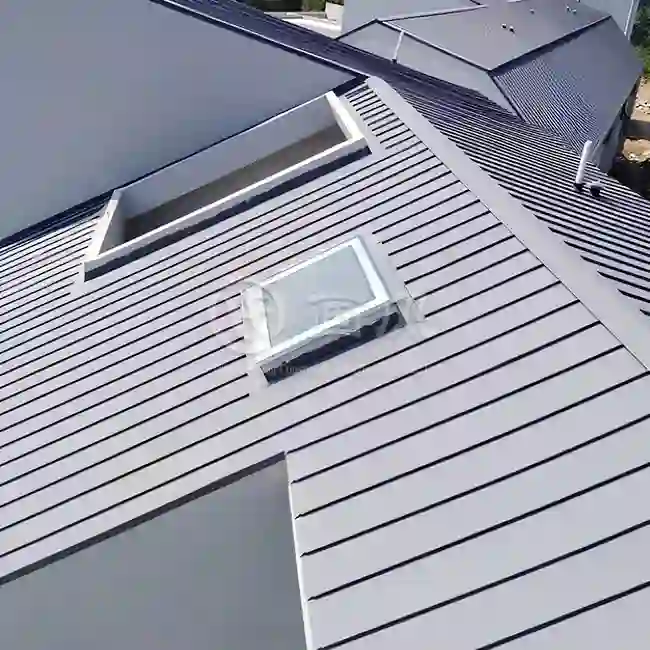
It has four overlapped hems that connect each tile to its neighbors and hold it to the base with stainless steel clips that are hidden. This design doesn't need any visible fixings, let's each panel move on its own during thermal cycling, and keeps water out through the wind. This is something that large-sheet systems can't do on curved surfaces or tight loops.
Material Options That Define Performance
HF flat lock may be used with metal parts composed of titanium zinc, TECU copper, aluminum magnesium manganese alloy, stainless steel. Copper, zinc and titanium combine to form a patina that preserves them over time. This patina has shown to survive over 70 years on facades across Europe. Panels consisting of aluminum, magnesium, and manganese have PVDF or PE coatings that are evaluated to fulfill AAMA 2605-22 requirements. SGS verified color consistency (ΔE < 0.3) and 5B dry adhesion ratings. These ratings are significant for architects wanting a 2,000 m² wall that looks the same.
Shape and Dimension Flexibility
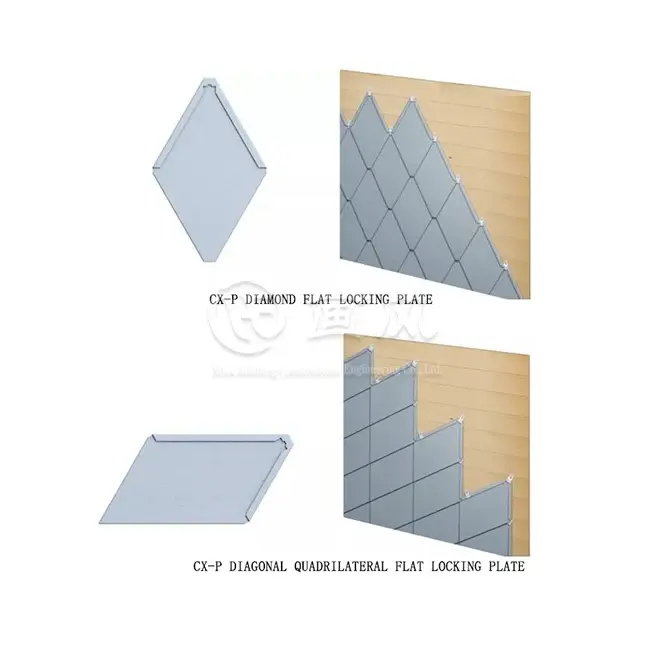
Panels come in square, rectangular, hexagonal, rhombus and other forms. Flat lock wall panels may be available in any length of 3 meters, any width of 100 mm to 400 mm (special widths are available) and any thickness of 0.4 mm to 0.8 mm. The structural stresses are not very great as the weight is just 5.8 kg/m². These sizes allow you to put tiles in either horizontal or vertical patterns, or they may be in a diamond shape. That can be really liberating for the design teams, and it doesn’t impact how the connecting system is assembled.
Sustainability and Fire Performance
The results show that all 6 types of aluminum passed the SGS combustion test with the ignition index, flame spread index and heat release index of 0. This is in accordance with AS/NZS 1530.3:1959. Ten of the most harmful compounds in this category of items are either missing or present in amounts below the levels authorized by EU regulation. A panel, having completed its role, may be returned in its whole. This is consistent with green building certification standards like LEED and BREEAM.
Comparing Flat Lock Metal Panels with Other Cladding Options
Procurement managers often weigh flat lock panels against standing seam profiles, corrugated metal sheets, and fiber-cement cladding. Each comparison reveals a different set of trade-offs.
Flat Lock vs. Standing Seam
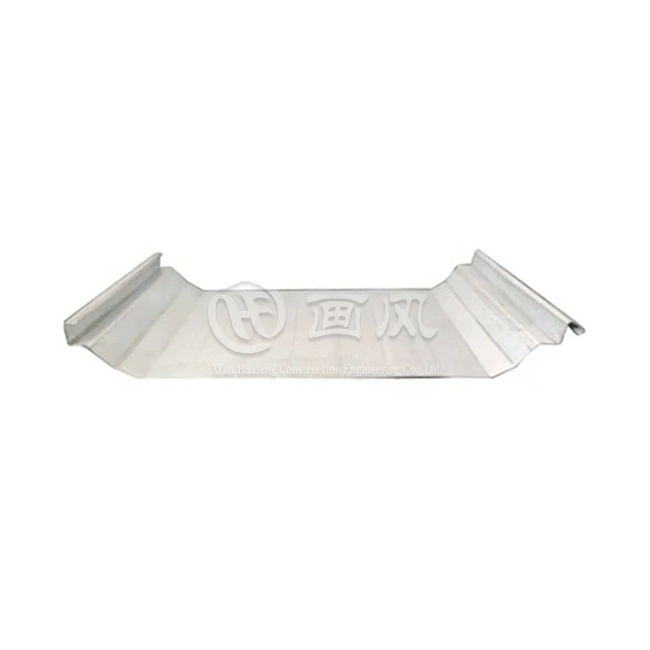
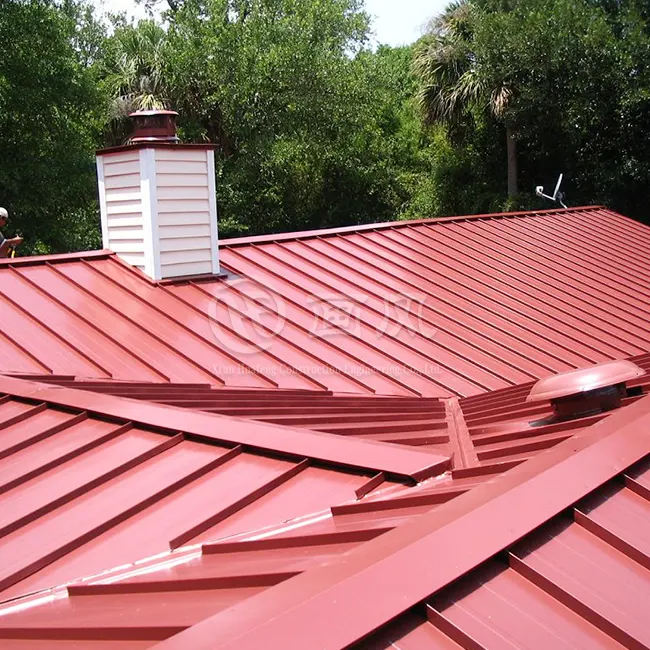
Standing seam systems work well for vast, continuous roof planes, but they become visually heavy and physically challenging on walls or surfaces with tight radii. In contrast, flat lock panels use tiny module sizes (as thin as 100 mm) that naturally facet around double-curved geometries and curves. In comparison to the fewer seam clips included in the majority of standing seam schemes, the clip density—typically 8 to 12 fixing points per square meter—also offers better wind-uplift resistance.
Flat Lock vs. Corrugated and Composite Panels
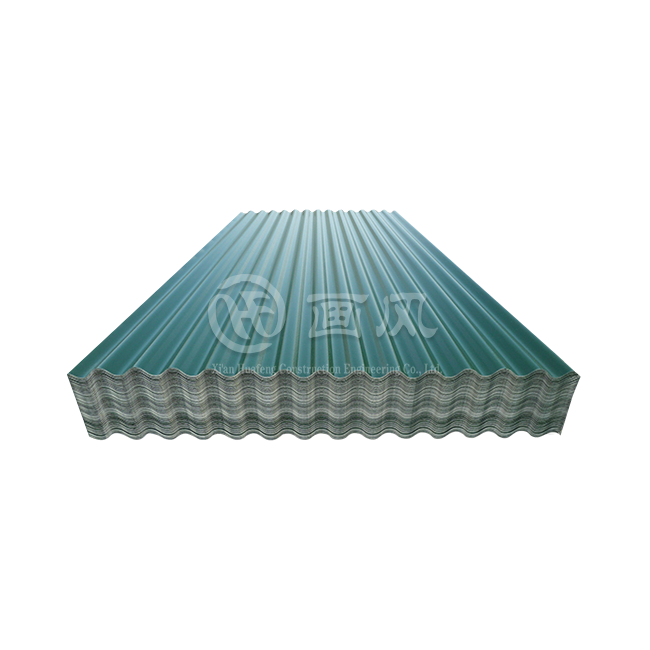
Although corrugated metal is less expensive, its ribbed form limits the diversity of patterns and façade details. Although composite aluminum panels have flat surfaces, their reliance on foam or mineral cores may make fire categorization more difficult. In contrast to large-format sheet goods, flat lock panels avoid both problems since the system is made entirely of monolithic metal, is categorized as non-combustible (Euroclass A1) on compliant substrates, and the face proportions make oil-canning visually insignificant.
Aesthetic and Specification Advantages
With PVDF coatings approved under AAMA 2605-22 for all 13 performance criteria, including nitric acid resistance and coating flexibility at 0T bend, HF panels are offered in the whole RAL color range as well as bespoke colors. Specifiers may choose between two installation esthetics that allow for customization over surface character and shadow line depth: flush (flushbonding) and recessed (embedded).
Installation and Maintenance Guide for Flat Lock Metal Panels
The effectiveness of the wall's construction determines whether it will last 70 years or just 10. For flat lock wall panels, the system needs a strong, continuous foundation, such as 15 to 19 mm plywood or profiled metal decking, and a strong, water-resistant barrier on top. Each row's top hem covers the row above it when it is arranged from the bottom course up. In this method, water may easily drain away from the whole building.
Substrate and Clip Installation
Stainless steel clips positioned appropriately hold the substrate together. The bottom edge of each panel hits the clip, folding the top edge over the top course. There are no through-fasteners penetrating the face of the panel as with screw-fixed systems. This implies that there is no primary leaking channel. Clip tensile strength should be confirmed per local wind-uplift engineering criteria before to installation.
Thermal Movement Management
Each panel is suspended on its own clips so that the system can withstand variations in temperature without stressing the adjacent tiles. Because metal expands and contracts with changes in temperature, thermal movement needs to be considered carefully in larger wall installations. A 30-metre length of metal may expand by more than 10 mm. The larger the wall, the more crucial this is. The clip and hem design avoids the material from distorting as it moves, unlike stiff attachment techniques.
Maintenance Protocols
Naturally occurring metals that don’t need any care include copper and zinc. Above them lies a self-healing oxide layer. Check clip and hem contact every 5 years. This is particularly true on the seaside or in areas with significant levels of pollution.
Procurement and Purchasing Considerations for B2B Clients
Sourcing decisions for facade-grade metal cladding depend on more than price per square meter. Lead time predictability, MOQ flexibility, compliance documentation, and sample availability all affect project schedules and specification sign-off.
Here are the core supply parameters for HF flat lock metal panels that facade subcontractors and procurement managers should review:
- 500 m² or 3 metric tons is the minimum order quantity (MOQ), which is designed to correspond with normal project stages rather than pushing overbuying on tiny facades.
- Delivery time: 15 to 20 days after order confirmation; three factories, seven manufacturing lines, and over forty processing equipment enable this.
- Monthly supply capability of 1,000 metric tons is enough for concurrently big commercial contracts.
- Standards compliance: North American, European, and Asian standard needs are covered in a single supply relationship by ASTM, DIN, JIS, BS, and GB/T.
- Guarantee: 30-year product guarantee; architect approval and client handover packets are supported by SGS test documentation.
- Free samples: Supporting material board approvals and mock-up constructions, available upon request prior to order commitment.
These parameters address the most common procurement friction points: MOQ mismatch with actual project quantities, documentation gaps for EN or ASTM compliance submissions, and sample lead times that delay design sign-off. Each item is supported by verifiable factory and test data rather than marketing claims.
Why Choose Flat Lock Metal Panels: A Rational Choice for Modern Building Projects
Interlocking metal tile systems have a premium position in that market just because they offer on both criteria without requiring a compromise between performance and attractiveness. This is exactly where flat lock wall panels stand out: the concealed interlocking mechanism delivers weathertight performance and a clean, seamless appearance at the same time.
Longevity With Minimal Upkeep
In European projects, zinc and copper facades have been recorded consistently over the last 80 years without replacement. Independent SGS laboratory findings confirm that the PVDF-coated aluminum options evaluated to AAMA 2605-22 are resistant to UV chalking, mortar splash, acid rain and window-cleaner chemicals. When building owners calculate whole-life cost, the maintenance reduction over 50 years generally outweighs the premium paid over lesser quality cladding upon installation.
Geometric Adaptability for Contemporary Architecture
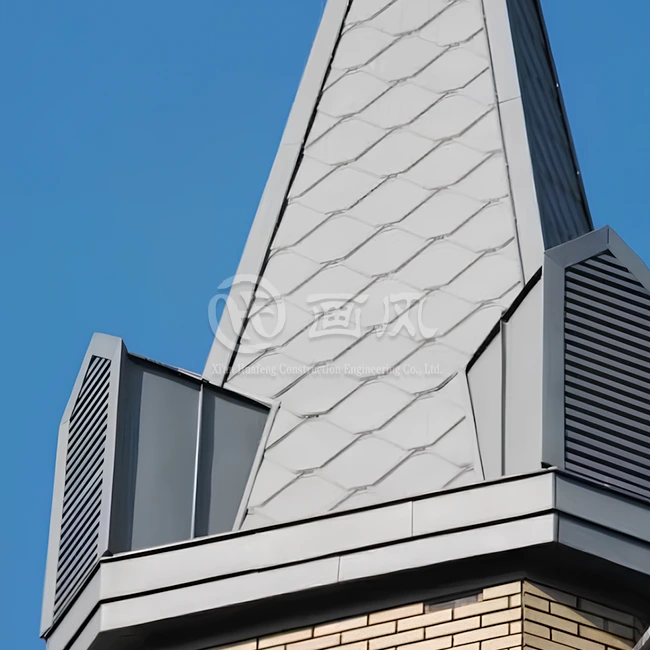
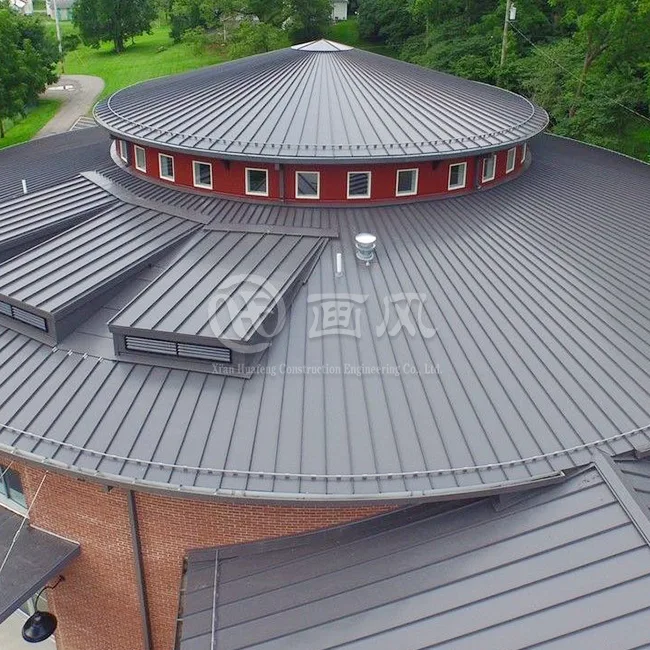
The tiny module format may represent flat walls, single-curve surfaces, cones, spheres and hyperboloid geometries in the same system. This means one product standard across the whole facade envelope makes procurement, installation training and warranty management easier.
Verified Compliance for International Projects
HF panels are certified to AAMA 2605-22, EU RoHS, AS/NZS 1530.3 and multi-standard dimensional compliance (ASTM / DIN / JIS / BS / GB/T) and are available for specification submissions in the US, UK, EU and Asia-Pacific markets, without the need for separate product lines or additional third-party testing at the project level.
Conclusion
Flat lock wall panels are technically strong and long lasting and may be used in a variety of architectural situations. They are appropriate for tough façade needs. No visible fasteners or complex forms are needed, and its interlocking clip system ensures panels won't deform with temperature changes. Zinc, copper, aluminum and stainless steel may be utilized to produce attractive and useful products for a wide range of environments. HF delivers the paperwork and production information that procurement managers and architects need to define the work for a safe transition from design intent to a deliverable façade. This is made possible by free samples, flexible minimum order quantities and test findings validated by SGS.
FAQ
1. Are flat lock metal panels suitable for both walls and roofs?
Indeed. It may be applied to walls and roofs that are at least 30° steep. It has been used to spheres, cones, hyperboloids, flat surfaces, and surfaces with a single curve. While huge sheets are stiff and would buckle or need costly pre-forming, little tiles may be sculpted into almost any shape.
2. What is the minimum order quantity?
Three tons, or 500 m², is the minimum order quantity. This cap was set to ensure that just the quantity required for the task was purchased. It would have been squandered if more had been purchased. Therefore, employees on the surface who are working on certain tasks for the project won't have to pay more for unnecessary items.
3. How long do custom orders take?
From the time the order is confirmed, normal shipping takes 15 to 20 days. If you need custom colors, widths, or profile shapes, you may need more time to make the tools or match the colors. Early on, talk to the HF technology team about when the project needs to be delivered so that it can be installed on time.
4. Do the panels comply with European fire and environmental standards?
Yes. In tests by SGS, aluminum panels had a zero ignition index and a zero flame spread index according to AS/NZS 1530.3:1999, and they also passed the EU RoHS Directive 2011/65/EU for all ten of the controlled dangerous substances. If you ask, full test results for specification entries can be sent.
5. Can I receive samples before committing to an order?
Here's the deal: HF gives away free samples of their goods. These boards look over the work, get approval from the architect, and put up mock-up panels on-site before they buy anything.
Request a Free Sample or Custom Quote From HF
It is possible to get HF's flat lock wall panels in stainless steel, aluminum magnesium manganese alloy, TECU copper, and titanium zinc. They can make 1,000 tons of them every month, have test records that have been checked by SGS, and make promises that last for 30 years. HF is a trustworthy business that makes and sells flat lock wall panels. Free samples, review of drawings under NDA, and project-level MOQ options are some of the things they give. To talk to HF, send an email to huafeng@hfmetalroof.com.
References
1. Metal Construction Association. Metal Wall Systems Design Guide. 2021.
2. American Architectural Manufacturers Association. AAMA 2605-22: Voluntary Specification for High Performance Organic Coatings on Architectural Extrusions and Panels. 2022.
3. European Committee for Standardization. EN 1172: Copper and Copper Alloys — Sheet and Strip for Building Purposes. 2011.
4. ASTM International. ASTM D3359-23: Standard Test Methods for Rating Adhesion by Tape Test. 2023.
5. Wigginton, Michael. Glass in Architecture. Phaidon Press, 1996. (Chapter references on metal panel integration in contemporary facade systems.)
6. Construction Specifier Magazine. Specifying Metal Cladding: Performance, Longevity, and Sustainability Considerations. 2022.





YOU MAY LIKE