How do snap clad standing seam roof panels compare to other metal roofing types?
2026-11-09 18:34:47
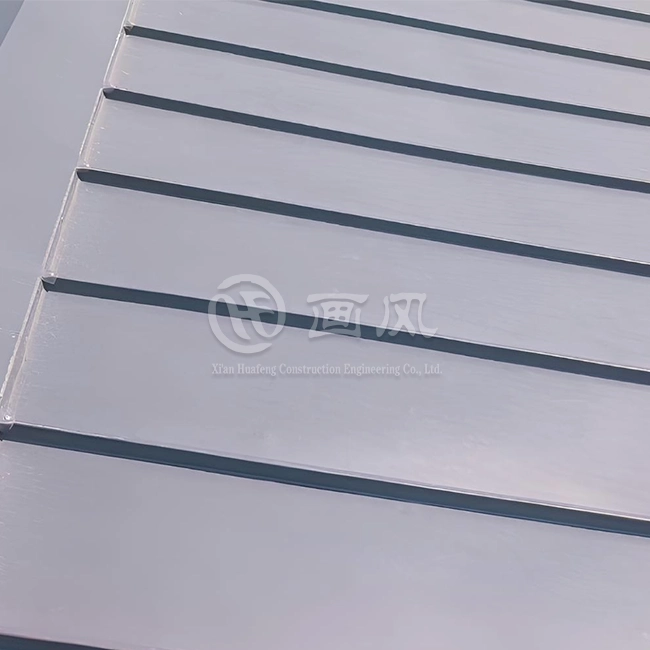
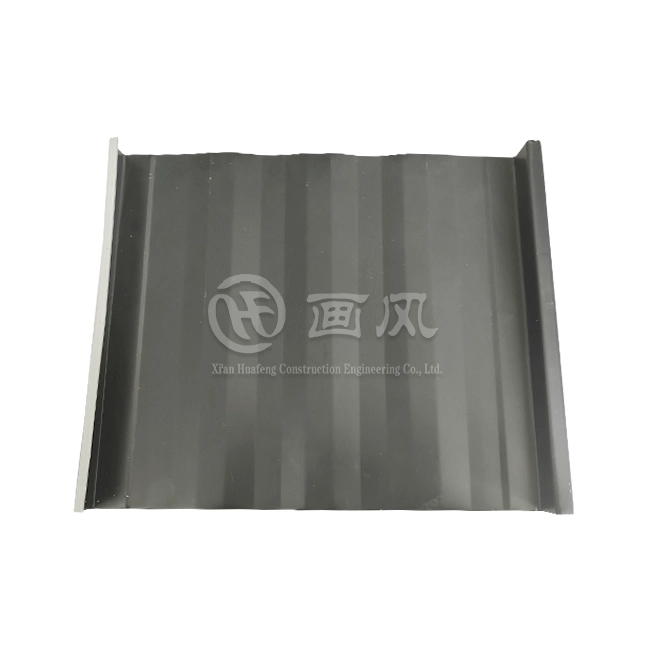
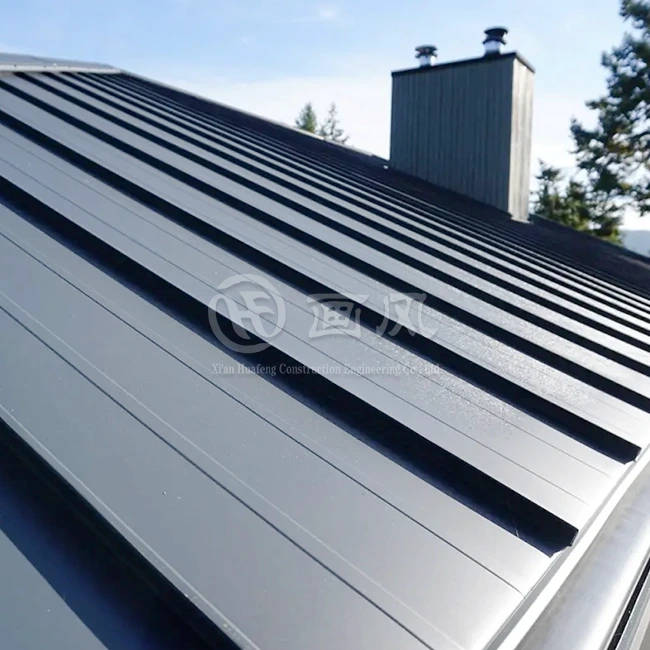
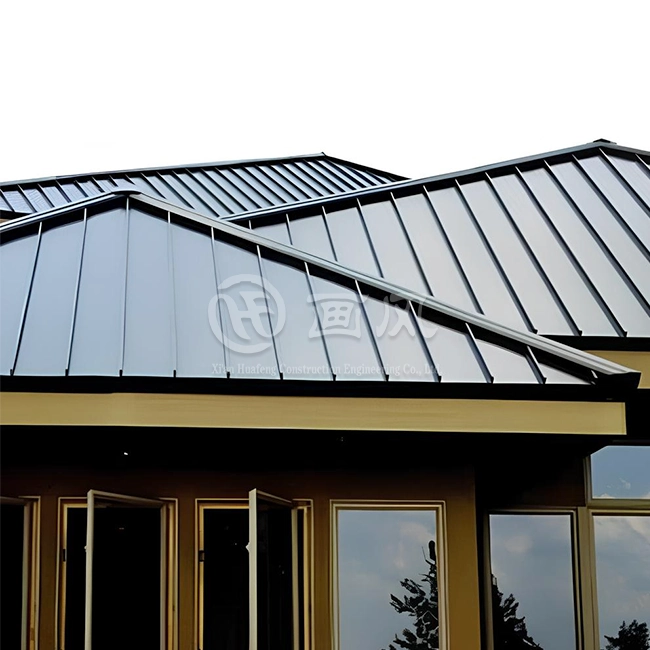
When evaluating metal roofing options for low-slope commercial projects, snap clad standing seam roof panels consistently rank among the top choices for contractors and procurement teams. Unlike exposed-fastener systems or traditional corrugated panels, a snap clad standing seam roof panel uses a concealed clip-and-lock mechanism that eliminates penetration points, significantly reducing the risk of water infiltration. Across wind uplift resistance, installation speed, and long-term lifecycle cost, this panel type outperforms most conventional alternatives—making it a preferred specification for warehouses, retail centers, schools, and institutional buildings across North America.

Understanding Snap Clad Standing Seam Roof Panels
Before making any comparisons, it's helpful to know what makes this type of panel different from other metal roofing systems on the market right now.
What Is the Snap-Lock Mechanism?
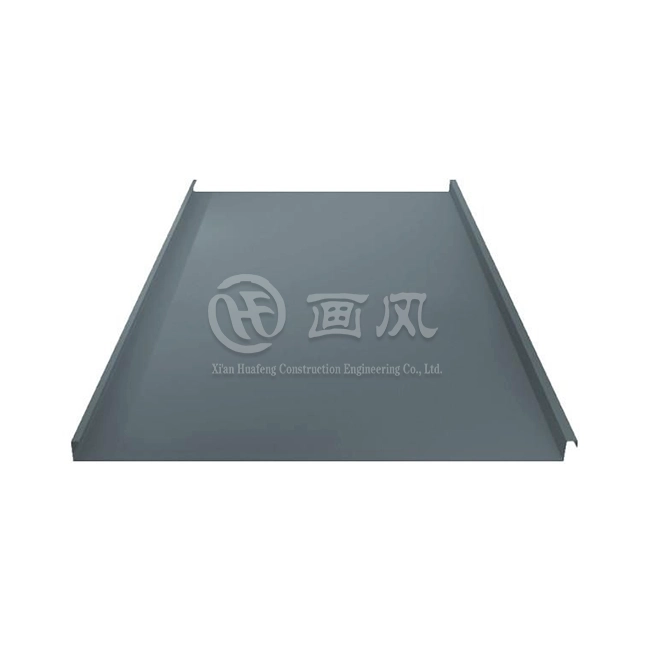
With the snap-lock design, you can join two panels together by pressing the raised leg of one panel into the female leg of the other. There is no need for a mechanical seaming tool. A sealant bead that is put on the female leg at the plant makes a continuous waterproof shield that passes the ASTM E1646 water penetration test at certain pressure differentials. When compared to machine seamed options, this setup cuts installation time by about 20–30%.
Material and Coating Options
Aluminum alloy, Galvalume steel, stainless steel, copper, and titanium zinc are some of the materials that HF's snap-clad panels are made of. The seams are between 45 and 50 mm high and the panels are between 0.5 and 1.2 mm thick. PVDF fluorocarbon coatings meet AAMA 2605-22 standards. This was proven by SGS testing, which showed that the coatings met all 13 performance items, such as adhesion 5B, no cracks in bending tests, and color stability with a ΔE of only 0.3.
Certifications That Matter to Commercial Buyers
Conformity with wind lifting standards is a must for estimators and buying managers of snap clad standing seam roof panel systems. ASTM, DIN, JIS, BS, and GB/T standards are all met by HF panels. The aluminum base type has an SGS combustion performance approval under AS/NZS 1530.3:1999, and all six test samples showed an ignition index of zero. This is a good sign for projects that need Class A fire ratings.
Comparing Snap Clad Panels with Other Metal Roofing Types
In business settings, not all metal roofing systems work the same way. The different types of panels have effects on the cost of installation, the need for long-term upkeep, and following the rules, all of which can have an impact on project budgets and schedules.
Snap Clad vs. Exposed-Fastener Corrugated Panels
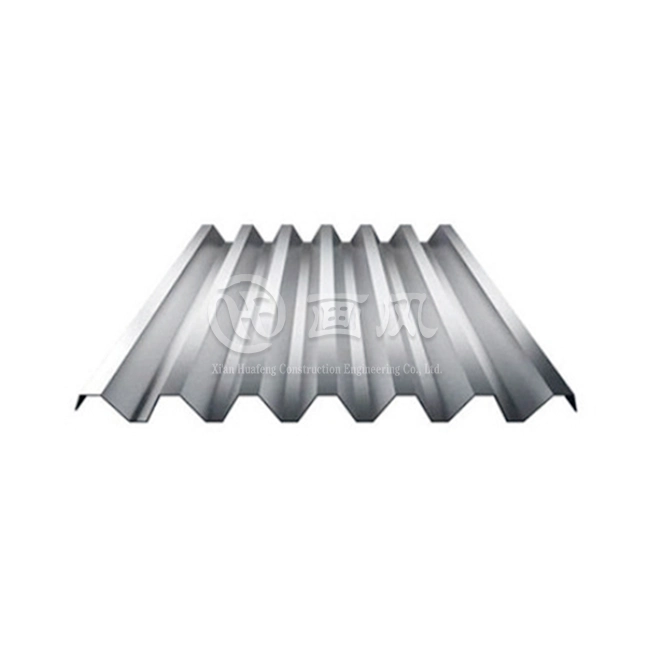
Through-fasteners penetrate the face of corrugated metal panels. Those fasteners are backed by rubber washers that deteriorate over time from UV and heat cycles and provide leak routes. The snap-clad standing seam panels are designed with a concealed clip system to allow for the expansion and contraction caused by temperature variations without wearing out the fasteners. This impressive clip design is utilized on commercial roofs that are larger than 40 feet. This design prevents shear stress that might undermine the structure.
Snap Clad vs. Mechanically Seamed Standing Seam
A roll-seaming machine is required to mechanically seam the panels closed on site. This approach can provide hydrostatic watertightness on slopes below 2:12, but it requires more labor and more equipment. Snap-clad panels may be installed to a minimum slope of 2:12 and provide the same level of watertightness within their specified slope range due to the sealing bead that is placed in the factory. This is accomplished without having to bring additional tools to the work location. The snap-lock approach clearly provides an efficiency gain for projects where the speed of installation impacts the building timeline.
Snap Clad vs. Composite and TPO Membrane Systems
On low-slope commercial roofs, TPO and composite membrane systems are common. However, they have been tested to last less time and need more maintenance than metal panels. The guarantee for HF snap-clad panels lasts for 30 years, and the PVDF finishes won't fade or chalk for 30 years or more. Metal panels are also solar-ready substrates because they can be mounted with brackets that don't go through the substrate. This is becoming a more important requirement as more commercial buildings add photovoltaic systems to their roofs.
Practical Considerations for Procurement and Installation
Finding the right snap clad standing seam roof panel system is more than just picking out a product. Whether a roofing subcontractor delivers on time and as specified depends on lead times, the availability of accessories, and the level of expert help provided at the project level.
Here are the parts of the supply chain that have a direct effect on the results of a business project:
- System completeness: HF supplies panels, clips, trim, and accessories as a coordinated package. For large commercial jobs, this single-source model reduces coordination gaps between panel and accessory delivery.
- Supply capacity: With three factories, seven production lines, and more than 40 machines, HF maintains a monthly output of 1,000 tons. This capacity supports phased delivery schedules for multi-building or multi-phase projects.
- Lead time: Standard delivery runs 15–20 days from order confirmation, with an MOQ of 500 ㎡ or 1 ton—a threshold accessible to mid-size commercial contracts.
- Color options: RAL and custom color matching are available, with PVDF or PE finish options to match architectural specifications or owner branding requirements.
These aspects of the supply chain make it less likely that a roofing crew will run out of materials in the middle of a job. It is very important for jobs where the general contractor holds the subcontractor to a fixed milestone date that the delivery schedule is coordinated with the construction phases.
Use Case Analysis and Industry Applications
Snap-clad panels work well in a certain range of building types and weather situations because of how they are made.
Commercial and Institutional Roofing
Snap-clad panels are well suited to warehouses, retail centers, schools, and institutional buildings where a concealed fastening system, predictable installation, and long-term weather protection are important. For large commercial roofs with slopes of 2:12 or steeper, the snap-lock design can simplify installation while allowing the panels to accommodate normal thermal movement. Procurement teams should also confirm wind uplift requirements, substrate conditions, panel material, and coating specifications before selecting the system.
High-Wind and Coastal Environments
In areas near the coast and where hurricanes happen quickly, aluminum substrate panels put up with closer clip spacing meet strict wind uplift requirements. The EU RoHS-compliant aluminum that HF sells passed all 10 categories of SGS testing for toxic substances, making it useful for projects in places where the environment is protected or for export.
Solar-Ready and Industrial Applications
The snap clad standing seam roof panel system works well with standing seam solar mounting clamps, which makes it useful for agricultural buildings, industrial buildings, and buildings that are meant to have solar panels on the roof. For panel-level attachment, there is no need to make any holes in the roof, which protects the weathertight membrane.
Making the Right Decision: When to Choose Snap Clad Panels?
Choosing snap clad panels over other types of metal roofing depends on three things: the slope, the size of the project, and the rules that need to be followed. Snap clad standing seam is a good choice for commercial roofs that are 2:12 or steeper and where wind uplift certification, long service life, and ease of installation are all important parts of the bid specification. For projects that need to be delivered in stages, plan to use solar energy, or have strict fire ratings, this method works perfectly for them. Along with estimators and project managers, procurement teams should make sure that the supplier can deliver full system packages on time, including panels, clips, trim, and technical documentation.
Conclusion
Snap clad standing seam roof panel works better than corrugated, mechanically seamed, and membrane options for most industrial low-slope roofing situations. This system is a good long-term investment because it has concealed fasteners, PVDF coatings that have been tested to AAMA 2605-22 standards, and thermal expansion accommodation. Because HF makes a lot of things and follows a lot of different standards, it is a trusted supplier for business projects in North America and around the world. System completeness, delivery capacity, and documented test certifications all work together to lower project risk at every stage for procurement teams that are looking at bids.
FAQ
1. What is the minimum roof slope for snap clad panels?
The industry standard minimum is 2:12. Snap-clad panels are specified for slopes of 2:12 or steeper. Below 2:12, a mechanically seamed system with hydrostatic watertightness is the recommended specification.
2. How long do snap clad standing seam panels last?
HF offers a 30-year warranty on its snap clad panels. PVDF coatings are rated for 30+ years of fade and chalk resistance based on AAMA 2605-22 testing.
3. Can snap clad panels handle thermal expansion on long runs?
Yes. The floating clip design allows panels to move freely along their length. For runs exceeding 40–50 feet, a fixity point is set at the ridge, directing expansion toward the eave and preventing fastener stress.
4. What certifications should I verify before procurement?
Confirm ASTM E1646 water penetration compliance, ASTM E1680 air infiltration performance, and wind uplift test data. HF panels conform to ASTM, DIN, JIS, BS, and GB/T standards, with SGS-verified coating and fire performance reports available on request.
5. Is oil canning covered under warranty?
Generally, no. Oil canning is a known characteristic of cold-formed metal, not a defect. Specifying stiffening striations, using thicker gauge material, and ensuring a flat substrate within ¼ inch over 10 feet significantly reduces its visual presence.
Request a Quote from HF — Your Snap Clad Standing Seam Roof Panel Supplier
HF sells full snap clad standing seam roof panels, which include panels, clips, trim, and technical information. These systems come with an SGS-certified 30-year warranty. We can help with any size of commercial roofing project because we can handle 1,000 tons of work every month and lead times of 15–20 days. You can email our team at huafeng@hfmetalroof.com to get details, examples, or a price for your whole project.
References
1. Metal Construction Association (MCA). Guide to Metal Roofing Systems. Metal Construction Association, 2021.
2. National Roofing Contractors Association (NRCA). The NRCA Roofing Manual: Metal Panel and SPF Roof Systems. NRCA, 2022.
3. American Architectural Manufacturers Association. AAMA 2605-22: Voluntary Specification, Performance Requirements and Test Procedures for Superior Performing Organic Coatings on Aluminum Extrusions and Panels. AAMA, 2022.
4. ASTM International. ASTM E1646: Standard Test Method for Water Penetration of Exterior Metal Roof Panel Systems by Uniform Static Air Pressure Difference. ASTM International, 2020.
5. FM Global. FM 1-29: Roof Deck Securement and Above-Deck Roof Components. FM Global Property Loss Prevention Data Sheets, 2023.
6. Underwriters Laboratories. UL 580: Standard for Tests for Uplift Resistance of Roof Assemblies. UL, 2022.





YOU MAY LIKE
(1)_1763110678300.webp "standing seam metal roof panels")