Snap Lock Standing Seam Roof Maintenance: What to Know
2026-11-06 17:19:20
A snap lock standing seam roof is one of the most durable concealed-fastener metal roofing systems available today. Panels interlock through a simple vertical press, eliminating exposed screws and the leak points they create. With proper maintenance, these roofs — built from aluminum alloy, Galvalume steel, stainless steel, copper, or titanium zinc — routinely deliver 30 to 50 years of service life. Understanding what routine care looks like helps contractors, procurement managers, and distributors protect their investments and keep projects on schedule.

Understanding Snap Lock Standing Seam Roofs
Before making a maintenance plan, it's helpful to know exactly what you're working with in terms of structure and materials.
How the System Works?
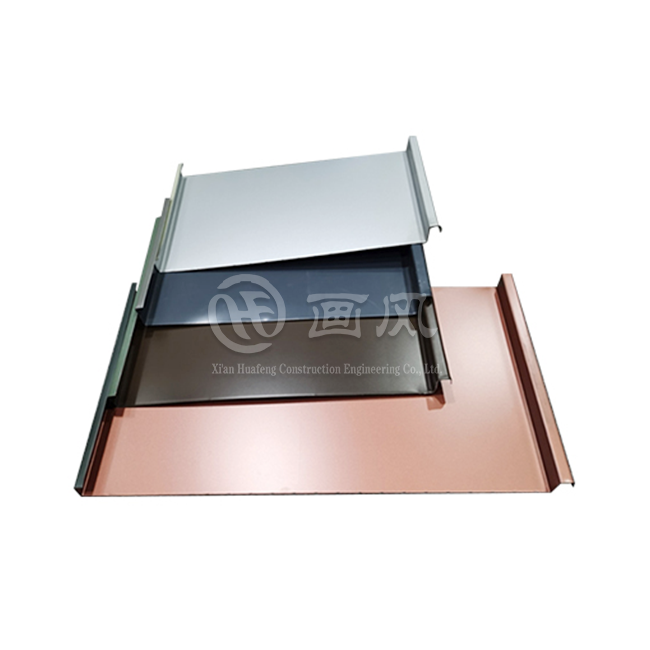
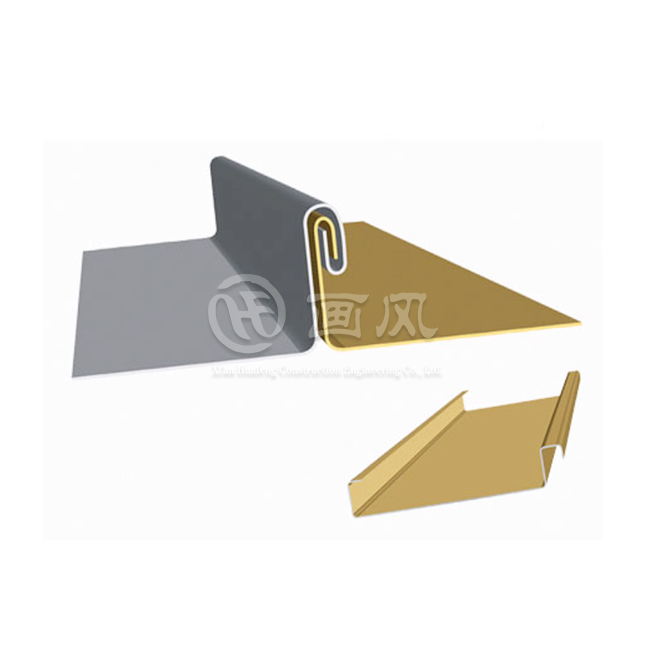
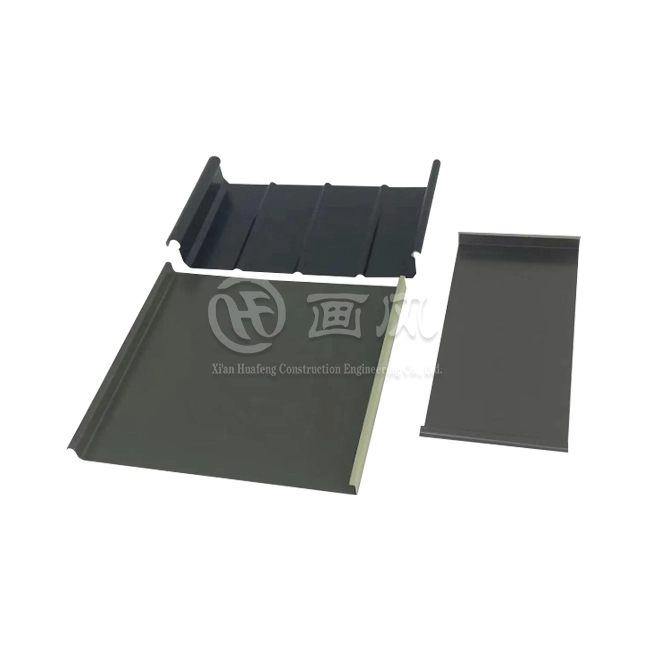
Without the use of a sewing machine, snap lock panels feature a male and female leg. Hidden clips attach to the base, letting the metal float and expand with temperature changes (steel expands at 12×10⁻⁶/°C and aluminum at 23×10⁻⁶/°C) without buckleing or fastener fatigue. When paired with the right underlayment, the 45 mm seam height keeps water well above the pan surface. This means that the system can be used on slopes as low as 1:12.
Material Choices and Their Maintenance Implications
The material you choose has a direct effect on how often you will have to maintain the roof over its lifetime. Galvalume steel (55% aluminum, 43.4% zinc, and 1.6% silicon) is two to six times more resistant to corrosion than regular galvanized sheet, and it works well in most interior conditions. Aluminum alloy is the best material for seaside projects because it is lighter, doesn't react with salt spray, and can be recycled over and over again. Grades of stainless steel like 304 and 316L can handle chemical conditions, but they cost more to make. Copper and titanium zinc naturally form protective oxide layers that don't need much upkeep.
Coating Systems and Long-Term Performance
Snap lock standing seam roof panels with PVDF (fluorocarbon) surfaces keep their color for more than 20 years and don't break down in UV light. HF's aluminum panels passed all 13 tests for AAMA 2605-22 by SGS, with a color shift of only 0.3 and 5B adhesion scores in both dry and boiling water. Polyester (PE) coatings are a cheap choice for places with low exposure. Cleaning chemicals and how often you should recoat depend on the type of finish you have.
Common Maintenance Challenges and How to Address Them
If you don't do regular inspections, even a concealed-fastener roof that was installed correctly will start to have problems. If you know what to look for, most problems will let you know about them early on.
Seam Disengagement
The most common field flaw is seam contact that isn't fully completed. By pushing on the seam every few feet as you walk along, you can find signs of partial contact before wind uplift becomes a problem. The distance between clips must match the project's ASTM E1592 lifting report. Panels with 45 mm seam height and clips spaced ≤1.5 m apart have wind resistance of at least 3.0 kN/m², which is the same as being able to handle wind speeds of over 60 m/s.
Surface Corrosion and Coating Damage
Three main things that lead to early corrosion are tiny cracks in the PVDF layer at bend radiuses, scratches from foot traffic, and chemical deposits from HVAC equipment nearby. Use touch-up paint that matches the manufacturer's color to fix scratches right away. Rinse with a pH-neutral cleaner to get rid of chemical contamination. HF's SGS RoHS test shows that there are no heavy metals in the coating, so the panel itself is not polluting the environment.
Water Infiltration at Transitions
Most leaks happen at the entry collars, ridge caps, and valley flashings instead of through the panel field. Every year, check the sealer consistency along the female leg. If you need to meet ASTM E1646 water-penetration standards, make sure that the factory-applied sealant is still whole and hasn't hardened or come away from the metal.
Snap Lock Standing Seam Roof Maintenance Process: Step-by-Step Guide
A repeatable repair plan keeps warranty claims valid and protects the value of an object. Do the steps below at least once a year, or twice if you live near the coast or where it snows a lot.
These are the main things that should be done during every repair visit:
- Safety and access audit: Confirm fall-protection anchors are rated for the roof's live load before sending anyone up. HF panels with 1.0 mm steel substrate support ≥2.0 kN/m² at 600 mm purlin spacing, but clip and purlin condition must still be verified.
- Debris and standing-water removal: Clear leaves, sediment, and moss from valleys and gutters. Organic debris holds moisture against the panel surface and accelerates galvanic activity, particularly where aluminum contacts steel fasteners.
- Seam and clip inspection: Walk every panel run and confirm full seam engagement. Check that concealed clips show no signs of cracking or corrosion. Replace any stainless-steel cap screws that show white-rust staining.
- Coating and substrate inspection: Look for coating chips, oil-canning stress marks, and any areas where the substrate is visible. Document with photos for warranty records.
- Flashing and sealant check: Probe all ridge, eave, and penetration sealants. Reapply butyl or silicone-based sealant where the bead has cracked or separated.
- Protective treatment: Apply a compatible roof wash and, where specified, a UV-protective clear coat to panels showing early chalk development.
After you're done with these steps, write down what you found in a maintenance log for your snap lock standing seam roof and compare it to the installation report. If you ever need to use a manufacturer's warranty, this record will be very important.
Comparing Snap Lock Maintenance to Other Metal Roofing Systems
Many times, purchasing managers want to know how the prices and difficulties of maintaining different types of panels compare. The comparison is easy to understand once you look at it in terms of three things:
Maintenance Access and Repairability
Snap lock panels get four out of five stars for ease of maintenance because each panel can be partially taken apart and put back together without damaging the seam. For mechanical double-lock systems, getting to the substrate requires a seam cutter, which means that the cost of replacement work is much higher. Exposed-fastener curved panels are the easiest to get to, but they cost more in the long run because the washers wear out faster on EPDM grommets.
Long-Term Cost Implications
The Metal Construction Association did a study in 2022 and found that concealed-fastener standing seam systems lower lifetime maintenance costs by 15–25% compared to exposed-fastener profiles. This is mostly because washer replacements and re-fastening cycles are not needed. PVDF-coated panels on Galvalume surfaces also need to be painted more often, every 20 years instead of 7–12 years for PE-coated exposed-fastener panels in the same temperature.
Warranty Alignment
There is a 30-year guarantee on HF snap lock panels, and they meet ASTM, DIN, JIS, BS, and GB/T requirements. When looking for panels for commercial projects that need warranties, make sure that the supplier's paperwork includes an ASTM E1592 structural performance test report. This is something that most U.S. building departments and insurance companies will not accept without it.
Maximizing the Lifespan and Performance of Standing Seam Metal Roofs
The main thing that shortens the life of a roof is reactive upkeep, which means solving problems as they come up. The economics are very different when you switch to a scheduled, data-driven approach.
Scheduled Inspection Intervals
Instead of condition-triggered checks for your snap lock standing seam roof, set ones that are based on a date. In most parts of the U.S., doing it every other year (after the freeze in the spring and before the snow in the fall) stops damage from the thermal cycle and debris buildup before they let water in. Coastal sites in salt-spray zones should add a rinse cycle in the middle of summer.
Technology-Assisted Inspection
High-resolution drone scans now let a crew check 10,000 m² of roof in less than two hours without having to walk on it, which damages the coating on a small scale. With thermal imaging, you can find moisture that is trapped under panels before it gets to the base. These tools are especially useful for inspecting big business and industrial roofs by hand, which would cost a lot to set up.
Training and Installer Certification
One of the least talked about factors in how long a roof lasts is how well it was installed. Seam engagement still requires skilled hands even though snap lock systems are 30–50% faster to install than mechanical locks. After one day of organized training, workers can be good at their job, but that training must cover clip-spacing limits and thermal-expansion allowances. Callbacks are much less likely to happen when certified installers work with suppliers who offer technical documentation.
Conclusion
Most building owners don't realize how easy it is to maintain a snap lock standing seam roof—as long as they do it in a planned way. A roof that lasts a long time needs to be inspected once a year, coated fixes done quickly, sealant checks, and written maintenance logs. Picking the right material is also important. When it comes to corrosion protection and color retention, aluminum alloy and Galvalume surfaces with PVDF coats always do better than other options. Any project has the best chance of lasting at least 30 years if it starts with a well-made wall and is cared for according to a strict plan.
FAQ
1. How often should a concealed-fastener metal roof be inspected?
Inspect at minimum twice a year — once in spring after freeze-thaw cycles and once in fall before winter loading. Coastal and chemical-exposure sites benefit from an additional mid-year rinse and visual check.
2. How do I detect early seam disengagement?
Walk each panel run and apply hand pressure along the seam. Any section that flexes or gaps visually has not fully engaged. Aerial drone passes with 4K cameras can flag engagement anomalies across large roofs quickly.
3. What cleaning products are safe for PVDF-coated panels?
Use pH-neutral soap solutions and soft brushes. Avoid abrasive pads and chlorine-based cleaners, which degrade the fluoropolymer resin and void most coating warranties.
4. Can snap lock panels be partially replaced without disrupting the whole roof?
Yes. Unlike mechanical-lock systems, snap lock panels can be disengaged at individual seams, making section-by-section replacement practical without specialized seam-cutting equipment.
5. What slope is required for a snap lock system?
The standard minimum is 3:12 for a fully hydrokinetic installation. At slopes between 1:12 and 3:12, a self-adhering waterproof underlayment is required to manage capillary risk at the seam interface.
Get a Snap Lock Standing Seam Roof Quote from HF
HF has three factories that make snap lock standing seam roof panels. Each factory has seven production lines and more than 40 machines. Each factory can supply 1,000 tons of panels every month, and there is a 15–20 day lead time. Panels come in aluminum alloy, steel, stainless steel, copper, and titanium zinc. They are 0.5–1.2 mm thick, can be finished with PVDF or PE, and come in any RAL color. They come with a 30-year warranty, and the minimum order quantity is 500 m²/1T. To get a project price today from a trusted snap lock standing seam roof provider, email us at huafeng@hfmetalroof.com.
References
1. Metal Construction Association. Metal Roofing Systems Design Manual. 2022.
2. ASTM International. ASTM E1592: Standard Test Method for Structural Performance of Sheet Metal Roof and Siding Systems by Uniform Static Air Pressure Difference. 2023.
3. National Roofing Contractors Association. The NRCA Roofing Manual: Metal Panel and SPF Roof Systems. 2022.
4. American Architectural Manufacturers Association. AAMA 2605-22: Voluntary Specification, Performance Requirements and Test Procedures for Superior Performing Organic Coatings on Aluminum Extrusions and Panels. 2022.
5. Sherwin-Williams. Kynar 500 PVDF Coating Performance Guide for Architectural Metal. 2021.
6. Oak Ridge National Laboratory. Field Performance of Metal Roofing Systems in Varied U.S. Climates. Building Envelope Research Program, 2020.





YOU MAY LIKE