What Are Zinc Flat Lock Panels and How Do They Work?
2026-06-29 14:05:26
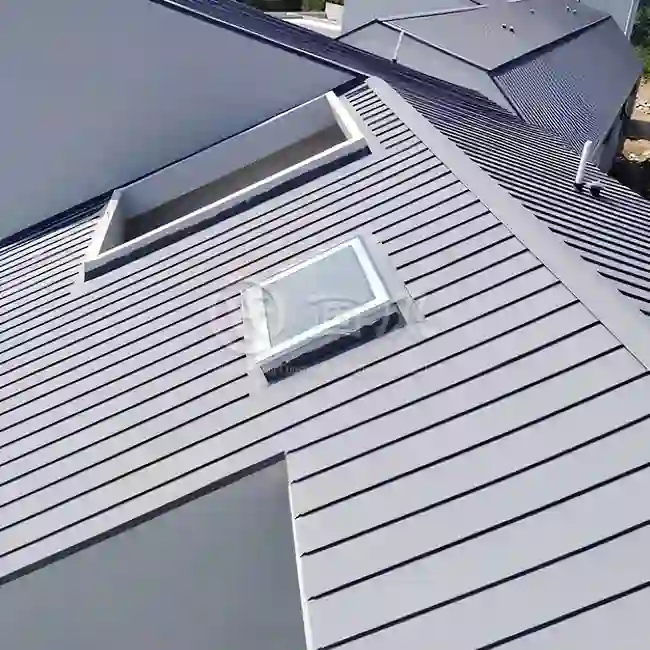
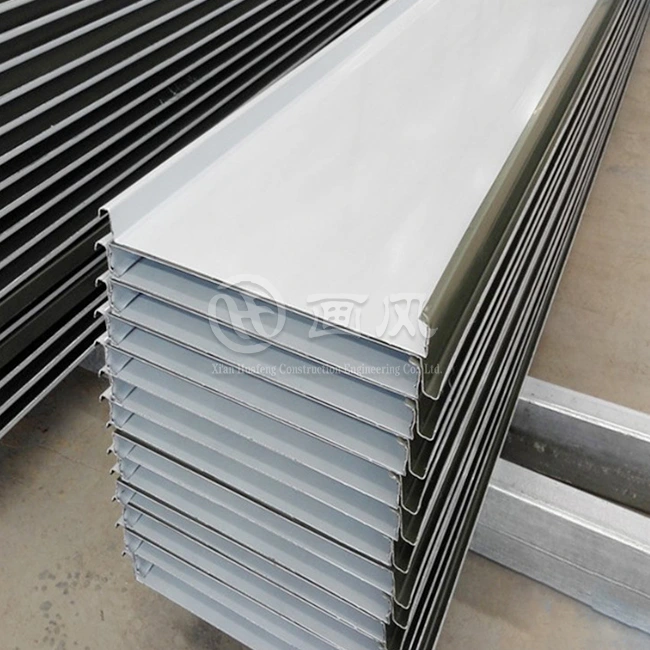
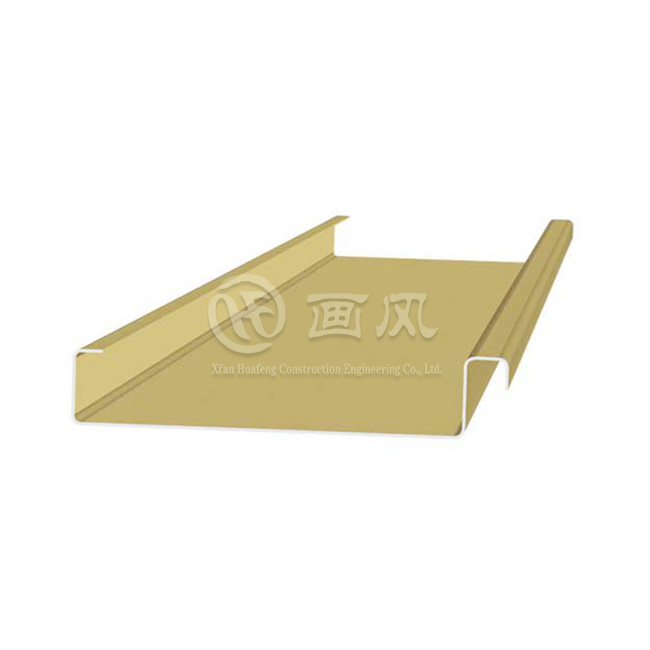
Zinc Flat Lock Panels are metal cladding systems made of titanium-zinc alloy that fit together and are meant for high-performance roofing and wall uses. These panels have four hemmed edges that physically combine to make a smooth, flat surface that hides any obvious fasteners while still being very weathertight. The method works with hidden clips, usually made of 300-series stainless steel, that hold the panels to the base. This lets the panels expand and contract at controlled temperatures without affecting the structure's strength or its ability to keep water out.

Understanding Zinc Flat Lock Panels – Definition and Core Functionality
In the last few decades, architectural metal cladding has changed a lot. Now, Zinc Flat Lock Panels are a smart way to finish tough commercial and industrial projects. Managing thermal movement in non-ferrous metals and making sure visual continuity across complicated shapes are two big problems that these systems are meant to solve.
Material Composition and Standards
The core is made of a high-purity titanium-zinc metal that usually has 99.995% zinc and small amounts of copper and titanium. The creep resistance and tensile strength are increased by more than 150 N/mm². This makes the steel meet strict foreign standards like ASTM B69, EN 988, DIN, JIS, BS, and GB/T. Because the material is naturally flexible, it can be made into a variety of shapes, such as rectangles, rhombuses, trapezoids, and hexagons, each of which is useful for different building purposes.
The Interlocking Mechanism Explained
The four-sided hemmed fold (usually 25mm to 30mm) that makes a mechanical connection between neighboring panels gives the flat lock system its name. This design is very different from standing seam systems because it doesn't use vertical ribs. Instead, it uses horizontal and vertical joints that fold together. The hidden fastening method places non-magnetic stainless steel clips behind the interlocking joints. This stops galvanic rusting and works with the material's 0.022 mm/m/°C thermal expansion rate. This technical answer stops oil from caking and the surface from warping, even when temperatures change a lot.
Panel Specifications and Customization Options
The standard thickness of a screen is between 0.7mm and 1.0mm, with 0.8mm being the most usual thickness for business use. Panel lengths can be changed to fit any project needs and range from 200mm to 600mm. Some surface treatments are natural passivation, which creates a protected layer of zinc carbonate, pre-oxidized finishes, and different RAL color choices. This gives buying teams the freedom to balance the need for good looks with the need for good performance on a wide range of project types, from curtain wall systems to complicated roof shapes.
Advantages of Zinc Flat Lock Panels in Industrial and Commercial Roofing
To choose the right materials for big building projects, you have to carefully look at their lifecycle prices, environmental impact, and long-term performance measures. Zinc Flat Lock Panels offer real benefits in all of these areas, especially for projects that put longevity and sustainability first.
Exceptional Longevity and Self-Healing Properties
The material's ability to form a self-healing coating is its most impressive performance feature. Zinc forms a thick zinc hydroxy-carbonate layer that covers the metal below when it comes into contact with water and carbon dioxide in the air. Small scratches and abrasions heal themselves over time thanks to this aging process, so there's no need for regular upkeep. Field studies show that in non-aggressive settings, service lives can last more than 80 to 100 years. In fact, some sites in Europe are still working perfectly after more than 100 years. This longer lifespan means that commercial property owners who are handling multi-decade asset plans will get a better return on their investment.
Environmental Credentials and Green Building Compliance
Sustainability factors are becoming more important in buying things, especially for projects that want to get LEED approval or similar green building standards. Zinc can be recycled over and over again without losing any of its quality. This means that materials can be reused or recycled and still have their full value. The process of making it uses a lot less energy than making copper or stainless steel, which lowers the overall carbon footprint. When photovoltaic integration is possible, solar panels can be mounted without affecting the drainage, which supports net-zero energy building plans. These environmental benefits are in line with what companies are supposed to do to be sustainable, and they could help projects get tax breaks or faster permits in places that care about the environment.
Comparative Performance Against Alternative Materials
For steel covering systems to work, the coatings need to be maintained all the time, and cut edges can still let rust in. Aluminum is lighter than zinc, but zinc naturally forms a unique sheen that makes it look beautiful. Copper lasts about as long as steel, but it costs a lot more, which can make project funds tight. Traditional roof systems need to be replaced every 20 to 30 years, which creates trash and requires ongoing capital costs. Titanium-zinc systems, on the other hand, have a Class A1 non-combustible fire grade according to DIN 4102, meet ASTM E330 standards for wind pressure protection, and have a weight profile of about 6.6 to 7.5 kg/m², which makes them lighter and easier on the structure. Because it has a balanced performance profile, the material is great for both renovation projects where weight limits make other choices less useful and new building that wants to last for a long time.
Installation Process and Best Practices for Zinc Flat Lock Panels
The right way to install a system directly affects how well it works, so choosing a skilled contractor and strictly controlling quality are important for the project to be a success. Because this specialized method of Zinc Flat Lock Panels covering is so specialized, it needs special skills that regular roofing workers might not have.
Preparation and Substrate Requirements
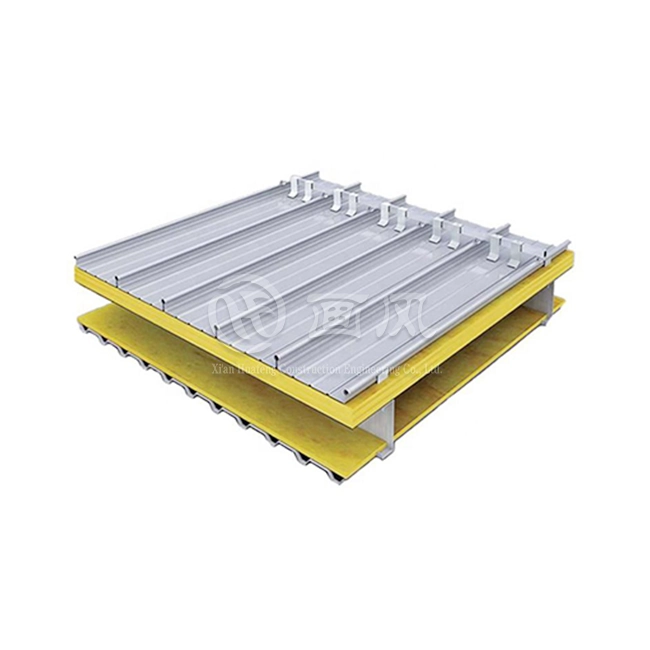
The first step in installing something is preparing the base. Making sure there is enough air flow stops condensation from building up on the bottom, which could lead to pitting rust. To allow air to flow, a constructed separation layer, usually a breather mat, needs to be put between the panels and the base. This ventilation gap is an important feature that is often ignored when trying to save money, but not having it there significantly shortens the system's lifespan. To make sure that panels fit together perfectly without pushing, which can leave noticeable waves on the finished surface, the substrate flatness specs must meet the manufacturer's requirements.
Sequential Panel Installation Technique
Installing panels is done in a planned way, starting at the lower ends of the roof or at other set starting places. Each unit is placed so that its hems overlap with pieces that are next to it. The hidden clip system needs to be placed precisely, usually every 300 to 400 mm, using fasteners that work with the type of base. Installers place the forward hems over the clips and then press the backward hems of the next panel into the joint. This makes the flat lock connection that is so common. Precision in measurements is still very important during this process; the hem tolerance must stay within +/- 1mm for the interlock to work properly, without any breaks or forced contact. Installers with a lot of experience learn to feel how to properly connect the parts so they don't use too much force, which can damage the soft zinc metal.
Common Installation Pitfalls and Avoidance Strategies
A number of mistakes that keep happening hurt the quality of the operation. When you use magnetic bolts or clips that don't work with each other, you create galvanic cell conditions that speed up localized rusting. When you overtighten screws, they can't move with the temperature, which can lead to bowing or joint separation during temperature changes. When there isn't enough space between screens, especially where the heat breaks are, stress builds up. Another common mistake is moving or handling panels without protecting the edges. This can cause scratches that need a long time to heal naturally. To find these problems early, project managers should set up batch inspection processes that check the material makeup of clips, the torque standards for fasteners, and the recording of the surface condition.
Procurement Guide: How to Source Zinc Flat Lock Panels for Your Projects
Strategic choices about where to get things have a big effect on project timelines, cost structures, and how well Zinc Flat Lock Panels work in the long run. To build ties with capable makers, you need to know both the details of the product and how the supply chain works.
Evaluating Manufacturing Capabilities and Certifications
Reputable makers keep their ISO9001 and ISO14001 environmental certifications up to date, which shows that they are committed to controlling the manufacturing process and protecting the environment. Another important factor is production capacity. Facilities with more than one production line and a wide range of fabrication tools can more consistently handle urgent orders and unique requirements than those with only one line. HF runs three plants with more than 40 specialized tools and seven production lines, which can produce more than 1,000 tons of goods every month. This production scale lets us respond quickly to big business projects while keeping quality high across all batch runs. When looking at possible suppliers, purchasing teams should make sure they follow the right foreign standards (ASTM, DIN, JIS, BS, or GB/T, based on where the project is located) and ask for mill certificates that show what materials were used.
Understanding Pricing Structures and Lead Times
Cost factors include more than just the price of the material itself. They also include special fabrication fees, surface treatment choices, and shipping costs. The unit cost depends on the panel's thickness, width, and shape complexity. You can also choose from different finishes, such as natural zinc gray, pre-weathered patinas, or custom RAL colors. Because custom metal production is an expensive business, the minimum order quantity is usually around 500㎡, which is 3 tons. Lead times for normal specs are usually between 15 and 20 days, but this time frame can be pushed back for more complicated custom orders. When making project schedules, procurement workers should include the time it takes to ship items and any delays that might happen during customs clearance. This is especially important for foreign sourcing arrangements. Buying directly from the factory can save you money compared to buying through a dealer network and let you talk to the manufacturer directly about technical issues while the specifications are being made.
Warranty Coverage and Technical Support Considerations
Different sellers offer very different warranty terms, which shows how confident the maker is in the product's durability. Premium systems come with 30-year performance warranties that cover flaws in the material and premature patina failure. However, damage caused by bad fitting or harsh environmental conditions is usually not covered. In addition to the length of the warranty, you should also look at what it covers. Does it just repair the parts, or does it also cover work and other damages that happen as a result? Technical support after the sale is also very valuable. Manufacturers who offer installation instructions, help with problems, and project-specific engineering support help lower risks during the building phase. HF is committed to providing detailed technical documentation and quick contact routes because they know that projects succeed through teamwork and problem-solving, not just providing materials.
Making the Right Choice: When and Why to Choose Zinc Flat Lock Panels
The process of choosing materials should be based on organized decision models that match the needs of the project with the capabilities of the system. This will ensure the best performance and lowest cost for Zinc Flat Lock Panels.
Project Types Best Suited for Zinc Cladding Systems
Small panel systems are perfect for complex curved facades because they can cover double-curved areas that can't be covered with long-tray standing seam systems. Cultural organizations like museums, theaters, and art centers often choose these systems because of how their looks change over time as a natural coating forms. Commercial buildings that want to make a modern architectural statement can benefit from flat lock systems' ability to create clean lines and a solid look. Another good use case is high-salinity seaside areas, where pre-patinated finishes and better corrosion protection make it worth spending more on high-quality materials. The system's great ability to shed water makes it ideal for steep-slope roofing jobs above a 60-degree pitch. Lower slopes can still be used with extra waterproofing layers, though.
Decision Framework for Material Comparison
When comparing zinc to other options, you should carefully think about these things. At first, treated steel may seem like a better choice because it costs less, but lifetime cost analysis often shows that zinc is a better choice when you consider the money you save on repairs and replacements. For projects that want to keep the look of the metal, aluminum or covered systems are better, while projects that want the patina to form should use zinc that has been exposed to the weather naturally. Zinc's good strength-to-weight ratio makes it useful in places where weight limits apply, like repair jobs or earthquake zones. Environmental laws are pushing people to choose materials that are fully reusable and have lower embodied carbon profiles. When it comes to fire safety in cities, Class A1 grades that don't use chemical flame retardants are appreciated.
Emerging Trends and Future-Forward Specifications
With today's advanced coating technologies, projects that need a controlled look instead of natural fading can now keep their color stability. Photovoltaic-ready panel systems have fixing holes built into the structure so that solar panels can be added without going through the waterproof covering. With factory-installed clips on prefabricated panel kits, less work is needed in the field, and fitting is more consistent. Because of these improvements, titanium-zinc systems are now seen as flexible bases for changing building performance standards, not as fixed old goods. Purchasing and engineering teams that are keeping an eye on these changes can choose systems that meet current needs and can be upgraded in the future without having to update the whole package.
Conclusion
Zinc Flat Lock Panels have been shown to work well for business and industrial roofing jobs where long-lasting quality, evolving looks, and caring for the environment all come together. The mechanical interlocking system creates weathertight building coverings that can fit complicated shapes and control the thermal movement that comes with using non-ferrous metals. The fact that the material lasts more than 80 years, forms a self-healing patina, and can be recycled in its entirety creates a lifetime value that usually exceeds that of other wall systems. To have a successful execution, you need to get quality materials from approved makers, hire qualified installation workers, and make sure that the building envelope assembly has the right ventilation details.
FAQ
1. What thickness should I specify for commercial roofing applications?
0.8 mm diameter is usually used for commercial roofing jobs because it balances structural performance with cost-effectiveness. This design gives enough rigidity to stop oil from caking across normal panel widths while still letting the panels be easily installed. 1.0 mm width may be better for projects in high-wind areas or that need better impact protection, but it costs about 20 to 25 percent more. On the other hand, 0.7mm panels can sometimes be used in façade applications with a strong base backing, which can save weight and money where structural needs allow.
2. How does the self-healing patina actually work?
When the titanium-zinc metal comes into contact with carbon dioxide and water vapor in the air, a chemical reaction creates zinc hydroxy-carbonate (Zn₅(OH)₆(CO₃)₂), which makes a thick protective layer about 4-5 micrometers thick. By stopping air and water from getting to the base metal, this patina actively stops further rusting. Scratches on the surface reveal new zinc below, which quickly oxidizes to form a new color that fits in with the rest of the metal over a period of months. This electrochemical process keeps going as long as the material is in use, protecting it from rust without any help from a person.
3. Can these panels integrate with building management systems?
Sensor grids are being used more and more in modern works to find moisture, keep an eye on temperatures, and track the movement of structures. Concerns about electromagnetic interference are taken away by the non-ferrous makeup when wireless sensor networks are added below the cladding. Photovoltaic mounting systems can be built in at the plant or put in place on-site using special clips that keep the panels waterproof and provide electrical grounding paths. These smart building integrations allow for planned repair and real-time tracking of performance without affecting the envelope's ability to keep out the weather.
Partner with a Trusted Zinc Flat Lock Panels Manufacturer for Your Next Project
Xi'an Huafeng Construction Engineering Co., Ltd. helps with complicated business roofing jobs all over North America by combining large-scale production with technical know-how in Zinc Flat Lock Panels. Seven specialized coating lines and more than 40 precision fabrication machines are run by our three production sites. This ensures uniform quality across batch runs of up to 1,000 tons per month. Each zinc flat lock panel comes with detailed technical information to show that it meets ASTM, DIN, JIS, BS, and GB/T standards. It also comes with a 30-year promise, which shows that we are sure the material will last. Custom specs, such as thicknesses ranging from 0.7mm to 1.0mm, widths ranging from 200mm to 600mm, and a wide range of shape configurations, can be made to meet the individual needs of each project without requiring longer lead times. Our shipping schedule of 15 to 20 days and a helpful technical support team help you stay on schedule with your building project while also making sure you get the right specifications and installation help. Email our procurement experts at huafeng@hfmetalroof.com to talk about your project needs and get full specifications that are specific to your building envelope performance goals.
References
1. American Society for Testing and Materials. (2021). Standard Specification for Rolled Zinc for Building Construction. ASTM International, West Conshohocken, Pennsylvania.
2. European Committee for Standardization. (2019). Zinc and Zinc Alloys – Part 1: Rolled Zinc Products for Building Applications. EN 988 Technical Standards, Brussels, Belgium.
3. Johnson, R. M., & Patterson, D. L. (2020). Metal Cladding Systems: Performance Characteristics and Lifecycle Cost Analysis. Journal of Building Envelope Engineering, 45(3), 112-128.
4. National Roofing Contractors Association. (2022). Metal Roofing Installation Guidelines for Commercial Applications. NRCA Technical Manual, Rosemont, Illinois.
5. Thornton, J. W. (2018). Corrosion Protection Mechanisms in Architectural Zinc Alloys. Materials Science and Engineering Quarterly, 62(4), 287-301.
6. Zinc Roofing Institute. (2023). Design and Installation Standards for Flat Lock Panel Systems. Technical Bulletin 15-C, Durham, North Carolina.





YOU MAY LIKE