How do flat lock seam metal roofing systems compare to standing seam options?
2026-06-29 14:05:24
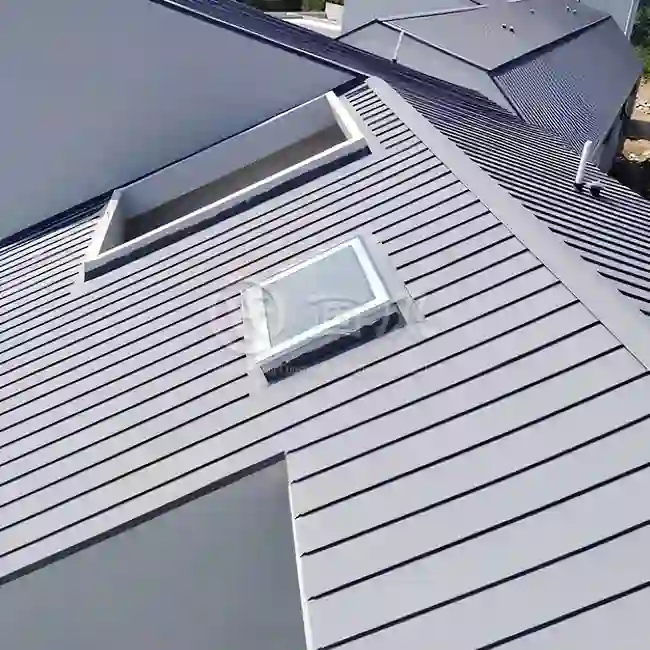
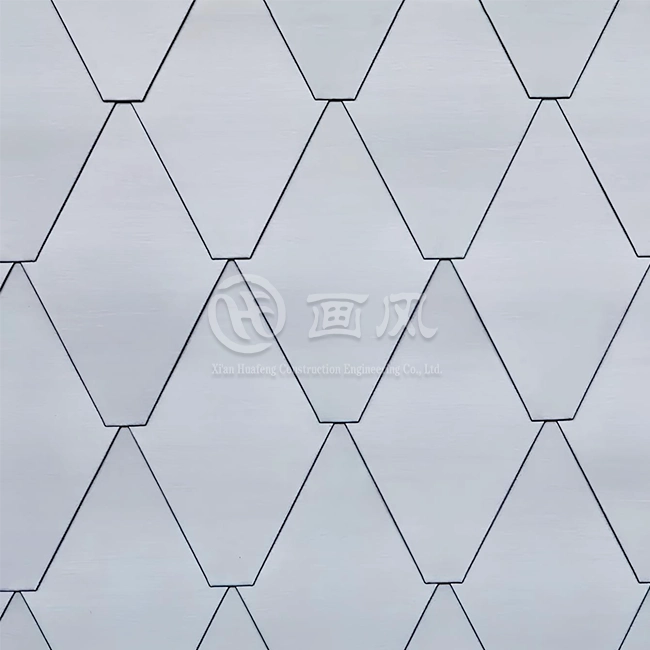
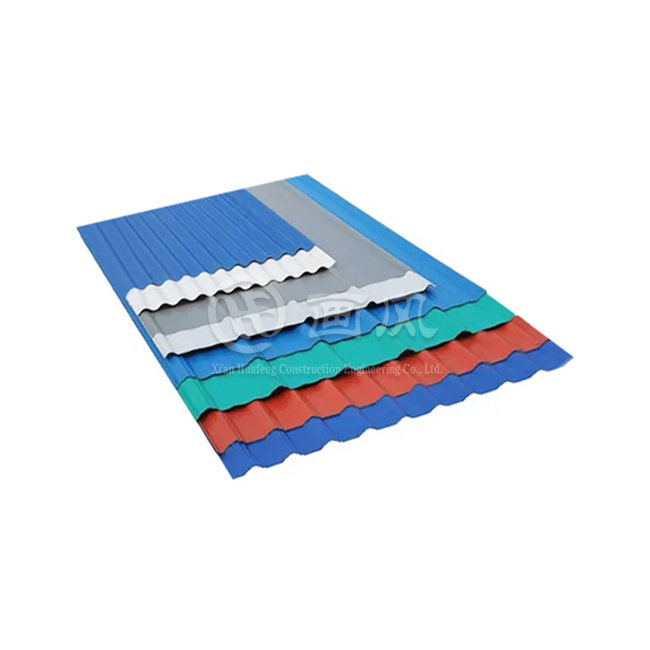
When looking at different types of metal roofing systems, flat lock seam metal and standing seam panels are two different ways to build for businesses and homes. Flat lock seam metal is made up of panels that fit together and have edges folded in half 180 degrees. This makes a flat, tile-like surface that is great for building curves and historic repairs. Standing seam systems have vertically raised bars with hidden fasteners that make fitting easier and improve weather protection. Which of these methods to use relies on the look of the project, the needs of the structure, the cost of installation, and the expected long-term performance in a range of climates.

Introduction
Metal roofing systems are now an important part of modern buildings because they last a long time, save energy, and can be used in a lot of different ways. One of the most important choices that procurement managers and workers have to make is which seam setup to use. This choice has a big impact on how the project turns out. Both flat lock seam metal and standing seam methods have their own benefits when it comes to structure, cost, and looks. When building companies, roofing contractors, and property developers know these differences, they can make better material choices for each job. This thorough comparison looks at design features, performance measures, installation difficulties, and supplier factors to help you make smart buying choices in the competitive business roofing market of today.
Understanding Flat Lock Seam and Standing Seam Metal Roofing Systems
Architectural Distinctions and Design Principles
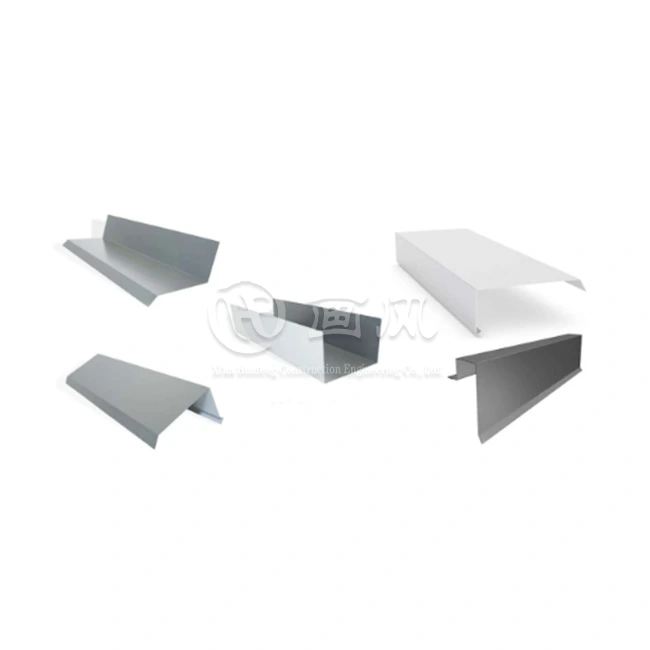
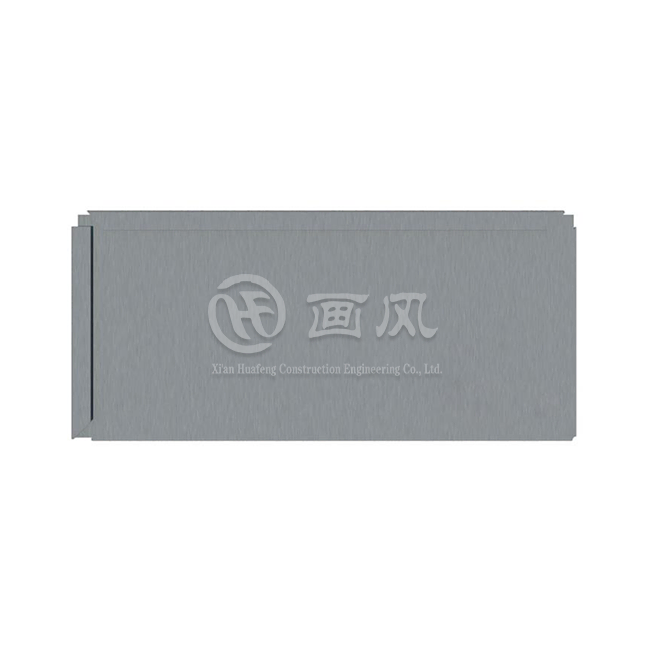
Flat lock seam metal roofing is made up of separate pieces made from metals like aluminum, copper, titanium, zinc, and stainless steel. All four ends of these panels have folded hems that fit together with neighboring panels to make a smooth, almost seamless look. The hidden clip system lets heat move while keeping the outside area free of fasteners. The width of a panel is usually between 300 mm and 600 mm, and its thickness is between 0.4 mm and 1 mm, based on the material chosen and the needs of the structure.
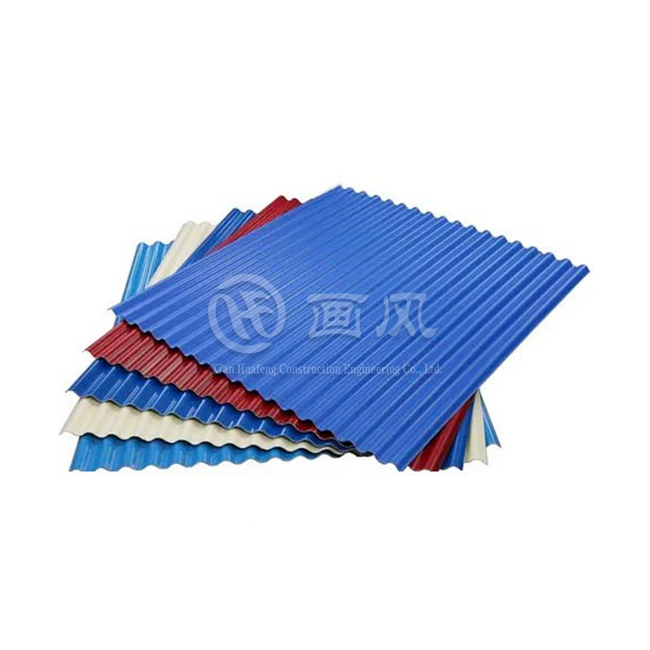
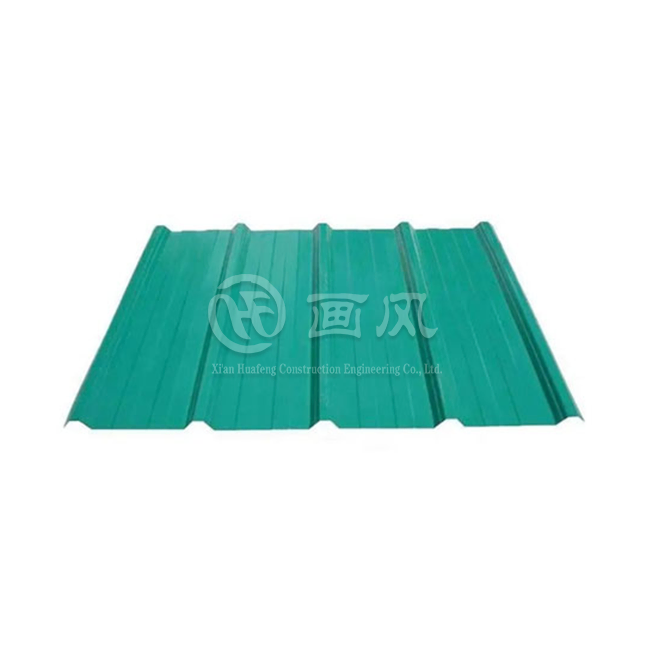
On the other hand, standing seam roofing uses panels that are continuous from the top to the eave and have legs that are raised above the roof plane. These raised seams can be sewn together manually or with snap locks, which hide the fixings under the seam. Linear shadow lines and a modern look are created by this arrangement, which works well for business and industrial uses.
Material Options and Structural Mechanisms
Both methods can work with similar types of materials, but they behave structurally very differently. Flat lock seam metal designs are great for complicated shapes like domes, curved walls, and surfaces that go in more than one way, where rigid long-span panels would buckle. Because flat lock panels are flexible, they can be replaced one at a time without having to fix big parts of the roof. Standing seam systems work best on flat roofs with steady slopes because their continuous panel design reduces the number of places where water could leak in.
Thermal control is another area where the practical difference shows up. Flat lock systems use more than one clip point per panel, so the forces of expansion and contraction are spread out over many link points. Standing seam panels control heat movement with moving clips that run along the length of each seam. This lets them adapt to big changes in the size of large roof areas.
Key Performance Comparison of Flat Lock Seam vs Standing Seam Roofing
Durability and Weather Resistance
Because the seams are high and the panels are all one piece, standing seam methods usually keep out the weather better. Even when it rains hard or pools, water can't cross the joint lines because the seams are raised. This design works really well in places with a lot of wind and snow, where uplift forces and water entry are big problems.
Instead of making a waterproof barrier, a flat lock seam metal works as a hydrokinetic system that relies on proper slope and gravity draining. Industry standards say that flat lock setups should have a minimum curve of 3:12 unless the seams are fully soldered, which takes a lot of work and costs a lot of money. Flat lock panels are very good at blocking wind because they connect with each other, and the multiple clip points on each panel spread lifting forces evenly across the roof assembly.
Corrosion Resistance and Lifecycle Performance
The choice of materials has a big effect on how well both methods work in the long run. Copper, titanium, and zinc are all natural metals that form protected layers called patinas that make them more resistant to weathering over time. Flat lock seam metal panels can last more than 80 years if they are made to the right specs and have widths between 0.7mm and 1.0mm. Standing seam systems made from aluminum-magnesium-manganese metals or PVDF-coated steel usually last between 40 and 60 years, though this depends on how they are maintained and exposed to the elements.
For both designs to work, there needs to be enough airflow between the metal surface and the base to stop condensation and rust on the backside. Flat lock setups work better with drainage mats or separation layers that let water evaporate while keeping the metal from touching the ground directly. This is especially important in marine settings or places with a lot of humidity, where fast corrosion can weaken structures.
Maintenance Requirements and Lifecycle Costs
The maintenance needs for these systems are very different. Standing seam roofs usually don't need much maintenance other than regular checks and cleaning up garbage. The hidden fastener design gets rid of frequent places where things break that are caused by visible screws and worn-out washers. When using flat lock systems, you need to pay more attention to the state of the clips and seams, especially in places with extreme weather. The benefit is that damaged flat lock panels can be changed one at a time by unhooking the panels around them and fitting new ones. This means that the whole roof section doesn't have to be taken off.
Lifecycle cost analysis takes into account how much it costs to build, how often it needs to be maintained, and how long it is expected to last. When purchasing, teams look at the total cost of ownership, they often find that spending more on good materials and installing them correctly pays off in the long run because they need less upkeep and last longer between replacements.
Installation and Cost Considerations for Procurement Professionals
Labor Intensity and Installation Complexity
Methods of installation have a big effect on project timelines and worker costs. Installing flat lock seam metal requires trained workers who can precisely fold, check the contact of the hem, and place the clips. It's important to pay close attention to each panel to make sure they fit together correctly without over-driving the connections, which could stop heat movement. Compared to standing seam systems, this careful process makes installation take longer, especially on large roof areas.
Material Costs and Volume Pricing
The price of materials depends on the type of metal chosen, the size of the panel, and the number of items ordered. Because of how customized production runs are, companies that make flat lock seam metal panels usually set minimum order sizes around 500 square meters or three tons. Shape variations (rectangle, rhombus, trapezoid, and hexagon) and RAL color matching are examples of customization choices that add value. However, they may change unit prices and wait times.
Logistical Factors and Lead Time Management
Delivery dates affect how the project is planned and how much it will cost. Flat lock seam metal is usually delivered within 15 to 20 days of order confirmation by reputable manufacturers who keep extensive inventories and effective production workflows. Standardized profiles on standing seam materials may be able to ship more quickly, but wait times for both methods are longer when custom colors or finishes are used.
When suppliers communicate clearly about production status, shipping plans, and quality paperwork, it helps procurement teams that are in charge of organizing multiple deliveries of materials. International standards like ASTM, DIN, JIS, BS, and GB/T must be followed to make sure that materials work with project needs and meet legal standards in different markets.
Market Availability and Trusted Suppliers for Flat Lock Seam and Standing Seam Panels
Manufacturer Capabilities and Production Scale
The quality of the materials, the reliability of shipping, and the help after the sale are all greatly affected by the supplier chosen. Companies that have been around for a while and have more than one production facility with a wide range of tools have shown they can handle complicated orders and keep quality standards high. Strong manufacturing skills can be seen in factories with seven or more production lines and specialized tools like color coating systems, horizontal cutting lines, and automatic punching systems.
Quality badges show that a seller is truly dedicated to doing a great job. ISO9001 certification for quality management, ISO14001 certification for environmental management systems, and SGS third-party proof all build trust and make sure that international standards are met. Suppliers with qualifications in both making flat lock seam metal and steel structures have the technical know-how to help with complicated design projects that need exact material specs.
Warranty Coverage and After-Sales Service
The warranty terms show that the company that made the product is confident in its durability and performance. Flat lock seam metal systems with 30-year warranties show that the materials are of high quality and the making was done carefully so that they will last for decades. Procurement teams can reduce risk and plan their budgets more accurately when they have warranties that cover everything from material flaws to coating performance and structure stability.
Superior sellers are different from commodity vendors because they offer after-sales support that includes expert advice, help with installation, and quick customer service. Beyond just supplying materials, manufacturers who have engineering teams that can handle project-specific problems like difficult shape accommodation or custom color development add a lot of value.
Supplier Reputation and Industry Standing
Established suppliers with patent portfolios, brand registrations, and high-tech company titles that are known in the building industry bring new ideas and dependability to buying partnerships. Companies that have filed patents for roofing systems and tools show that they are investing in research and development to make their goods and installation methods better.
When choosing a supplier, geography plays a role, especially for jobs that need repeated deliveries of materials or on-site expert help. When suppliers run area distribution centers or work with local contractors, they can provide faster service and lower the cost of delivery.
Decision-Making Framework: Selecting the Right Seam Metal Roofing System for Your Projects
Project Type and Application Requirements
The choice of method is greatly affected by how complicated the architecture is. Flat lock seam metal works great for projects that need complex shapes, like curved walls, domes, and surfaces that go in more than one way. The system's ability to move tight radii and complex curves while keeping aesthetic continuity makes it useful for museums, performing arts centers, and historic repair projects. The tile-like look goes well with traditional building types and meets current performance standards.
Aesthetic Preferences and Design Integration
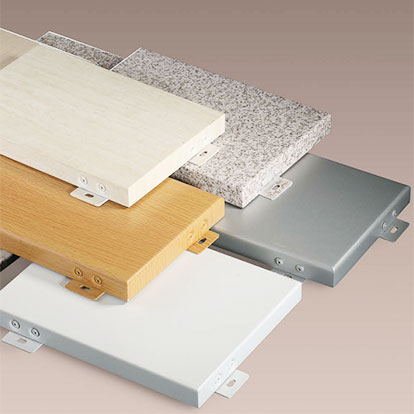
Long-term happiness and the character of a project are both affected by how it looks. Flat lock seam metal panels make complex tile designs that come in many forms, such as hexagons, rhombuses, trapezoids, and rectangles. Surface treatments like PVDF coatings and natural metal patinas make it possible to match the color and feel of one building element to that of a neighboring one. The flush surface shape creates soft shadow lines and a refined beauty that works well for high-end home and commercial projects.
Standing seam patterns make strong, straight lines that draw attention to the shape of the roof and the proportions of the structure. The vertical seam arrangement makes the building look taller by drawing the eye upward. Color-coated finishes that can be made to almost any RAL specification help business projects maintain brand identity and design cohesion.
Total Cost of Ownership and ROI Analysis
A full financial analysis looks at more than just the original costs of the materials. It also looks at the costs of installation, expected upkeep, energy efficiency, and the useful life of the assets. Flat lock systems that need special fitting skills may have higher initial work costs, but they look better and can be fixed more easily. Flat lock setups are often worth the extra money for projects that want to stand out with their architecture and have long-term historical value.
Cost-conscious business developments that focus on practical efficiency, like standing seam systems, because they can be installed faster and require less upkeep. When you combine low prices for materials, shorter work hours, and longer service intervals, you get good lifecycle economics for value-oriented buying strategies.
Environmental Considerations and Sustainability Goals
Both methods help green building goals by using materials that can be recycled, working efficiently with energy, and lasting longer so that they don't need to be replaced as often. Metal roofs reflect solar energy, which lowers the need for cooling and helps meet LEED certification standards. Copper and zinc are examples of natural metals that don't need a lot of energy to be processed and form protected patinas without chemical processes, which is in line with the trend toward using sustainable materials.
Teams in charge of buying things that want to lower their carbon footprint should look at sellers that focus on eco-friendly production methods and ethical material sources. Manufacturers who run efficient factories with rules for reducing trash and using green energy sources make projects look more environmentally friendly.
Conclusion
It is important to carefully think about architectural needs, performance standards, budget limits, and long-term upkeep when choosing between flat lock seam metal and standing seam roofing systems. When it comes to complicated shapes, historic preservation, modular fixes, and high-end looks, flat lock setups offer the most design freedom of any type. Standing seam systems make installation easier, keep out the weather better, and work well for a low cost in simple business settings. When properly specified and fitted by trained professionals using high-quality materials from reputable sources, both systems last a very long time. When procurement experts have to balance aesthetic goals with practical limitations, they can benefit from working with experienced makers who can offer technical advice, customized solutions, and reliable delivery that meets quality standards and project timelines.
FAQ
1. Can flat lock seam metal be put on roofs with low slopes?
For flat lock seam metal setups to work as hydrokinetic systems, they need to have enough slope for water to drain naturally. Minimum angles of 3:12 are required by industry standards unless seams are fully bonded, which takes a lot more work and costs a lot more. Because their seam shapes are raised, standing seam systems are better for lower hills because they keep water out even when it's ponding.
2. What stops oil canning from happening in metal panels?
When you look at flat metal objects, oil canning looks like waves. Some ways to reduce the effects of visual distortion are to limit the size of the panel faces, use bigger gauge materials (0.8mm to 1.0mm), make sure the surfaces are perfectly flat, and choose textured or pre-weathered finishes. Stress-induced waviness can be reduced by installing clips correctly so that heat movement can be managed.
3. How do the materials you choose affect how well a system works?
The choice of material affects how well something resists rust, how it expands and contracts when heated, and how it looks over time. Titanium, zinc, and copper form patinas that protect them and make them last longer than 80 years. Aluminum is very resistant to rust and doesn't need much upkeep. In tough conditions, stainless steel is stronger and lasts longer than other metals. Each object reacts to the world in its own way, which changes how it looks and works over time.
Partner with HF for Your Metal Roofing Solutions
Xi'an Huafeng Construction Engineering Co., Ltd. is ready to help you buy metal roofing because they have a wide range of making options and a lot of technical knowledge. As a well-known flat lock seam metal supplier, we run three carefully placed factories with seven production lines and more than forty specialized tools that can produce 1,000 tons of metal every month. We sell plates made of titanium, zinc, copper, aluminum, and stainless steel. The sizes can be changed, and the thicknesses range from 0.4 mm to 1.0 mm. All of our products come with 30-year warranties and meet ASTM, DIN, JIS, BS, and GB/T standards. Whether you need complexly curved walls or large industrial roofs, our engineering team can help. We can deliver your custom solutions in 15 to 20 days, and the minimum order size is just 500 square meters. Email us at huafeng@hfmetalroof.com to talk about your unique needs and experience the quality and dependability that make HF your trusted metal roofing partner.
References
1. Sheet Metal and Air Conditioning Contractors' National Association (SMACNA). "Architectural Sheet Metal Manual," 7th Edition. Chantilly, VA: SMACNA, 2012.
2. American Society for Testing and Materials. "ASTM E1592: Standard Test Method for Structural Performance of Sheet Metal Roof and Siding Systems by Uniform Static Air Pressure Difference." West Conshohocken, PA: ASTM International, 2016.
3. Copper Development Association. "Copper in Architecture: Design Handbook." New York: CDA, 2018.
4. National Roofing Contractors Association. "The NRCA Roofing Manual: Metal Panel and SPF Roof Systems." Rosemont, IL: NRCA, 2019.
5. Revie, R. Winston, and Herbert H. Uhlig. "Corrosion and Corrosion Control: An Introduction to Corrosion Science and Engineering," 4th Edition. Hoboken, NJ: John Wiley & Sons, 2008.
6. Gawell, K., and Reed, M. "Metal Roofing Systems: Performance, Design, and Installation." Journal of Architectural Engineering, Vol. 23, No. 2, 2017.





YOU MAY LIKE