Where can I buy flat lock seam metal panels for roofing near me?
2026-06-29 14:05:28
When looking for flat lock seam metal panels for your next roofing job, you probably have a lot on your mind. You want to find a supplier who can get you high-quality materials fast, make sure they follow industry standards, and get good deals on bulk orders. The good news is that these architectural metal roofing systems are easier to find thanks to specialized makers, regional distributors, and reliable sellers who have worked with business builders and property developers all over the United States in the past.

Introduction
The way we do current roofing jobs is changing because of flat-lock seam metal panels. Because they look sleek, last a long time, and can be used in a lot of different ways, they are very popular with building companies and roofing workers working on both new builds and renovations. When you're in charge of big commercial or industrial roofing projects, it's not only helpful to get supplies from dependable providers; it's also necessary to keep to the project schedule and quality standards.
The world of buying has changed a lot. Whether you're a procurement officer at a construction company, a commercial property developer, or a roofing contractor, you need suppliers who know how important it is to meet project deadlines, make sure that materials are always the same, and offer technical support during the installation process. This guide tells you what to look for in a seller of interlocking metal roofing panels and how to tell the difference between good suppliers and average ones.
Understanding Flat Lock Seam Metal Panels for Roofing
What Makes Flat Lock Seam Systems Unique
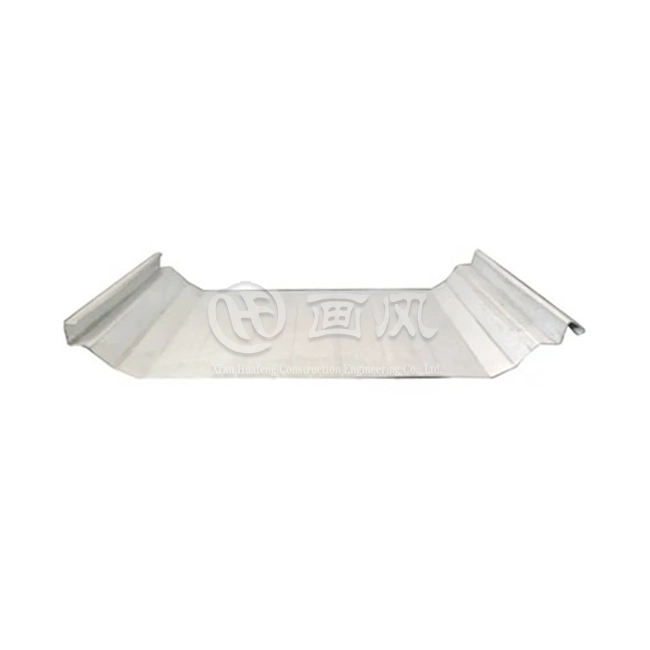
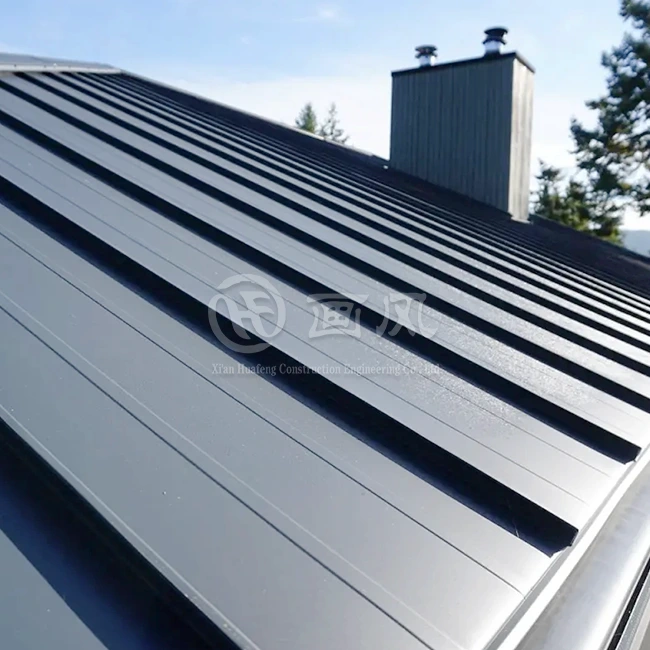
Flat-lock seam metal panels are a clever way to cover the outside of buildings. All four sides of these panels have 180-degree folded hems that allow them to fit together with neighboring panels to create a smooth, low-profile look. Standing seam systems stick out vertically, but this design makes a smooth, continuous surface that looks like metal tiles or roofs. Hidden clips in the system let the panels float freely, allowing for heat expansion and contraction without affecting the structure's strength.
Design Flexibility and Performance Advantages
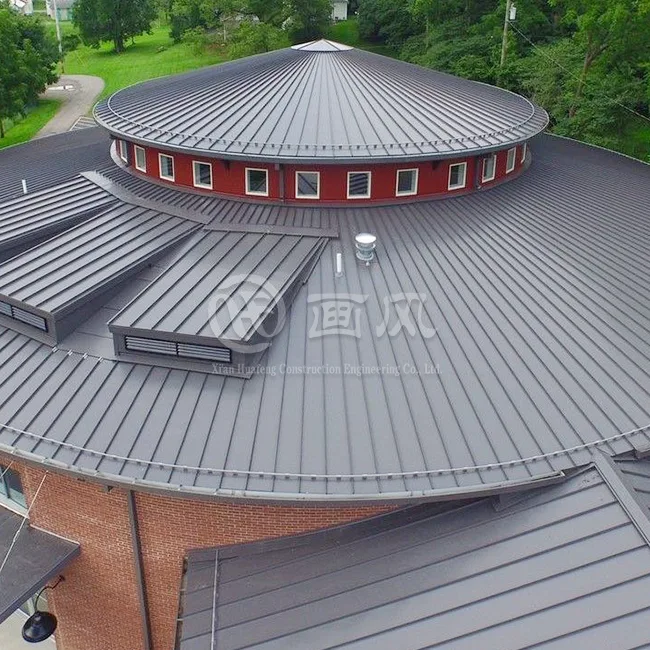
The tech behind these panels solves a number of problems that have been bothering business roofers for a long time. Because they are flexible, they can be put up on curved walls, domes, and arches, which is something that hard panel systems just can't do. The hidden fastener design gets rid of the possible leak points that come with screws that are visible screws, and the interlocking system makes it very resistant to wind uplift. Titanium, zinc, copper, aluminum, and stainless steel are some of the materials that can be used. Each has its own look and performance, making it perfect for a range of climates.
Applications Across Commercial Projects
These ornamental metal pieces are great for projects that need to look good and last a long time. The system's ability to move tight radii and compound curves makes it useful for museums, corporate offices, and institutional buildings with organic facades. Zinc and copper versions can heal themselves in high-exposure settings, like coastal buildings that are exposed to salt spray or mountain buildings that have to deal with heavy snow loads. These panels are used in historic repair projects to make them look like they were made with traditional methods while still keeping out the weather.
Key Factors to Consider When Buying Flat Lock Seam Metal Panels
Material Selection and Specifications
Picking the right material for your roof has a direct effect on how long it lasts and how well it works. Aluminum panels, usually made of AA3003, AA3004, or AA5052 metals, don't rust and are very light, which makes them perfect for projects that don't need to worry about structural load. Over time, copper pieces get a unique patina that changes the way they look and naturally protects them from rust. Stainless steel varieties are very strong and don't react badly with industrial environments. Titanium zinc, on the other hand, is long-lasting and can fix small scratches by oxidizing naturally.
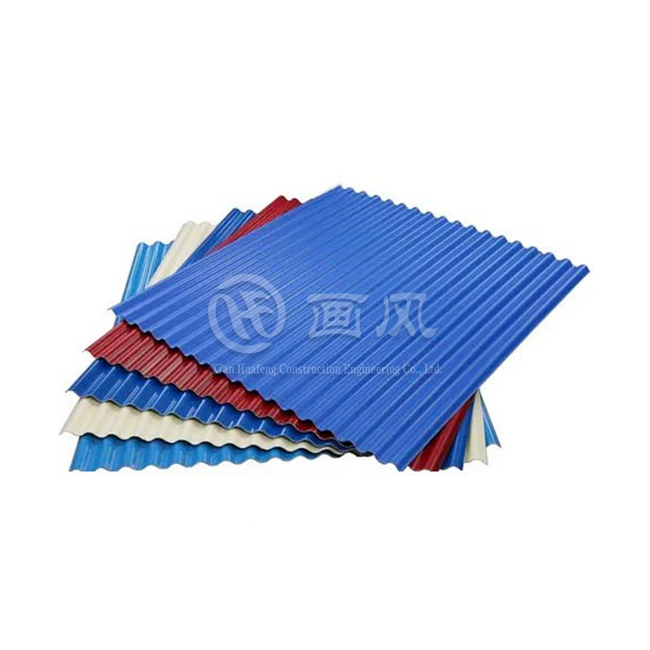
Panels can be anywhere from 0.4 mm to 1 mm thick, based on the type of material and the needs of the project. Oil canning is the obvious wavering that can happen on big flat surfaces. Thicker gauges, especially 0.8mm to 1.0mm, help stop it. Width dimensions are usually between 300mm and 600mm, but they can be changed to fit particular design needs. Surface processes like PVDF coatings, anodizing, and pre-passivation make things last longer and be more resistant to the environment, especially in harsh areas where temperatures change a lot or it rains a lot. Choosing the right flat lock seam metal panels ensures the longevity of your commercial structure.
Supplier Credibility and Certification Standards
Checking the credentials of your suppliers keeps your project safe from expensive material failures and shipping delays. Check to see if the companies you're considering follow well-known industry standards like ASTM, DIN, JIS, BS, and GB/T. These certificates show that the quality control processes are uniform and that the measurements are kept within the acceptable ranges that are needed for a good installation. It is common for suppliers with ISO9001-certified sites and ISO14001 environmental management credentials to have stricter rules for production and tracking.
Ask to see proof of fire ratings, especially Class A non-combustible ratings that are needed for many business uses. Companies that have filed patents for roofing systems and computer software certificates tend to put more money into research and development, which leads to better new products. Companies in your area that are known as high-tech businesses tend to be better at customizing products and fixing technology problems, which can be very helpful when your project has its own unique challenges.
Pricing Structure and Lead Time Considerations
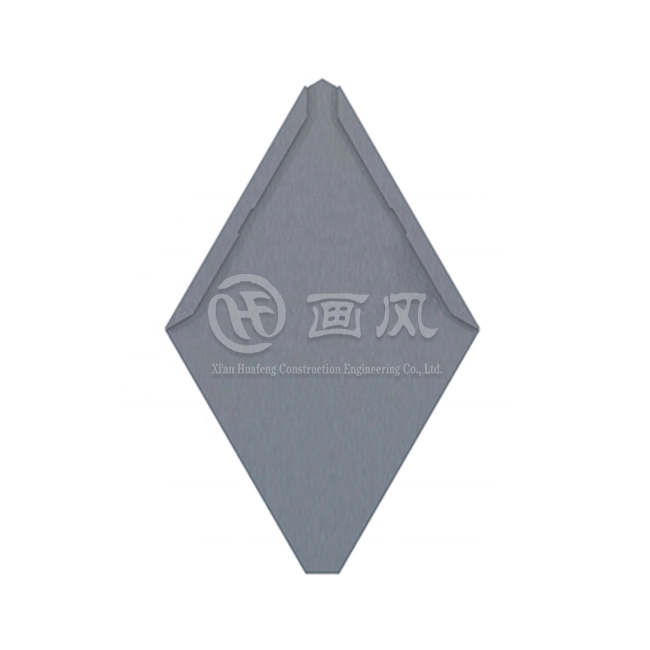
Knowing the full cost structure keeps budget shocks from happening in the middle of a job. The price of base panels depends on the type of material, the width, and the finish on the surface. However, there are other factors that have a big effect on the total cost. Customization requests for unusual forms like rhombus, trapezoid, or hexagonal patterns usually mean extra costs for tools or longer production times. The smallest amount you can buy is usually 500 square meters, which is about three tons. To get the best deals, plan your purchases across multiple project stages.
When you order a lot of something, you get a big deal. Suppliers who can make more than 1,000 tons of goods every month can work with phased delivery plans without affecting lead times. Standard shipping times are usually between 15 and 20 days, but special orders can make this longer. Transparent sellers give thorough descriptions of the production stages, shipping arrangements, and backup plans for delays caused by bad weather. This is important information for working with other trades on-site.
Where to Find Flat Lock Seam Metal Panels Near Me
Direct Manufacturer Relationships
Connecting with manufacturers can help business projects in a number of smart ways. With direct buying, you don't have to pay markups to distributors, and you can get professional help during the whole process of specifying and installing the product. Manufacturers with more than one factory can often offer area help, which cuts down on shipping costs and delivery times. Companies with seven or more production lines and a lot of different kinds of equipment, like color finishing lines, laminating systems, and automatic cutting tools, can handle a lot of flat lock seam metal panels orders at once without sacrificing quality or time.
When looking at makers, you should look at more than just their ability to make panels. With longitudinal and transverse shearing lines, progressive die systems, and precise bending equipment, facilities can deliver parts that are cut to exact specs. This cuts down on waste and installation time on-site. When manufacturers offer extra services like pre-weathering treatments, custom color matching to RAL standards, and coordinating accessory packages, it makes the buying process a lot easier.
Regional Distributors and Specialty Suppliers
When project deadlines are tight or smaller amounts need to be sourced, regional wholesalers are useful partners. These sellers usually keep standard configurations in stock, which makes it easier to get jobs done faster that meet common requirements. Distributors with expert sales staff can help you choose the right product by matching the qualities of the material to your needs and your budget.
Quality wholesalers work with more than one maker, so they can give you a range of choices when you're weighing cost versus performance. They usually keep related items in stock, like underlayment systems, ventilation parts, and specialty bolts, which makes the process of buying things easier. Make sure that the wholesalers know how to properly handle and store the materials. Metal panels need to be kept away from water and damage that could affect the finish or cause surface flaws.
Digital Procurement Platforms
E-commerce platforms make it easier for businesses to buy metal roofing by showing clear prices, giving thorough product descriptions, and making the buying process easier. Before placing an order, these platforms let you compare multiple suppliers side by side, read reviews from past customers, and make sure that the suppliers are certified. Digital buying cuts down on administrative costs and provides paper trails that meet corporate purchasing standards.
The best platforms put detailed information like installation guides, CAD details, and performance data right into the product descriptions. This combination speeds up the design process and makes it less likely that you'll order parts that don't work together. Platforms with project management tools, delivery tracking, and automatic reordering features are useful for workers who are working on multiple projects at the same time in different places.
Comparison: Flat Lock Seam Metal vs Other Metal Seam Systems
Structural Performance Differences
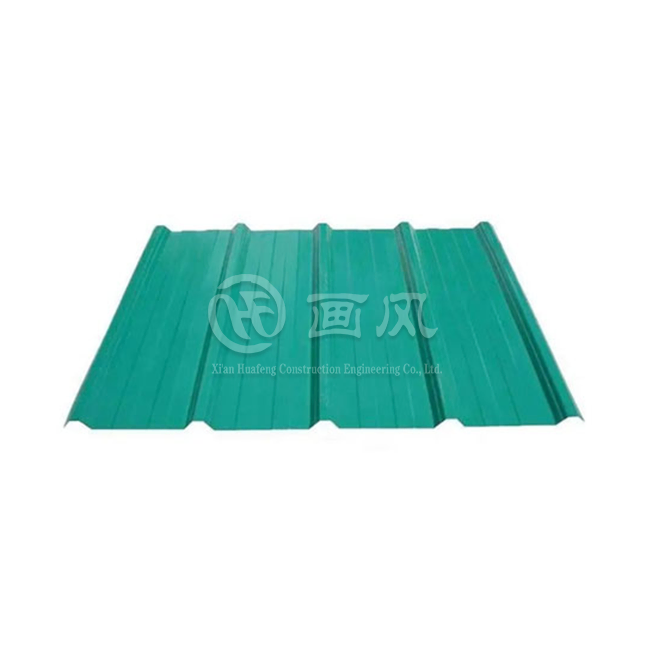
Standing seam systems have vertical ribs that run the length of the panel. These ribs make shadow lines and mechanical seams that allow for a lot of heat movement. These methods work best on big roofs with few holes, so panels can go from the top to the eave without any gaps or fasteners in between. But the raised lines give it a more industrial look that might not work for projects that need a more modest, classy look.
On the other hand, flat lock seam metal panels have smooth surfaces and hidden joints that make them look like single tiles or roofs instead of long sheets. This modularity makes it easier to repair broken parts—a single panel can be taken off and put back on without affecting nearby areas, which isn't possible with standing seam systems, where panels are constantly interlocked. In exchange, you have to pay more attention to where the clips are placed and the order of the panels when installing them.
Installation Complexity and Labor Requirements
Snap lock systems are the fastest to install among metal roofing choices because they use mechanical parts that can be clipped together without any special tools. While these systems work well for simple tasks, they aren't refined enough or weatherproof enough for high-performance business setups. The visible fastening mechanisms are easy to install but could cause leaks and need to be inspected regularly for upkeep.
Installing a flat-lock requires trained workers who know how to do precise layout and hidden fastener methods. To keep the reveal lines uniform and make sure the panels fit together correctly, each one must be lined up exactly. This level of care to detail makes installation take longer than with snap locks, but the result is better weather protection and looks better. Investing in skilled workers pays off in the form of lower callback rates and longer service lives. This is especially important when warranties cover 30 years or more.
Climate Adaptability and Energy Performance
Because flat-lock panels have a flush shape, they don't fight wind very well. This is helpful in hurricane-prone areas where uplift forces can be hard on roofing systems. The tight interlocking system stops wind-driven rain from getting in better than versions with panels that meet. In places where it snows a lot, the smooth surface makes it easier for the snow to slide off, which lowers the structural load on the roof frame.
The layer of ventilation that needs to be put under metal walls helps with thermal efficiency, especially when zinc and copper are used. This structured split stops condensation on the backside while letting heat escape, which lowers the cooling loads in warm countries. Metal surfaces that are coated in light colors or left natural have reflective qualities that help meet LEED certification requirements and lower urban heat island effects in business areas with lots of people.
How to Evaluate and Select a Supplier for Flat Lock Seam Metal Panels
Defining Your Procurement Priorities
Clear sharing of project needs is the first step to building a good supply relationship. Figure out exactly how much volume you need, taking into account waste, a phased building plan, and possible changes to the design. Material type, thickness, panel measurements, color choices, and accessory needs are just a few of the specifics that suppliers like when they don't have to guess. This makes it easier to give accurate quotes and lessens the chance of expensive change orders in the middle of a job.
Customization is what sets flexible sellers apart from commodity providers. Check with the provider early on to see how flexible they are with making changes if your project needs special shapes, sizes, or surface treatments that aren't normal. Companies that buy high-tech tools and keep their own engineers on staff can usually meet specific needs without having to meet huge minimum orders or wait a long time for deliveries. Using high-quality flat lock seam metal panels from a reliable manufacturer ensures project success.
Evaluating Quality and Reliability Metrics
There is more to judging the quality of a product than just looking at sample panels. Ask for proof of the quality control steps, like approvals for the raw materials, measurements of the coating's thickness, and steps for checking the accuracy of the measures. Suppliers who follow strict testing methods for things like salt spray protection, thermal cycling, and fastener pull-through strength show that they care about performance proof over just looks.
Delivery efficiency has a direct effect on your project plan and costs a lot of money when teams have to wait for supplies. Check the supplier's track record by calling references from businesses that have worked on similar jobs. Questions about the percentage of on-time deliveries, how fast contact is during production, and how problems are solved when they happen show operational skills that can't be found on specification sheets.
Negotiation Strategies and Contract Terms
Cost goals and risk reduction must be balanced in order for talks to go well. When you commit to a certain amount of work, you can often get better prices, but make sure you can still make changes to the project's scope as it grows. Carefully read the warranty terms to make sure you understand what the coverage covers, what it doesn't cover, and how to file a claim. A 30-year guarantee on a material isn't worth much if the seller can't pay future claims or if the terms of the warranty don't cover common ways that things break.
The terms of payment should fit with the project's cash flow and protect both sides. Staged payments linked to delivery confirmation and production goals offer a fair level of security. Make it clear who is responsible for damage during shipping, how to coordinate delivery to job sites, and how long materials need to be stored. These practical details, which are clearly written down in purchase agreements, keep disagreements from getting in the way of completing the job.
Conclusion
To find the best provider for flat lock seam metal panels, you need to think about a lot of things, such as the quality of the materials, the reliability of the seller, the pricing structure, and the delivery options. Because of how well these systems work over time and how well they look, you should be very careful when choosing a supplier. This is especially important for business projects where roof failures can cost a lot of money and hurt your image. A good buying process includes checking the technical aspects, making sure the company can actually make the product, and setting up clear lines of communication that will help with the whole project, from the specifications to the installation. By giving more weight to suppliers with stable quality, clear pricing, and quick technical support, you can make sure that your roofing projects are successful and build relationships that will pay off over many installations with premium flat lock seam metal panels.
FAQ
1. Can flat lock seam panels be installed on low-slope roofs?
Instead of making barriers that keep water out, these screens work as hydrokinetic systems that move water away. As a general rule, slopes should be at least 3:12, or 14 degrees, to make sure water drains properly and doesn't pool. For projects that need thinner shapes, seams usually have to be fully soldered, which makes the work much more difficult and costs a lot more.
2. How do you make sure that a provider meets your quality and dependability standards?
Check for certificates that show the product meets the ASTM, DIN, JIS, BS, and GB/T norms that apply to your area. Ask for references from clients who have worked on similar business projects. Ask about delivery performance and help after installation. You can be more sure that the material traits and measurements will stay the same if you buy from suppliers whose facilities are ISO9001-certified and have written quality control processes.
3. What typical lead times should I expect for custom orders?
Standard setups from well-known manufacturers usually ship 15 to 20 days after the order is confirmed. Depending on the production queue and the need for custom forms, non-standard sizes, or special surface processes, lead times may go up to 25 to 35 days. Larger suppliers—those with more than one production line and a monthly output of more than 1,000 tons—are usually better at meeting immediate requests than smaller ones.
Partner with HF for Premium Flat Lock Seam Metal Solutions
Xi'an Huafeng Construction Engineering Co., Ltd. is a specialized manufacturer of flat lock seam metal that works with business builders and property owners all over North America. Our three factories cover an area of 200,000 square meters and have processing plants in Hangzhou and Xi'an. They have ten longitudinal and crosswise shearing systems, seven color finishing production lines, and one laminating line. This infrastructure can produce more than 1,000 tons of goods every month and can be customized to meet the needs of each project.
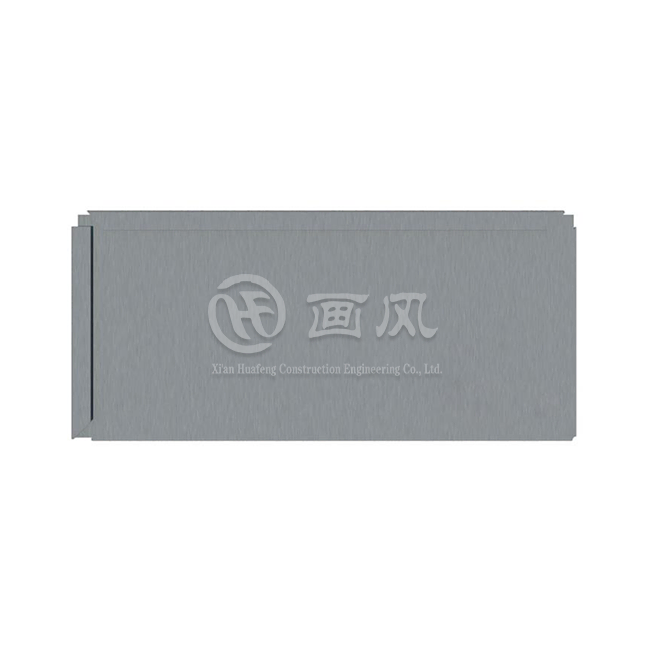
Titanium zinc, copper, aluminum, and stainless steel are some of the materials we use to make panels. The panels can be anywhere from 0.4 mm to 1 mm thick and 300 mm to 600 mm wide. We can make changes to rectangle, rhombus, trapezoid, and hexagon shapes, and the finishes can be RAL color standards or your own ideas. We stand behind the quality of every system with a 30-year guarantee and strict respect for ASTM, DIN, JIS, BS, and GB/T standards. We can meet project deadlines without sacrificing quality because the smallest order size is 500 square meters and delivery takes 15 to 20 days.
Email our technical team at huafeng@hfmetalroof.com to talk about your unique roofing needs and get quotes that are tailored to the size and timing of your project.
References
1. Sheet Metal and Air Conditioning Contractors' National Association. (2019). Architectural Sheet Metal Manual, 7th Edition. Chantilly, VA: SMACNA.
2. American Society for Testing and Materials. (2021). ASTM E1592: Standard Test Method for Structural Performance of Sheet Metal Roof and Siding Systems by Uniform Static Air Pressure Difference. West Conshohocken, PA: ASTM International.
3. Copper Development Association. (2020). Copper in Architecture: Design Handbook. New York, NY: Copper Development Association Inc.
4. National Roofing Contractors Association. (2022). The NRCA Roofing Manual: Membrane Roof Systems. Rosemont, IL: NRCA.
5. Zinc Roofing Association. (2018). Technical Manual for Zinc Roofing and Cladding Applications. London, UK: Zinc Roofing Association.
6. Metal Construction Association. (2021). Guidelines for Proper Use of Architectural Metal Panels in Building Envelopes. Glenview, IL: Metal Construction Association.





YOU MAY LIKE
_1768552571575.jpg "Aluminium Fascias")