What Is A Snap Lock Metal Roof Panels?
2026-06-30 11:00:00
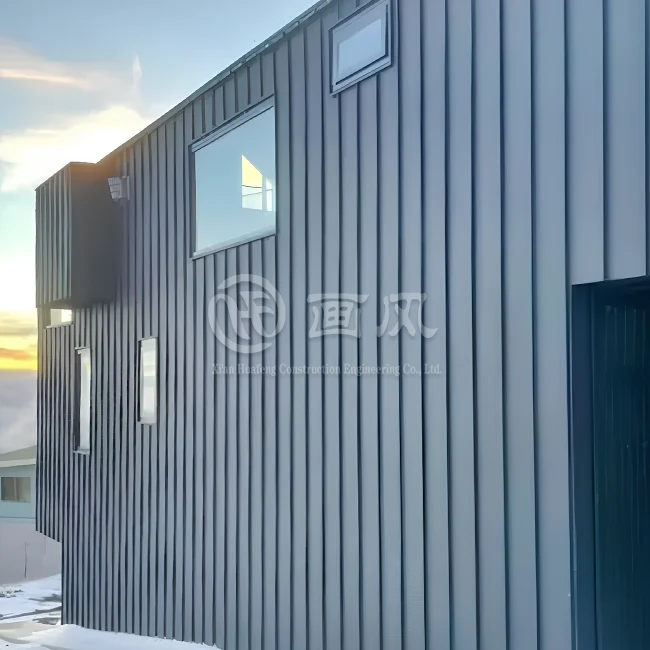
When big building jobs need to be done quickly and reliably, it's very important to understand the roofing system. Snap lock metal roof panels are a special kind of standing seam roofing system that uses a male-female connecting device so that panels can fit together without the need for mechanical seaming tools. This hidden clip design lets the material expand with temperature changes while keeping its waterproof integrity. Compared to traditional mechanically seamed systems, this design cuts installation time by up to 30%. The floating panel design prevents thermal shock, a major problem where changes in temperature can loosen fasteners on traditional roofing. This makes these systems perfect for commercial buildings, transportation hubs, and large-scale infrastructure projects that need to look good and last for a long time.

Introduction: Transforming Commercial Roofing Procurement
The roof selections you make now will affect the project timeframe, pricing, and building performance. Contractors have had to cope with extended construction timelines and costly maintenance due to poor roofing system selection. Standing seam metal roofs with snap lock metal roof panels modify how industrial and corporate buildings defend themselves from the elements.
This technology simplifies installation without reducing construction strength or water resistance. Purchase managers for government-backed, commercial real estate, and transportation infrastructure projects must fulfill high quality requirements and timeframes. All roof field fittings are hidden by the interlocking seam pattern. This reduces leaks while allowing heat to flow securely. Buying teams may make informed decisions that optimize initial investment and lifetime return by understanding these panels' tech.
Understanding Snap Lock Metal Roofing Technology
Core Design Architecture
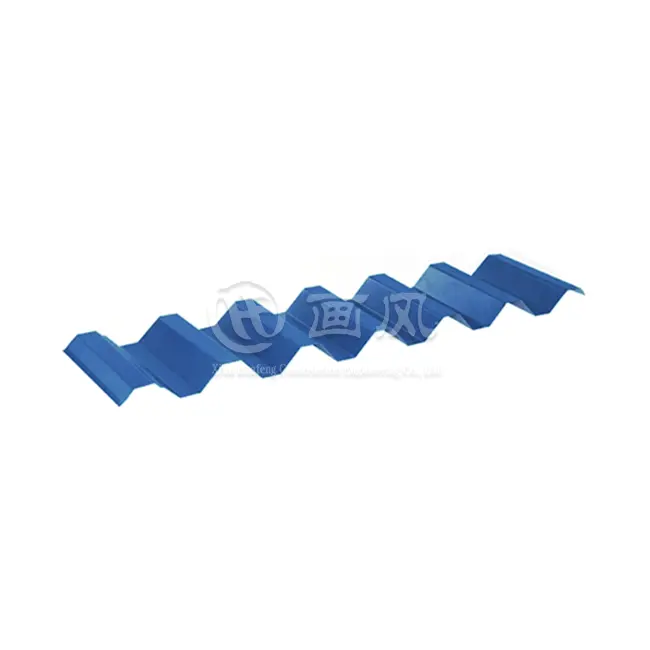
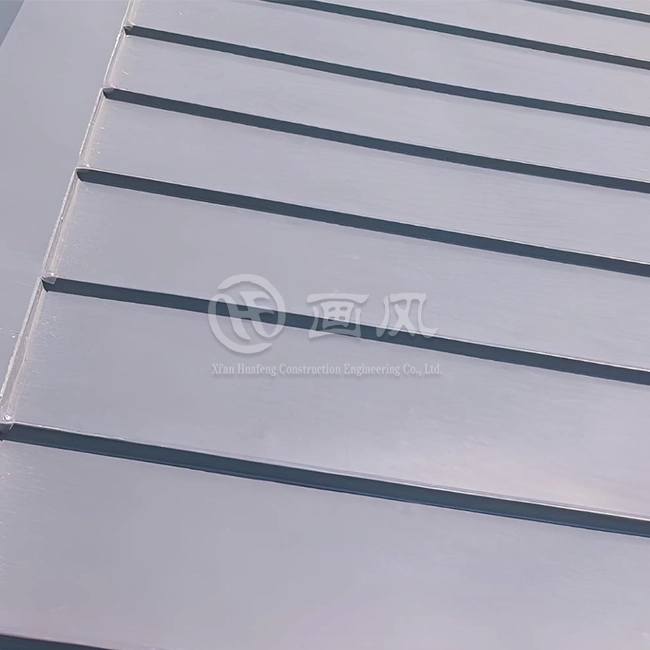
The engineer-designed seam form makes it distinctive. Panels contain matching male and female legs and are 1.0–1.75" tall. Pressing downward connects these legs. Screws go through weather surfaces in through-fastened systems. However, concealed clips or nailing flanges in the seam link these panels to the roof decking. Separating the structure's attachment from the weather cover prevents fasteners from stretching, a typical issue in changing temperatures.
The female leg's anti-siphon groove breaks interior capillaries. This geometric design prevents capillary action from dragging water between panels when it rains due to wind. This function is included in all HF snap lock metal roof panel configurations, ensuring hydrokinetic performance in tough conditions.
Material Specifications and Performance Standards
HF uses high-tensile materials that fulfill international requirements to make these panels. We provide aluminum alloy, galvanized steel (AZ150 and G550 coatings per ASTM A792), copper, titanium zinc, and stainless steel substrates. Panel thickness may range from 0.4mm to 1.2mm, although most are between 0.5mm and 0.7mm dependent on span and wind load.
Surface cleaning uses PVDF or PE coatings. ASTM D4214 found that PVDF resin-based finishes fulfill Kynar 500® criteria and withstand UV damage, chalking, and color loss. This coating's durability is crucial when the base undergoes roll-forming stress during snap leg development. Our ASTM D4145 T-Bend adhesion tests demonstrate the coating is flexible and won't split or peel during manufacture.
Structural Performance Characteristics
The manufacturer recommends placing these panels to fulfill UL 580 Class 90 wind uplift standards. The concealed clip mechanism can withstand negative pressure without loosening the panel when correctly spaced and fastened. The ASTM E1592 structural performance test validates standing and moving load capability. The structure is strengthened by our 45mm panel height, which adds depth via shadow lines.
Retrofit tasks when structural capacity limits options benefit from the strength-to-weight ratio. Built-up roofs and concrete tiles weigh more than aluminum panels. This makes structural sections lighter and panels more wind- and impact-resistant. Transportation hubs and conference facilities demand large, clear-span roofs without intermediate supports.
Snap Lock Systems Versus Alternative Roofing Solutions
Comparison with Mechanically Seamed Standing Seam
Both methods offer benefits for hidden fasteners, but they are installed in very different ways. To make a mechanical seam panel, you need special equipment that rolls the seam lines together, making an overlap that is twofold. Skilled workers and seamers in a certain order from the eave to the top are needed for this process. Snap lock metal roof panels installation is as simple as lining up the panels and pressing down on them until the interlock connects. This is something that general builders can do without specialized training.
Cutting down on installation time saves money on staff costs and speeds up the drying-in process. When a project is 50,000 square feet or bigger, the plan gets a lot shorter. Ultimate wind uplift ability is the trade-off. In high-wind areas like the Miami-Dade High Velocity Hurricane Zones, mechanically seamed systems can get better scores. In mild to high wind areas, however, these systems meet the performance needs of the vast majority of industrial uses.
Advantages Over Corrugated and Through-Fastened Panels
Through-fastened corrugated panels are the cheapest metal roof covering, however they have issues. Every connection permits water penetration. UV radiation and temperature damage neoprene washers, thus they must be changed. The clamp keeps the panel still, lengthening the holes and forming oil cans as the metal expands and contracts.
Snap lock systems across the roof field alleviate these concerns. Due to their limited presence at ridge tops, rake edges, and closing components, maintenance personnel encounter exposed screws over 90% less often. The movable screen design permits temperature change without stressing fasteners. When combined with stronger ribs or striations, this elasticity reduces the "oil canning" effect of flat metal surfaces.
Performance Contrast with Traditional Shingle Roofing
Asphalt shingles are still utilized for low-rise commercial buildings, although metal systems are cheaper over time. PVDF panels have 30-year warranties when properly installed, unlike shingles, which need to be changed every 15–20 years. Because HF's coating solutions resist corrosion and retain color, building owners don't have to replace them often.
Energy economy differences are equally compelling. Metal roofs with reflecting PVDF coatings reflect up to 70% of the sun's rays, reducing solar heat. This temperature performance immediately reduces commercial building cooling costs, saving money over time. Heat from shingle roofs enters buildings and strains HVAC systems. Over the correct lifetime durations, metal systems always have a higher ROI.
Installation Methodology and Maintenance Protocols
Substrate Preparation and Panel Installation Process
Good substrate evaluation is the first step to a successful fitting. Roofs should have a minimum slope of 3:12, or 14 degrees. Water loss at lower slopes relies more on seals than gravity, which goes against hydrokinetic design. For linked solid wood decks or metal purlins, the substrate must have at least 1,000 pounds per fastener pullout resistance.
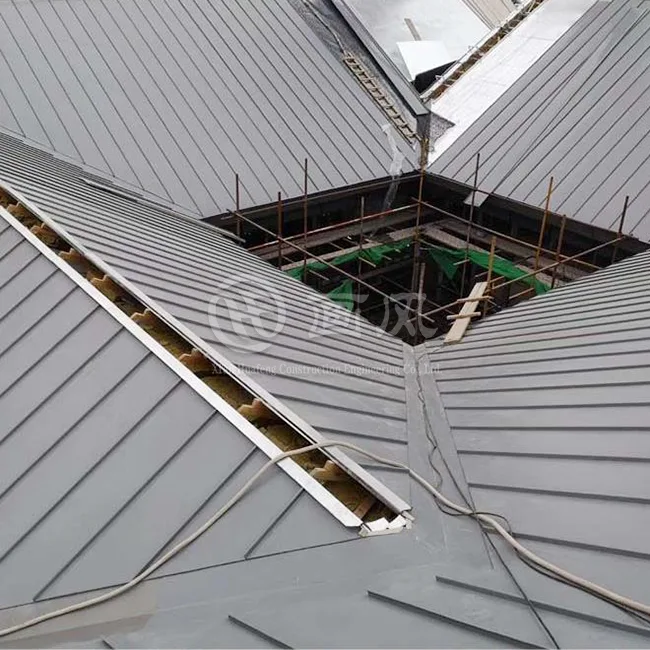
Up to the ridge, installation continues. Starter strips line panels and secure eaves. Hidden clips attach to material 12–18 inches on-center along panel length. To install a panel, lay the female leg over the male leg of an already-installed panel and push down firmly along the seam length to completely engage the interlock. Properly engaged seams clack and indicate completely stacked legs.
Customizing the length of a panel cuts down on waste and cutting on the job site. HF makes snap lock metal roof panels that are up to 12 meters long, which means they can fit most industrial roof sizes without having to be joined horizontally. This one-piece panel design from the eave to the ridge gets rid of gaps in the middle of the hill that could let water in. Custom color matching to RAL standards or unique architectural needs guarantees aesthetic consistency across project stages.
Quality Assurance and Maintenance Requirements
Care extends system life and protects investment. Fastener tightness at termination points, sealant quality at penetrations, and valley or snow guard debris accumulation should be checked biannually. These systems require just a few fasteners checked, unlike through-fastened systems.
Cleaning the coating periodically to remove air pollutants, biological growth, and industrial waste is the key maintenance step. The PVDF finish remains intact with mild detergents and low-pressure washing. Avoid damaging the protective coating layer with strong chemicals or high-pressure instruments. Our PE-coated panels need the same maintenance, while PVDF systems resist chalking and color loss in harsh situations.
HF's quality control ensures base consistency and coating integrity throughout manufacturing. To ensure ASTM A792 compliance, we metallurgically weigh the Galvalume coating. Standard fabrication maintains male and female leg sizes within ±1/32 inch. This ensures the snaps attach without bending the panel. Our clip-to-panel solutions fulfill hydrostatic and hydrodynamic stresses for your project region, according to third-party testing for air entry and water penetration according to ASTM E1680 and E1646.
Strategic Procurement Considerations for B2B Buyers
Evaluating Material Quality and Supplier Credentials
Material size balances structural demands and budget. Thicker sizes reduce breakage, but they cost more to build and weigh more to transport. Our experts assist you pick the proper gauge based on panel span, wind load estimations, and building appearance. In most industrial applications, snap lock metal roof panels between 0.5 mm and 0.7 mm work well for purlin spacing of 1.2 to 1.5 meters.
Coating affects performance and maintenance costs. PVDF coatings cost more but last longer and protect against UV radiation, which is significant when a building's appearance influences renters or a brand. PE coatings are cost-effective and functionally safe for corporate usage that prioritize safety above appearance.
When assessing vendors, consider their manufacturing, quality, and project expertise. HF has three dedicated facilities with seven manufacturing lines and over 40 specialized tools to produce 1,000 tons of items each month. Our Grade 1 building curtain wall and Grade 3 steel structure certifications demonstrate our technical expertise in complex design assignments. Our high-tech status in Shaanxi Province displays our dedication to quality and innovation.
Customization Options and Logistical Planning
Customizable panel width, length, color, and finish ensure project satisfaction. Building style and structural length determine panel widths, which are usually 300mm to 600mm. Making anything to your precise length eliminates mid-slope seams, making it appear and perform better in inclement weather. RAL color matching or bespoke color creation helps unify your brand across corporate buildings and campuses.
Delivery logistics affect project timelines. With a reasonable purchase, HF's 15–20-day manufacturing lead time may fit most company development plans. Our 500-square-meter or 1-ton minimum order quantity lets medium- to large-scale projects receive supplies affordably while maintaining production. Safe packaging and coordinated shipment ensure panels arrive at the project site ready to be installed.
The warranty conditions demonstrate the company's confidence in product durability. Our 30-year warranty covers material faults, coating stability, and structural performance, giving your customers piece of mind. This guarantee duration matches how long most commercial premises are held by the same individuals. This helps sell the property and preserves its value for future owners.
Emerging Innovations in Metal Roofing Technology
Sustainable Materials and Energy Performance
The roofing business keeps making progress toward more environmentally friendly options. Reflective covering technology is always changing to make it more effective at reflecting sunlight while keeping the colors that people want. Cool roof coatings lower energy use and reduce the effects of urban heat islands, which are both benefits that help buildings meet LEED approval and green building standards.
Reusing and reusing materials is another aspect of sustainability. A lot of snap lock metal roof panels are made from recycled materials, and it can be remade completely when it's time to throw it away. Instead of ending up in a dump, as asphalt shingles do, retired metal panels are reused in other products. This supports the circular economy, which is something that companies that care about the environment and the government are increasingly requiring.
Manufacturing Technology and Installation Efficiency
Both production and installation are sped up by automation and prefabrication. Computer-controlled roll-forming machines keep standards tighter than human methods, which ensures that the shape of each panel is the same, which makes installation easier in the field. Digital color-matching systems accurately duplicate certain colors, getting rid of the difference that was a problem with older finishing methods.
Prefabricated additional parts, like pre-formed hip and ridge caps, color-matched trim pieces, and custom flashing, cut down on the time it takes to make things in the field and improve the quality of the work. These parts are color-coordinated and ready to be put together, so there is less waste on the job site and less exposure to the weather during building. HF's decision to include these items in complete system solutions shows that they are dedicated to providing full roofing packages instead of generic panels that need a lot of extra buying.
Smart Building Integration Potential
Forward-looking projects combine roofing systems with technologies for automating and tracking buildings. Hidden sensors can check on the health of a structure and find problems like leaks or strange movement patterns before they become obvious. These tracking systems work with planned maintenance strategies that cut down on unexpected downtime and increase the life of assets. This is especially helpful for important buildings like transportation hubs or data centers, where roof failures cause more problems than just the cost of repairs.
Adding solar panels is another new idea. Even though they're not all the same, some designs can fit solar mounting systems without going through the weather barrier. This feature lets building owners add green energy sources while keeping their roof warranties in effect. This is a mix that is becoming more and more popular as energy costs rise and environmental rules get stricter.
Conclusion
Snap lock metal roof panels technology has measured benefits for business building procurement, including shorter installation times, less labor needs, better weather protection, and longer service life than traditional systems. Because the fasteners are hidden, they don't need to be maintained as visible screw systems do. They also allow controlled temperature movement that keeps the structure strong. The long-term performance and lifecycle value are directly affected by the quality of the materials, the coating specs, and the accuracy of the production process.
HF is a strategic partner for demanding business uses because we can do everything from making raw materials to making finished panels. We also have professional certifications and a lot of project experience. Our technical knowledge helps buying teams choose the right materials, meet performance standards, and make the best use of their budgets so they can meet project-specific goals.
FAQ
1. What minimum roof slope do these panels require?
A 3:12 slope is the bare minimum required by industry guidelines. Instead of hydrostatic closing, the method works by letting water drain away through gravity. Lower slopes slow down draining, which means more seals are needed, which isn't how snap lock metal roof panel systems are supposed to work.
2. How does installation cost compare to mechanically seamed systems?
Because no specialized seaming tools or lengthy operator training are needed for installation, labor costs are usually reduced by 25 to 30 percent. Specialized mechanical seaming teams charge a lot of money, but general roofing workers can install these systems quickly and easily.
3. Can snap-lock panels eliminate oil canning completely?
No metal panel system can promise that oil canning, the waviness that you can see on flat metal surfaces, will never happen. However, these systems have a lot less of this effect than through-fastened panels because the floating design doesn't put stress on the connection points. Choosing panels with strengthening ribs or striations lowers the visual effect even more.
Partner with HF for Your Next Roofing Project
Xi'an Huafeng Construction Engineering Co., Ltd. has the approved knowledge and production scale to meet your needs. As an approved provider of snap lock metal roof panels, we offer full services, from helping with design to helping with installation. With international quality standards like ASTM, DIN, JIS, BS, and GB/T certifications, our three manufacturing sites and seven production lines make sure that we can reliably serve projects of any size.
Our expert team helps you choose the right materials, set performance standards, and make changes that are specific to your project. HF's 30-year warranty and track record on benchmark projects give your clients the peace of mind they need, whether you're selecting for transportation infrastructure, business complexes, or educational buildings. Get in touch with our purchasing experts at huafeng@hfmetalroof.com to talk about how our products can help you meet the time, cost, and performance goals of your next project.
References
1. American Society for Testing and Materials. "ASTM A792: Standard Specification for Steel Sheet, 55% Aluminum-Zinc Alloy-Coated by the Hot-Dip Process." ASTM International Standards, 2021.
2. Underwriters Laboratories. "UL 580: Standard for Tests for Uplift Resistance of Roof Assemblies." UL Safety Standards, 2020.
3. Metal Construction Association. "Technical Bulletin: Standing Seam Metal Roof System Design and Installation Guidelines." Metal Construction Association Publications, 2019.
4. National Roofing Contractors Association. "The NRCA Roofing Manual: Metal Panel and SPF Roof Systems." NRCA Technical Publications, 2022.
5. Building Envelope Technology Symposium. "Thermal Performance of Metal Roofing Systems: Field Testing and Laboratory Analysis." Journal of Building Enclosure Design, Vol. 18, 2020.
6. Cool Roof Rating Council. "CRRC-1 Standard: Product Rating Program Manual." Cool Roof Rating Council Technical Documents, 2021.





YOU MAY LIKE