Best snap lock metal roof panels for residential buildings
2026-06-30 17:27:18
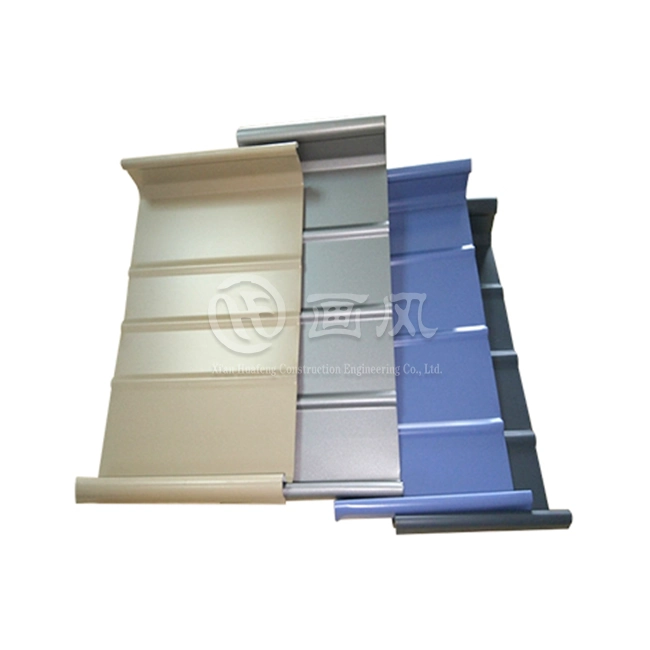
While looking for roofing options for home projects, snap lock metal roof panels stand out as a stylish option that combines good looks with useful functionality. These hidden fastener systems use a special male-female leg arrangement that snaps together vertically. This gets rid of the unsightly look of visible screws and makes the system waterproof better. Unlike mechanically seamed options that need special crimping tools, these panels are easy to install using a simple interlocking mechanism. This cuts down on labor costs by about 30% without affecting the panels' structural integrity or weather resistance, which is especially useful for developers who are trying to meet tight construction schedules.

Understanding Snap Lock Metal Roof Panels
One big difference between these roofing systems and standard through-fastened or standing seam choices is that these systems can mechanically lock together. This difference is very important for procurement professionals who are looking at materials for home roofs.
How the Locking Mechanism Works
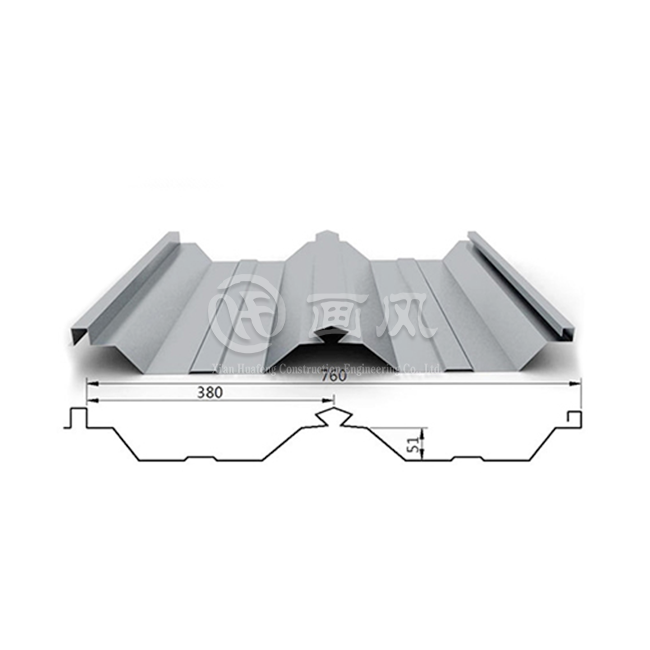
The legs of the snap-together profile are carefully designed to shrink vertically to make a strong link. This design lets the metal panels move easily on top of the substrate, so they can expand and contract with the temperature without creating stress points. The hidden clip system is attached to the top of the roof, and the panels slide over these clips and lock in place. Having this moving device stops the fastener back-out issues that are common when temperatures change, especially in places where seasonal changes are strong.
Material Composition and Specifications
Professional-grade panels are made from a variety of substrates, each of which has its own performance benefits. Different types of aluminum alloys are very resistant to rust and light, which makes them perfect for seaside areas where salt spray speeds up metal breakdown. Steel supports, which are usually between 0.4 mm and 1.2 mm thick, are the best value for money when it comes to strength, and they work well in places where snow is heavy. At HF, we can make things out of aluminum alloy, coated steel (AZ150 and G550), stainless steel, copper, titanium, zinc, and stainless steel. Surface treatments include PVDF and PE coatings that protect against UV damage. PVDF formulas meet strict ASTM D4214 standards for long-term resistance to chalking and fading.
Technical Performance Standards
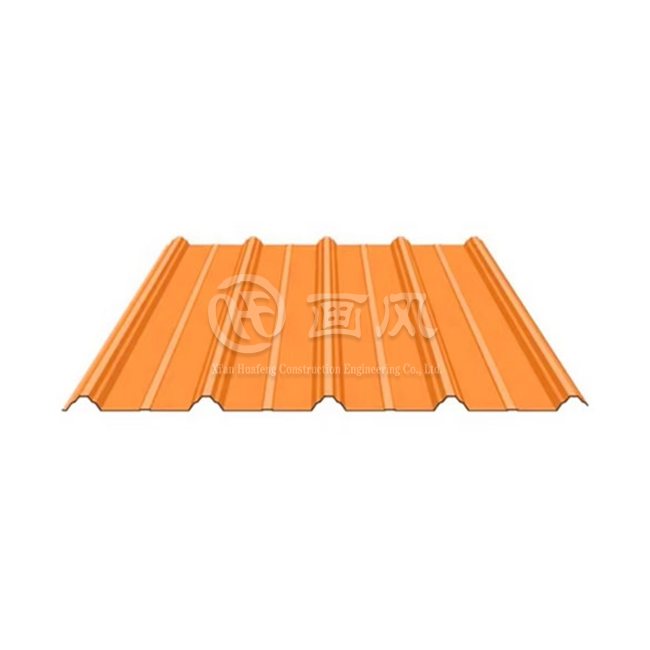
Quality manufacturing methods make sure that products meet many foreign standards, such as those set by ASTM, DIN, JIS, BS, and GB/T. The 45mm panel height makes the structure stiffer and adds visual depth by making shadow lines. This profile size works well on slopes that meet the minimum 3:12 standard because the hydrokinetic design moves water away quickly. Class A non-combustible classification is what most fire ratings aim for. This has a direct effect on insurance rates and building code compliance for domestic projects.
Key Benefits of Snap Lock Metal Roof Panels for Residential Buildings
The value argument goes far beyond the original installation, including lifecycle factors that appeal to both cost-conscious builders and residents who care about quality.
Exceptional Durability and Weather Resistance
Metal roofing systems, including snap lock metal roof panels, naturally don't fail in the ways that organic materials do. The coats protect against UV rays, acid rain, and other air pollutants that break down asphalt roofs over time. UL 580 Class 90 standards are often met for wind lifting resistance, which makes sure that panels stay in place during bad weather. The anti-siphon groove built into the female leg makes a capillary break that stops water from getting in during wind-driven rain. This is an important feature for buildings in hurricane-prone areas or places where strong thunderstorms happen. These design features are built into our manufacturing process as normal, and our goods come with a full 30-year warranty to show that we're confident in their long-term performance.
Energy Efficiency Advantages
By reflecting sun energy away from buildings, reflective coating technologies cut cooling costs by a large amount. This thermal efficiency is in line with green building certifications and energy code standards that are becoming more popular in home building. When built correctly, the air gap between the panels and the roof deck adds to the insulation value. When figuring out the total cost of ownership, procurement managers should compare these practical savings to the higher original material costs, keeping in mind that energy savings add up over the life of the product.
Low Maintenance Requirements
Unlike materials that need to be replaced or maintained regularly, metal systems don't need much care after they are installed. Since there are no living parts, there are no worries about moss growth, rot, or bug damage. Regular checks and cleanings are usually enough to keep both the look and the function in good shape. This trait is especially useful in residential developments where homeowner associations' care funds limit long-term costs, or in rental homes where the owner's ability to make money depends on keeping recurring costs as low as possible.
Comparing Snap Lock Metal Roof Panels With Other Residential Roofing Options
Knowing what other options are out there helps buying teams make smart choices that fit the needs of the project and the budget.
Snap Lock Versus Mechanically Seamed Systems
Both methods give the appearance of hidden fasteners, but the way they are installed makes a big difference. To make mechanical seam panels, you need special tools that crimp the legs that are next to each other together. This makes a double-fold connection that is better at resisting wind uplift and is good for high exposure categories. This process, on the other hand, takes longer and needs skilled workers. The snap-together method gives up some ultimate lifting capacity in exchange for a much faster installation process. This makes it a cost-effective choice for domestic uses where building height and exposure don't require the highest performance standards.
Metal Panels Versus Traditional Shingles
Asphalt shingles are most popular in domestic markets because they are cheaper to install, but metal alternatives are often better in terms of lifetime costs. Shingles need to be replaced about every 15 to 20 years, but good metal systems can last much longer—often over 50 years. Metal's better resistance to wind and contact means fewer claims for storm damage. This is something that insurance companies are becoming more aware of by raising premiums. Another thing to think about is how the roof looks from the street. Modern architecture styles like the clean lines and modern look that metal roofing gives.
Material Selection: Aluminum Versus Steel
There are certain trade-offs that come with these material choices. Aluminum doesn't need any extra coatings to protect it from rust, so it's perfect for salty seaside environments where steel would require stronger galvanization. The lighter weight makes it easier to move during installation and lowers the load that needs to be put on the structure. Steel substrates have better tensile strength, which means that performance standards can be met with smaller gauges. This saves money on material costs. Our production choices include both materials and thicknesses ranging from 0.4 mm to 1.2 mm, which lets us tailor our services to each project's needs.
When making a material choice, you should think about how the structure will be loaded, the surroundings, and your budget. Contractors who work in places with a lot of humidity and salt air usually choose metal, even though it costs more, because they know that problems caused by corrosion cost more than the initial savings. Steel's good economics can be used in interior areas with lower rust risk without lowering performance standards.
Installation and Procurement Guide for Residential Snap Lock Metal Roof Panels
To complete a job successfully, you need to know both the best ways to put things together and how to buy things in a way that stays within your budget and time frame.
Critical Installation Considerations
The success of snap lock metal roof panels depends on how well the base is prepared. The roof deck needs to provide enough structural support with little bending, since too much movement can make the snap locks lose their grip. When choosing an underlayment, you should think about the local building rules and environment. In snowy areas, high-temperature ice and water shield goods are often required. Installers must keep the panels aligned consistently to make sure that the male legs fit fully into the female receivers. If the panels aren't aligned correctly, holes appear that make the system less weatherproof and less regular in appearance.
Procurement Strategy for B2B Buyers
Residential developments with a lot of units benefit from working with makers who can safely meet their volume needs. We can make more than 1,000 tons of goods every month across three plants with seven dedicated production lines. This gives us the size we need for projects that involve more than one building. Most homes need at least 500 square meters or one ton of roofs, which is the minimum order quantity. The arrival time of 15 to 20 days from order confirmation lets projects be planned without having to store too much material. Customization options, such as RAL color matching and a range of material choices, let architects make their designs stand out at different stages of development while still getting the benefits of source consolidation.
Evaluating Supplier Qualifications
Professional buyers should check that the manufacturer has the right certifications to back up its quality management systems. HF keeps their Grade 1 building curtain wall and Grade 3 steel structure qualifications up to date, showing that they are technically skilled in a wide range of combined building envelope uses. When a high-tech business is recognized, it means that it has put money into new ideas and improving processes, which leads to consistent product quality. Reference projects show what you can do. Our portfolio includes transportation hubs, business complexes, and government buildings where poor performance would put us at a very high risk of being sued.
Choosing the Best Snap Lock Metal Roof Panels: Criteria and Recommendations
To choose the best product for a home application, you have to balance a lot of different factors against the project's goals and limitations.
Durability Assessment Framework
Material and finishing choices should be based on how long the product is expected to last. Compared to polyester finishes, PVDF finishes keep their color better and don't chalk as easily, which is why they cost more for high-profile projects where look is important for decades. The thickness of the substrate affects both how well the structure works and how well it resists dents. Heavier sizes can handle hail better, but they cost more and put more stress on the structure. These choices are based on the climate: places with severe weather need stronger standards than mild places with average exposure.
Cost-Benefit Analysis Approach
The initial cost of materials is only one part of the total cost of the job. Often, the cost of work is higher than the cost of materials. This makes the snap lock metal roof panels system's quick rollout cost-effective, even though panels may cost more than through-fastened options. Lifecycle factors like how often upkeep needs to be done, how well the system uses energy, and when it needs to be replaced all strongly favor quality metal systems in the long run. Warranty terms protect you financially if something breaks down too soon. For example, our 30-year coverage shows that we're confident in our products and lowers the risk for building owners.
Architectural Integration Factors
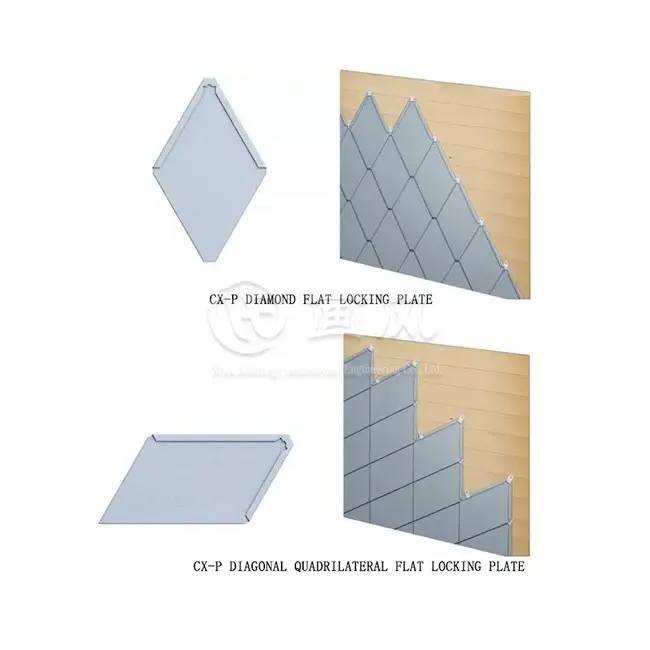
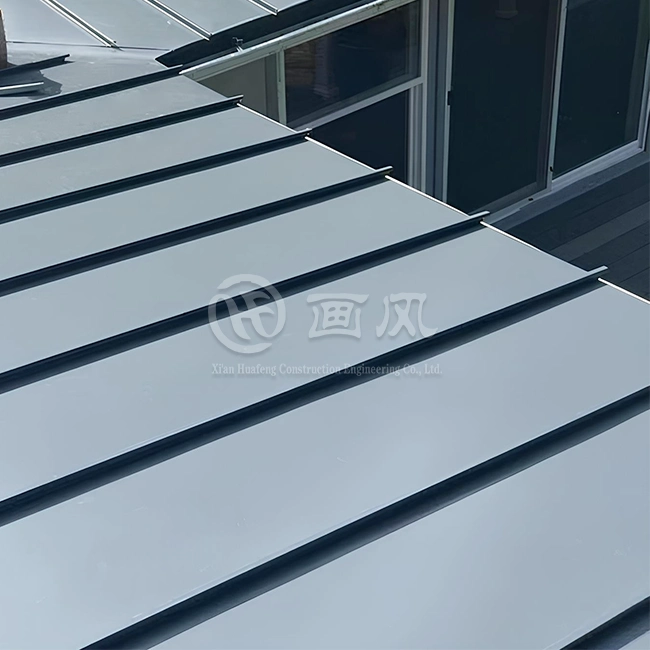
Panel profile height, rib spacing, and color choice all have a big effect on how something looks. When it comes to modern home designs, metal roofing is often a big part of the architecture, not just a useful part. This makes aesthetics more important. The 45mm panel height gives you modest shadow lines that look good with modern styles without making the house look too small. Custom color options let you match the siding, trim, and accent pieces on the outside, making design themes that flow together. Architects should be brought in early by procurement teams to make sure that technical specifications are in line with the design purpose. This will help avoid expensive change orders during building.
Conclusion
To choose the best roofing system for a home, you need to carefully think about how it will work, how it will look, and how much it will cost over its lifetime. These snap lock metal roof panels are great for makers who care about quality and longevity because they don't show any fasteners and can handle thermal movement. They are also resistant to the weather. The ability to work with different types of materials, like aluminum, steel, and custom substrates, lets you make the best solution for each job, taking into account different weather conditions and building conditions. If you buy these roofing materials from companies with a track record of success, the right certifications, and complete quality systems, you can be sure that they will last for a long time and work well. This will make your investment worthwhile because they will require less upkeep, use less energy, and last longer.
FAQ
1. What maintenance do these roofing systems require?
Compared to natural options, metal roofing systems don't need as much maintenance. Visual checks once a year to make sure fasteners are tight, sealants are in good shape at penetrations, and garbage isn't building up in valleys are usually enough. Cleaning with a light soap once in a while gets rid of surface dirt and grime, keeping the look and stopping corrosive buildup. Because there aren't any visible fasteners in the roof field, there isn't a typical maintenance issue. This is because weather damage to washers and connections over time doesn't affect hidden clips.
2. How do costs compare with traditional materials?
Initial costs for materials and construction are usually 40–60% higher for metal systems than for asphalt shingles, but lifetime research usually favors metal systems. The 50+ year service life compared to 15-20 years for shingles means that at least one full repair cycle is avoided, which saves money on labor, disposal, and disturbance costs. Energy savings from surfaces that reflect light and lower insurance rates for better wind and fire resistance are long-term financial benefits that build up over the life of the property.
3. Can panels be customized for specific project needs?
A wide range of building needs can be met by full customization options. You can choose from standard RAL colors as well as custom formulas that match specific design themes. The length of each panel can be adjusted to fit different roof sizes up to the limits of shipping, which cuts down on field joints. Different types of substrates and thicknesses are used to get the best performance-to-cost ratios for different types of exposure and structure needs.
Partner With HF for Your Metal Roofing Projects
Xi'an Huafeng Construction Engineering Co., Ltd. has a wide range of skills that can be used to buy metal roofs for homes. Our three factories, each with more than 40 specialized tools, are vertically linked, so the quality is always the same from coating the raw materials to making the final panels. We have been a seller of snap lock metal roof panels for a long time and have the certifications that meet ASTM, DIN, JIS, BS, and GB/T standards. This gives professional contractors the quality guarantee they need. With a monthly production capacity of 1,000 tons, a minimum order size of 500 square meters, and shipping times of 15 to 20 days, the company can meet project deadlines without having to store too much inventory. Our technical team works with specifiers to make sure that the best materials are chosen for each job. We stand behind our choices with a 30-year promise that shows we are confident in our making. Email our experts at huafeng@hfmetalroof.com to talk about your residential roofing needs and get full quotes that are specific to your job.
References
1. Smith, J. and Williams, R. (2021). "Comparative Analysis of Concealed Fastener Metal Roofing Systems for Residential Applications." Journal of Building Envelope Design, 15(3), 112-128.
2. National Roofing Contractors Association (2022). "Metal Roofing Installation Guidelines and Best Practices." NRCA Technical Manual, Fourth Edition.
3. Thompson, L. (2020). "Lifecycle Cost Assessment of Residential Roofing Materials: A 50-Year Analysis." Building Economics Quarterly, 28(2), 45-67.
4. American Society for Testing and Materials (2023). "ASTM E1592: Standard Test Method for Structural Performance of Sheet Metal Roof and Siding Systems by Uniform Static Air Pressure Difference." ASTM Standards Collection.
5. Green Building Council (2021). "Energy Performance Characteristics of Reflective Metal Roofing Systems in Residential Construction." Sustainable Building Research, 12(4), 203-219.
6. Martinez, C. and (2022). "Corrosion Resistance Comparison of Aluminum and Coated Steel Roofing Substrates in Coastal Environments." Materials Performance Journal, 37(1), 88-104.





YOU MAY LIKE