Snap Lock Metal Roof Panels: The Complete Guide
2026-06-30 17:27:20
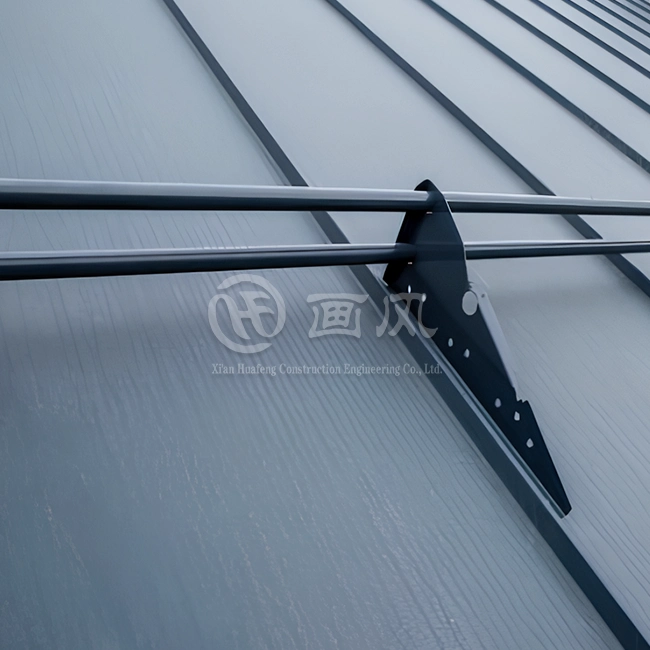
When builders and developers choose roofing systems for medium- to large-sized public and private infrastructure projects, they need options that are good-looking, easy to install, and last a long time. Through their unique male-female interlocking design, which hides any unsightly fixings and allows for thermal movement, snap lock metal roof panels provide exactly this mix. This standing seam system uses hidden clips or built-in flanges to let panels expand and contract without damaging the fasteners. This is a big benefit in places like transportation hubs, convention centers, and commercial complexes where the integrity of the roof directly affects project timelines and lifecycle costs. These panels are made from aluminum alloy, galvanized steel, stainless steel, copper, and titanium zinc, among other materials. They meet a wide range of performance requirements, from Class A fire ratings to coastal corrosion resistance. This makes them the first choice for value-conscious procurement teams in charge of large-scale infrastructure projects that are paid for by the government.

Understanding Snap Lock Metal Roof Panels
What Makes Snap Lock Systems Unique
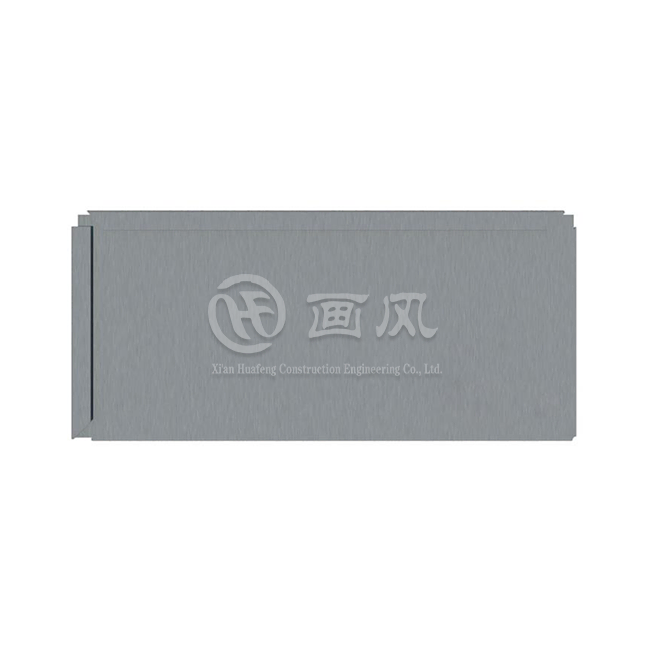
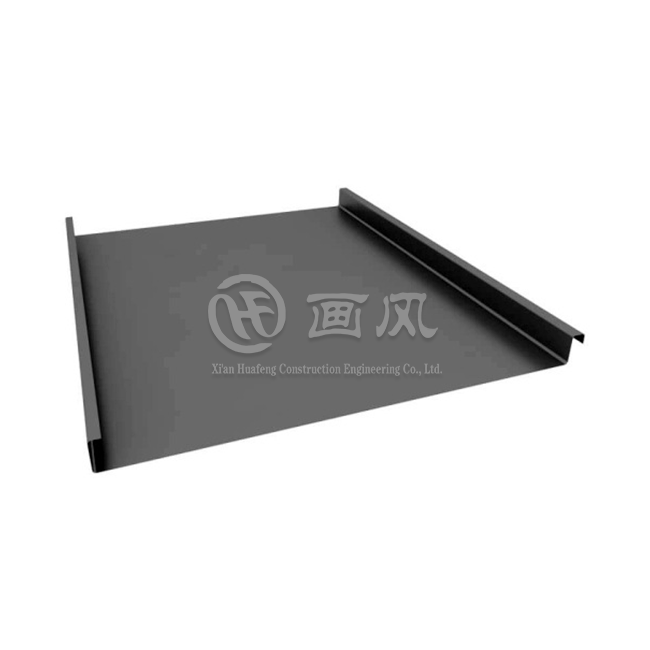
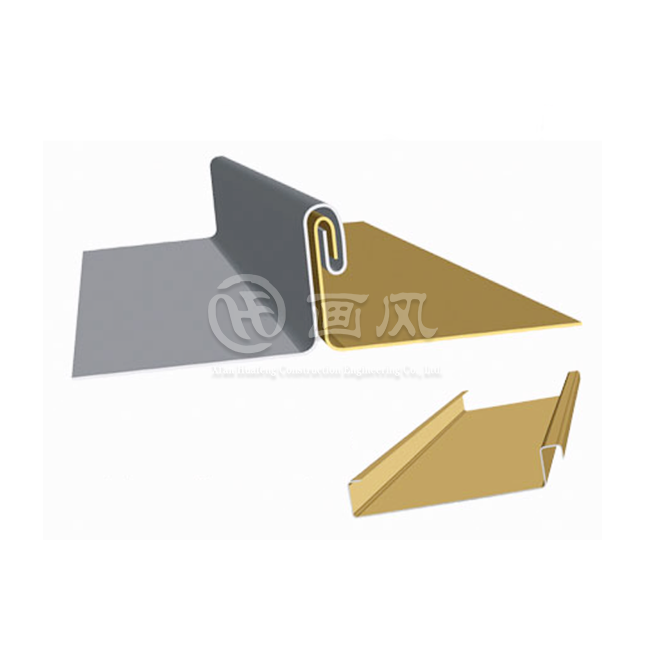
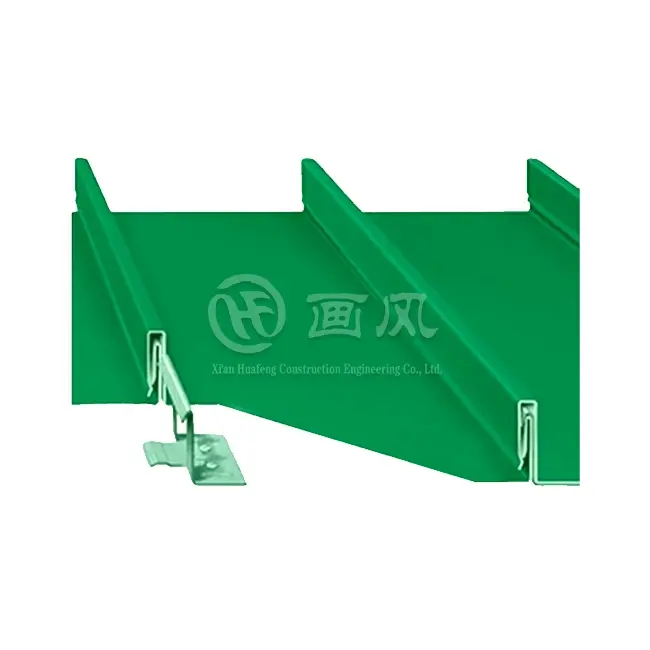
This roofing technology is based on vertical compression contact between the legs of the panels. Unlike mechanically seamed standing seam systems that need special crimping tools, the snap lock metal roof panels' profile makes weathertight connections by using exact manufacturing specs (usually within ±1/32 inch) that allow for an audible "click" during installation. This hidden fastener design fixes thermal shock, the pattern of expanding and contracting that makes screws free and holes in through-fastened panels get longer. When the slope is 3:12 or higher, the hydrokinetic design effectively sheds water, and anti-siphon lines built into the female legs stop capillary breaks that let wind-driven rain in.
Material Options and Performance Characteristics
We make panels out of high-tensile materials that are best for certain environmental problems. Our aluminum alloy options (0.032" to 0.040" thickness) don't rust in coastal projects, and our galvanized steel choices (G550, AZ150 coats) have great strength-to-weight ratios for large roof areas. Architects can choose from stainless steel and copper for projects that need to look great and last for generations. The thickness of a panel can be anywhere from 0.4mm to 1.2mm, but for business use, 0.5mm to 0.7mm is most usual. Our 45mm seam height gives structures strength and creates unique shadow lines that make building surfaces look better.
Surface treatments have a big effect on how long something lasts. PVDF coatings, like Kynar 500®, are very good at blocking UV rays and keeping their color. They meet ASTM D4214 standards for not chalking or fading over decades of contact. PE polyester finishes are a cheap way to protect commercial buildings that don't have to meet strict design standards. Custom color matching to RAL standards makes sure that business complexes and public buildings fit in perfectly with the architectural design purpose.
Energy Efficiency and Sustainability Benefits
Because they reflect sunlight, metal roofing systems make buildings more energy efficient in a measurable way. Light-colored PVDF finishes can block up to 70% of the sun's heat, which makes offices and shipping centers cooler. The air gap that clip-mounted panels make adds to the temperature difference between the roof decks and the panels, making the insulation work better. Material recyclability meets the needs of LEED certification. Our metal and steel substrates are made with recovered materials and can still be recycled in full after they've been used. This helps meet sustainability standards in government-funded projects.
Lifecycle costs are lower when upkeep needs are low. Unlike asphalt shingles, which need to be replaced every 15 to 20 years, metal panels that are put correctly last for 30 years or more with little maintenance. This durability is especially helpful for public buildings and transportation hubs, where accessing the roof causes problems and costs a lot of money.
Comparing Snap Lock Metal Roof Panels with Other Roofing Options
Snap Lock Versus Mechanically Seamed Standing Seam
To crimp panel seams on-site, trained workers and special roll-forming tools are needed for mechanically seamed systems. This adds to the cost of labor and makes installation more weather-dependent. Our snap lock metal roof panels design cuts installation time by about 30%, which is very important for business real estate developments because it speeds up project plans. Both systems offer hidden closures and the ability to adjust to changes in temperature, but snap lock designs remove the chance of incorrect seam crimping, which can weaken weather resistance. This installation efficiency directly leads to lower costs and earlier major finish dates for general contractors who are responsible for handling tight construction schedules across multiple building phases.
Advantages Over Screw-Down Metal Panels
Through-fastened panels have tens of thousands of entry places where neoprene washers break down over time, making ways for water to leak through. Each fastener shows a possible failure mode, such as washer tension, UV damage, or thermal cycles. Snap lock systems completely remove this weakness by focusing on weather sealing at the interlocking seams, where factory-controlled limits guarantee consistency. The difference in how they look is also very important. Snap lock designs have a clean, modern look that works well in high-design business buildings, while exposed fastener systems have an industrial look that works better in farming or light industrial settings.
Structural Load Considerations
Panel weight has a direct effect on the amount of structural steel needed and the loads on the base. Our snap-lock metal roof panels weigh about 0.5 to 0.7 pounds per square foot, while concrete tiles or slate weigh about 1.5 to 2.5 pounds per square foot. This lower weight makes it possible to make more cost-effective structural designs. This is especially helpful when adding on to existing buildings or making long-span roof systems for airport hubs and meeting centers. Less heavy materials also mean cheaper shipping for projects that need to go across regional or international borders. This is why we've been able to send to over 100 countries in the past.
Installation Guide for Snap Lock Metal Roof Panels
Pre-Installation Planning and Site Assessment
Accurate measures of the roof and the substrate are the first steps to a successful fitting. We suggest that you involve our technical team in the planning step to help you choose the right snap lock metal roof panels lengths (usually 12 meters is the maximum to allow for transportation) and make sure that the substrates will work together. The roof deck needs to be strong enough to hold the rafters in place, with at least 22-gauge steel decking or 5/8-inch plywood sheathing over them. Knowing how long it takes to get materials, which is usually 15 to 20 days after an order is confirmed, keeps the job on schedule and lets the building trades work together.
Panel Installation Process
Installers start by drawing chalk lines to make sure the panels are lined up correctly across the roof. The panels then float on top of the substrate thanks to concealed clips that are attached to the roof decking at set intervals, usually 12 to 18 inches on center. To connect the panels, align the male leg with the female receiver and press down until you hear a snap. This mechanical connection doesn't need any sealants or extra fasteners along the seam. The clips' design allows for thermal expansion, which stops the oil-canning distortion that happens with rigidly fastened systems. Finally, make sure the ends of the panels overlap and seal the joints with butyl tape or a compatible sealant.
Quality Control and Safety Protocols
When installing during bad weather, both worker safety and system performance are at risk. We set minimum temperature limits—usually above 40°F—to make sure sealant sticks and keeps metal from becoming brittle. Fall protection systems are required on roof slopes higher than 4:12, with anchor points separate from newly installed panels. After installation, the focus is on checking the consistency of seam engagement, the security of clip attachment, and the integration of flashing at penetrations and roof edges. Keeping good records, such as photos and as-built drawings, helps with warranty claims and planning future maintenance.
Procurement and Buying Guide for Snap Lock Metal Roof Panels
Selecting Qualified Manufacturers and Suppliers
When big projects need to be bought, they need to be able to prove they have the production capacity and quality standards to do so. Our facilities have three factories with seven dedicated production lines and over 40 specialized machines that can support a supply capacity of 1,000 tons per month, which is enough to work on multiple commercial projects at the same time. Our Grade 1 building curtain wall and Grade 3 steel structure certifications show that we are technically competent in complex facade systems, and our high-tech enterprise designation shows that we are continuously investing in manufacturing technology and quality systems.
International standards like ASTM, DIN, JIS, BS, and GB/T make sure that products can be used in all markets around the world. For example, ASTM A792 sets the weights of Galvalume coatings, and ASTM E1592 tests the structural performance of snap lock metal roof panels assemblies. Third-party verification of wind uplift resistance (UL 580 Class 90) and water penetration resistance (ASTM E1646) gives engineers the proof they need for permits and insurance companies.
Cost Drivers and Budgeting Considerations
Choosing the right materials has a big effect on how much a project costs. For example, aluminum panels usually cost more than galvanized steel panels because they don't rust in coastal areas and look better in high-visibility places. Other factors that affect costs include panel thickness, coating type, and custom color formulations. Knowing these factors lets you find the best deal without sacrificing performance. Our minimum order quantity of 500 square meters or 1 ton works for medium-sized projects while keeping production costs low.
Bulk order discounts are given for larger commitments, like those found in commercial complexes or industrial parks with multiple buildings. To get the best deals on materials, volume pricing should take into account the whole project, including possible future phases. Custom fabrication options, like non-standard panel lengths or specialized flashing profiles, may make lead times longer but ensure precise fit-up, which lowers the cost of making changes in the field.
Logistics and Global Delivery
We use protective film, corner guards, and custom crating to keep panels safe during shipping across oceans and to the job site. Knowing the terms FOB, CIF, and DDP makes it clear who is responsible for freight costs and import duties, which is important for making accurate budget projections. Our experience exporting to over 100 countries gives us the logistics knowledge to handle customs rules, documentation needs, and coordinating transportation from the port to the project. Delivery dates of 15 to 20 days from production completion support construction schedules, especially when coordinated with building enclosure or structural steel erection milestones.
Advantages and Challenges of Using Snap Lock Metal Roof Panels
Key Performance Advantages
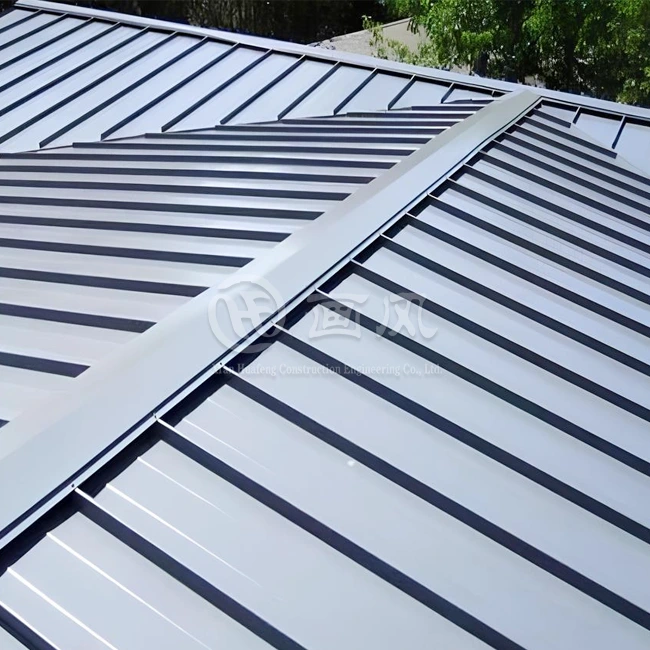
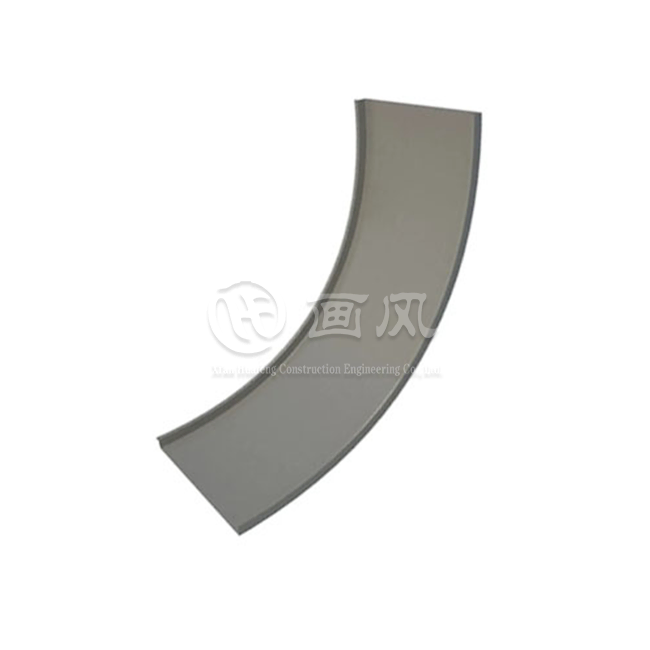
The hidden fastener design has benefits that go beyond just looking good. For example, compared to mechanically seamed systems, it cuts labor costs by 25–35%, which directly improves project ROI. This is especially helpful in places where skilled labor is expensive. Additionally, the weathertight integrity lowers callback risk and warranty claims, which protects contractors' reputations and profit margins. The design flexibility allows for complex roof geometries like valleys, hips, and dormers, which means it can be used for more than just simple gable or shed roofs.
Material choice and assembly design determine how long something will last in harsh environments like high wind zones, heavy snow regions, and coastal salt exposure. Our 30-year warranty shows confidence in long-term performance, which is a lot longer than the coverage periods for asphalt shingles or single-ply membranes. Low maintenance requirements keep buildings looking good and working properly without recurring costs. This is especially helpful for public buildings and transportation infrastructure, where putting off maintenance causes operational disruptions.
Addressing Implementation Challenges
The initial costs of materials are higher than those of traditional roofing options, so a lifecycle cost analysis is needed to show that the project is worth it. Projects with hold periods of 20 years or more save a lot of money because they don't have to pay for re-roofing or maintenance as often. Thermal performance also lowers HVAC loads in conditioned spaces, which can be measured through energy modeling during the design phase. These factors help get procurement approval from CFOs and project finance teams that are looking at the total cost of ownership.
Proper installation training makes sure that field crews do a good job. We offer technical support through installation manuals, jobsite visits, and contractor certification programs that cover regional construction practices. Timing panel deliveries with construction schedules keeps materials from getting damaged from being stored on the job site for too long or being exposed to the weather. Setting up clear communication channels—technical questions should be sent to huafeng@hfmetalroof.com—resolves field issues quickly, keeping the snap lock metal roof panels project moving forward.
Conclusion
Snap lock metal roof panels represent the optimal convergence of installation efficiency, lifecycle performance, and architectural versatility for commercial, industrial, and public infrastructure projects. The concealed fastener design eliminates weather vulnerabilities inherent in through-fastened systems while accelerating construction schedules critical to project profitability. Material diversity—from corrosion-resistant aluminum to high-strength steel—addresses site-specific environmental challenges, while PVDF coatings ensure decades of color retention and weather protection. Our manufacturing capacity, international certifications, and 30-year warranty provide the technical foundation and procurement confidence demanded by general contractors, developers, and government agencies managing complex building programs. Understanding the installation requirements, cost drivers, and performance characteristics outlined in this guide enables informed specification decisions that align system capabilities with project requirements.
FAQ
1. Are snap-lock panels suitable for residential applications?
Yes, these systems work great for residential projects that need high-quality looks and long-lasting durability. For example, modern architectural homes have clean seam lines and can be customized in color. The concealed fastener design hides the exposed screw pattern that is common in agricultural panels, giving the home a more upscale look. Homeowners also like the 30-year warranty and low maintenance needs, especially in areas that get a lot of bad weather.
2. What are typical installation timelines?
Depending on the complexity of the roof and the experience of the crew, installation speed can vary. A trained three-person crew can usually cover 1,500 to 2,500 square feet per day. Simple gable roofs go faster than complex geometries with multiple penetrations and valleys. The snap engagement eliminates mechanical seaming time, which greatly speeds up progress compared to traditional standing seam systems. Material availability—our standard 15-20 day lead time—is often the most important factor in project scheduling.
3. What maintenance practices ensure system longevity?
Every year, checks are made on seam integrity, flashing conditions, and panel surfaces to find small problems before they get worse. Clear out debris from valleys and roof-to-wall transitions that trap water. Replace fastener heads if the coatings on the outside start to wear off, but panel coatings usually last longer than exposed fastener parts. Coastal installations benefit from regular freshwater rinsing to get rid of salt buildup. These small actions keep the look and function of the roof for more than 30 years.
Partner with HF for Your Next Roofing Project
Specifying the right snap lock metal roof panels supplier influences project outcomes from budget accuracy through decades of building operation. HF's manufacturing infrastructure—three factories, seven production lines, over 40 specialized machines—delivers consistent quality at the scale demanded by commercial complexes, transportation hubs, and public buildings. Our Grade 1 curtain wall and Grade 3 steel structure certifications validate technical expertise in complex building envelope systems. Material versatility spanning aluminum alloy, steel, stainless steel, copper, and titanium zinc ensures optimal solutions for coastal, industrial, or high-design applications. Technical support throughout procurement, design coordination, and installation—backed by our 30-year warranty—provides the partnership continuity essential to successful project delivery. Contact our procurement specialists at huafeng@hfmetalroof.com to discuss your specific requirements, receive detailed technical specifications, and obtain volume pricing for your upcoming developments. Our experience exporting to over 100 countries positions us as your reliable metal roofing manufacturer for domestic and international projects requiring uncompromising quality and delivery performance.
References
1. American Society for Testing and Materials. (2020). ASTM A792: Standard Specification for Steel Sheet, 55% Aluminum-Zinc Alloy-Coated by the Hot-Dip Process. West Conshohocken: ASTM International.
2. Metal Construction Association. (2019). Technical Bulletin: Standing Seam Roof Systems - Design, Installation and Performance. Glenview: Metal Construction Association.
3. National Roofing Contractors Association. (2021). The NRCA Roofing Manual: Metal Panel and SPF Roof Systems. Rosemont: NRCA Publications.
4. Underwriters Laboratories. (2018). UL 580: Standard for Tests for Uplift Resistance of Roof Assemblies. Northbrook: Underwriters Laboratories Inc.
5. Whole Building Design Guide. (2022). Metal Roofing Systems: Design Considerations and Performance Criteria. Washington: National Institute of Building Sciences.
6. Zinc, Copper and Brass Research Association. (2017). Metal Roofing Design Guide: Materials, Applications and Installation Practices. Durham: ZCBRA Technical Publications.





YOU MAY LIKE
_1781690542318.jpg "Self-adhesive waterproof membrane")