How to find durable double lock seam roof panels for harsh weather
2026-07-01 18:43:50
It's not enough to just buy panels when looking for the right roofing option for harsh conditions; you need to invest in long-term structural stability as well. If you want long-lasting double lock seam roof panels, look for companies that offer complete weather protection through advanced seam technology, high-quality material makeup, and performance that has been tested in tough conditions. The double lock seam system lets you fold it in any direction, creating a barrier that keeps water out. This makes it especially good for heavy rain, wind uplift, and high temperatures. Give more weight to sellers who have ISO certifications, a lot of customization options, and guarantees that back up what they say about how long their products will last. This way of doing things makes sure that you're not just getting panels, but also decades of solid protection.

Understanding the Challenges of Roofing in Harsh Weather
Roofs are continually stressed in poor weather, weakening even the toughest structures. Heavy rain tests every seam and fastening, and powerful gusts may pull panels off their bases. Snow adds dead weight that many typical systems can't manage, and temperature variations cause materials to expand and contract, wearing them down over time.
Traditional roofing choices frequently fail because they employ visible fasteners that allow water in. Although simple to put up, snap-lock systems are not powerful enough for windy places. Corrugated sheets can manage runoff, but strong rains cause leaks where the sheets connect. These constraints create premature repairs, unexpected maintenance expenditures, and internal structural damage.
Why Mechanical Seaming Matters
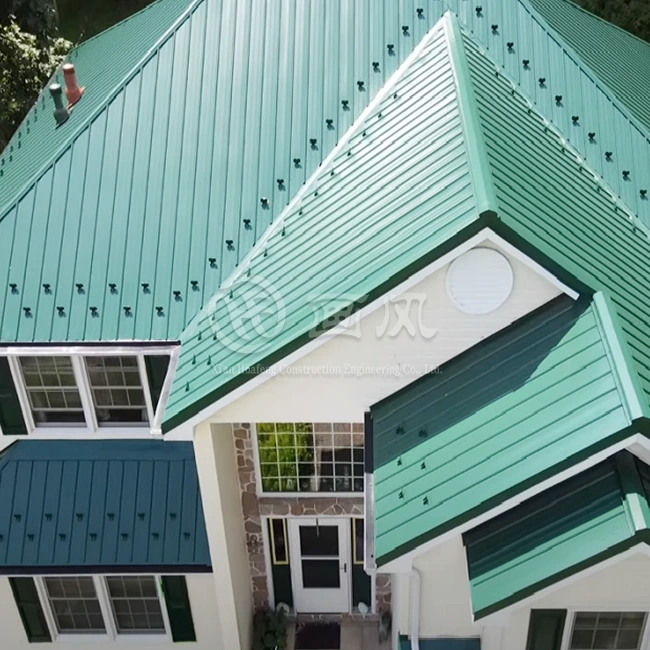
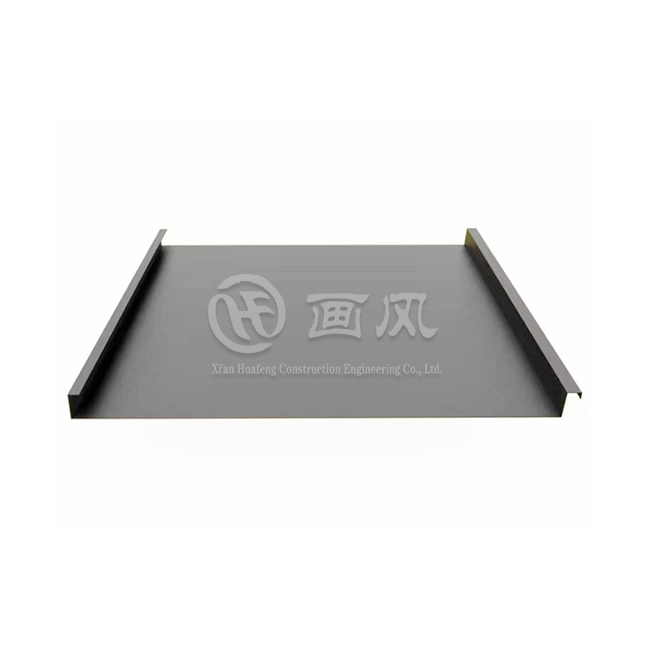
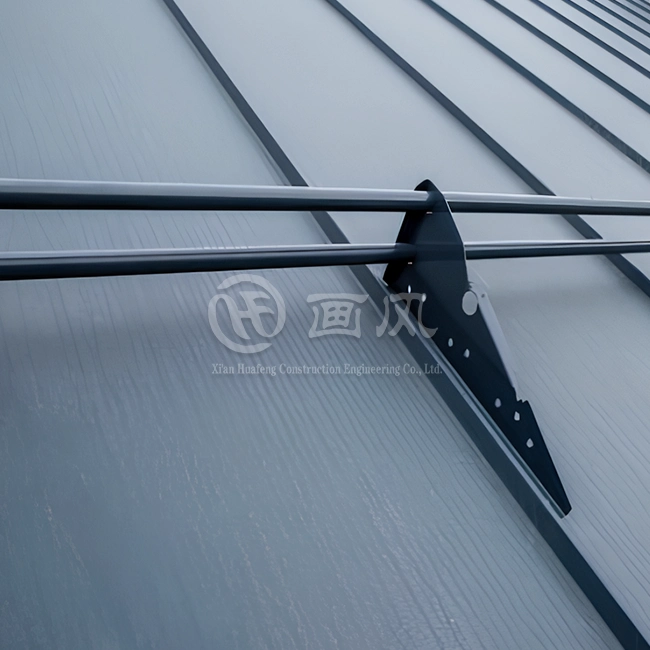
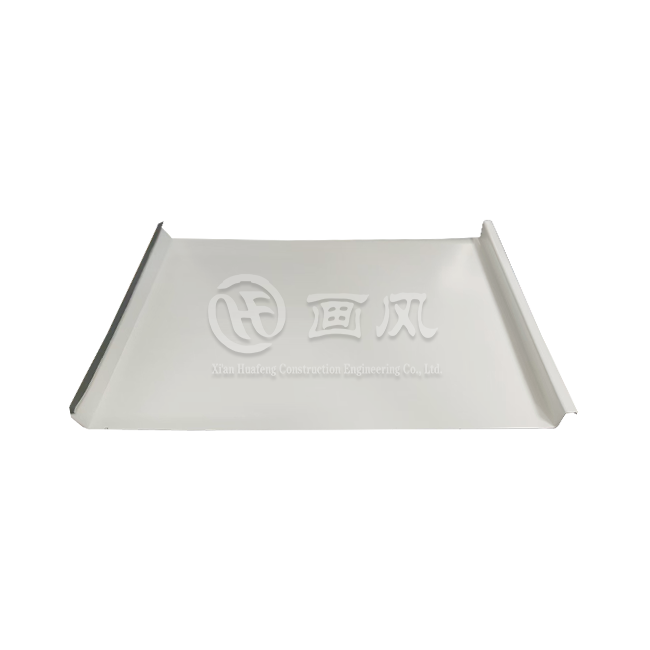
Mechanically seamed roofing employs concealed fastening to overcome these limitations. Double lock seam roof panels have a higher profile when two panels connect via a 360-degree fold, unlike open screw-down panels. The cloth resists wind-driven rain due to its entire fold, which blocks capillary activity.
This approach allows metal roofing systems to function with 1.5-degree slopes, significantly flatter than usual. While remaining watertight, this versatility affords architects additional alternatives. Secret clips beneath the seam allow the material to shift with the temperature without stressing the fasteners. Screw-down installations typically back out, but this prevents this.
Material Degradation in Extreme Climates
Corrosion is another major issue, particularly along the shore or in polluted industrial areas. Standard coated steel without the correct coating may rust in a few years, particularly where cut or fastened. UV radiation causes paint finishes to chalk and fade, weakening the shield. Hail may puncture soft surfaces, creating low places where water collects and promotes corrosion.
Purchasing specialists can better grasp why starting material investment is vital when they know these challenges. Panels with PVDF coatings, the correct gauge thickness, and corrosion-resistant supports effect lifecycle costs. When you need repairs every 10 years instead of decades, inexpensive materials soon lose their savings.
Key Durability Factors to Consider in Double Lock Seam Roof Panels
The first step to long-lasting panels is choosing the correct materials. Aluminum alloys like AA3004, which includes magnesium and manganese, resist corrosion and form well. Galvanized steel is stronger and cheaper than other steels, but it requires effective rust protection. Stainless steel is the most durable material, but it is costly and should only be used for projects with long-term advantages.
Thickness affects structural performance and dent resistance. Panel thicknesses (0.6mm–1.2mm) vary by activity. Thinner gauges are preferable for low-maintenance roofs, while thicker profiles can support foot traffic and equipment installations. The loading and mobility demands of any project must be considered while choosing the proper weight, cost, and performance.
Surface Treatment Technologies
Coatings preserve and beautify metal bases. PVDF (polyvinylidene fluoride) coatings withstand UV rays and retain their color for over 30 years. These coatings fulfill AAMA 2605 quick weathering criteria after extensive testing. Polyester (PE) jackets provide adequate protection at a reasonable cost, making them ideal for projects with limited budgets and minimal performance needs.
How the coating is applied is as crucial as the chemicals. Field-applied paints cause gaps, whereas coil painting ensures equal coverage and drying. Multi-layer systems with a primer, color coat, and clear topcoat provide higher security since each layer protects and beautifies.
Seam Design and Joint Integrity
Motorized locks in both directions distinguish premium roofing systems from simple ones. The inner fold protects against weather even if the outside fold has a minor hole. Factory workers inject hot-melt butyl sealant into the female leg. This prevents capillary water entry via double lock seam roof panels.
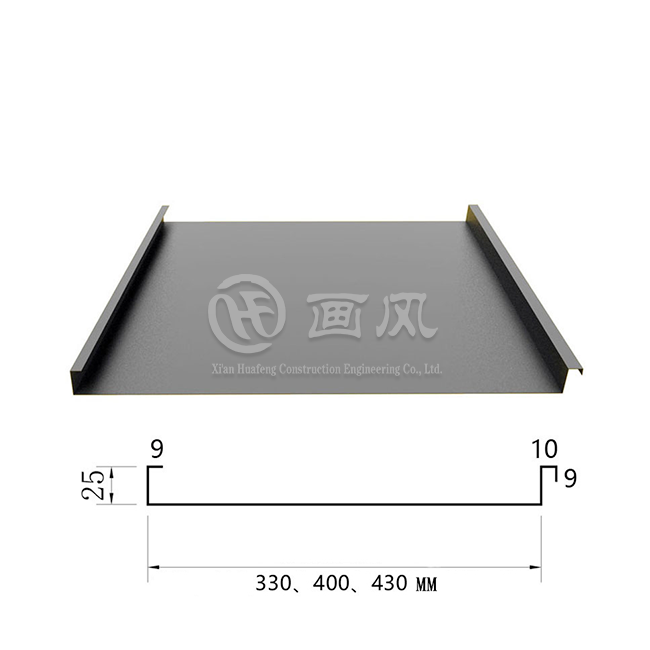
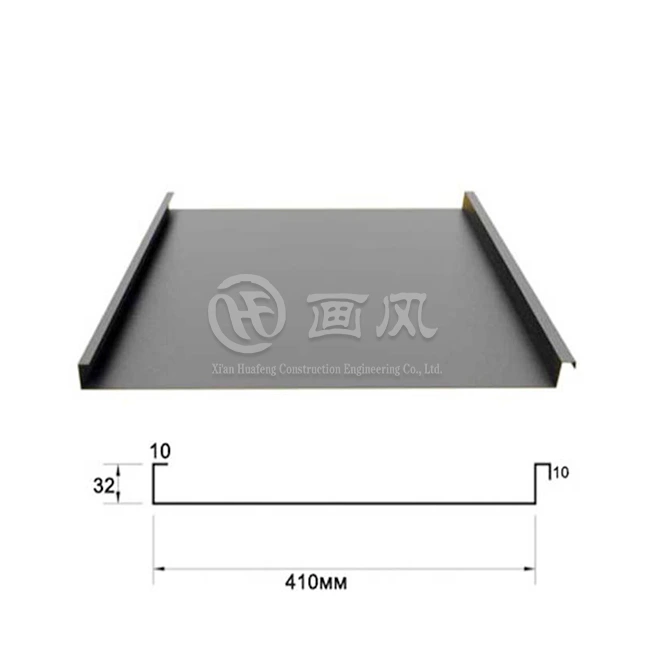
The structure's span and water flow depend on rib height. Standard sizes are 25mm–65mm. Taller objects move water more and make the hole seem deeper. Lower forms may work well in moderate weather since they save money on materials, while taller ribs may manage greater volume in rainy locations.
Panel width impacts installation speed and seams. Coverage widths are normally 400mm to 600mm. Panels with larger roof areas need fewer gaps. By reducing seams, labor costs and leak points are reduced. Larger panels are difficult to handle. Size and expertise of the crew determine how fast and easily something may be installed.
Thermal Performance and Energy Efficiency
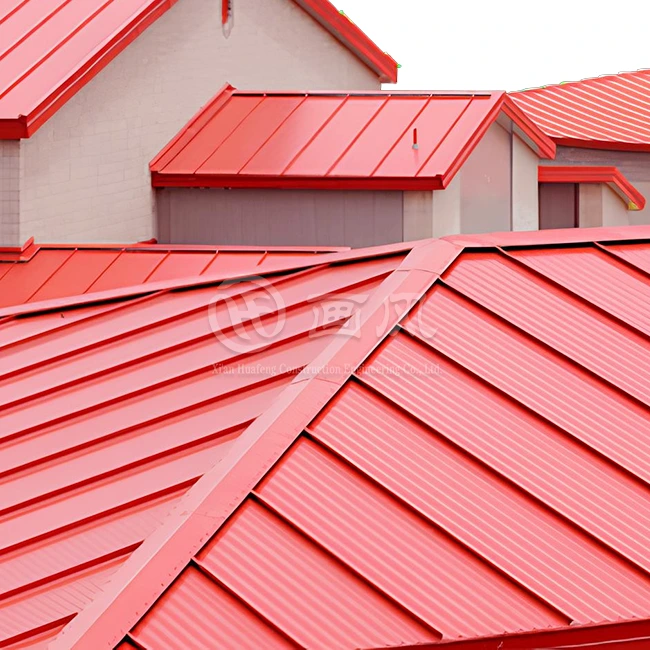
Reflective coatings reduce heat transfer, reducing cooling in conditioned spaces below. Light-colored finishes with strong sun reflection values may chill the roof by 30 to 50°F, saving energy expenses. This performance meets LEED certification criteria and promotes sustainable construction, which many company developers value.
Insulation options boost heat efficiency beyond the screen. Continuous insulation above the structural deck eliminates thermal bridging across frame members, making systems energy-efficient. Some manufacturers bind insulation to laminated panels at the factory. This simplifies positioning and ensures thermal performance.
Comparison: Double Lock Seam Roof Panels vs. Other Roofing Solutions
Comparing roofing systems requires understanding how they work in the same conditions. Snap-lock panels may be placed faster without automatic seamers. Manually click panels. The snap link employs strain instead than mechanical folding, which might unravel in strong winds. Snap-lock roof panels work well in mild temperatures and steeper slopes but are less watertight than double-lock seam roof panels.
Corrugated metal roofs are cheapest. Their panels overlap and have visible rivets. Overlapping and sealing fasteners are the only ways to manage water. UV radiation and temperature cycling damage fastener nuts, causing frequent leaks. Open fasteners stop thermal movement, generating oil canning and stress. Due to economy, corrugated sheets may be used in industry and farming if look and durability are less important.
Traditional clay, concrete, or composite roof tiles are heavy yet durable. Even though metal plates weigh 1-2 pounds per square foot, structural systems must withstand 8–12 pounds. This weight difference shapes the foundation and limits its use in stabilizing older constructions. Floor sealing is needed before laying tiles. Non-waterproof tiles overlap and lose water via gravity. Installation costs are higher since each component is installed separately.
Performance Under Extreme Conditions
Wind lifting resistance testing show method differences. Since ASTM E1592 scores surpass 300 psf, hurricane-prone coastal areas may use mechanically seamed roofing. Snap-lock systems work well in low-wind areas with rates between 90 and 180 psf. Only spaced fasteners and a linked base work with screw-down panels. Fitting quality affects panel performance.
Water resistance also varies greatly. The entire fold of mechanical seaming with built-in sealing keeps water out during ASTM E1646 long-term testing. If you walk on snap-lock panels and loosen the snap link or negative pressure elevates them, water may seep in. Gasket failure creates leak paths, exposing fastening systems.
Total Cost of Ownership Analysis
Because they need special equipment, manually seamed systems cost more, but lifespan analysis always recommends them. A well installed system lasts 40–50 years without repairs and is cheap to maintain. Snap-lock alternatives may need new panels or stronger seams every 20–30 years in harsh temperatures. Installing new fasteners every 10–15 years is costly for screw-down systems.
Budget effect goes beyond upkeep. Roof maintenance downtime costs the firm, damages tenant relations, and raises liability. Energy performance variables like heat efficiency and sunlight reflection raise operating costs over time. Quality of roofing system may effect insurance prices. Better wind shielding decreases storm-prone rates.
How to Source Durable Double Lock Seam Roof Panels (Procurement Guide)
Finding certified double lock seam roof panel manufacturers starts with certification. ISO 9001 quality management accreditation demonstrates that you have defined manufacturing procedures and are continually improving. ISO 14001 environmental management accreditation indicates your commitment to sustainable production, which is increasingly vital for green construction projects. Product-specific testing certifications like FM, UL, and Miami-Dade NOA support performance claims.
Assessing suppliers' manufacturing capabilities ensures they can fulfill project deadlines without sacrificing quality. Companies with several manufacturing lines and supplementary equipment may manage large orders without scheduling issues. Site excursions demonstrate tool quality, quality control, and labor expertise. Watching roll-forming, seaming, and finishing might teach you more than reading specs.
Customization Capabilities and Technical Support
Projects need product customizations beyond normal choices. Different manufacturers create different-length panels. Some employ mobile roll-forming to manufacture continuous panels longer than 100 meters, while others export pre-cut panels. Custom color matching lets the architect's vision come true, while RAL and Pantone give standard guidance. Full-service manufacturers provide specific forms for curved usage, tapered panels for drainage, and perforated options for noise suppression.
Technical support distinguishes excellent suppliers from exceptional partners. Help from experts with specifications, loads, and comprehensive models reduces design risks and prevents costly field errors. Installation training informs contracting teams on the system's demands, notably for clips and seaming. Technical hotlines that are simple to contact swiftly resolve field queries, preventing installation delays from compromising the project timeline.
Evaluating Warranty Programs
Product warranty shows manufacturer confidence in its durability. Comprehensive programs distinguish material flaws, finish performance, and weathertightness. Material guarantees for substrate piercing for 30 years indicate coatings protect substrates. Quality finish guarantees that guarantee color retention and chalk protection for 25–30 years suggest exceptional coating.
Know what the warranty excludes to prevent surprises. Most programs need qualified workers and seam inspections and fastener tightening paperwork. Seashore areas may be restricted. Checkups and cleanups are necessary annually for coverage.
Delivery dependability affects cash flow and project timing. Manufacturer-confirmed orders take 15–20 days. Just-in-time distribution lowers on-site storage and accelerates development. Shipping containers, protective packing, and variable arrival times reduce damage and site congestion.
Installation Best Practices for Maximizing Durability
The correct approach to lay double lock seam roof panels begins before they arrive. How well the roof functions depends on substrate preparation. The panel manufacturer normally requires 1/4 inch flatness on the purlins or structural deck over 10 feet. Through a completed roof, larger changes may cause waviness (oil canning) and low places where water can gather. Verifying structural alignment using laser levels or string lines reveals issues for repair.
Clip spacing, fastener type, and force must be carefully considered before installation. Depending on wind load predictions, sliding clips at 600 mm to 1000 mm intervals enable heat to transfer while resisting lifting. Overtightening may prohibit panels from sliding or strip fastening threads, so use torque-limiting air tools. Undertightening leaves linkages vulnerable to wind lifting and panel noise.
Seaming Procedures and Quality Verification
Mechanical seaming is the most crucial fitting step since it influences weatherproofing. The panels must be aligned and snapped before the seaming machine can join them. The seaming machine folds the metal multiple times along the standing seam to create a 360-degree lock. Operation speed impacts seam quality. Rushing may not fold or shatter the metal, and going slowly won't improve outcomes.
Quality assurance includes visual and physical exams. No cracks, twists, or unformed folds should be present in a completed seam. Cutting sample seam cross-sections to verify folds and sealant is the only way to be sure. Field proof fitted panels without harming them using seam testers that assess mechanical separation resistance.
Common Installation Errors to Avoid
Panel alignment errors cause mounting issues as work progresses. If you start the first panel out of square, every row following it will widen the error, which might prevent you from using the roof edge material. Setting up clear control lines and ensuring alignment may prevent costly errors. Not considering thermal expansion during installation might cause cracks. Panels put up in the winter must have enough room at the ends to expand in summer.
Poor entrance flashing is another typical issue. Equipment supports, air lines, and other roof openings need careful flashings to keep the roof dry. A bad mix of metals generates galvanic corrosion, which ruins flashings fast. If you don't apply sealant correctly or use incompatible sealers, water might harm the roofing system.
Maintenance agreements extend service life beyond the installation warranty. Annual examinations detect loose clips, cracked panels, and moisture-trapping dirt before they worsen. Acidic buildup and organic development are removed via roof cleaning. This is crucial in industrial or tree-filled areas. Touch-up coating may restore minor scratches and abrasions before base deterioration.
Conclusion
When choosing durable roofing systems for places with bad weather, you need to look closely at the features of the materials, the technology used for the seams, the manufacturer's skills, and the installer's knowledge. The mechanical seaming process is better at keeping out the weather because it uses full 360-degree folds that block water entry points while still allowing for heat movement. Corrosion protection and lifespan are directly related to the choice of material, especially the substrate makeup and coating systems. Getting double lock seam roof panel from companies that have proven certifications, full warranties, and quick expert help lowers project risks and ensures performance goals are met. Professional installation following the manufacturer's instructions and regular maintenance unlocks the full durability potential of these advanced roofing systems. They provide decades of reliable protection that pays for themselves through lower lifecycle costs and operational peace of mind.
FAQ
1. What lifespan can I expect from mechanically seamed roofing in extreme climates?
When systems are put correctly and have good coatings, they usually last 40 to 50 years in tough weather. Substrate hole guarantees usually last for 30 years, and finish warranties that cover color retention last for 25 to 30 years. The actual performance relies on the choice of materials, the quality of the installation, and how well the upkeep is done. Without top corrosion protection, things that are exposed to salt water at the coast may not last as long, while sites in the middle of the country usually last longer than the guarantee period. Inspections and small repairs done on a regular basis greatly increase the service life beyond what is normally expected.
2. How does customization work for specific project requirements?
Custom roll-forming lets manufacturers make panels up to 12 meters long, which means they can fit most building plans without having to use horizontal seams. Color matching services use the RAL and Pantone systems to meet exact design needs. The minimum order quantity varies from manufacturer to manufacturer. Customizing the profile by choosing the rib height (25mm–65mm) and panel width (400mm–600mm) lets you achieve your structural and aesthetic goals. Lead times for unique specs usually last between 15 and 20 days after an order is confirmed, so project schedulers need to plan ahead.
3. What technical advantages distinguish mechanical seaming from snap-lock designs?
The full 360-degree fold makes protection twice as strong, which snap-lock tension joints can't do. Mechanical seams can withstand wind uplifts of more than 300 psf, while snap-lock options can only handle 90 to 180 psf. This is important for areas that are prone to hurricanes. The method can handle slopes as low as 1.5 degrees, while snap-lock shapes need at least a 3:12 slope for double lock seam roof panels. Moving heat around easily through moving clips doesn't put stress on the links. This stops fastener fatigue and oil canning, which happen with snap systems over time.
Partner with HF for Superior Metal Roofing Solutions
The double lock seam roof panel systems that Xi'an Huafeng Construction Engineering makes are the best and are made to withstand the worst weather. Our factories are spread out over 200,000 square meters and have state-of-the-art roll-forming technology and quality control systems that are approved to ISO9001 and ISO14000 standards. We offer full customization, with a range of specs (25-330/400/430, 32-410, 45-400, 65-400/430), PVDF and PE surface processes, and thicknesses from 0.6mm to 1.2mm to meet the exact needs of your project. We are a reliable company that makes double-lock seam roof panels. We offer 30-year warranties on our goods and can get them to you in 15 to 20 days so that your projects stay on schedule. Email our technical team at huafeng@hfmetalroof.com with your requirements to talk about them and get thorough quotes that show how committed we are to value, quality, and relationship excellence.
References
1. Smith, J. & Anderson, K. (2021). Metal Roofing Systems: Engineering Principles and Performance Standards. Construction Technology Press.
2. National Roofing Contractors Association. (2022). Metal Panel Roof Systems Design Manual, Fourth Edition. NRCA Publications.
3. Johnson, M. (2020). "Comparative Analysis of Standing Seam Roofing Systems Under Extreme Weather Conditions." Journal of Building Envelope Design, 15(3), 45-62.
4. American Society for Testing and Materials. (2023). ASTM E1592-05 Standard Test Method for Structural Performance of Exterior Dimension Stone Cladding. Systems by Uniform Static Air Pressure Difference. ASTM International.
5. Williams, R. & Chen, L. (2019). Corrosion Protection in Metal Building Systems: Material Selection and Coating Technologies. Industrial Construction Publishers.
6. Metal Construction Association. (2022). Technical Bulletin: Installation Best Practices for Mechanically Seamed Metal Roofing. MCA Technical Library.





YOU MAY LIKE