What are the benefits of double lock metal roofing compared to other roofing systems?
2026-07-01 18:43:51
Through a mechanically seamed system where panels join with a 360-degree fold, double lock metal roofing provides excellent structural security and weatherproofing. This results in a continuous watertight shield. Unlike friction-based snap-lock systems or standard asphalt shingles that need to be replaced often, this roofing option is better at resisting wind uplift, requires less upkeep, and has been shown to work in harsh climates. The double-fold seam mechanism stops water from getting in, even on low-slope applications. This makes it the best choice for business buildings, industrial facilities, and high-performance architectural projects that need to last for a long time and save money.

Introduction
Modern building includes metal roofing, particularly for procurement managers and builders of large commercial and industrial projects. Due to its engineering and durability, double-lock metal roofing stands out among the rising variety of metal roofing systems. This roofing method keeps the building solid, keeps out the weather, and tracks expenses throughout its lifespan, unlike most others.
Building businesses and property owners are increasingly using mechanically seamed metal roofs because they fulfill rigorous building requirements and are ecologically benign. The twin lock system outperforms standing seam designs. B2B buyers demand performance that lasts longer under stress, requires less maintenance, and works with LEED certifications.
This article compares this roofing system to others using construction recommendations, performance statistics, and purchase alternatives. The technical and budgetary advantages of this method are beneficial when selecting roofing materials for a new airport terminal, industrial warehouse, or corporate office complex. This will improve your purchase selections.
Understanding Double Lock Metal Roofing: Definition and Mechanism
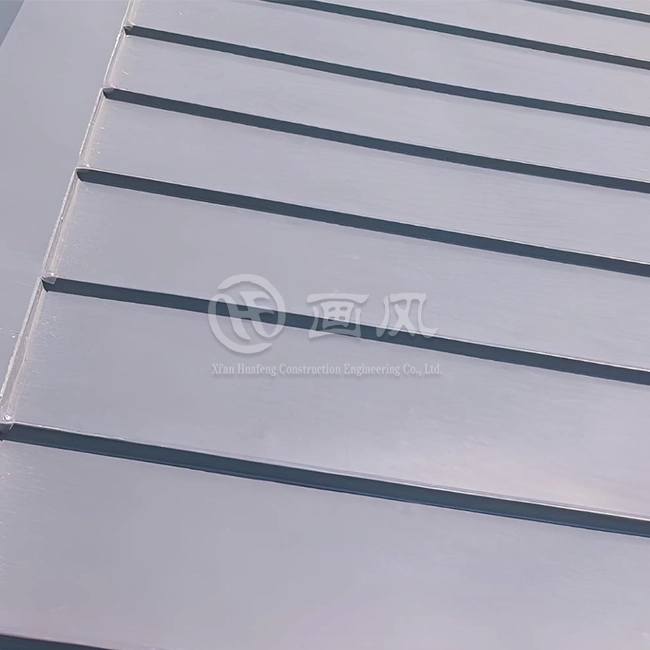
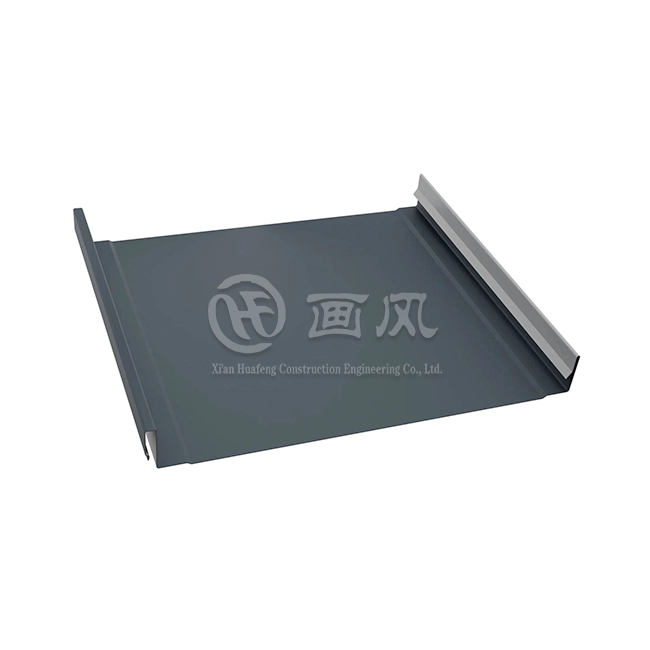
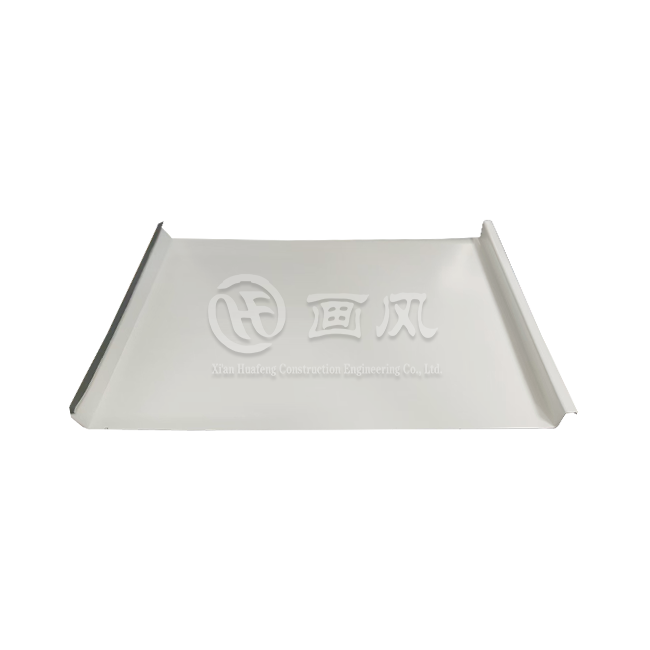
Using a special seaming method, the double lock metal roofing joins two metal panels next to each other by folding them in half, 180 degrees in a row. This makes a seam that engages automatically in all 360 degrees. In a big way, this is different from single-lock systems or snap-lock panels, which use clip force to close seams.
The Engineering Behind the Seam
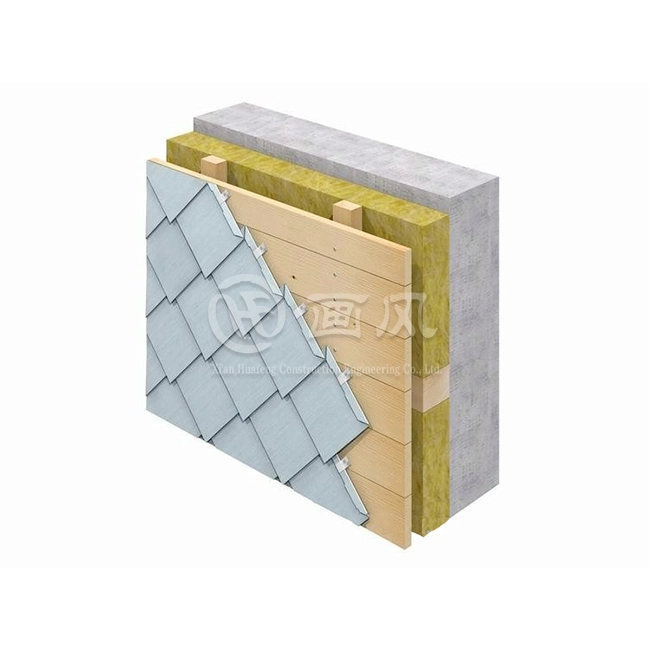
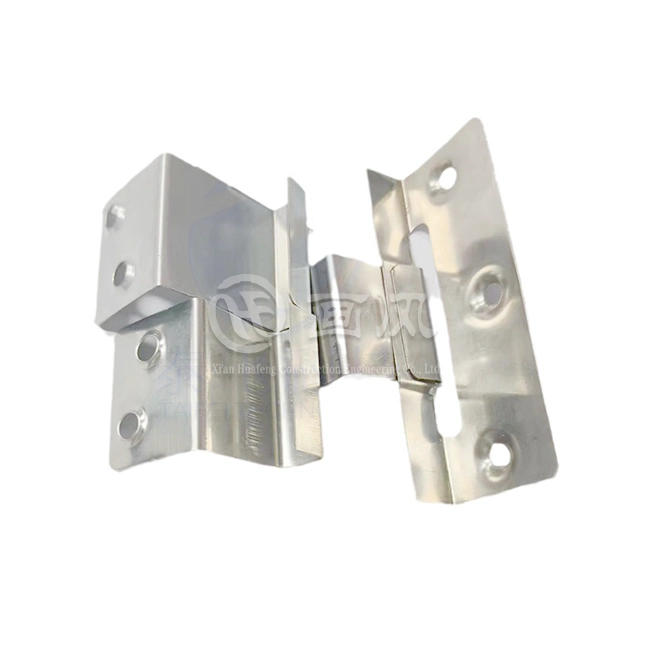
For installation, you need precise tools, usually motorized seamers that roll along the roof surface and fold the male and female panel legs together one at a time. The structural deck is attached with concealed clips, which are caught by the seam fold without going through the roofing membrane. This nail-free way of building gets rid of the possible leak points that come with systems that depend on fasteners. For panels longer than 30 meters, the process needs trained assembly teams that know how to calibrate seaming pressure and account for thermal expansion.
Key Structural Advantages
The two folds make a capillary break that stops water from moving, even when there is atmospheric pressure or rain from the wind. Factory-applied sealer in the seam hole adds extra protection. This is especially helpful in low-slope situations (0.5:12 pitch or less), where water flow slows down a lot. The system can pass the ASTM E1592 structural performance test and get UL 90 wind uplift ratings because the seams are strong. These are important approvals for insurance and building code compliance.
Material Specifications and Standards
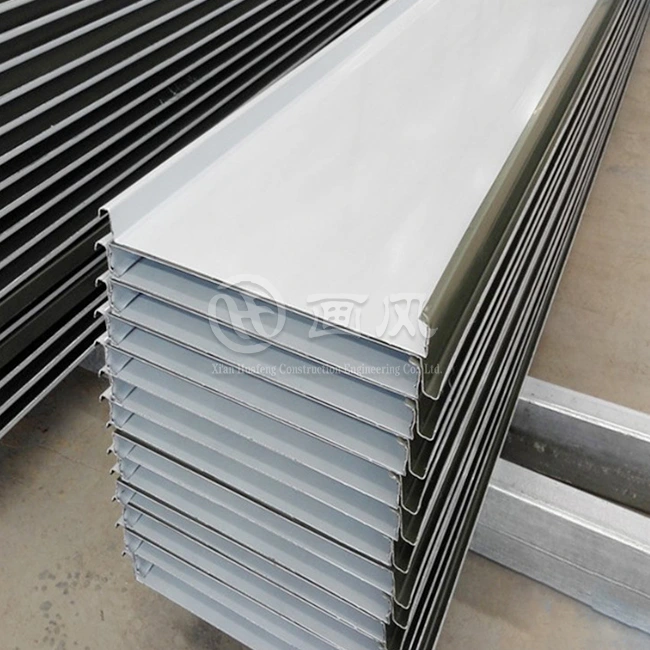
Galvalume steel (ASTM A792), aluminum alloys (AA3003/AA3004), or zinc materials with thicknesses ranging from 0.6mm to 1.2mm are often used in manufacturing. PVDF (Polyvinylidene Fluoride) coatings are used to treat surfaces. These coatings offer better UV protection and color retention, with Delta E values below 5 after decades of contact. Panels can handle seam heights of 25 mm, 32 mm, 45 mm, and 65 mm, with each shape being best for a different span need and personal taste in style. Following foreign rules like ASTM, DIN, JIS, BS, and GB/T makes sure that materials are the same all over the world's supply lines.
Benefits of Double Lock Metal Roofing Compared to Other Roofing Systems
When procurement professionals look at investments in roofs, they focus on performance measures that have a direct effect on the total cost of ownership and the stability of operations. The double lock metal roofing method has clear benefits in a number of areas that need to be evaluated.
Exceptional Weather Resistance and Structural Performance
The 360-degree seam fold can stand up to high winds that would damage other methods. Testing shows that it can withstand lifting forces greater than 240 km/h wind speeds. This means that it can be used in hurricane-prone areas along the coast and in high-alpine areas that are exposed to bad weather. The continuous seam shape stops water from getting in when it rains or snow melts, which gets rid of the problems that come up with capillary action in snap-lock joints. Thermal cycling from -40°C to +80°C happens without any damage to the seams. This means that the weathertightness stays the same even when temperatures change with the seasons and cause things to expand and contract.
Extended Service Life and Reduced Maintenance
When you choose the right materials and create the seams correctly, they will last for 30 to 50 years with little maintenance. It's much harder for the PVDF coating system to crack, fade, or rust than the polyester or acrylic coatings that come on cheaper roofing materials. The aluminum-zinc alloy covering on the galvalume substrates heals small cuts through galvanic action, and the substrates themselves protect against corrosion. Inspections, not fixes, are part of routine maintenance. Facility managers usually schedule visual exams twice a year to make sure seams are intact and drainage paths are clear. This is very different from asphalt shingles, which need to be replaced every 15 to 20 years, or built-up roofing layers, which need to be patched often.
Energy Efficiency and Sustainability Benefits
High solar reflection index (SRI) metal surfaces lower cooling loads by blocking up to 70% of solar rays. This lowers the cost of running HVAC systems in businesses. The system can help you get tax breaks for having a cool roof, and it also counts toward LEED certification points in the Energy and Atmosphere area. 100% of the material can be recycled, and old panels still have a lot of value as scrap metal, unlike roofing sheets made of petroleum that end up in dumps. When compared to making concrete tiles or clay goods in high-temperature kilns, the methods used at places like ours use less embodied energy.
Architectural Versatility and Design Flexibility
Panel systems may support barrel domes, conical structures, and tapering slopes in modern buildings. Modern design favors smooth, uninterrupted lines, and customizable panel lengths of up to 12 meters reduce seams. You may match your company's identity or a historic neighborhood's demands using RAL and Pantone colors. Solar panels for BIPV (Building-Integrated solar) installations are protected from the elements and produce clean energy using the technology.
Xi'an Huafeng Construction Engineering has seven manufacturing lines on three locations that can produce over 1000 tons of products every month. We can help large commercial initiatives with quality and on-time delivery. Panel forms include 25-330 to 65-430 and thicknesses from 0.6mm to 1.2mm, meeting a variety of structural and aesthetic purposes. Our 30-year warranty demonstrates that we trust our materials to endure and our manufacturing to be exact, which procurement teams seek for when buying building envelope components.
Comparing Double Lock Metal Roofing with Alternative Roofing Systems
When making purchasing choices, it's helpful to compare results in a structured way across different factors that affect the success and long-term value of a project.
Installation Complexity and Initial Investment
Compared to snap-lock systems, the double lock metal roofing requires more specialized tools and trained installation teams, which raises the original cost of labor. The cost of materials is usually between $8 and $15 per square foot, but this depends on the thickness of the panels, the finishing chosen, and how complicated the project is. But this higher-priced investment has lower lifetime costs because it needs less upkeep, and replacements happen more often. At $6 to $10 per square foot, snap-lock systems are cheaper and easier to install, but they are not as weather-tight or resistant to wind. Traditional asphalt roofs cost $3 to $5 per square foot at first, but they need to be replaced every 15 to 20 years, which adds up to higher total costs over the life of a building, which is 50 years.
Performance Metrics and Longevity
When properly installed, twin lock systems may exceed FM I-90 and UL 90 wind uplift requirements. This indicates they fulfill high-risk coastal insurance regulations. Under constant pressure, ASTM E1646 water infiltration tests demonstrate no penetration. This beats snap-lock systems, which are prone to capillary movement. Thermal performance includes R-values boosted by optional underlayment insulation and U-factors below 0.030 with stiff foam boards. Compare fire ratings always acquire Class A non-combustible designation, which is vital for industrial buildings with risky products or severe safety standards.
Supplier Reliability and Warranty Considerations
Supplier production, quality certifications, and support infrastructure should be considered. We follow worldwide quality management and environmental standards with ISO9001 and ISO14001 certifications. They own approximately 20 seam technology and panel form patents. With three factories and over 40 specialized tools, they can routinely roof over 10,000 square meters. Minimum purchase sizes of 500 square meters or one ton facilitate large installations and retrofits. Delivery in 15–20 days supports tight construction plans. The 30-year material warranty provides purchasing teams risk reduction peace of mind that other affordable solutions can't match.
How to Successfully Procure and Implement Double Lock Metal Roofing
To buy things effectively, you need to plan ahead so that the material requirements for double lock metal roofing match up with the needs of the job and the skills of the supplier.
Supplier Selection and Qualification
Start by checking the manufacturer's qualifications, such as ISO certifications, lists of building code compliance, and documents from past projects. Get samples that show how well the seams are sealed, how well the coating sticks, and how well the colors match. Check to see what kind of expert support the suppliers offer. Suppliers should be able to help engineers with things like figuring out wind loads, analyzing heat movement, and flashing details. Our team can help with all aspects of design, turning the ideas of architects into panel standards that meet building codes and make the best use of materials.
Customization and Order Planning
Panel lengths should be defined so that there are as few horizontal lines as possible while still meeting the needs of movement. To be sure of the accuracy of color choices based on RAL or Pantone standards, real models must be looked at in natural light. The choice between PE and PVDF coatings for the surface relies on how long the structure is expected to last and how it will be exposed to the environment. PVDF coatings work better, so the higher cost is worth it for permanent structures. When choosing a thickness, you have to balance the structure's ability to span with its weight. For most industrial uses with 1.5-meter purlin spacing, a 0.8mm gauge works best.
Installation Coordination and Quality Assurance
Before completing panel orders, talk to roofing contractors who know how to use mechanical seaming tools. The order of installation affects the structure of the panels and the details of the trim. This means that the supplier's production schedules and the site's readiness must be coordinated. Checkpoints for quality control include making sure the base is flat, checking the distance between clips, measuring the height of the seam, and making sure the sealant goes all the way through. As part of testing after construction, water flood tests on low-slope areas and infrared thermography to find thermal bridging may be done. During installation starting, our technical team is on-site to help make sure that crews properly adjust seaming tools and follow our engineered installation guidelines.
Return on Investment Analysis
Find the building's lifetime costs, which include the prices of the materials and installation at the start, the cost of upkeep every year, the energy savings from reflective surfaces, and the cost of not having to replace the building over its expected lifespan. When you take into account lower cooling loads and no more re-roofing costs, commercial buildings usually get their money back within 8 to 12 years. For better wind and fire scores, insurance premiums go down, which is another financial gain. Getting LEED certification gives projects points that raise property prices and attract renters who care about the environment, which increases the overall return on investment.
Maintenance Tips and Long-Term Care for Double Lock Metal Roofing
As long as the double lock metal roofing system is in good shape, proactive care will keep its performance and make the most of your investment.
Routine Inspection Protocols
You should check your roof every six months, after the spring thaw and the fall of the leaves in the fall. Pay special attention to the seams, how tight the fasteners are, and how well the roof drains. Check out dips and cracks where trash builds up and remove any leaves or dirt that are blocking water flow. Check the state of the sealant at the end laps, ridge caps, and transition flashings. Make a note of any cracks or separations that need to be fixed. Photographs with dates should be used to record results and set standard conditions that show how things are getting worse over time. When temperatures are very high or very low, infrared scanning can find holes in insulation or moisture entry that can't be seen with the naked eye.
Preventative Measures and Minor Repairs
Instead of power cleaning, which ruins coating finishes, use soft-bristle brooms to get rid of the buildup of dirt and dust. Fix small scratches with touch-up paint that is compatible with the panel before rust starts. Tighten any open clips or screws right away to stop seams from moving, which puts stress on the links between panels. Fix or replace broken snow guards or solar array mounts as soon as they start to weaken the panels. Fix drainage problems right away, because standing water speeds up the wear and tear on coatings and puts stress on structural connections. These small fixes are much cheaper than emergency repairs and make the service last a lot longer.
Repair Versus Replacement Decisions
When corrosion holes appear in the base, which usually only happens after years of use in hard conditions or when the coating system fails, the panel needs to be replaced. Isolated damage from falling tree limbs or equipment hits lets you change only certain panels without affecting the parts next to them. Hail damage that covers a lot of roof space may mean that the whole roof needs to be replaced instead of just a few small fixes. A cost-benefit study should compare the cost of repairs to the panels' remaining useful life. Panels that are getting close to 40 to 50 years old and aren't working as well may need to be replaced during major building upgrades instead of small repairs.
Conclusion
The mechanically seamed double lock metal roofing method is the best choice for business and industrial roofing, where performance, longevity, and lifetime value are important factors in the decision to buy. Due to its better resistance to weather, low maintenance needs, and long work life, it offers strong returns that support the higher original investment cost compared to cheaper alternatives. The system works with green building methods and energy-saving goals, which are in line with current building priorities and meet strict code requirements.
Procurement professionals looking at roofing choices for big projects should work with experienced suppliers who can offer full technical support, solid manufacturing capacity, and warranties that have been proven to work. Roofing systems that protect building assets for decades, support operating efficiency, and are good for the environment are made possible by improved seam technology, high-quality materials, and proper installation.
FAQ
1. How does this roofing system impact building energy efficiency?
The metal surfaces radiate a lot of solar heat, which means that 20–30% less cooling is needed than with dark-colored regular roofs. High SRI coatings repel infrared energy, which keeps the surface much cooler than the air around it during the hottest parts of summer. When used with the right insulation substrates, the double lock metal roofing method makes a big difference in lowering HVAC costs and making people more comfortable.
2. Is this roofing suitable for both commercial and residential projects?
The system works well in high-end residential settings, but it was mostly designed for business, industrial, and educational buildings because of economies of scale and performance needs. The great weather protection is great for custom homes in harsh climate zones, and the clean panel lines work well with modern architectural designs. People working on residential projects should look at the minimum order amounts and the availability of installation contractors in their areas.
3. What are typical procurement costs and lead times?
Depending on the specs, the size of the job, and the cost of work in the area, materials can range from $8 to $15 per square foot. For normal specs, the minimum order size is usually 500 square meters, which is equal to one ton. The lead time for production is between 15 and 20 days. Custom colors or shapes may make the process take longer. Complete project costs should include technical help, skilled installation workers, and extras like trim, bolts, and underlayment materials.
Partner with HF for Your Metal Roofing Solutions
Xi'an Huafeng Construction Engineering has a track record of providing high-performance roofing systems to industrial and business projects all over the world. As a reputable double lock metal roofing provider, we offer both advanced production skills and full technical support to make sure that the whole process of buying from us goes smoothly, from the specifications to the installation. Our three plants run seven production lines with more than 40 specialized tools. They keep quality standards high and deliver on time, so your project stays on track.
We offer a wide range of customizable choices, including different panel shapes, thicknesses (from 0.6mm to 1.2mm), and a huge range of colors that will meet any aesthetic need. Quality is important to us, as shown by our ISO9001 and ISO14001 certifications and the fact that we offer a 30-year guarantee to protect your investment. Our engineering team can help you build the best roof for a logistics warehouse, convention center, or business office complex so that it works well and doesn't cost too much.
Contact our team at huafeng@hfmetalroof.com to discuss your project requirements and request detailed specifications. We welcome the opportunity to demonstrate how our manufacturing capabilities and technical expertise support successful project outcomes for procurement managers and contractors throughout North America.
References
1. Smith, J.R. & Thompson, M.K. (2021). Comparative Performance Analysis of Standing Seam Metal Roofing Systems. Journal of Building Envelope Technology, Vol. 18, Issue 3, pp. 142-167.
2. American Society for Testing and Materials (2020). ASTM E1592-05: Standard Test Method for Structural Performance of Sheet Metal Roof and Siding Systems by Uniform Static Air Pressure Difference. West Conshohocken, PA: ASTM International.
3. National Roofing Contractors Association (2019). The NRCA Metal Panel and SPF Roof Systems Manual. Rosemont, IL: NRCA Publications.
4. Patterson, D.L. (2022). Lifecycle Cost Analysis of Commercial Roofing Systems: A 50-Year Comparative Study. Construction Economics Review, Vol. 29, No. 2, pp. 88-114.
5. Cool Roof Rating Council (2021). Radiative Properties and Energy Performance of Metal Roofing Products. Technical Bulletin Series, Document CRRC-2021-08.
6. Green Building Council (2020). Metal Roofing Contributions to LEED v4.1 Building Design and Construction Credits. Washington, DC: USGBC Technical Standards Division.





YOU MAY LIKE