Benefits of choosing snap-on metal roofing over traditional shingles
2026-07-01 18:43:53
Comparing Snap-on metal roof systems to regular shingles for commercial and industrial buildings might affect a building's lifespan performance. Snap-on metal roofing improves durability, installation time, and lifespan cost. Interlocking panels simplify installation and improve weather resistance and structural integrity in this contemporary roofing system. Traditional asphalt shingles are extensively used but need regular maintenance and replacement, increasing operating costs. Procurement managers and construction experts are realizing that snap-lock standing seam roofing meets important performance requirements in commercial and industrial structures that need long-term dependability and low downtime.

Understanding Snap-On Metal Roofing and Traditional Shingles
The architectural and functional distinctions between these two roofing systems reflect fundamentally different engineering approaches to protecting building envelopes.
How Snap-On Metal Roofing Works
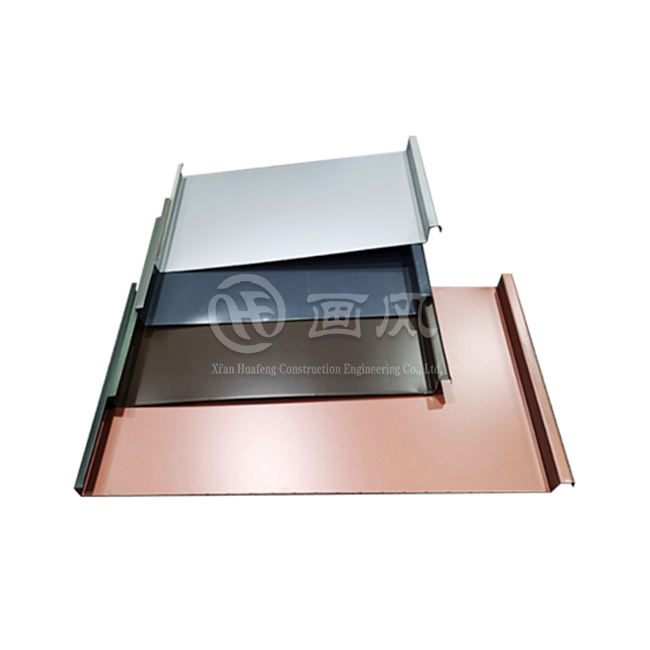
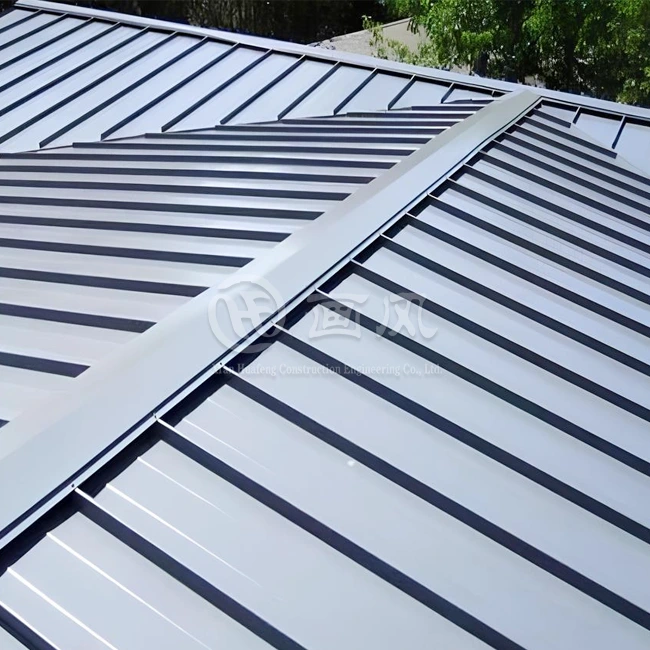
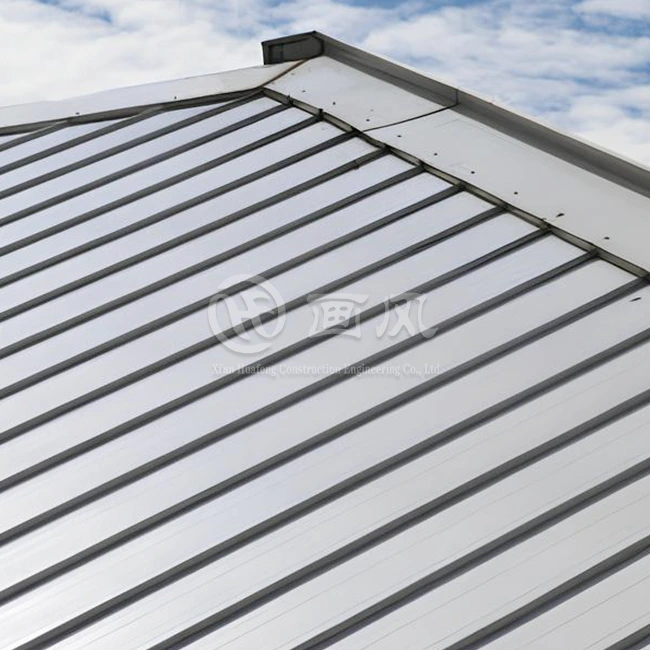
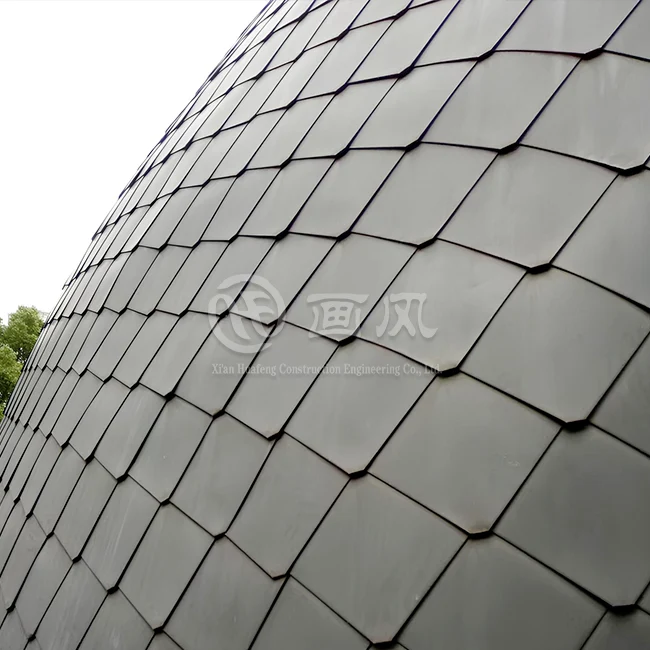
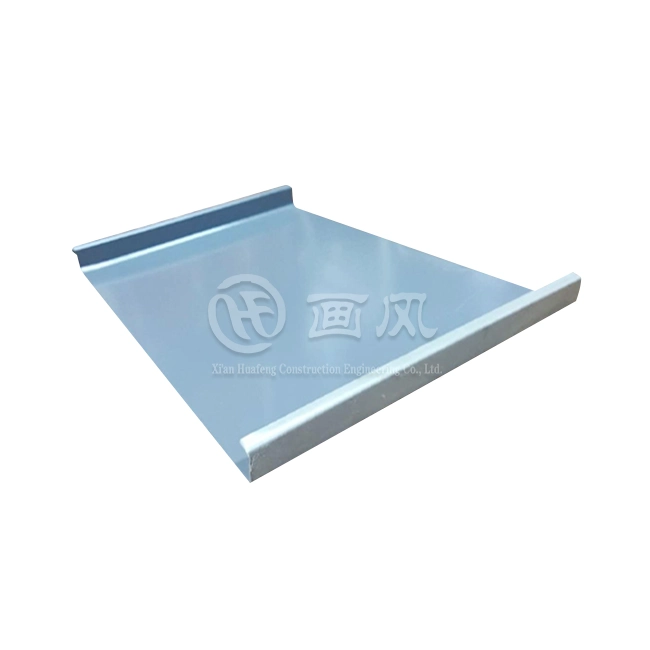
Snap-on metal roofing uses carefully built vertical seam profiles with male-female interlocking legs that attach via positive friction fit or hidden clip mechanisms. The hidden fastener method avoids exposed penetrations that affect weatherproofing in standard installations. HF's snap-lock metal roofing systems use 0.4mm to 1.2mm aluminum alloy, galvanized steel, stainless steel, copper, or titanium-zinc panels. The panels have PVDF or PE coatings that resist UV deterioration and preserve color over time. The mechanical interlock generates continuous seams from ridge to eave, allowing thermal expansion with floating clip mechanisms that isolate panel movement from substrate attachment points. Fastener fatigue and oil canning, prevalent in firmly secured metal systems, are prevented by this design.
Traditional Shingle Composition and Limitations
Traditional asphalt shingles include ceramic granules on fiberglass or organic mat substrates drenched with asphalt. Manufacturing advancements have extended shingle warranties to 20-30 years, but weather exposure, thermal cycling, and granule loss generally reduce field performance. Wind-driven rain and ice dam penetration may damage shingles due to their overlapping courses and gravity. Under UV light, organic asphalt binder brittles and cracks. Penetrating fasteners cause thousands of leak sites throughout a roof assembly, making localized repairs difficult owing to aged shingle color and texture matching.
Key Benefits of Snap-On Metal Roofing Compared to Traditional Shingles
The performance advantages of snap-lock standing seam systems translate directly into operational benefits for B2B clients managing commercial and industrial properties.
Superior Longevity and Durability
Metal roofs last longer than shingles. HF Snap-on metal roof systems have a 30-year guarantee and may last 50 years if properly maintained. Moisture, biological growth, and air contaminants do not degrade corrosion-resistant base materials. Asphalt shingles need repair every 15–25 years, depending on climate and installation quality. When correctly built, metal panels can endure UL 580 Class 90 wind uplift pressures, although shingles commonly fly off in extreme weather. Metal systems' non-combustible Class A fire classification improves life safety and may lower business insurance prices.
Accelerated Installation and Reduced Labor Costs
The snap-together panel concept installs faster than shingle and mechanically seamed metal systems. Installation teams can cover 50% more quickly using panels that join without seaming or fastening. This efficiency reduces project time and speeds building occupancy or refurbishment. Custom orders from HF arrive in 15-20 days, enabling tight construction timeframes. Metal panels, about one-tenth the weight of tile or shingles, minimize structural loads and allow roof retrofits without reinforcing.
Enhanced Energy Performance and Sustainability
Metal roofs reflect solar heat, reducing business cooling demands. HF panel PVDF coatings provide excellent solar reflectance values during the warranty duration, supporting LEED certification and green building projects. Metal roofing helps minimize winter condensation hazards via ventilation, improving thermal efficiency beyond summer cooling. Metal roofing products are 100% recyclable, promoting circular economy concepts crucial to green procurement teams. The longer lifetime decreases roof tear-offs and landfill waste from shingle replacement cycles.
Simplified Maintenance and Repair Protocols
Other than inspections, snap-on metal roofing needs no maintenance. The non-porous surface resists moss and algae that deteriorate shingles, and rain naturally cleans debris. The modular panel design permits targeted repair of damaged pieces without disrupting nearby regions. Technicians may remove panels and snap replacements in place. These repair methods differ from shingle systems, where localized damage frequently requires roof section replacement to preserve visual consistency and waterproofing.
These performance characteristics collectively reduce operational risk and total cost of ownership across the building lifecycle, making snap-lock metal systems increasingly attractive for value-focused procurement decisions.
Snap-On Metal Roofing vs Traditional Shingles: Cost and ROI Analysis
Financial evaluation requires examining both initial investment and lifecycle operating costs to determine true economic value.
Initial Investment Comparison
Snap-on metal roofing costs more per square foot than shingles. A quality standing seam system may cost 2-3 times more than mid-grade shingles. This approach is inaccurate when installation labor differentials are included. Accelerated installation cuts labor and general contractor overhead. Rapid building dry-in reduces weather exposure and trade coordination delays, improving construction timetables. HF is affordable for mid-sized commercial applications with minimum order quantities of 500 square meters or one metric ton.
Lifecycle Cost Advantages
When considering 30-50 year ownership spans, metal roofing becomes more economically viable. Traditional shingles need to be replaced 2-3 times in a metal roof construction. Each re-roofing cycle costs materials, labor, disposal, and downtime. Regular inspections, localized repairs, and algae treatment in humid conditions increase shingle maintenance expenses. Due to its wind and fire protection, metal roofing reduces these costs and lowers insurance rates. Reflective roofing surfaces save energy, which pays off annually for big commercial operations with high cooling demands. According to property valuation studies, commercial buildings with contemporary metal roofing systems sell for more because purchasers perceive lower capital expenditure.
ROI Projections for B2B Applications
Facility-specific characteristics including building size, local labor rates, energy costs, and estimated ownership length may help procurement teams predict ROI. A typical 50,000-square-foot commercial complex might see a 7-12 year payback for avoided re-roofing, maintenance, and energy savings. Industrial buildings in difficult or coastal regions have faster ROI due to corrosion resistance and storm damage prevention.
Procurement Considerations for B2B Clients When Choosing Snap-On Metal Roofs
Successful implementation requires attention to supplier capabilities, product specifications, and installation coordination.
Supplier Evaluation Criteria
Procurement specialists should evaluate manufacturers' manufacturing capacity, quality certificates, and technical support. Xi'an Huafeng Construction Engineering Co., Ltd. (HF) is ISO9001 and ISO14001 certified and SGS-verified. The firm has 200,000 square meters of raw material manufacturing facilities in Anhui and processing operations in Hangzhou and Xi'an with seven color coating lines and automated fabrication systems. This industrial infrastructure guarantees product quality and supply chain reliability. First- and third-level building curtain wall and steel structure credentials demonstrate the company's expertise in complicated design applications.
Customization and Specification Flexibility
B2B initiatives typically demand customized architectural or performance solutions. HF offers aluminum alloy, galvanized steel, stainless steel, copper, and titanium-zinc bases in 0.4mm to 1.2mm thicknesses. For brand identification or aesthetic compatibility with existing buildings, color personalization goes beyond RAL. Customizing panel lengths reduces job-site seams and installation work, but shipping difficulties restrict panel lengths to 12 meters. Specialized profiles for difficult roof geometries, transitions, and penetration flashing assure system integration.
Installation Coordination and Quality Assurance
Proper installation is crucial to metal roofing performance. B2B purchasers should ensure installation contractors have standing seam system expertise and thermal movement accommodation knowledge. Panel supplier-installation contractor coordination assures clip spacing, panel overlap standards, and seam engagement verification. Technical help from HF includes wind and snow load engineering estimates during installation. Communication between parties is crucial for warranty activation, which needs proof of appropriate installation and component usage.
Common Questions and Concerns About Snap-On Metal Roofs
Addressing frequent technical and practical concerns helps procurement teams overcome hesitation and make confident decisions.
Climate Adaptability Across Diverse Environments
Snap-on metal roofing is durable in high temperatures and weather. As base materials have variable thermal expansion coefficients, the floating clip design prevents fastener removal and panel buckling during daily temperature cycles. Metal roofing helps shed snow and prevents ice dams in cold areas. The material option flexibility enables coastal high-salt locations to use aluminum or industrial facilities with corrosive atmospheres to use stainless steel. Mechanically linked panels supported by structural clips prevent lifting in high-wind areas.
Acoustic Performance and Noise Mitigation
Poor insulation causes metal roofs to sound loud during rainstorms. Modern snap-lock systems over solid decks with proper insulation perform as well as shingle assemblies acoustically. Airspace between metal panels and the roof deck and typical insulating layers reduce sound transmission. Commercial structures with inhabited areas located underneath roof assemblies may include sound transmission class-compliant acoustic insulation.
Aesthetic Versatility and Design Integration
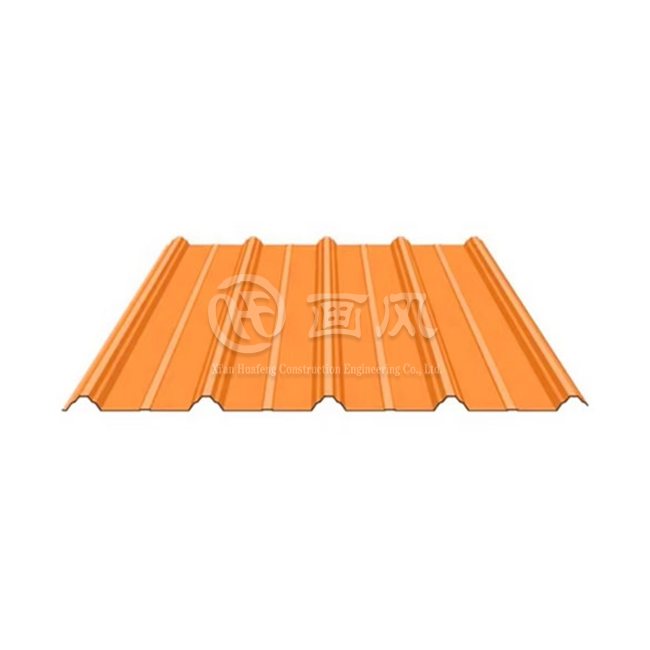
Current Snap-on metal roofing goes beyond the industrial look of corrugated metal. Standing seam profiles match current architectural trends with clean, linear lines. HF's PVDF coatings prevent fading and chalking for long-term beauty. Corporate branding and regional architecture may be coordinated with custom color matching. The hidden fastener system removes visible screws, producing unbroken roof planes that improve retail, hotel, and institutional curb appeal.
Conclusion
Over prolonged ownership periods typical of commercial and industrial establishments, Snap-on metal roofing's operational and economical benefits over regular shingles grow more enticing. The combination of increased durability, expedited installation, reduced maintenance, and improved energy efficiency solves procurement professionals' building portfolio issues. Although metal systems cost more than shingle alternatives, lifespan cost analysis shows that they save energy, eliminate replacement cycles, and reduce operational disturbance. Snap-lock standing seam roofing may meet a variety of project needs because to its material flexibility, customisation, and proven performance in different climates. B2B customers benefit from experienced manufacturers that offer technical assistance and rigorous quality assurance throughout manufacturing and installation.
FAQ
1. What is the typical lifespan difference between snap-on metal roofing and asphalt shingles?
Most snap-lock metal roofing systems last 40-60 years, and HF systems have a 30-year guarantee. Well-maintained premium installations typically surpass these periods. Depending on temperature, ventilation, and installation quality, traditional asphalt shingles need replacement every 15–25 years. Building owners will re-roof with shingles 2-3 times over the life of a single metal roof installation, changing lifetime cost estimates and operational planning.
2. How does metal roofing perform in extreme weather conditions?
Interlocked panels and corrosion-resistant materials make metal roofing ideal for harsh conditions. When correctly constructed, standing seam systems exceed strict wind uplift criteria, frequently earning UL 580 Class 90 certifications. Non-combustible structure offers Class A fire resistance, essential for wildfire environments. Metal panels effectively shed snow, minimizing structural stress. Salt-air corrosion-resistant aluminum or stainless steel is ideal for coastal installations. Impact resistance surpasses shingle performance, reducing hail damage, insurance claims, and operational disturbance.
3. What maintenance does snap-on metal roofing require?
Regular maintenance is low compared to typical roofing systems. Annual visual inspections should check seam integrity, fastener condition, and flashing around penetrations and roof transitions. Clear valleys and equipment debris to preserve drainage. The non-porous metal surface prevents biological development, avoiding humid climate shingle maintenance moss and algae treatments. The modular panel design permits easy replacement of damaged pieces without considerable surrounding work, saving cost and operational effect. Other than inspections, snap-on metal roofing needs no maintenance.
Partner With HF for Superior Snap-On Metal Roof Solutions
Xi'an Huafeng Construction Engineering Co., Ltd. brings specialized expertise as a Snap-on metal roof manufacturer serving construction companies, roofing contractors, and commercial developers throughout North America. Our manufacturing capabilities include seven color coating production lines and automated fabrication systems, ensuring consistent quality across large-scale orders. We maintain competitive minimum order quantities of 500 square meters, supporting projects from mid-scale commercial facilities to extensive industrial complexes. Our technical team provides engineering support for wind and snow load calculations, material selection guidance, and installation coordination. Contact our procurement specialists at huafeng@hfmetalroof.com to discuss your project requirements, request material samples, or obtain detailed quotations. Our 15-20 day delivery timeline and extensive product customization options enable timely project execution without compromising performance specifications.
References
1. National Roofing Contractors Association. (2021). Metal Roofing Systems: Design, Installation, and Performance Standards. NRCA Technical Manual Series.
2. Lawrence Berkeley National Laboratory. (2020). Cool Roofing Material Database: Thermal Performance and Energy Implications for Commercial Buildings. Heat Island Group Research Publication.
3. American Society for Testing and Materials. (2022). ASTM E1592 - Standard Test Method for Structural Performance of Sheet Metal Roof and Siding Systems. ASTM International Standards.
4. Metal Construction Association. (2021). Standing Seam Metal Roof Systems: Technical Guidelines for Design Professionals and Contractors. MCA Publication Series.
5. Building Enclosure Technology and Environment Council. (2020). Lifecycle Cost Analysis Methodology for Commercial Roofing Systems. BETEC Research Report.
6. Cool Roof Rating Council. (2022). Radiative Property Testing and Energy Performance Metrics for Architectural Metal Roofing Products. CRRC Product Rating Program Documentation.





YOU MAY LIKE
(1)_1763110678300.webp "standing seam metal roof panels")