Advantages of Standing Seam Steel Roofing Sheets
2026-07-02 15:16:15
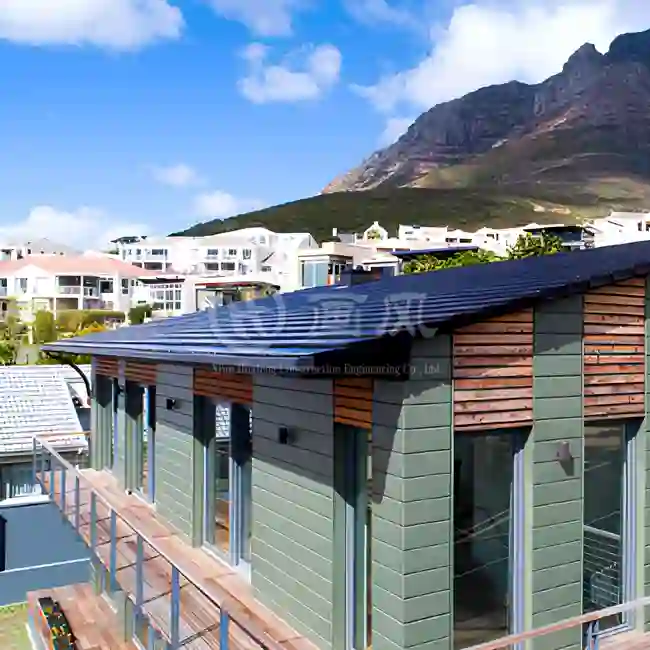
Standing seam steel roofing sheets deliver unmatched performance through their concealed fastener design and mechanically interlocked vertical seams. These systems eliminate exposed penetrations, creating continuous weathertight barriers that protect commercial structures for decades. With aluminum-zinc coated substrates and premium PVDF finishes, they resist corrosion while minimizing maintenance demands. Their modular installation accommodates large-span buildings and low-slope applications, making them ideal for warehouses, manufacturing facilities, and multi-story commercial developments where reliability and lifecycle value matter most.

What Are Standing Seam Steel Roofing Sheets?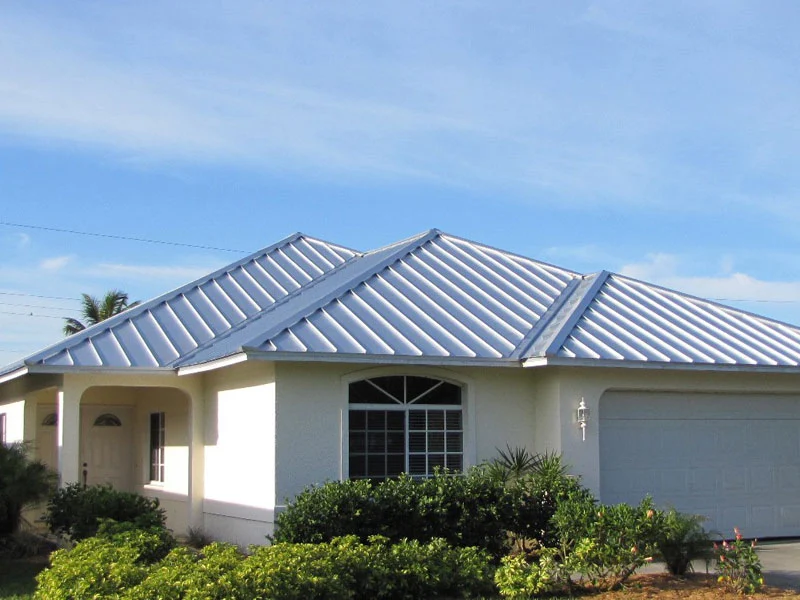
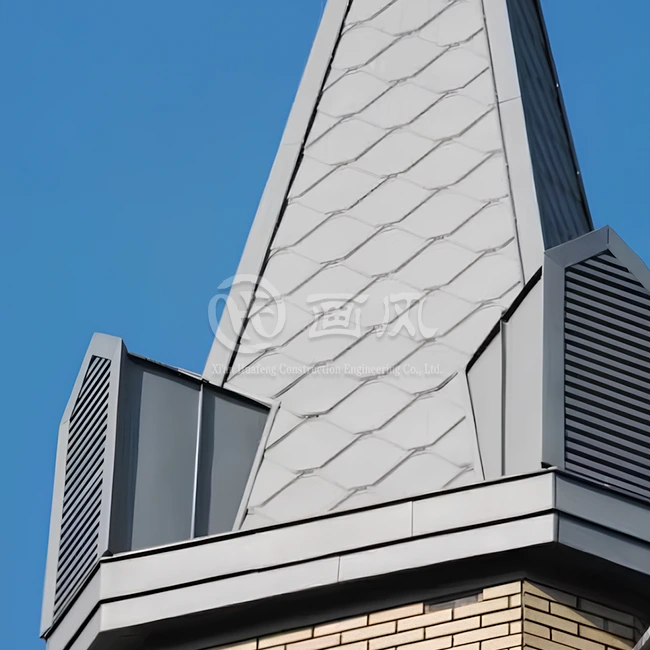
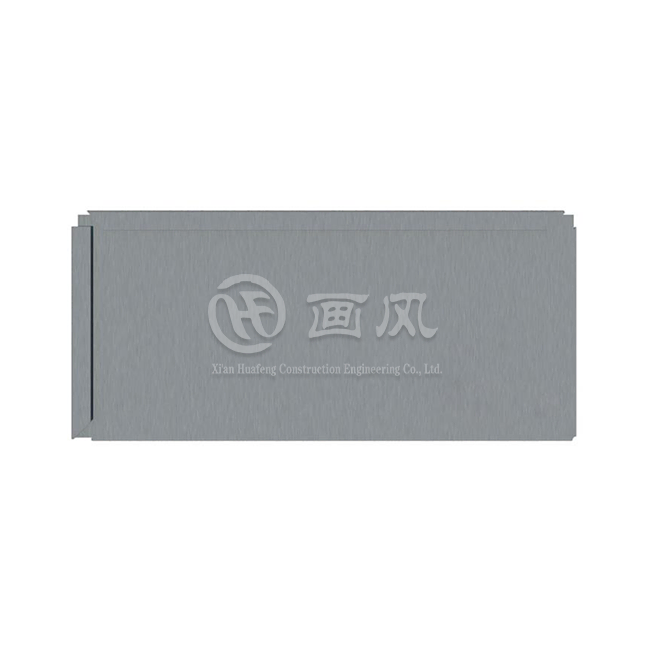
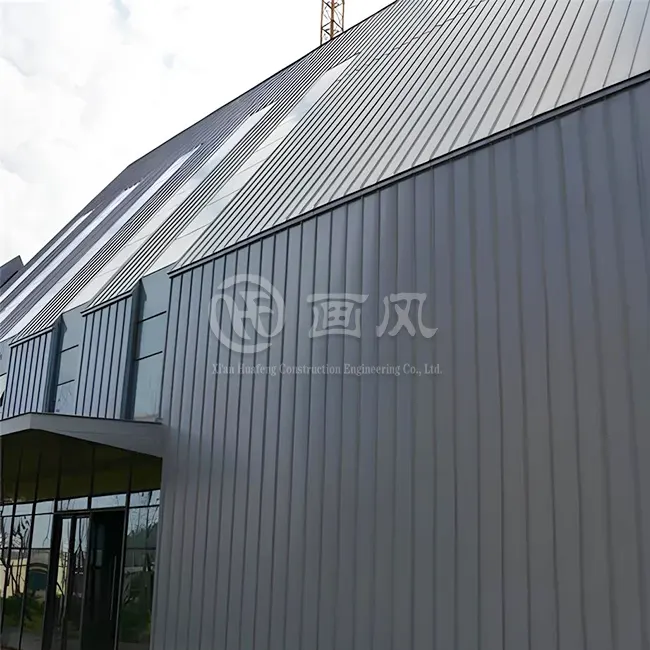
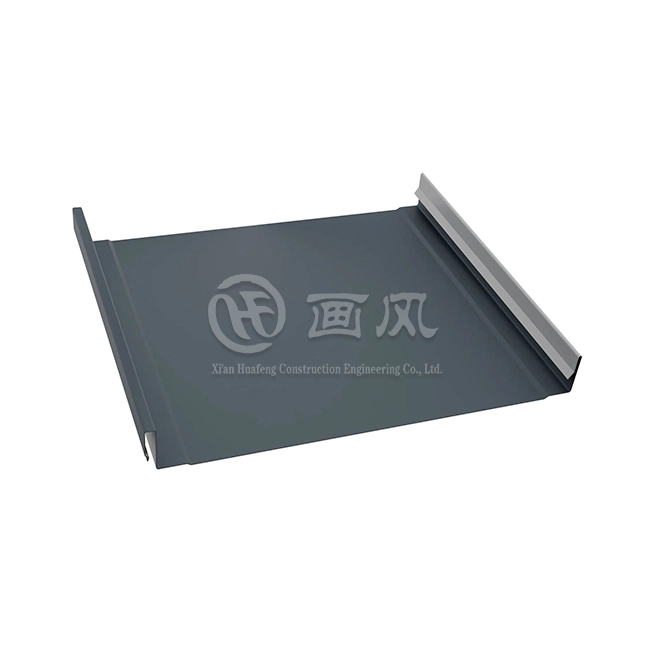
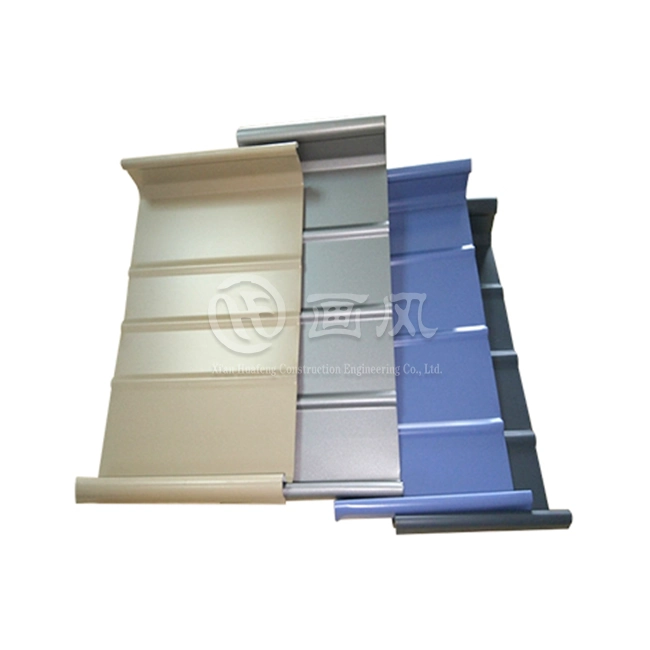
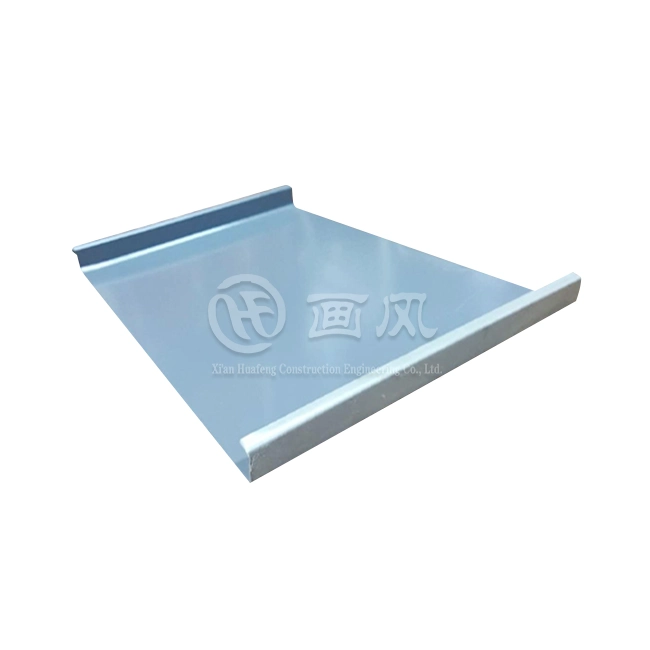
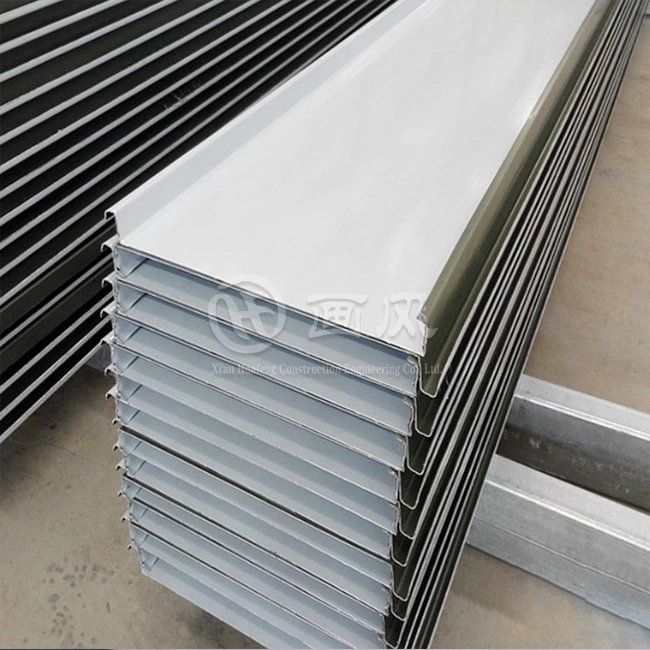
Steel roofing sheets with standing seams are a high-tech metal roofing system made for business and factory settings. Raised vertical ribs, usually between 25 mm and 65 mm high, connect two panels together mechanically or with snap-locks. This is what makes the material unique. In contrast to standard exposed-fastener roofs, this design hides all the connection hardware under the seam. This gets rid of any possible leak points and lets the panels expand and contract as the temperature changes.
Structural Design and Material Composition
The core base is made of high-tensile steel, usually G300 to G550 grade, that has an aluminum-zinc alloy (AZ150 or AZ185) coating on it to make it more resistant to rust. This metal covering works better than regular galvanisation because it combines the protective qualities of aluminium with the sacrificial qualities of zinc. Premium systems use PVDF fluorocarbon topcoats that keep the colour true for more than 20 years, even when exposed to a lot of UV light. We make panels at HF that are between 0.7 and 1.2 mm thick and meet foreign standards like ASTM, DIN, JIS, BS, and GB/T. Our products have rib heights that can be changed from 25mm to 65mm, which lets builders find a good mix between style tastes and structural needs.
Comparison with Alternative Metal Roofing Systems
Corrugated metal sheets are made up of shapes that meet and screws that are visible and go through the surface. This lets wind-driven rain in and means that the gaskets need to be replaced often. Metal shingles look like traditional shingles, but they have horizontal seams that make sealing harder on low-slope roofs. These worries are taken care of by standing seam steel roofing sheets, which have continuous vertical panels that can go from the ridge to the eave without any horizontal gaps. The hidden clip system lets thermal movement happen without wearing out the fasteners, which is a big plus in places where temperatures change a lot. This difference in building is why standing seam systems are required for large infrastructure projects like airports, distribution centers, and factories that need to last for a long time.
Key Advantages of Standing Seam Steel Roofing Sheets
Procurement managers prioritizing lifecycle value recognize that initial material costs represent only a fraction of total ownership expenses. Standing seam steel roofing sheets deliver measurable advantages across durability, energy performance, and maintenance requirements that compound over decades of service life.
Exceptional Durability and Longevity
The aluminum-zinc layer is better at stopping rust from the air, especially near the coast or in factories, where airborne pollutants speed up the breakdown of materials. Testing in the lab shows that AZ150-coated surfaces are 2-4 times better at stopping red rust from forming than galvanised steel of the same type. When paired with PVDF topcoats, the whole system looks good and stays structurally sound for 40 to 50 years. HF backs up this performance with a 30-year guarantee that covers both flaws in the materials and the stability of the weathertight seal. Whether it's single-lock 180-degree crimping or double-lock 360-degree crimping, the mechanical seaming process makes joints that meet ASTM E1592 structural performance standards. This means that the joints are resistant to wind uplift, making them good for places that are prone to hurricanes and high-altitude installations where wind loads are higher than usual.
Energy Efficiency and Sustainability Alignment
Modern PVDF finishes use cool-roof pigment technology that blocks up to 70% of solar rays. This keeps heated areas inside buildings cooler. This better thermal performance directly leads to lower HVAC running costs, which is especially helpful for big buildings where the roof is the main envelope surface. There are several ways that metal roofing systems can help you get LEED certification. For example, having a high solar reflection index (SRI) value can earn you points for reducing heat islands, and being 100% recyclable at the end of its life meets the standards for material recovery. Because they are so light—about a tenth the weight of clay tile or concrete systems—they lower structural loads, which means that expensive base changes aren't always needed during renovations. In addition to saving energy, the longer service life reduces embodied carbon by preventing the need for early repair, which is common with asphalt-based systems.
Low Maintenance Requirements and Lifecycle Cost Advantages
Since there are no visible bolts, the most common way for metal roofs to fail—gaskets breaking down around screw holes—is not possible. Standing seam steel roofing sheets don't need much upkeep other than cleaning out the gutters and removing garbage every so often. The smooth vertical shape easily sheds snow, leaves, and other dirt, stopping the growth of bacteria that can damage other roofing materials. When upkeep needs to be done, the shape of the panel makes it easy to get to without hurting the surface that is fading. Over 25 years of testing and study in the industry show that maintaining a metal roof costs about 50 to 60 percent less than maintaining a modified bitumen or single-ply membrane system. These benefits have a direct effect on figuring out net present value. This makes standing seam steel roofing especially appealing for facilities management teams that are in charge of multiple sites and need to plan for upkeep budgets and capital projects that need reliable cost structures.
Standing Seam Steel Roofing vs Alternative Roofing Materials
Procurement professionals evaluating roofing investments benefit from objective comparisons that account for initial costs, expected service life, maintenance requirements, and performance characteristics across different environmental conditions. Standing seam steel roofing sheets provide a superior alternative when analyzing long-term structural health.
Performance Comparison with Corrugated Metal Panels
Corrugated panels offer lower upfront costs but introduce significant long-term liabilities through their exposed fastener design. Each screw penetration requires a neoprene or EPDM washer that degrades under UV exposure and thermal cycling, typically requiring replacement every 10-15 years. This maintenance obligation involves labor-intensive inspection and fastener replacement across thousands of penetrations on large roofs. Standing seam systems eliminate this vulnerability entirely through concealed attachment clips that remain protected from weathering. The vertical seam profile also provides superior structural strength, allowing wider panel spacing and reduced purlin requirements. Wind tunnel testing confirms that mechanically seamed profiles achieve UL 580 Class 90 ratings—the highest wind uplift classification—while corrugated systems typically max out at Class 60 performance levels.
Cost-Effectiveness Against Asphalt Shingles and Tile
Asphalt composition shingles dominate residential markets through low material costs, but prove economically disadvantageous for commercial applications. Their 15-20 year service life necessitates multiple replacement cycles during the operational lifespan of commercial structures, compounding disposal costs and business disruption. Clay and concrete tile systems offer longevity comparable to metal but impose substantial structural loads—often 750-900 kg per square meter—requiring robust framing that increases building costs. Standing seam steel roofing sheets deliver comparable longevity at one-tenth the weight, frequently allowing installation over existing structures without reinforcement. When procurement teams conduct net present value analysis incorporating replacement cycles, disposal costs, and maintenance expenses, metal roofing systems consistently demonstrate 30-40% lower lifecycle costs compared to alternative materials, even when initial installation premiums reach 20-30%.
Material Strength Considerations: Steel vs Aluminum
Aluminum standing seam profiles offer natural corrosion resistance and lighter weight, making them attractive for coastal installations or weight-sensitive retrofit applications. The material's lower yield strength—typically 165-200 MPa compared to 300-550 MPa for steel—requires thicker gauges to achieve equivalent structural performance, often negating weight advantages. Steel's superior strength-to-weight ratio permits installation on low-slope applications down to 1:12 pitch while maintaining structural integrity under snow loads and wind uplift. Cost considerations favor steel substantially, with aluminum panels typically commanding 40-60% price premiums for equivalent dimensions. HF's steel roofing systems utilize optimized rib geometry and high-strength substrates that deliver structural performance matching heavier-gauge aluminum at significantly better value propositions for budget-conscious procurement scenarios.
Procurement Insights for Standing Seam Steel Roofing Sheets
Sourcing standing seam steel roofing sheets for commercial projects requires attention to manufacturer capabilities, material specifications, and supply chain logistics that directly impact project timelines and installed performance.
Selecting Reputable Manufacturers and Verification Standards
Checking that providers keep their ISO 9001 quality management systems and ISO 14001 environmental certifications is the first step in quality security. With these models, industrial methods are always the same, and products can be tracked all the way through production. Specifications for buying things should require proof from a third party that the covering weighs what it says it does, that the paint sticks well, and that the steel base has the right mechanical qualities. HF has three factories with a total of seven production lines and more than forty specialised tools. This gives them a backup plan in case their supply chain goes down. Our certificates show that we follow foreign rules like ASTM, DIN, JIS, BS, and GB/T. This makes sure that our materials work with project requirements from around the world. With more than 20 patents on file for seam shapes and installation systems, we show that we are always coming up with new ways to improve the performance of industrial roofing systems.
Pricing Structures and Logistics Considerations
The price of materials for standing seam steel roofing sheets is usually between $8 and $15 per square metre, but this depends on the width of the base, the coating requirements, and the finish requirements. The price of PVDF coats is 20–30% higher than that of polyester, but they last much longer and are less likely to chalk. Buying in bulk can save you money, especially if you can organise the buying of several things at once. HF has a minimum order size of 500 square meters, which is equal to one metric ton. This lets them offer reasonable prices for medium-sized jobs while still being able to accommodate bigger ones. When orders are made during the plan development process, our 15-20 day shipping time frame works with building dates. We can customise colours based on RAL standards and also meet your own unique needs. This gives you more design options without losing delivery performance. For foreign projects, transportation operations prefer containerised shipping, with panel lengths that make the best use of containers and keep freight costs as low as possible.
Custom Specifications and Installation Support
You can change more than just the colour of a panel. You can also change the height of the ribs, the thickness of the material, and the finishes that are used in acidic settings. Marine-grade AZ200 finishes, or stainless steel surfaces that don't break down when exposed to salt spray, are good for projects near the coast. The engineering team at HF gives technical advice while the specifications are being made. They make sure that the panel shapes, fastening plans, and thermal movement accommodations meet the needs of the structure and the loads in the environment. The right fitting is very important for getting guaranteed performance, because even high-quality materials don't work if they aren't put together properly. We give you thorough installation guides and can put you in touch with expert workers in the project areas. For the hidden clip system to work, you need certain seaming tools, like tiny manual seamers for small projects or electric cart seamers for big setups. Our expert support helps workers choose the best equipment for each project.
Case Studies and Industry Applications
Real-world performance data provides procurement teams with confidence that standing seam steel roofing sheets translate into operational success across diverse building types and climate zones.
Commercial Warehouse Implementation
A logistics company operating a 50,000-square-meter distribution facility in the southeastern United States replaced aging corrugated roofing with standing seam steel roofing sheets featuring high-reflectance PVDF coatings. Post-installation monitoring documented a 23% reduction in cooling energy consumption during summer months, translating to annual savings exceeding $42,000. The improved thermal performance allowed the facility to defer a planned HVAC capacity upgrade, avoiding $180,000 in capital expenditure. The mechanical seam system proved critical given the building's 2-degree roof slope—insufficient for reliable performance with exposed-fastener profiles. Three years post-installation, the facility reports zero leak incidents and no maintenance expenses beyond routine gutter cleaning, validating the system's weathertight integrity and low-maintenance characteristics.
Manufacturing Facility Coastal Environment Performance
An automotive parts manufacturer in a Gulf Coast location selected standing seam steel roofing sheets with AZ185 metallic coating for a 35,000-square-meter production facility. The corrosive coastal environment—characterized by salt-laden air and high humidity—had degraded the previous galvanized corrugated roof within 12 years. Five years after standing seam installation, independent inspection revealed no red rust formation and minimal chalk or fade on the PVDF topcoat. The facility's maintenance director emphasized that eliminating fastener-related leak repairs saved approximately 120 labor-hours annually, allowing reallocation of maintenance staff to higher-value preventive tasks. The project demonstrated that proper material selection matched to environmental conditions delivers measurable operational benefits beyond simple weather protection.
Best Practices and Common Pitfalls
Successful implementations share common characteristics: thorough substrate inspection prior to installation, proper underlayment selection compatible with metal roofing temperatures, and adherence to manufacturer-specified clip spacing and seaming procedures. Common failures trace to cost-cutting measures that compromise system integrity—inadequate clip schedules that reduce wind resistance, improper seam crimping that allows water intrusion, or mismatched thermal expansion accommodations that cause panel buckling. Procurement teams minimize these risks by prequalifying installers based on manufacturer training certifications and requiring detailed installation plans before contract award. The marginal cost of experienced installation—typically 10-15% above lowest-bid alternatives—proves inconsequential compared to remediation expenses when systems fail prematurely due to improper workmanship.
Conclusion
Standing seam steel roofing sheets deliver compelling value propositions for commercial and industrial applications through superior durability, energy efficiency, and minimal maintenance requirements. The concealed fastener design eliminates common failure modes while accommodating thermal movement, ensuring decades of weathertight performance. When procurement decisions incorporate lifecycle cost analysis rather than focusing exclusively on initial material costs, metal roofing systems consistently outperform alternatives across 30-50 year evaluation periods. Material advances in metallic coatings and PVDF finishes have extended service life expectations while maintaining compatibility with sustainable building practices and green certification programs. Procurement teams benefit from partnering with established manufacturers who provide technical support, quality certifications, and proven supply chain reliability that protect project timelines and performance outcomes.
FAQ
1. What service life can I expect from standing seam steel roofing sheets?
High-quality standing seam steel roofing sheets with aluminum-zinc substrates and PVDF coatings typically deliver 40-50 years of service life in most environments. HF provides a 30-year warranty covering material defects and weathertight performance. Actual longevity depends on environmental factors—coastal locations with salt exposure or industrial areas with airborne contaminants may experience accelerated weathering compared to moderate climates. Proper maintenance, though minimal, extends service life by preventing debris accumulation and ensuring drainage systems function correctly.
2. Can standing seam systems perform in extreme climates?
These roofing systems excel across diverse environmental conditions. The vertical profile and mechanical seams shed snow effectively, preventing ice dam formation common with lower-profile systems. Reflective coatings reduce heat absorption in high-temperature regions, lowering cooling loads. The concealed clip system accommodates thermal expansion and contraction without fastener stress, maintaining integrity through temperature swings exceeding 80°C. Coastal installations benefit from corrosion-resistant coatings that withstand salt-spray exposure better than alternative materials.
3. What maintenance do these roofing systems require?
Maintenance demands remain minimal compared to other commercial roofing types. Annual inspections should verify that gutters and downspouts remain clear, and debris accumulation in valleys should be removed to maintain proper drainage. The absence of exposed fasteners eliminates gasket replacement, the primary maintenance task for corrugated systems. Most standing seam roofs require no intervention beyond periodic cleaning for 10-15 years post-installation, then infrequent touch-up of minor scratches or abrasions in high-traffic areas.
Partner with HF for Your Metal Roofing Solutions
HF stands ready to support your next commercial roofing project with comprehensive standing seam steel roofing sheets backed by manufacturing excellence and technical expertise. As a trusted supplier, we operate three production facilities with seven dedicated lines producing panels that meet rigorous international standards, including ASTM, DIN, JIS, BS, and GB/T specifications. Our PVDF-finished systems feature 0.7-1.2mm thickness options with customizable rib heights from 25-65mm, all protected by our 30-year warranty. With minimum orders of just 500 square meters and delivery in 15-20 days, we accommodate projects of varying scales while maintaining competitive pricing for bulk procurement. Our engineering team provides specification support and installation guidance, ensuring your project achieves optimal performance. Contact us at huafeng@hfmetalroof.com to discuss your requirements and receive a detailed quotation tailored to your project parameters.
References
1. American Society for Testing and Materials. "ASTM E1592: Standard Test Method for Structural Performance of Sheet Metal Roof and Siding Systems by Uniform Static Air Pressure Difference." ASTM International, 2017.
2. Metal Construction Association. "Technical Bulletin: Understanding Standing Seam Metal Roof Systems." MCA Publication Series, 2019.
3. National Roofing Contractors Association. "The NRCA Metal Roofing Manual: Design, Installation, and Maintenance Guidelines." NRCA Publications, 2020.
4. Cool Roof Rating Council. "Rated Product Directory: Metal Roofing Systems Performance Data." CRRC Database, 2021.
5. U.S. Green Building Council. "LEED v4.1 Reference Guide for Building Design and Construction: Metal Roofing Contributions to Sustainable Sites and Materials Credits." USGBC Publications, 2020.
6. Building Enclosure Technology and Environment Council. "Comparative Life Cycle Cost Analysis of Commercial Roofing Systems: 50-Year Evaluation Period." BETEC Report, 2018.





YOU MAY LIKE