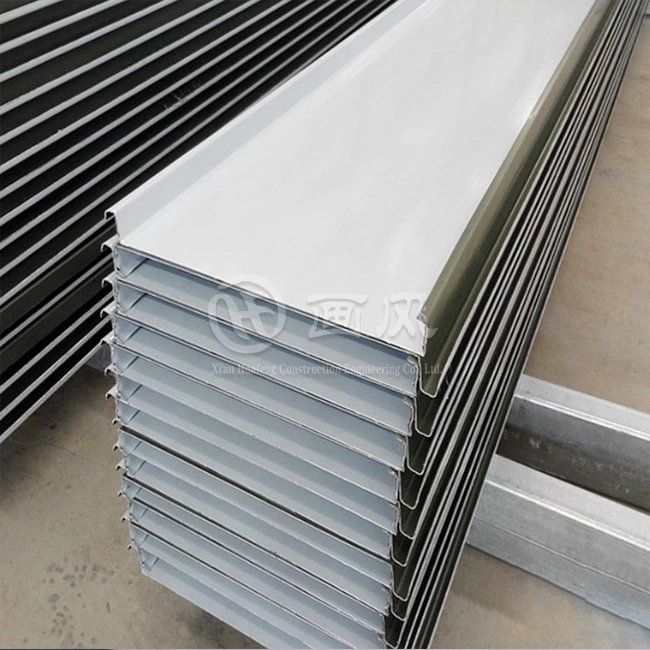
Standing Seam Steel Roofing Sheets: Sleek, Durable, and Built to Last
2026-07-02 15:16:17
When commercial builders and roofing contractors face critical decisions about long-term roofing investments, standing seam steel roofing sheets consistently emerge as the optimal solution. This advanced metal roofing system employs vertical interlocking technology, connecting adjacent panels through mechanically crimped seams that form a continuous, watertight barrier. Unlike traditional exposed fastener systems prone to leakage from screw fatigue, concealed clip mechanisms allow thermal expansion without compromising structural integrity. From industrial warehouses demanding low-slope applications to architectural landmarks requiring complex geometries, this roofing technology addresses the core pain points facing modern construction: durability under extreme weather, minimal lifecycle maintenance, and compliance with green building certifications.

Understanding Standing Seam Steel Roofing Sheets
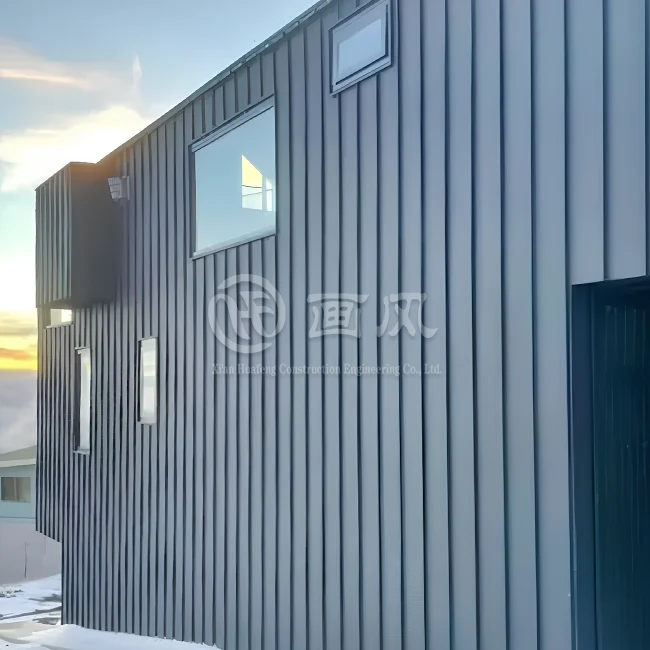
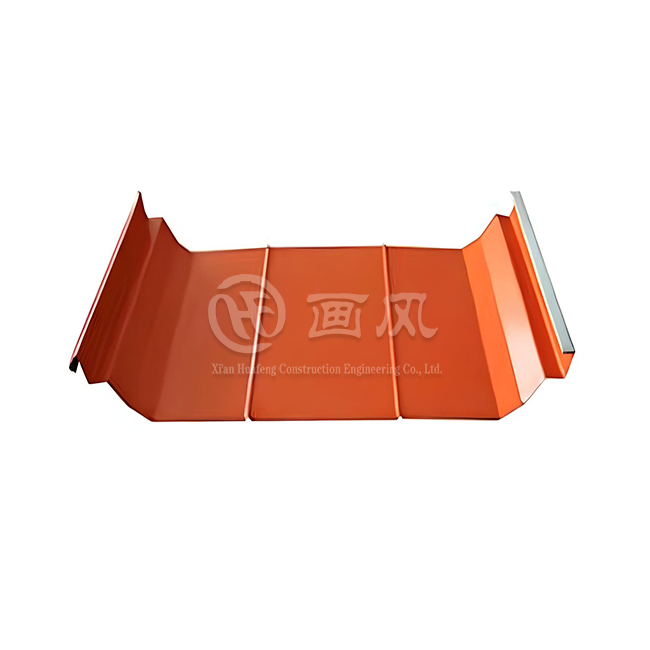
Metal roofing has evolved dramatically from basic corrugated panels to today's engineered systems. The fundamental design principle centers on raised seams positioned perpendicular to the roof slope, creating vertical channels that facilitate water drainage while concealing all fasteners beneath the roofline. This concealed attachment method represents the critical innovation separating standing seam profiles from conventional metal roofing.
Core Construction Components
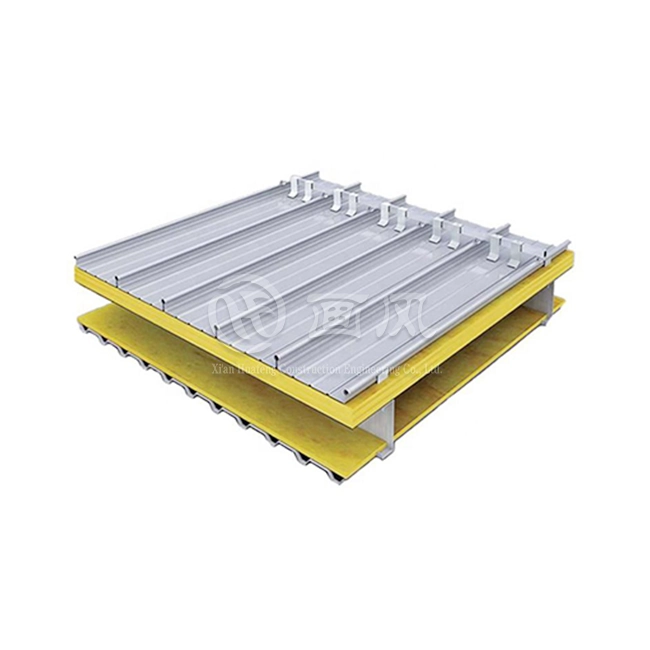
The system is made up of several connected parts that work together. The floor of the structure is usually made of high-tensile steel substrates grade G300 to G550. Manufacturers put protective metallic coats on top of this base. Aluminum-zinc metals like AZ150 are better at resisting rust than normal galvanising. The top layer has high-end finishes like PVDF fluorocarbon coats that protect against UV light for decades and keep the colour.
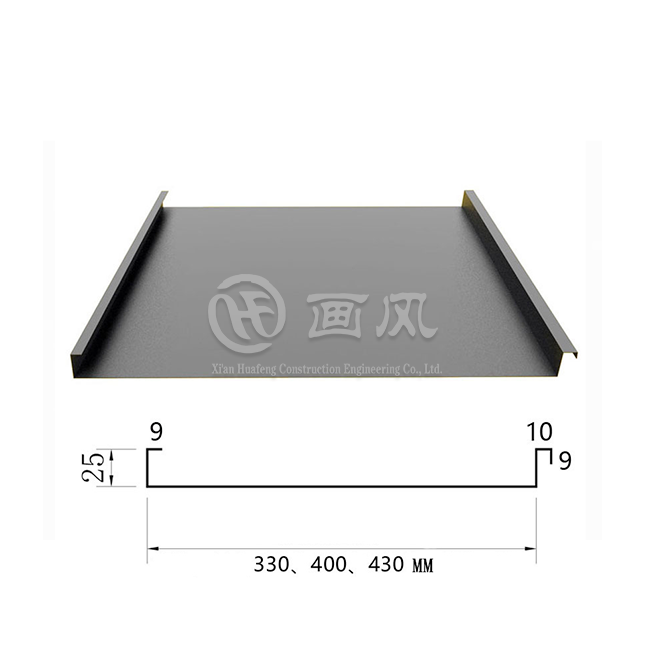
The base thickness of HF's standing seam panels ranges from 0.7mm to 1.2mm, which is designed to meet a wide range of structural load needs. The seam heights range from 25 mm to 65 mm. For low-slope uses, the higher shapes offer better structural strength and drainage. Our three production sites have more than 40 specialised tools and seven dedicated production lines that are used to make each panel with great care.
Installation Process Fundamentals
A professional installation starts with preparing the base, which makes sure the deck stays level and has enough insulation. Then, contractors put fixed clips along the structure supports at set intervals. Panels fit together using male-female rib patterns, and special tools crimp the link with 180-degree or 360-degree mechanical seams. This method makes joints that are waterproof and strong enough to handle strong lifting forces without going through the roofing covering.
The moving clip system can handle changes in temperature over distances of more than 50 meters. Steel naturally grows and shrinks as temperatures change. This movement isn't allowed by traditional through-fastened methods, which leads to fastener pull-through and membrane tears. Our hidden clip design lets you control the movement, which keeps the panel's integrity and sealing performance for decades.
Evolution of Modern Metal Roofing Technology
Early metal roofing applications faced significant limitations—rust, paint failure, and oil canning plagued first-generation systems. Contemporary advancements in standing seam steel roofing sheets transformed these challenges into competitive advantages. Aluminum-zinc alloy coatings now provide galvanic protection extending service life beyond 40 years in harsh environments. Advanced leveling processes minimize visible waviness in panel flats. Striations and embossing techniques further enhance aesthetic appeal while adding rigidity to thinner gauge materials.
These technological improvements enable architects and engineers to specify metal roofing confidently across applications previously reserved for membrane or tile systems, knowing performance metrics meet or exceed industry standards, including ASTM E1592 for structural integrity and UL 580 Class 90 for wind uplift resistance.
Advantages of Standing Seam Steel Roofing Over Traditional Roofing Types
Comparative analysis reveals substantial performance gaps between standing seam systems and conventional alternatives. Asphalt shingles typically require replacement every 15-20 years, generating significant waste and labor costs. Metal tile profiles, while more durable than asphalt, still utilize exposed fasteners subject to weather-related degradation. Corrugated panels lack the sophisticated weatherproofing capabilities essential for low-slope commercial applications.
Superior Weather Resistance and Structural Performance
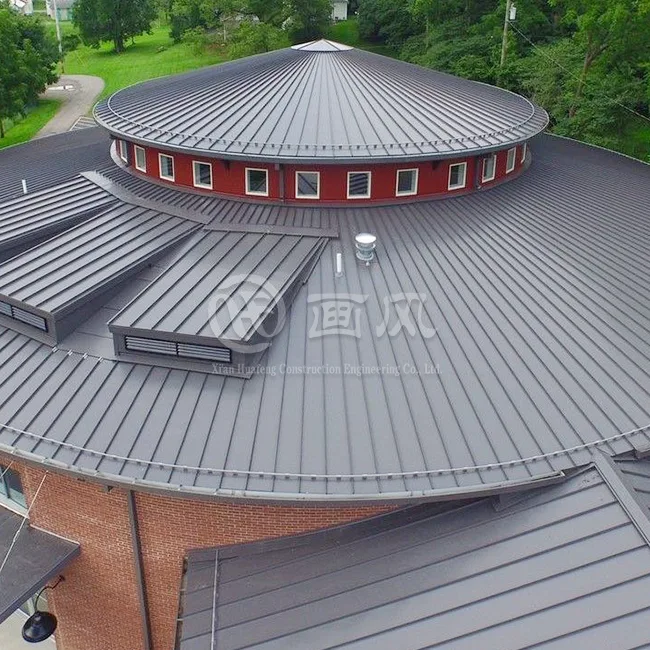
Standing seam shapes work best in harsh situations that make regular roofs less reliable. When designed and fitted correctly, the continuous seam design can survive wind speeds of more than 180 mph, meeting ASTM D7158 Class 4 standards for areas that are prone to hurricanes. With mechanical seaming, the horizontal laps that are common in corrugated systems are taken away, making it harder for water to get in. This makes it possible to put on slopes as low as 1.5 degrees, which is not possible with most standard systems, which need pitches of at least 3:12.
Another big benefit is that it saves energy and heat. When compared to dark concrete surfaces, metal roofs naturally reflect solar energy, which lowers cooling loads by 15 to 25 percent. Standing seam systems make a big difference toward meeting LEED certification standards when they are paired with "cool roof" colouring and built-in insulation layers. In the southern United States, where summer temperatures cause a lot of energy use, the reflected qualities are especially useful.
In northern areas, managing snow loads can be hard. The smooth vertical shape makes it easier for snow to fall naturally, which keeps dangerous piles from forming that put stress on the structure's frame. Optional snow retention systems can be attached to seams without going through the roofing membrane. This keeps the weatherproofing warranty in place while saving people and property below.
Lifecycle Cost Analysis
Standing seam systems usually cost 20 to 35 percent more to buy at first than architectural shingles. When you look at the total cost of ownership, this extra goes away very quickly. We stand behind our panels with a 30-year promise and PVDF covering technology that has been shown to keep their colour and structure for decades. Maintenance needs are still very low—regular checks and clearing away trash are usually enough. In contrast, concrete systems need to be replaced more than once in the same amount of time, which costs money in dumping fees, labour, and downtime.
Environmental concerns are becoming more and more important in buying choices. 25–95% of steel roofing is recycled, and it can be recycled again and again after it's been used. This flow of materials around and around fits with the company's green goals and the material sourcing points in LEED v4. Lightweight building—about a tenth the weight of concrete tile—lowers structure stress, which could mean that new construction projects don't need as much of a base.
How to Choose the Best Standing Seam Steel Roofing Sheets for Your Project
Specification development requires careful alignment between project parameters and material capabilities. Climate conditions, building occupancy, aesthetic requirements, and budget constraints all factor into optimal material selection, especially when considering standing seam steel roofing sheets for durable and weather-resistant applications. Understanding these variables empowers procurement teams to specify confidently while avoiding common pitfalls.
Technical Specifications That Matter
The choice of steel grade has a direct effect on how well and how much a structure works. Thick materials don't allow oil canning and can span farther, but they cost more in material and freight costs. For most business uses, 24-gauge steel (0.7–0.8 mm) is the best choice for balance. For extra strength, 22-gauge material (1.0mm+) may be needed for placements near the coast where there is a lot of wind or for long spans that aren't supported.
The price and effectiveness of coating methods are very different. PVDF fluorocarbon finishes are the best choice because they are more resistant to chalking and fading and have been used for decades without any problems. HF's PVDF-coated panels keep their colour for 15 to 20 years in direct sunlight, which is a lot longer than textile panels that can only be used in warm or protected areas. Corrosion protection depends on the covering on the base, such as whether it is galvanised or made of an aluminum-zinc alloy. AZ150 or AZ200 standards protect against salt spray and toxic atmospheres, which is good for coastal projects, chemical plants, and farming facilities.
Matching Systems to Application Requirements
Commercial buildings with low roof pitches need systems that can be automatically seamed and work well at low slopes. Even though snap-lock profiles are easy to install, they need higher slopes (at least 3:12) and have lower wind uplift values. Industrial stores that want to save money might choose standard colours and cheap finishes from the RAL collections. Architectural sites that put a lot of emphasis on looks can ask for custom colours, matte textures, or shiny finishes that go with the overall design.
The procurement strategy is affected by the size of the project. On-site roll-forming is useful for big projects because it gets rid of all the horizontal laps in panels that are longer than 12 meters. For smaller repairs, pre-cut pieces that are designed to be shipped and installed quickly and easily are usually used. With a 500-square-meter minimum order size and the ability to make unique dimensions, HF can work with both methods.
Common Misconceptions Addressed
Metal roofing generates persistent myths requiring clarification. Noise concerns prove largely unfounded—properly installed systems with adequate insulation produce sound levels comparable to other roofing types during rain events. Lightning attraction follows basic physics: metal conducts electricity, but doesn't attract it. Grounded metal roofing actually reduces fire risk compared to combustible shingles. Temperature claims suggesting metal roofing increases cooling costs ignore modern coating technology; reflective finishes reduce heat gain substantially below dark asphalt alternatives.
Procurement Guide: Sourcing Standing Seam Steel Roofing Sheets
Strategic sourcing requires evaluating suppliers across multiple dimensions beyond unit price. Quality consistency, technical support, delivery reliability, and post-sale service separate exceptional manufacturers from commodity suppliers. Establishing these criteria upfront prevents costly project delays and performance failures.
Supplier Evaluation Framework
Quality verification begins with certifications and compliance documentation. Reputable manufacturers maintain ISO 9001 quality management systems and provide material test reports confirming coating weights, substrate specifications, and finish performance. HF's production operations comply with ASTM, DIN, JIS, BS, and GB/T international standards, ensuring consistency across our three manufacturing facilities. Our registration as a high-tech enterprise in Shaanxi Province and first-level qualifications for building curtain walls demonstrate technical capabilities extending beyond basic manufacturing.
Production capacity directly impacts delivery schedules for large-scale projects. Suppliers operating multiple production lines can accommodate accelerated timelines and volume fluctuations. Our seven color coating lines and ten longitudinal shearing systems enable 15-20 day delivery windows, even for substantial orders, critical for construction schedules with weather-sensitive installation windows.
Understanding Pricing and Value Propositions
Material pricing varies based on substrate grade, coating specification, panel dimensions, and order volume. Bulk purchasing generates economies of scale—container-load quantities typically reduce per-unit costs by 12-18% compared to smaller orders. Custom colors and non-standard dimensions may carry premium charges, though standardization across multiple project phases can mitigate these costs.
Warranty terms provide insight into manufacturer's confidence and financial stability. Our 30-year warranty reflects PVDF coating durability and aluminum-zinc substrate longevity. Warranty coverage should explicitly address paint adhesion, substrate corrosion, and structural performance rather than vague "satisfaction" guarantees lacking enforceable standards.
Transportation represents a significant cost component often overlooked during initial budgeting. Material weight, panel length, and destination distance all factor into freight expenses. Domestic suppliers offering regional distribution reduce both costs and environmental impact compared to transcontinental shipping. HF's strategically located processing plants in Hangzhou and Xi'an optimize logistics across major markets.
Direct Manufacturer Engagement Benefits
Working directly with manufacturers eliminates distribution markups while enabling technical customization unavailable through intermediaries. Engineering support during specification development ensures selected profiles meet structural requirements and installation constraints. Our technical team assists with thermal movement calculations, clip spacing optimization, and detail design for complex penetrations and transitions.
Establishing long-term supplier relationships for standing seam steel roofing sheets provides continuity across multiple projects. Consistent material sources simplify specification processes, reduce testing requirements, and ensure color matching for phased construction or future additions. Our repeat clients benefit from streamlined ordering processes and priority production scheduling during peak construction seasons.
Installation Best Practices and Maintenance for Maximizing Longevity
Even premium materials underperform when installation quality suffers. Professional techniques, proper tool selection, and adherence to manufacturer guidelines determine whether standing seam systems achieve their decades-long service life potential or require premature intervention.
Critical Installation Procedures
Substrate preparation establishes the foundation for system performance. The supporting deck must provide adequate structural capacity, remain clean and dry, and incorporate proper vapor barriers where required. Underlayment selection depends on climate and building occupancy—high-temperature synthetic membranes withstand summer heat in southern climates while maintaining winter flexibility in northern regions.
Clip placement follows engineered schedules accounting for wind loads, thermal movement, and panel spanning capabilities. Fixed clips at eave and ridge locations prevent longitudinal creep, while floating clips throughout the field accommodate expansion. Proper seaming technique ensures complete crimp engagement without over-compression that could damage coating integrity. Electric seaming tools provide consistent results compared to manual methods prone to operator variability.
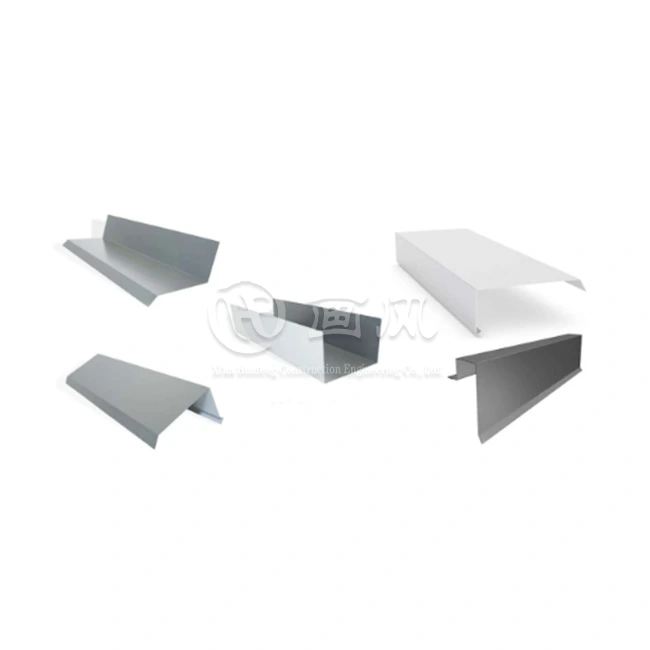
Flashing and trim details require meticulous attention. Valley transitions, ridge closures, and penetration flashings must shed water effectively while accommodating differential movement between dissimilar materials. Pre-manufactured accessories engineered specifically for standing seam systems eliminate field fabrication inconsistencies and reduce installation time.
Maintenance Protocols for Extended Service Life
Routine maintenance preserves appearance and performance while identifying minor issues before they escalate. Annual inspections should examine sealant conditions at terminations, verify fastener tightness on trim components, and clear debris from valleys and gutters. Coastal installations benefit from periodic freshwater rinsing to remove salt accumulation.
Surface cleaning maintains reflective properties and aesthetic appeal. Low-pressure washing with mild detergents removes atmospheric soiling without damaging PVDF finishes. Avoid abrasive cleaners, pressure settings exceeding 1500 psi, or harsh chemicals that degrade protective coatings.
Prompt repair of localized damage prevents progressive deterioration. Small scratches confined to the topcoat can be touch-up painted using manufacturer-supplied materials. Deeper damage penetrating the metallic coating requires patch panels to prevent corrosion. Professional contractors familiar with seam crimping tools ensure repairs maintain system waterproofing and aesthetic consistency.
Conclusion
Standing seam steel roofing sheets deliver unmatched performance across the metrics commercial buyers prioritize—exceptional weather resistance, minimal maintenance requirements, and decades-long service life. The concealed fastener design eliminates leakage points that plague conventional systems while accommodating thermal movement across expansive roof areas. Superior wind uplift ratings, low-slope capabilities, and comprehensive warranty coverage make these systems ideal for demanding commercial applications. Environmental benefits, including recyclability and energy efficiency, align with sustainability mandates increasingly influencing procurement decisions. HF's precision manufacturing, rigorous quality standards, and technical support ensure projects meet performance expectations while maintaining competitive budgets and schedules. This roofing technology represents a strategic investment delivering measurable lifecycle value.
FAQ
1. What lifespan can I expect from standing seam metal roofing?
Properly installed systems with PVDF coatings and aluminum-zinc substrates routinely exceed 40 years of service life. HF panels carry a 30-year warranty, though field performance in non-corrosive environments often extends well beyond warranty periods. Lifespan depends on environmental conditions, maintenance consistency, and substrate-coating specifications. Coastal installations face more aggressive conditions than inland locations, though appropriate material grades mitigate these challenges.
2. Can standing seam panels be installed over existing roofing?
Retrofit applications over existing systems are common and practical, reducing tear-off costs and waste disposal. This approach requires proper separation layers preventing abrasion between surfaces and may utilize hat channel framing systems, creating flat attachment planes. Building codes limit the number of roof layers, and structural capacity must accommodate additional weight. Professional evaluation determines the feasibility for specific conditions.
3. How do these systems perform in extreme temperature zones?
Standing seam roofing excels across temperature extremes. Thermal expansion accommodation through floating clips prevents buckling in high-heat environments. Cold-climate performance remains excellent—metal roofing retains flexibility and strength at subzero temperatures, where asphalt shingles become brittle. Reflective coatings reduce summer cooling loads while integrated insulation maintains winter thermal efficiency.
Partner with HF for Premium Standing Seam Roofing Solutions
Selecting the right standing seam steel roofing sheets supplier determines project success. HF combines advanced manufacturing capabilities with responsive customer service, delivering specification-grade materials on predictable schedules. Our production infrastructure—three factories spanning 200,000 square meters with seven coating lines and over 40 precision machines—ensures consistent quality and scalable capacity for projects of any magnitude. We manufacture panels in thickness ranges from 0.7mm to 1.2mm with seam heights between 25mm and 65mm, all finished with premium PVDF coatings and backed by comprehensive 30-year warranties.
Technical expertise supports your procurement team throughout specification development, material selection, and project execution. Our engineering staff assists with thermal calculations, clip scheduling, and detail design, ensuring optimal performance under your specific conditions. Competitive bulk pricing, 500 square meter minimum orders, and 15-20 day delivery windows accommodate demanding construction schedules. RAL standard and custom colors provide aesthetic flexibility for architectural requirements.
Whether you're specifying for commercial developments, industrial facilities, or institutional projects, HF delivers the quality and reliability your reputation demands. Contact our team at huafeng@hfmetalroof.com to discuss your requirements with an experienced standing seam steel roofing sheets manufacturer. We'll provide detailed technical specifications, material samples, and project quotations tailored to your performance criteria and budget parameters.
References
1. Smith, J.R., and Patterson, M.L. "Long-Term Performance Analysis of Metal Roofing Systems in Commercial Applications." Journal of Building Engineering and Materials Science, Vol. 34, No. 2, 2021.
2. National Roofing Contractors Association. "Metal Roofing Installation Guidelines: Standing Seam Systems." Technical Standards Manual, 8th Edition, 2022.
3. Chen, W., and Rodriguez, A. "Comparative Lifecycle Assessment of Commercial Roofing Systems: Environmental Impact and Economic Analysis." Sustainable Construction Review, Vol. 19, No. 4, 2020.
4. American Society for Testing and Materials. "Standard Test Methods for Structural Performance of Sheet Metal Roof Systems by Uniform Static Air Pressure Difference (ASTM E1592)." Annual Book of Standards, 2023.
5. Thompson, R.K. "Thermal Performance and Energy Efficiency of Reflective Metal Roofing in Varied Climate Zones." Energy Conservation in Building Systems Quarterly, Vol. 28, No. 1, 2022.
6. International Code Council. "Metal Roof System Design and Installation Requirements for Commercial Structures." Building Code Reference Standards, 2021 Edition.





YOU MAY LIKE
_1769761215912.webp "Ventilation noise reduction net")