Best Metal Roof Colors for Standing Seam Metal Roofs
2026-07-02 15:16:21
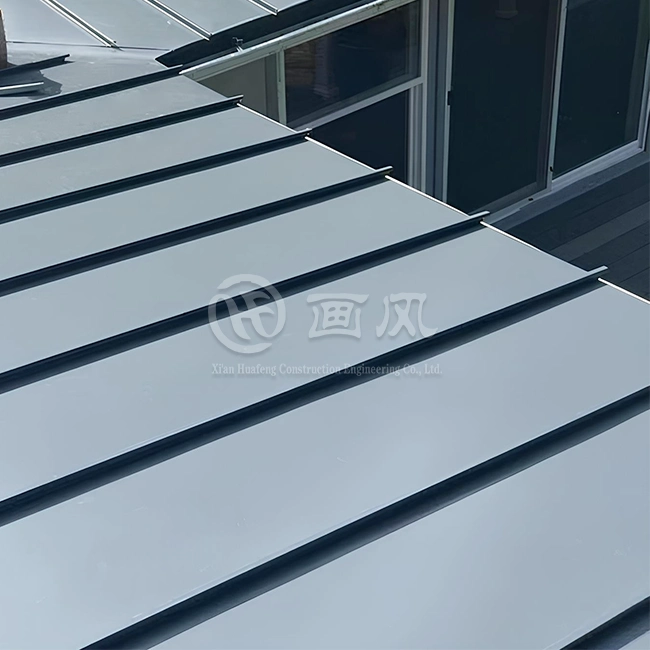
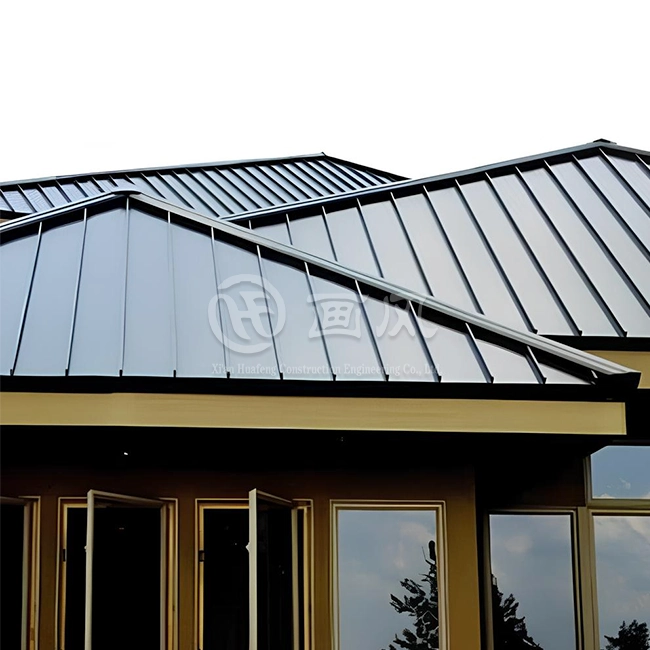
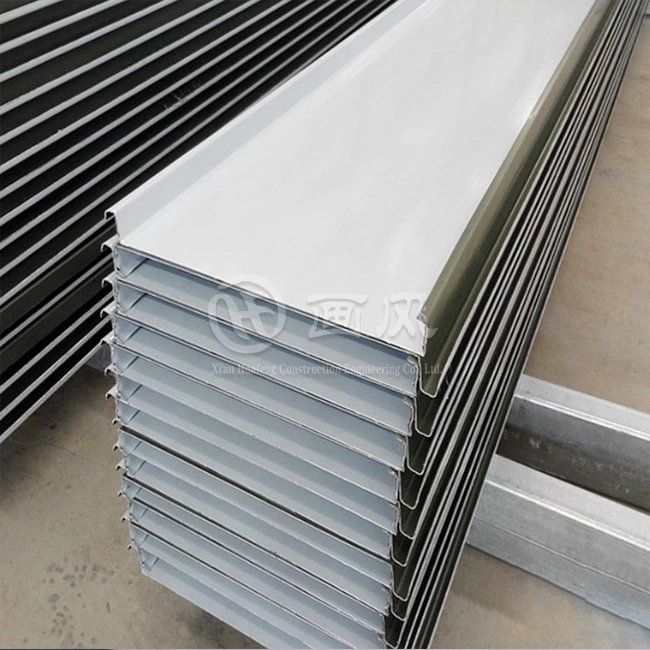
Picking the right colour for standing seam metal roofs affects more than just how it looks. It also affects how well it keeps heat in, how much it costs to run, and how long it lasts. Black standing seam metal roofing panels are one of the most popular choices for business and industrial jobs because they look sleek and modern and go with current building styles. These panels have a great look and are protected by modern covering technologies, like PVDF finishes, that don't fade or chalk and work well in a wide range of climates. Knowing how colour choices affect energy efficiency and upkeep needs is important whether you're in charge of a warehouse makeover or a mixed-use development. This will help you get the most out of the building's term value.

Understanding Metal Roof Colours and Their Impact on Standing Seam Metal Roofs
Procurement workers care a lot about how the colour of a standing seam metal roof affects both how well it works and how it looks. The popular colours, from dark ones like charcoal and bronze to lighter ones like white and beige, change how the sun and air temperature affect a roof. Dark colours soak up more heat, which can be good in colder places because it keeps snow from accumulating, but it can make cooling costs go up in hot places if they aren't paired with coats that reflect heat.
The Role of PVDF and Advanced Coatings
Premium finishes, like Polyvinylidene Fluoride (PVDF) coats, make metal roofs last longer and work better. PVDF-based solutions, which are often sold under the brand name Kynar 500, are better than regular polyester paints at resisting UV damage, colour fade, and chalking. These coatings usually come with warranties that last between 30 and 40 years. This way, even dark panels will keep looking good for decades. At HF, we use PVDF finishes on our black standing seam metal roofing panels, which come with a 30-year promise, to make them look great and last for a long time in tough industrial settings.
Thermal Performance and Energy Implications
The temperature barrier of a building is directly affected by the colours used. Total Solar Reflectance (TSR) and Thermal Emittance measurements show that lighter shades reflect more solar energy, which lowers heat gain and the need for air cooling. Black standing seam metal roofing panels, on the other hand, now have "Cool Roof" tint technologies that reflect infrared wavelengths, which makes dark colours less likely to absorb heat. This new invention lets building managers get the modern look they want without losing energy efficiency, especially when it's used with the right amount of insulation and air on the roof. By comparing these temperature properties to your project's climate zone and energy goals, you can be sure that the design looks good and works well.
Comparing Black Standing Seam Metal Roofing Panels with Other Colours and Roofing Materials
When procurement managers look at different roofing choices, they have to compare the costs up front with how well the roof will work over time. There are clear benefits to black standing seam metal roofing panels over other metal roof colours and more standard materials like asphalt shingles or built-up roofing systems.
Maintenance and Durability Metrics
Most asphalt shingles need to be replaced every 15 to 20 years because they get mossy, lose their granules, and get damaged by wind. Metal roofs, on the other hand, don't rot, attract pests, or grow mould. It also has Class A fire ratings and Class 4 impact protection. Black standing seam metal roofing panels with PVDF coats keep their colour much longer than lighter colours finished with regular polyester, which may start to fade after ten years. This means that it needs less upkeep and doesn't stop working as often, which is important for stores, delivery centres, and factories that are open 24 hours a day.
Thermal Efficiency Across Different Colors
Metal roofs that are lighter in colour, like white or light grey, naturally reflect more sunshine, and their TSR values are often above 60%. In the past, black standing seam metal roofing tiles absorbed more heat, but improvements in the way pigments are made have made this difference much smaller. These days, modern black surfaces can have TSR values close to 30%, along with thermal emittance rates that effectively get rid of absorbed heat in the evening. The insulation qualities are also affected by the panel gauge and covering thickness. For example, 22-gauge substrates are better at preventing thermal bridging than 24-gauge substrates, and they also make the structure stiffer, which reduces problems like oil canning, which is a noticeable wave that can happen on flat metal surfaces.
Weather Resistance and Structural Integrity
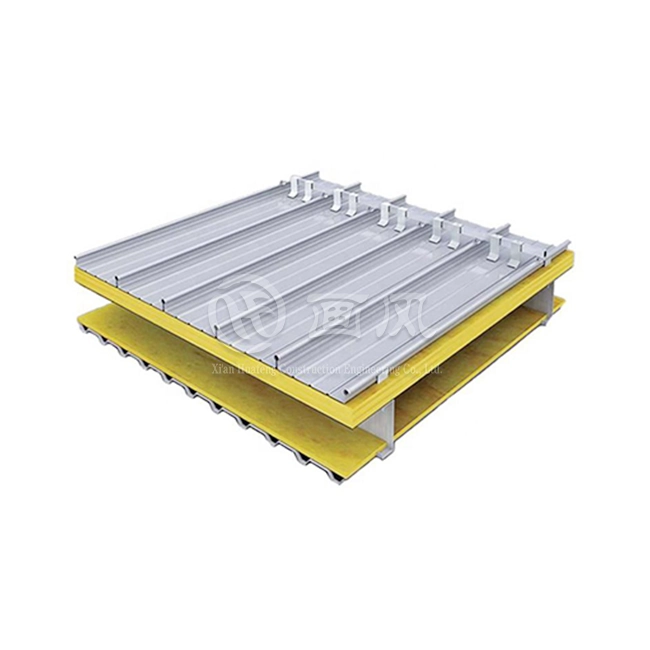
Standing seam systems naturally perform better than open fastener panels because they hide screws under overlapping seams, which gets rid of leak points that can happen when fasteners or washers break. HF's black standing seam metal roofing panels are clip-fastened so they can expand and contract with the temperature. This is important for keeping the panels waterproof because dark metal goes through big temperature changes. Our panels are compatible with foreign building codes and can withstand harsh weather like hurricane-force winds and heavy snow loads. They also meet ASTM A792 standards for Galvalume surfaces and DIN, JIS, BS, and GB/T specs.
Installation, Maintenance, and Lifespan of Black Standing Seam Metal Roofing Panels
For black standing seam metal roofing panels to work at their best, they need to be installed correctly and maintained regularly.
Professional Installation Workflow
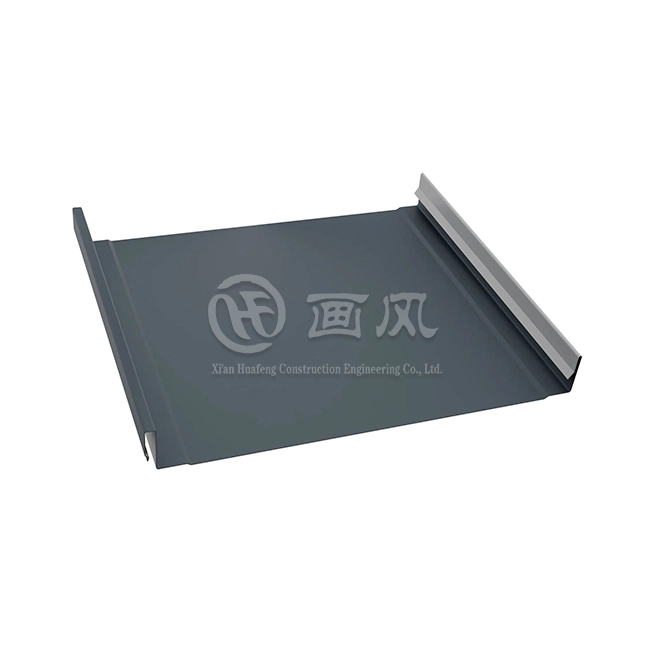
To make sure that standing seam panels are aligned correctly, seams are engaged, and clips are attached, trained workers and special tools are needed. Mechanical seaming tools crimp panel legs together to make links that are waterproof. Snap-lock profiles, which are better for higher slopes, join without tools but have less resistance to wind lifting. HF suggests working with qualified workers who know how to prepare the base, account for temperature movement, and properly install flashing around penetrations. Professional work not only protects the guarantee, but it also stops expensive callbacks caused by leaks, panels that buckle, or fasteners that aren't lined up right.
Scheduled Maintenance and Inspection Protocols
Metal roofs don't need as much maintenance as asphalt or membrane systems, but regular checks keep them looking good and extend their useful life. Every six months, black standing seam metal roofing panels should be cleaned to get rid of dirt, pollen, and industrial waste that can dull the finish. During inspections, the stability of the sealant at the ends should be checked, as well as any broken clips or screws and early signs of paint wear or surface scratches. Taking care of these problems right away keeps the roof's ability to shed water and stops rust from forming on cut edges. Salt spray speeds up rust on uncovered steel edges, so facilities near the coast should use aluminium surfaces instead of galvanised steel.
Lifespan Expectations and Warranty Coverage
If you take good care of them, high-quality black standing seam metal roofing panels with PVDF finishes usually last longer than 40 years. We at HF back up our PVDF-finished panels with a 30-year guarantee that covers fade (measured by Delta E < 5 over 20 years) and chalk protection. The base guarantee, which lasts for 25 to 30 years on average, covers damage like holes and structural failure. These longer contracts give buying teams trust in the long-term performance of assets, which lets them accurately model lifetime costs and lowers the risk of replacing roofs too soon.
Procurement Guide: Buying Black Standing Seam Metal Roofing Panels for B2B Clients
When looking for black standing seam metal roofing panels for big jobs, you need to pay close attention to how much they cost, how much they can be customised, and how reliable the source is.
Pricing Considerations and Economies of Scale
The cost of materials depends on the substrate (aluminium, galvanised steel, or Galvalume), the thickness of the panel (0.4 mm to 1.2 mm), and the type of finish used. PVDF-finished panels cost more than SMP-coated ones, but they last longer, which lowers the total cost of ownership. When you place a bulk order—HF's minimum order size is 500 square meters, or 1 metric ton—you can get savings and make shipping easier. Lead times are usually between 15 and 20 days, which makes it easy to plan projects. Instead of just looking at the unit price per square metre, procurement managers should look at the total fixed cost, which includes freight, installation labour, and the value of the guarantee.
Customisation Options for Engineering Requirements
There are different shapes, seam heights (25mm to 65mm), and panel sizes (300mm to 600mm) for standing seam panels, so each one can meet different building and structural needs. Commercial roofs with low slopes can benefit from mechanical lock profiles that have higher gaps. These profiles help water drain and fight wind lifting. For faster fitting, snap-lock versions may be better for heavier home uses. HF makes panels out of steel, aluminium alloy, stainless steel, copper, and titanium zinc. The panels can be as thin as 0.4 mm or as thick as 1.2 mm (24 to 18 gauge). Custom lengths up to 13 meters get rid of the need for horizontal laps, which makes it more weatherproof and cuts down on installation time. You can choose from smooth, shiny, or rough black finishes for the coating, which lets you follow certain style rules.
Supplier Selection and Compliance Certifications
Suppliers you can trust show that they follow foreign standards like ASTM, DIN, JIS, BS, and GB/T and keep strong quality control systems. HF runs three plants with more than 40 machines and seven production lines. This makes sure that products are always made and delivered on time. Our ISO 9001 and ISO 14001 standards show that we care about managing quality and taking care of the environment. Reliability in a vendor goes beyond the quality of their products and includes quick expert help, clear guarantee management, and the ability to increase production for pressing orders. Checking the track records of suppliers, workplace checks, and licensing paperwork lowers the risk of buying things and makes sure the project's success.
Integrated Installation Services as Strategic Value
Combining the supply of materials with installation services speeds up the work and makes everyone more accountable. HF works with licensed builders all over the US to provide full solutions that make planning easier and cut down on time spent on projects. Integrated services make sure that the right materials are handled, that the right fitting methods are used, and that the guarantee is followed. This lowers the risk of mistakes or delays. This method works well for procurement managers who want a single point of responsibility and reliable project results, especially for companies that are spread out geographically or require quick building plans.
Why Black Is a Preferred Choice: Insights into Market Trends and Advantages
Black standing seam metal roofing panels have gained significant traction in commercial and industrial architecture, driven by aesthetic preferences and functional innovations.
Market Demand and Architectural Compatibility
The rise of Modern Farmhouse, Industrial Chic, and Contemporary design styles has fueled demand for black standing seam metal roofing panels. These panels complement exposed timber, masonry, and glass facades, creating striking contrasts that enhance curb appeal and brand identity. Retail centres, corporate campuses, and mixed-use developments increasingly specify black roofs to project sophistication and modernity. Market data indicates sustained growth in metal roofing adoption, with black finishes capturing an expanding share due to their versatility across residential, commercial, and agricultural applications.
Environmental Benefits and Sustainability Credentials
Metal roofing supports green building initiatives through several pathways. Panels are 100% recyclable at end-of-life, reducing landfill waste compared to asphalt shingles. Low maintenance requirements minimise the use of cleaning chemicals and reduce service-related carbon emissions. Black standing seam metal roofing panels with Cool Roof pigments contribute to LEED credits under the Heat Island Reduction category, while their durability supports credits for Material Reuse and Construction Waste Management. HF's commitment to sustainable manufacturing—evidenced by ISO 14001 certification—aligns with procurement goals targeting environmental stewardship and corporate social responsibility.
Innovations in Coating Technology and Panel Design
Recent advances in PVDF resin chemistry have improved colour retention and thermal performance, enabling black standing seam metal roofing panels to achieve energy efficiency levels previously reserved for lighter shades. Striations and embossed textures engineered into panel profiles reduce oil canning visibility while adding dimensional interest. Research into nano-coatings promises even greater resistance to dirt accumulation and microbial growth, further lowering maintenance demands. These innovations position black standing seam metal roofing panels as a forward-looking solution that balances aesthetic ambition with operational pragmatism, meeting the evolving expectations of architects, engineers, and facility owners.
Conclusion
Choosing the best colour for standing seam metal roofs requires balancing visual goals with performance criteria. Black standing seam metal roofing panels deliver timeless elegance and modern appeal, while advances in coating technology address historical concerns about heat absorption and fade resistance. By evaluating factors such as PVDF finish quality, panel gauge, substrate material, and supplier reliability, procurement professionals can specify roofing systems that optimise lifecycle value and support sustainability objectives. HF's black standing seam metal roofing panels—manufactured to rigorous international standards and backed by comprehensive warranties—offer a proven solution for demanding commercial and industrial applications. Strategic procurement decisions grounded in these insights ensure durable, efficient roofing investments that enhance both building performance and architectural distinction.
FAQ
1. Will black standing seam metal roofing panels make my building too hot?
Not necessarily. Premium black standing seam metal roofing panels feature Cool Roof pigments with high Total Solar Reflectance (TSR) and Thermal Emittance, reflecting non-visible infrared wavelengths to reduce cooling loads compared to standard black paint. Combined with adequate insulation and ventilation, modern black roofs achieve thermal performance comparable to medium-toned options.
2. How do you prevent oil canning on broad black standing seam metal roofing panels?
Oil canning—visible waviness—is minimised by using thicker gauge metal (22-gauge versus 24-gauge), narrowing panel width (12 to 16 inches instead of 18 inches or more), and adding striations or stiffening ribs to flat areas. These design features absorb thermal movement stresses and improve visual flatness across expansive roof planes.
3. Is the black finish prone to fading or chalking?
Standard paints will fade, but black standing seam metal roofing panels coated with 70% PVDF (Kynar 500) come with 30 to 40-year warranties specifically covering fade (measured by Hunter units) and chalking, maintaining the deep black aesthetic for decades. HF's PVDF-finished panels deliver exceptional colour stability even under intense UV exposure.
Partner with HF for Premium Black Standing Seam Metal Roofing Panels
HF stands ready as your trusted black standing seam metal roofing panels manufacturer, combining decades of engineering expertise with state-of-the-art production capabilities across three factories and seven dedicated lines. Our PVDF-finished panels—available in thicknesses from 0.4mm to 1.2mm and seam heights from 25mm to 65mm—meet ASTM, DIN, JIS, BS, and GB/T standards, ensuring compliance and performance on global projects. With a 30-year warranty, 15 to 20-day delivery timelines, and flexible MOQs starting at 500 square meters, we deliver the reliability and customisation B2B clients demand. Contact our team at huafeng@hfmetalroof.com to discuss your project specifications, request technical datasheets, or obtain competitive bulk pricing tailored to your procurement needs.
References
1. Cool Metal Roofing Coalition. (2021). "Thermal Performance of Metal Roofing Systems in Commercial Applications." Metal Roofing Technical Bulletin Series.
2. National Roofing Contractors Association. (2020). "Standing Seam Metal Roof Design and Installation Guidelines." NRCA Roofing Manual.
3. American Society for Testing and Materials. (2019). "ASTM A792: Standard Specification for Steel Sheet, 55% Aluminum-Zinc Alloy-Coated by the Hot-Dip Process." ASTM International Standards.
4. U.S. Green Building Council. (2022). "LEED v4.1 Building Design and Construction: Heat Island Reduction Credits for Roofing Materials." USGBC Technical Reference.
5. Metal Construction Association. (2021). "PVDF Resin Coatings: Performance Characteristics and Warranty Considerations for Architectural Metal Panels." MCA Technical Bulletin 18-21.
6. Building Enclosure Council. (2020). "Lifecycle Cost Analysis of Metal Roofing Systems Compared to Traditional Roofing Materials in Commercial Construction." Journal of Building Enclosure Design, Volume 12, Issue 3.





YOU MAY LIKE
(1)_1763110678300.webp "standing seam metal roof panels")