What are the energy efficiency benefits of using a 24 inch standing seam metal roof?
2026-10-21 20:03:39
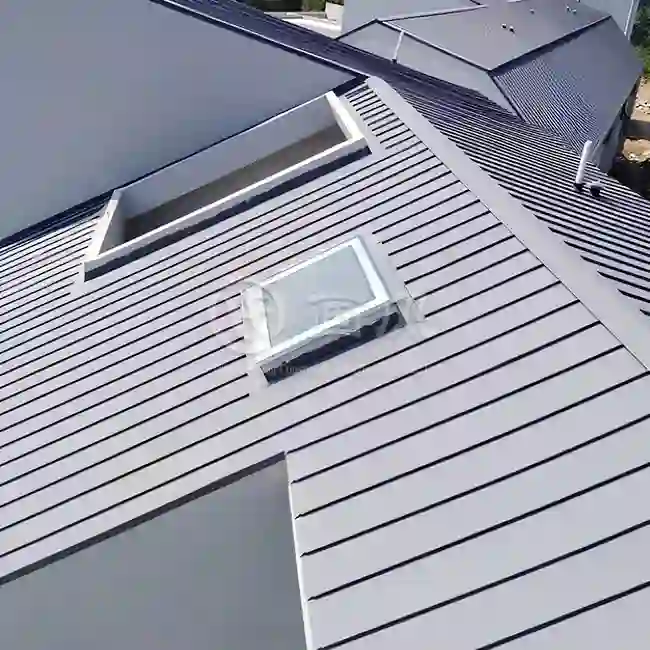
If you manage large-scale roofing projects across the U.S., you already know that material selection directly affects both building performance and operating costs. A 24 inch standing seam metal roof delivers measurable energy savings through solar reflectance, reduced thermal bridging, and superior moisture control — making it one of the most practical choices for commercial and industrial roofing applications today.

Understanding the Energy Efficiency of a 24 Inch Standing Seam Metal Roof
Why Panel Width Affects Energy Performance
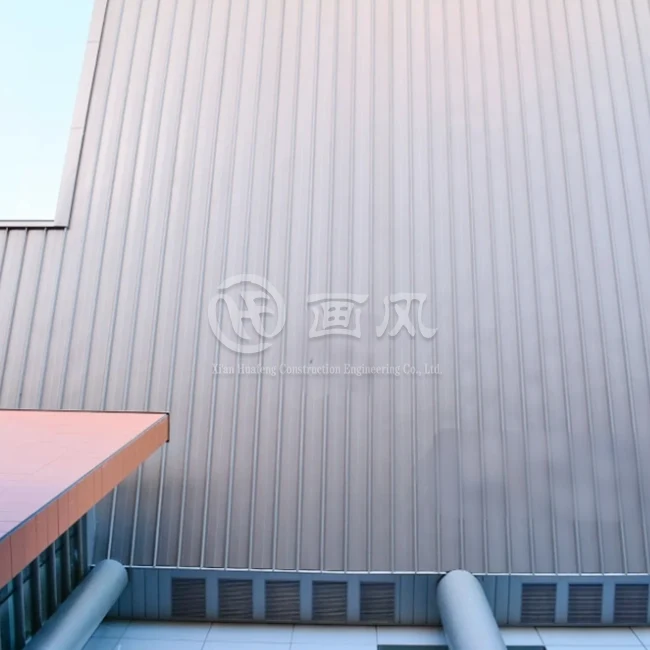
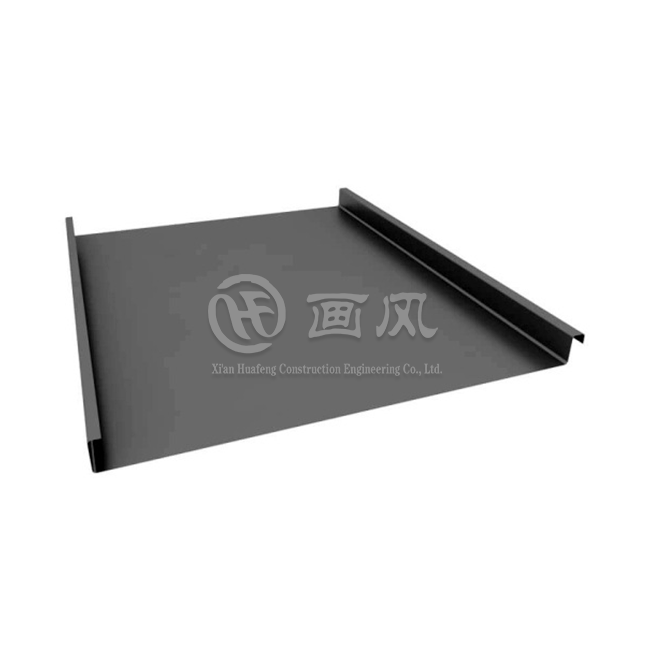
The 24-inch panel width isn't just a matter of taste when it comes to size; it's an engineering choice that has effects on the temperature. There are fewer gaps per roof square when the panels are wider, which directly lowers the number of places where air could get in. There will be fewer thermal bridges, which are places where heat can easily move through the building envelope, if there are fewer seams. The difference between 12-inch and 24-inch panels on a 50,000-square-foot warehouse roof can mean hundreds of linear feet of seams that don't have to be made.
Reflectivity and Emissivity: The Physics Behind the Savings
Metal roofing naturally reflects more solar radiation than asphalt shingles or corrugated panels that haven't been coated. The surface emissivity goes up even more when PVDF (polyvinylidene fluoride) or PE finishes are added, which HF does. This means that the panel not only blocks incoming solar heat, but it also sends absorbed heat back out into the environment more quickly, keeping the building cooler without putting more stress on the HVAC system.
How the 24-Inch Geometry Supports Sub-Roof Ventilation
When the panel is put on top of open purlins, the bigger pan between the raised seams makes a more even air path under it. This wind under the roof cools the building without doing anything, so heat doesn't get to the insulation layers. Optimized ventilation geometry can cut down on cooling needs significantly during the hot summer months on low-slope commercial roofs, which is a common use for a 24 inch standing seam metal roof.
Core Energy Efficiency Benefits of Wide-Panel Standing Seam Roofing
Wide-panel standing seam systems are better for energy efficiency than narrow-profile or through-fastened roofs. For procurement managers and installation workers, these are the main perks that matter:
- Lower cooling loads through cool roof coatings: PVDF-coated panels in light or reflective RAL colors can reflect up to 70% of solar radiation. According to the Cool Roof Rating Council (CRRC), reflective metal roofs can reduce roof surface temperatures by up to 50°F compared to conventional dark-surfaced roofing, directly cutting air conditioning costs in warehouses and production facilities.
- Reduced thermal bridging with hidden clip systems: HF's 24 inch standing seam panels use concealed floating clips rather than through-fasteners. This design eliminates direct metal-to-metal conductive pathways at fastener points, which are a primary source of thermal bridging in screw-down systems. The result is a more consistent thermal barrier across the entire roof plane.
- Moisture exclusion that protects insulation R-value: Condensation within the insulation layer degrades its R-value over time. The double-lock seam geometry available in this profile, combined with factory-applied sealant, meets ASTM E1646 water penetration standards and prevents moisture intrusion that would otherwise compromise long-term energy performance.
Together, these three benefits lower the building's need for heating and cooling over its entire life. This has a direct impact on your clients' energy budgets and the image of your project.
Comparative Analysis: 24-Inch Standing Seam vs. Other Roofing Options
vs. Narrower Standing Seam Panels (12" or 16")
Narrower panels mean more seams per roof area, which means more work to install and a higher chance of heat loss. When you switch from 12-inch to 24-inch panels on a 100,000-square-foot roof, you cut in half the number of seams. The overall thermal envelope of the building is better because there are fewer seam closures. This means that the insulation is put up faster and more consistently.
vs. Corrugated Metal or R-Panel (Through-Fastened)
Through-fastened methods use screws that go through both the panel and the structure base and are visible. As rubber grommets age, each connection acts as a heat bridge and could become a leaky spot. A standing seam system's concealed-clip design completely gets rid of this problem. It also lets wide panels expand and contract with temperature changes without putting stress on the structure, which is very important for aluminum alloy and steel panels in places where temperature changes a lot, and it is a major reason specifiers choose a 24 inch standing seam metal roof.
vs. TPO or EPDM Membrane Roofing
Single-ply membranes can reflect light reasonably at first, but over time, UV light and dirt on the surface make them less effective. Metal plates that have been coated with PVDF stay colored and reflective for a lot longer. HF's PVDF finish passed all 13 of the AAMA 2605-22 tests, with a color uniformity result of ΔEH=0.3 and no cracking under 0T flexibility testing. This shows that the coating will stay stable over time in a way that membrane roofing can't.
Installation and Maintenance Best Practices to Maximize Energy Efficiency
Choose the Right Underlayment for Thermal Performance
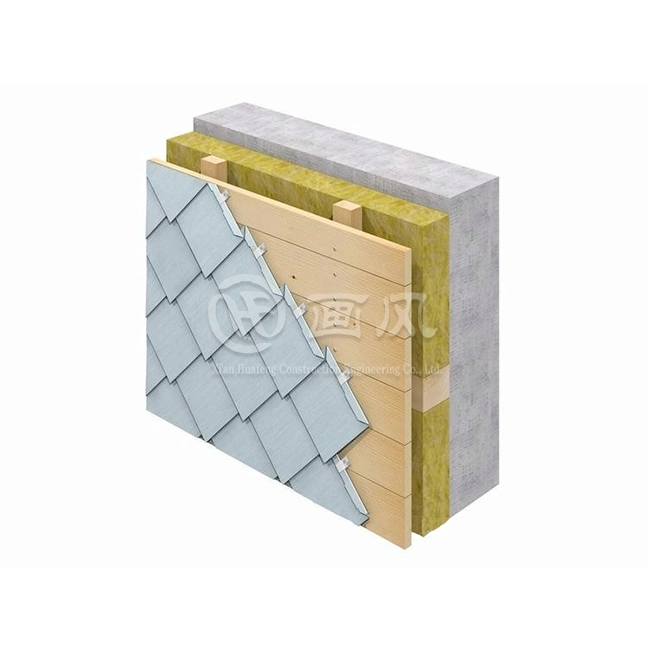
A good synthetic underlayment that is approved for metal roofing acts as an extra barrier against air and moisture below the panels. This layer works with the shape of the panel to keep warm air inside from touching the cold metal surface. This lowers the chance of condensation and keeps the insulation's integrity. If you have a low slope, don't use felt-based underlayments because they keep water in.
Precision Seam Alignment and Clip Spacing
For 24-inch wide panels to keep their thermal movement limit, it is important that the clip spacing stays the same during installation. For runs longer than 30 feet, you need moving clips that let the length move at least 1 to 2 inches. When clips aren't installed correctly, they can put stress on panels and make tiny gaps at the seams, which directly hurts the system's ability to keep air and water out, which is what makes it energy-efficient.
Periodic Coating and Seam Inspections
PVDF and PE coatings last a long time, but it's still a good idea to check the seams and coating surface state every year, especially in seaside or high-UV areas. After a few years, comparing the dry film thickness to NCCA standards (primer 0.2–0.3 mils, topcoat 0.7–0.8 mils) helps find places where recoat may be needed before substrate corrosion starts.
Practical Procurement Insights for B2B Buyers
There's more to choosing the right 24 inch standing seam metal roof supplier than just looking at prices per square foot. When you're a roofing contractor who works on a lot of projects every year, the things that keep your installation schedule and finished quality safe are supply consistency, coating batch uniformity, and panel length tolerance.
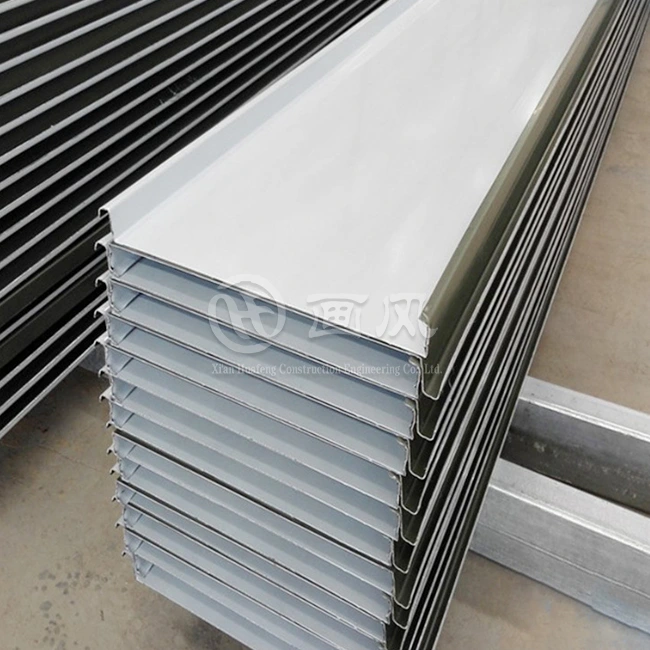
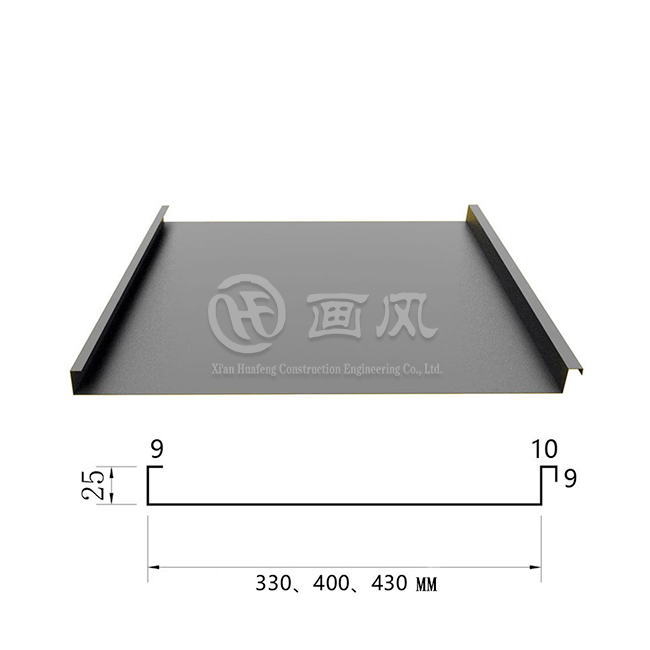
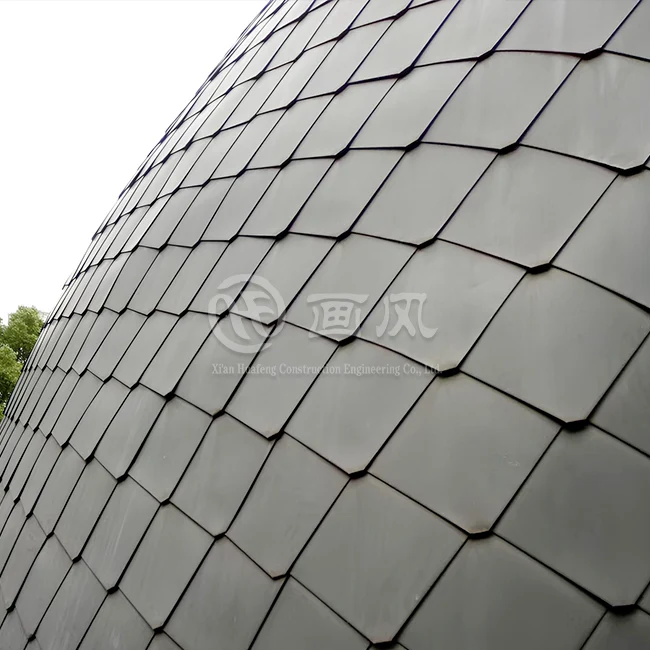
HF has three factories that make wide-panel standing seam systems. These factories have more than forty machines and seven production lines, which together can make 1,000 tons of supplies every month. The panels come in a standard width of 24 inches (610mm), a thickness of 0.5 to 1.2mm, and seam heights of 25 to 65mm (1"–2.55"). Aluminum alloy, Galvalume steel, stainless steel, copper, and titanium zinc are some of the materials that can be used. These can be used for anything from normal business buildings to high-end coastal or architectural projects.
Coatings come in PVDF and PE finishes, and they can match any RAL color or be made to order in any color. HF's aluminum alloy panels have been approved by SGS after passing three separate tests: AS/NZS 1530.3:1999 combustion performance (all six samples did not catch fire), EU RoHS compliance (all ten dangerous substances were below the limits), and AAMA 2605-22 coating performance (all thirteen items passed). These certifications show that the coating is safe for the environment and will last for a long time.
Standards from ASTM, DIN, JIS, BS, and GB/T are met by the products. Minimum order quantity (MOQ) is 500 m²/1T, shipping takes 15–20 days, and each panel comes with a 30-year guarantee.
Conclusion
A 24 inch standing seam metal roof uses less energy because it reflects sunlight, stops thermal bridges, and has seams that don't let water in. The wider profile is more efficient on a large scale than thinner panels or through-fastened options, especially on large commercial and industrial roofs. When procurement professionals look at roofing systems based on how much they cost over their lifetime and how well they perform, this panel profile always gives them a good return. It is important to find a provider that can effectively match your project specs for repeat orders and pair the right material grade and coating with them.
FAQ
1. Does panel color affect energy efficiency on metal roofing?
Yes, significantly. Lighter RAL colors reflect more solar radiation than darker tones. HF offers full RAL color matching in both PVDF and PE finishes, letting you specify colors that balance aesthetic requirements with reflectance targets for your project location.
2. What ASTM standards apply to standing seam metal roofing energy performance?
Key standards include ASTM E1592 (wind uplift), ASTM E1646 (water penetration), and ASTM E1680 (air infiltration). HF panels comply with ASTM along with DIN, JIS, BS, and GB/T standards.
3. Can a 24-inch panel be used on low-slope roofs?
With a mechanical double-lock seam and factory-applied sealant, installation on slopes as low as ¼:12 is achievable. This makes the profile well-suited for large commercial flat-to-low-slope rooftops.
4. How does HF prevent batch color variation across large orders?
HF's PVDF coating passed AAMA 2605-22 color uniformity testing with a ΔEH result of 0.3, confirming tight color consistency. Production runs on 7 dedicated lines across 3 factories support high-volume, consistent output.
5. What is the minimum order quantity for HF panels?
The MOQ is 500 m² or 1 ton, with a standard lead time of 15–20 days.
Partner with HF for Your Next 24 Inch Standing Seam Metal Roof Project
If you need 24 inch standing seam metal roof panels made to North American standards, HF has them. They are ASTM-compliant, PVDF/PE covered, come with a 30-year guarantee, and can make 1,000 tons per month. We can help you find a reliable 24 inch standing seam metal roof manufacturer, whether you are a roofing contractor or a regional distributor. We can match your panel specs, color needs, and delivery schedule. To get a price, email us at huafeng@hfmetalroof.com.
References
1. Cool Roof Rating Council (CRRC). Rated Products Directory and Technical Bulletin on Reflective Roofing. CRRC, 2022.
2. Metal Construction Association (MCA). Guide to Metal Roofing: Energy Efficiency and Sustainability. MCA, 2021.
3. National Roofing Contractors Association (NRCA). The NRCA Roofing Manual: Metal Panel and SPF Roof Systems. NRCA, 2020.
4. American Architectural Manufacturers Association. AAMA 2605-22: Voluntary Specification, Performance Requirements and Test Procedures for Superior Performing Organic Coatings on Aluminum Extrusions and Panels. AAMA, 2022.
5. ASTM International. ASTM E1592: Standard Test Method for Structural Performance of Sheet Metal Roof and Siding Systems by Uniform Static Air Pressure Difference. ASTM, 2019.
6. Oak Ridge National Laboratory. Thermal Performance of Reflective Metal Roofing in Commercial Buildings. U.S. Department of Energy, Building Technologies Office, 2020.





YOU MAY LIKE