What Is 1 Inch Standing Seam Metal Roofing? A Complete Guide
2026-10-20 18:21:22
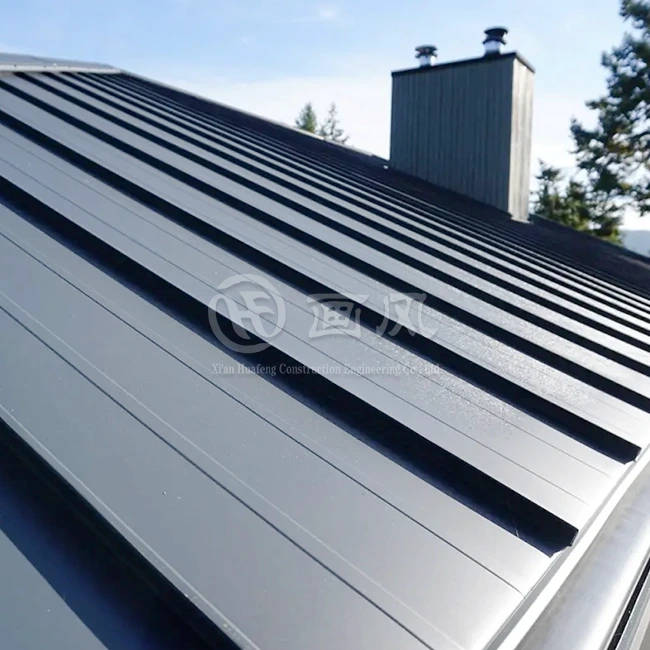
If you work in metal roofing contracting or panel distribution, you have likely encountered the question: what exactly sets a 1 inch standing seam profile apart, and is it the right fit for your next project? The answer matters more than most buyers realize. A 1 inch standing seam metal roofing system is a concealed-fastener panel system where the vertical rib rises exactly one inch (25.4 mm) above the flat pan, locking adjacent panels together without exposed screws. That single design choice affects wind resistance, thermal movement, aesthetics, and long-term cost in ways worth understanding before you place a bulk order.

Understanding 1 Inch Standing Seam Metal Roofing
What the Profile Actually Looks Like?
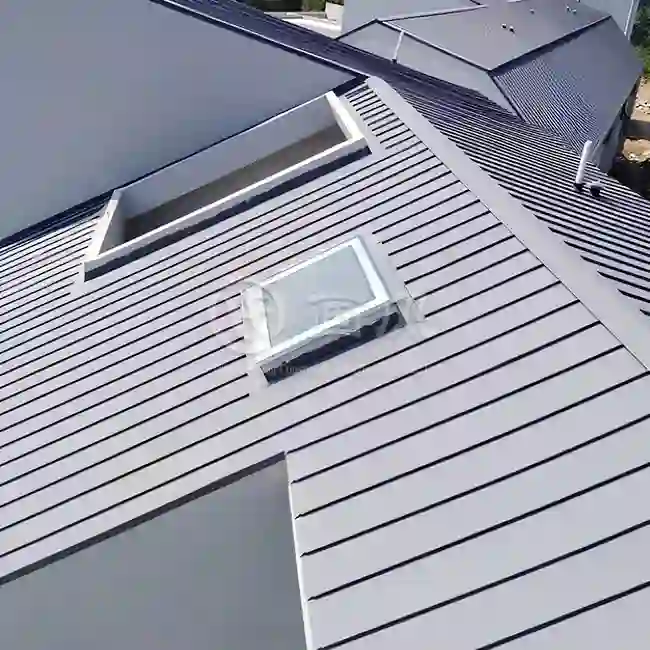
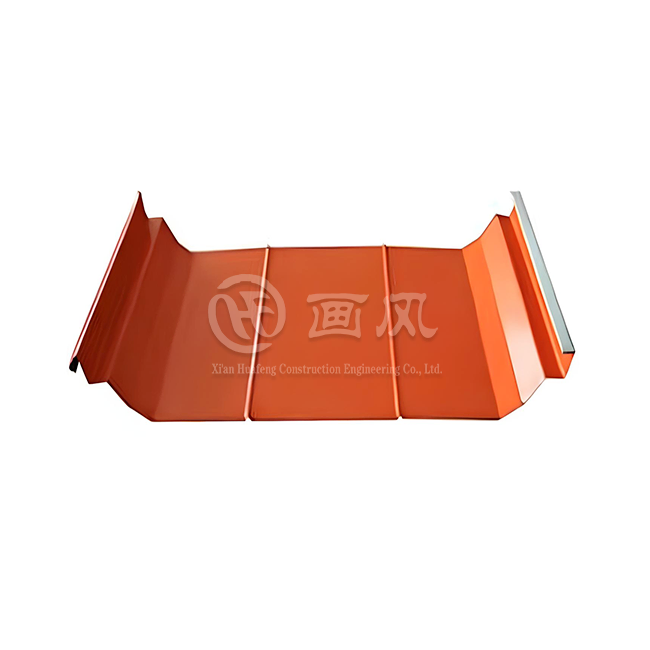
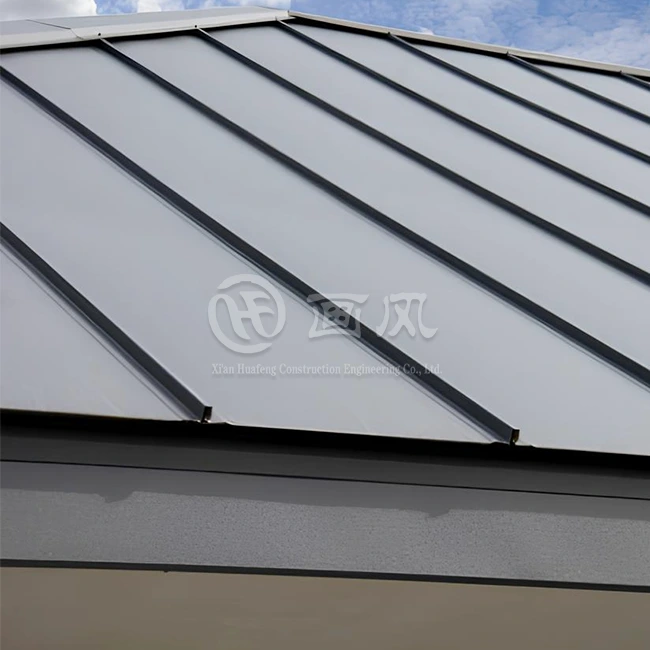
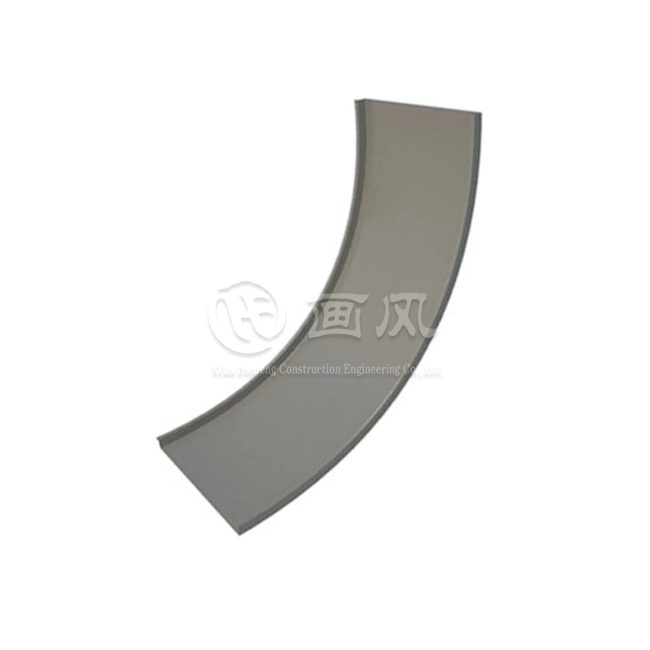
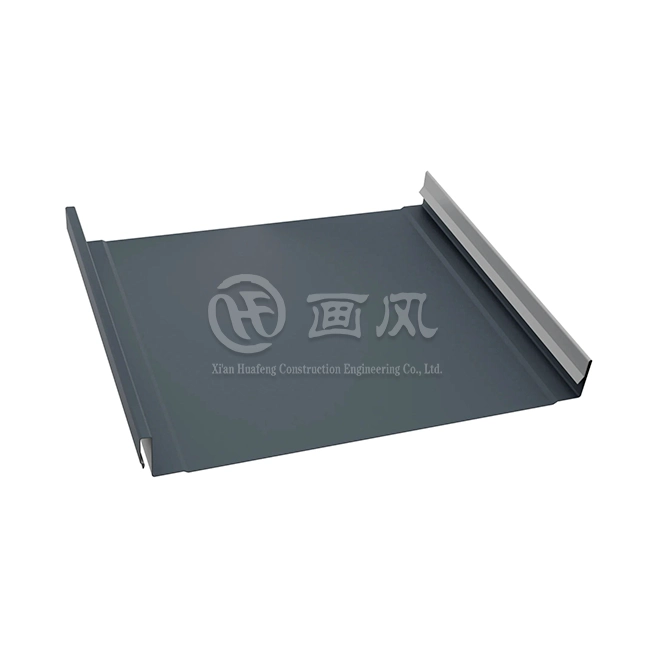
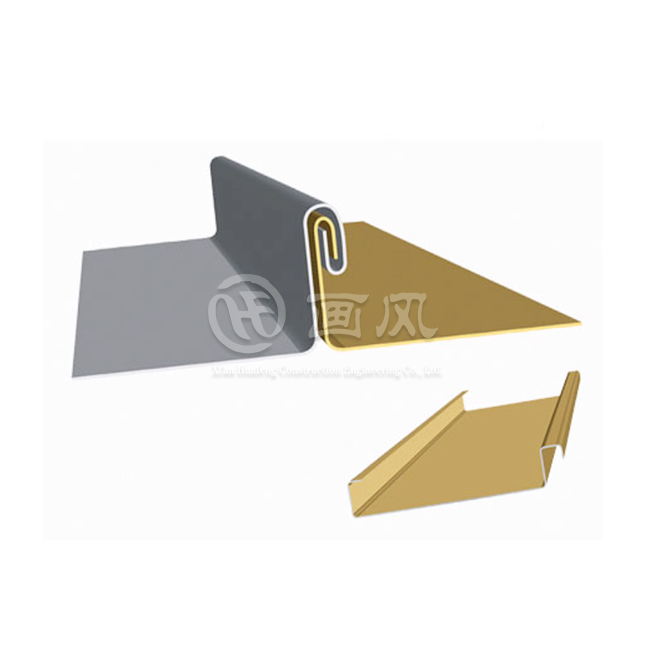
The panel is made up of a flat pan with two raised legs on either side of its long edge. Every fastener is buried below the surface when the male leg snaps or automatically joins into the female leg of the next panel. The end result is a smooth, straight roof face with no hardware that can be seen. This style works well with modern flat-eave architecture in both business and private buildings.
Materials and Coating Options
Panels are made by rolling out Galvalume steel (AZ50/AZ55), an aluminum alloy, or even copper or stainless steel on occasion. For projects that need to keep their color for 30 years, PVDF (Polyvinylidene Fluoride) is used for surface treatment. If money is tight, PE (polyester) is used instead. PVDF coats meet the performance standards set by AAMA 2605 and are much more resistant to UV damage, acid rain, and ocean salt spray than regular paint systems.
Where the Profile Gets Specified?
The 1-inch leg works well on slopes of 3:12 or more, like those found in shopping malls, airport shelters, modern home roofs, light industrial stores, and public buildings. Because of its lower rib height, it fits perfectly with S-5 style solar clamps that don't go through the waterproof layer. This makes it a popular base for rooftop PV panels.
Benefits and Performance of the 1-Inch Profile
Durability You Can Quantify
With hidden fasteners, you don't have to deal with the grommeted screw points that break down on exposed-fastener roofs after 15–20 years. If you put a standing seam system with a PVDF finish the right way, it should last between 40 and 50 years. The 30-year promise that HF offers on its panels shows that the company has faith in the Galvalume base and multi-layer coating stack that passed all 13 AAMA 2605-22 tests, including 5B adhesion and zero cracking in bending tests.
Energy and Environmental Performance
The EPA's cool roof standards are met by PVDF finishes that reflect solar heat away from the building envelope. This lowers cooling loads in hot climates by a measurable amount. When they're done being used, the steel and metal frames can be recycled in their entirety. The aluminum coil material from HF has passed EU RoHS tests (SGS Report TAOPC24008450103), which means that all ten restricted hazardous substances are below the legal limits. This is proof that the material is safe, which is becoming more and more important for green building projects.
Minimal Maintenance Burden
It's easy to keep up with upkeep for 1 inch standing seam metal roofing because there aren't any visible fasteners or caulked joints in the panel field. Every year, crews check the ridges, eaves, and flashing changes and clean out the valleys. The panel field doesn't need much care beyond being washed every so often, which saves money compared to tile or shingle systems that need to be resealed all the time.
Comparison and Decision-Making: Why Choose 1 Inch Standing Seam?
1-Inch vs. 1.5-Inch and 2-Inch Profiles
The slope and wind load are the main factors that determine which seam height to use. The 2-inch mechanically seamed profile can handle uplift zones and low slopes (down to 1:12) because the taller leg gives the mechanical lock more bite. Most of the time, the 1-inch profile, which is either snap-lock or nail-strip, is cheaper per square and easier to install. It also doesn't need a powered seaming machine as much. For slopes of 3:12 or more and normal wind conditions, the 1-inch system provides the same level of weather protection at a lower cost.
Snap-Lock vs. Mechanical Seam in the 1-Inch Class
Most 1-inch panels are snap-lock, which means that the male leg snaps into the female leg without any extra tools. This makes installation much faster for big jobs in homes or small businesses. Some providers offer a mechanical-seam version of the 1-inch profile that has slightly higher uplift ratings. However, the snap-lock version usually meets UL 580 Class 90 wind standards as long as the substrate and clip spacing are designed properly.
Against Asphalt and Corrugated Metal
Asphalt roofs are supposed to last 20 to 30 years in perfect conditions, and when they need to be replaced, they take up a lot of space in landfills. Corrugated metal has screws that are out in the open, which means that each square has hundreds of possible leak points. The 1-inch standing seam doesn't have either of these problems, and even though it costs more up front, it usually costs less over 40 years than shingles on business buildings.
Technical and Installation Insights
Panel Specifications That Matter to Procurement Teams
HF's 1 inch standing seam metal roofing comes in widths ranging from 0.5 mm to 1.2 mm, and its specs cover profiles 25-330, 25-400, and 25-430. The panel sizes range from 300 mm to 600 mm, and your choice of lengths up to 12 m can save time on-site. For most industrial steel uses, 0.5 mm (26 Ga equivalent) is fine for low-cost jobs, while 0.7 mm aluminum is best for coastal environments. The RAL system is used to choose colors, and custom matches can be made. The consistency of each batch of colors is checked against ASTM D2244, which directly addresses the issue of color variation that often comes up in projects with multiple shipments.
Installation Sequence and Tool Compatibility
The four-step process goes like this: put the waterproof membrane on a flat base; then, place secret sliding clips every 18 to 24 inches; then, snap or roll-lock the panel seams; and finally, finish the ridges, eaves, and gable ends with formed trim. The moving clip design lets the panel float in temperature changes without buckleing. This is important for aluminum, which grows about twice as much as steel does for every degree change. For snap-lock versions, you don't need a special powered seamer, so your crew's tools will still work.
Waterproofing and Slope Requirements
The NRCA and the building industry agree that a 1-inch profile should have a minimum slope of 3:12. Water moves more slowly below that level, letting wind-driven rain cross the seam. The female leg has a secondary seal made of hot-melt sealant that was applied at the factory. This helps the system pass the ASTM E1646 water penetration tests. To keep out wind-driven rain for decades, eave and ridge flashings need to be mechanically hemmed, not just caulked.
Procurement and Supplier Guidance for Global B2B Clients
What to Verify Before Signing a Purchase Order?
A common buying risk is to look for a 1 inch standing seam metal roofing provider without first checking the paperwork. Four things that can't be changed are the ASTM E1592 structural performance test reports (wind uplift), the PVDF coating test results against AAMA 2605, a confirmed color-match process for orders of more than one batch, and published panel tolerances for rib height (±1/32 inch) and length. All of these are met by HF. The panels meet ASTM, DIN, JIS, BS, and GB/T standards, and SGS checks the performance of the finish on its own.
HF Production Capacity and Lead Times
HF has three factories in Anhui, Hangzhou, and Xi'an. These factories have seven color-coating lines and more than 40 processing machines. The monthly supply capacity is 1,000 tons. The minimum order amount is 500 m², which is equal to 1 ton. This is set up so that it matches the volume of a single job, rather than making contractors keep too much on hand. Standard delivery takes 15–20 days after an order is confirmed, which is a good amount of time for North American projects.
Packaging and Damage Prevention
One of the most common complaints from builders who import metal panels is that the panels get bent while they're being shipped. HF ships panels in strong boxes that keep the edges from getting crushed and the surface from getting scratched during ocean freight. Each bundle is labeled with batch and coating information to make sorting on the job site easy. This lowers the chance of putting panels from different production runs together on a roof face that can be seen.
Conclusion
A 1 inch standing seam metal roofing roof has been shown to be more weatherproof, thermally adaptable, esthetically pleasing, and durable than most other types of roofing. It also lasts longer and costs less overall. The hidden fastener design gets rid of thousands of possible leak points. The PVDF coatings stay colored and stick to the surface for decades, and the profile is easier to install than structural seams that are higher up. For contractors and distributors who buy a lot of panels, the right supplier can handle all of the specification checks, such as ASTM compliance, coating test data, batch color control, and packaging integrity.
FAQ
1. What minimum slope does a 1-inch standing seam profile require?
A minimum roof pitch of 3:12 is required by industry norms and NRCA rules. Below that, the water moves more slowly, and wind-driven rain can break through the seam. A 2-inch manually seamed shape is what you need for slopes less than 3:12.
2. How long will a 1-inch standing seam roof last on a commercial building?
A PVDF-coated Galvalume substrate and proper installation should give you 40 to 50 years of service. HF guaranties their products for 30 years. When you use hidden fasteners, the main point of failure is taken away, which is why exposed-fastener roofs only last 15–20 years.
3. Can I install solar panels without penetrating the roof?
Yes. Clamps that don't go through the material (like S-5! brackets) hold the seam directly. Make sure that the shape of the clamp fits the 1-inch profile. Before installing a clip-based system, make sure that the technical load tables can handle the weight of the array.
4. What is the MOQ for HF's panels?
The smallest amount that can be ordered is 500 square meters, which is about 1 ton. This is enough for a single project and keeps most contractors from having extra inventory.
5. Does HF offer custom colors?
Yes, HF can match RAL colors and take orders for special shades. To keep differences between orders of the same project to a minimum, batch color uniformity is checked against ASTM D2244.
Get a Quote from HF — Your Trusted 1 Inch Standing Seam Metal Roofing Manufacturer
Every month, HF's three companies make 1,000 tons of approved 1 inch standing seam metal roofings. These panels are delivered in 15–20 days, and the MOQ is based on the size of the actual project. You can get specs, samples, and prices from our team right away, whether you need standard Galvalume panels or custom PVDF coatings that match RAL colors. To get a price on your job, email us at huafeng@hfmetalroof.com.
References
1. Metal Construction Association (MCA). Technical Guide for Metal Roof and Wall Panels. 2021.
2. National Roofing Contractors Association (NRCA). The NRCA Roofing Manual: Metal Panel and SPF Roof Systems. 2022.
3. American Iron and Steel Institute (AISI). North American Standard for the Design of Cold-Formed Steel Structural Members. 2016.
4. ASTM International. ASTM E1592: Standard Test Method for Structural Performance of Sheet Metal Roof and Siding Systems by Uniform Static Air Pressure Difference. 2023.
5. American Architectural Manufacturers Association (AAMA). AAMA 2605: Voluntary Specification, Performance Requirements and Test Procedures for Superior Performing Organic Coatings on Aluminum Extrusions and Panels. 2022.
6. U.S. Department of Energy, Oak Ridge National Laboratory. Cool Roof Technology and Energy Performance in Commercial Buildings. 2020.





YOU MAY LIKE