How to Choose DIY Standing Seam Roof Panels for Your Home
2026-10-20 18:21:20
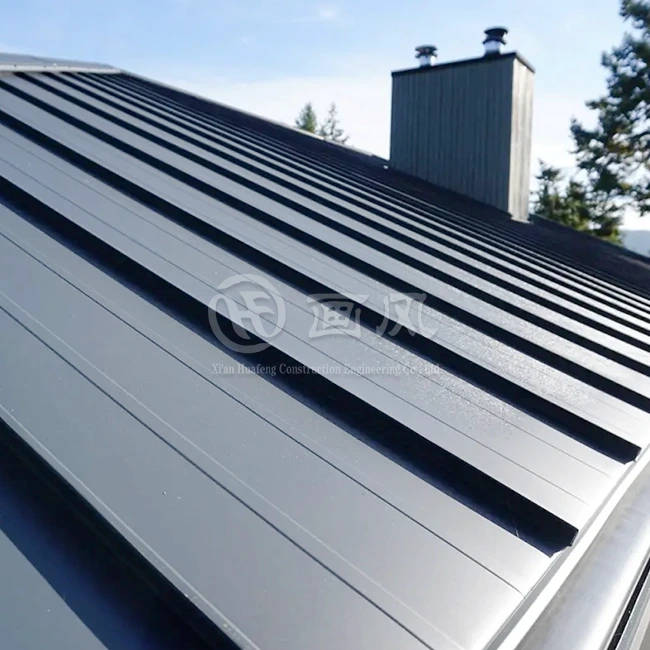
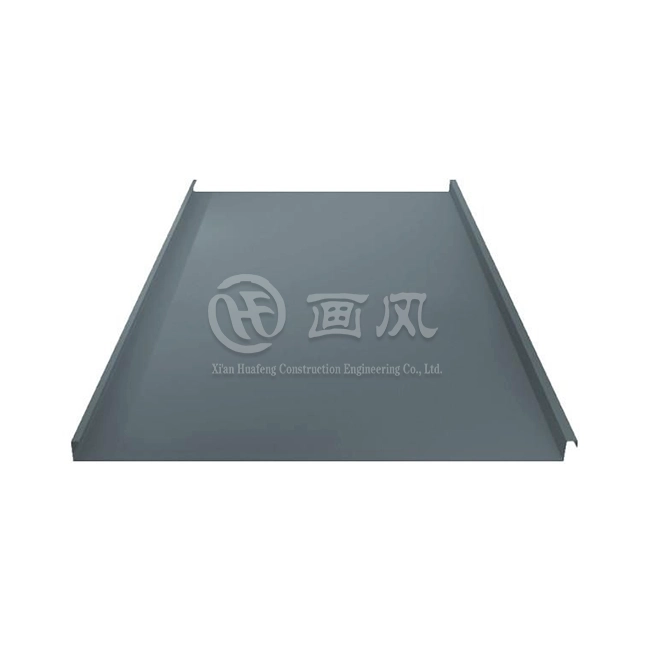
Choosing the right diy standing seam roof panels starts with understanding what separates a sound investment from a costly mistake. These panels feature vertical raised seams that interlock from eave to ridge, hiding fasteners completely and eliminating the most common source of roof leaks. Made from Galvalume steel, galvanized steel, or aluminum in thicknesses ranging from 0.5 mm to 1.2 mm, they suit residential reroof projects, sheds, and light commercial builds alike. Getting the selection right means evaluating material grade, coating type, panel profile, supplier reliability, and installation method before a single panel ships.

Understanding DIY Standing Seam Roof Panels
What Makes Standing Seam Different?
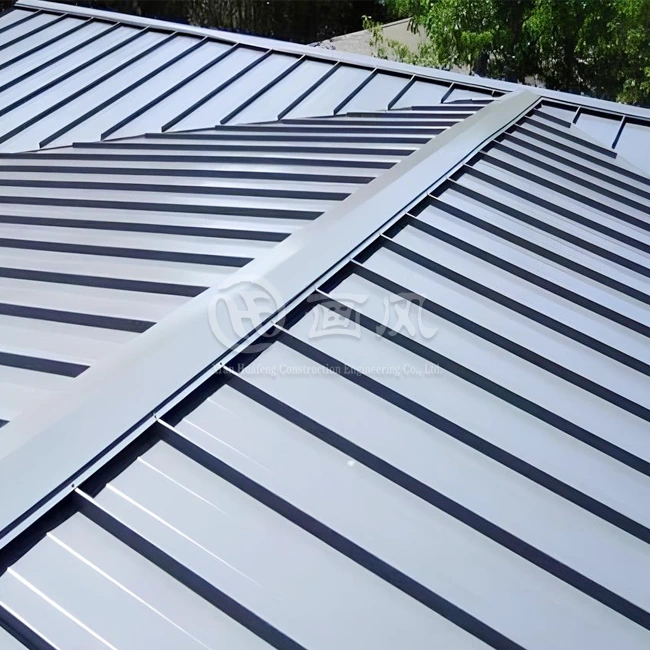
Standing seam systems use a concealed fastener or snap-lock mechanism instead of corrugated panels with exposed fasteners. The raised seam is above the water line, so water doesn't pool around the screw holes when it rains or snows. A report from the Metal Construction Association says that concealed-fastener metal roofs can last up to 70 years, which is a lot longer than asphalt shingles' 15–25-year lifespan.
Common Materials and Their Trade-offs
Galvalume (AZ50/AZ55) is the standard for corrosion protection in most areas in North America. In seaside or high-humidity areas, aluminum is the best choice because it doesn't have a base steel foundation that can rust. Galvanized steel (G90) is less expensive than Galvalume, but it needs a strong finish to last as long. For people who want to do it themselves, 24-gauge steel or 0.7 mm aluminum panels are the best combination of being strong and being easy to work with on the roof.
Avoiding the Most Common Problems
Most of the time, oil canning and fastener corrosion are the two problems that come up in field reports. If you choose diy standing seam roof panels with strengthening ribs pressed into the pan and 24-gauge stock over lighter 26-gauge, oil canning—the slight wavelines you can see in flat metal pans—will be less noticeable. There is almost no fastener corrosion when a hidden-fastener or snap-lock profile is used correctly, since the screw head is never exposed to the weather.
Key Criteria for Selecting the Right DIY Standing Seam Roof Panels
Material Grade and Panel Thickness
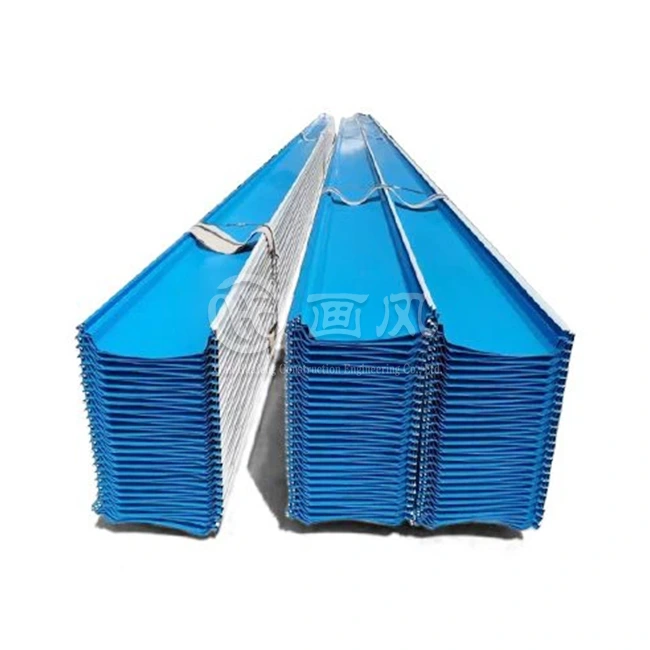
The thickness of a panel directly affects how well a structure works. When building a shed, a 0.5 mm panel is good for light-duty use. A 0.7 mm to 1.0 mm panel is better for areas with a lot of snow and strong winds. Panels that are approved to ASTM A792 (Galvalume) or ASTM B209 (aluminum sheet) are better than a supplier's word because they can be checked. HF makes panels with thicknesses ranging from 0.5 mm to 1.2 mm and specifications such as 25-330/400/430, 32-410, 45-400, and 65-400/430. These panels are suitable for most domestic and light business profiles.
Coating Type and Color Options
The covering keeps the color on the material for a long time and protects it. PVDF (polyvinylidene fluoride) coatings, which are sold under brand names like Kynar 500®, are much more resistant to UV damage, chalking, and chemical exposure than regular polyester. All 13 of AAMA 2605-22's performance tests were passed by HF's PVDF coating, proving that it is color-uniform, sticks well, and is flexible. With a large range of RAL and Pantone colors, buyers can easily match the color of a panel to meet energy rules or brand standards without having to pay extra for custom work.
Installation Skill Level and Tooling
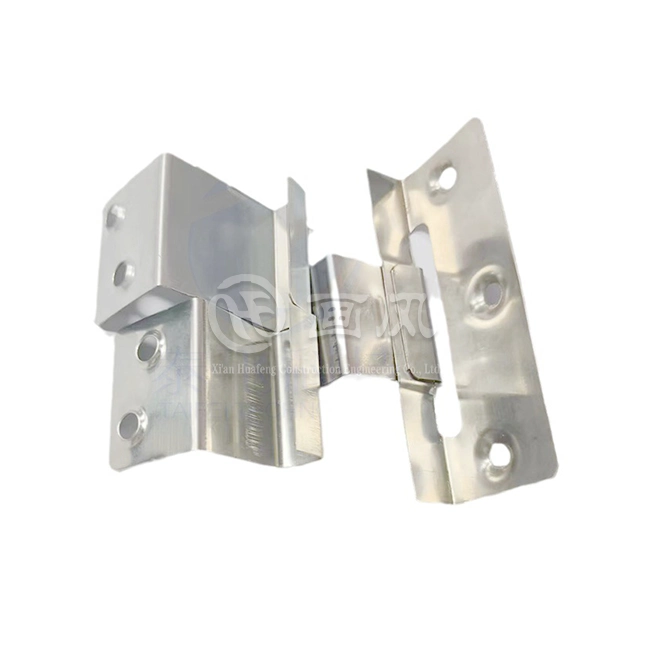
Snap-lock diy standing seam roof panels are designed so that they can be installed by anyone. You can use your hand or a foam hammer to click the male leg over the female leg of the next panel. You don't need an electric seaming robot for this. The standard recommendation for snap-lock systems in the industry is a roof pitch of at least 3:12. Buyers should make sure that the source offers a detailed installation guide and video support. This is because clear paperwork directly lowers the number of returns and customer service calls after the product hits store shelves.
Evaluating Market Options: Brands, Suppliers, and Pricing
How to Compare Suppliers Objectively
It's important to look at more than just the price per square foot. You should also look at the coating approval, gage tolerance, wait time, and minimum order number. A seller offering a low unit price on uncertified 26-gauge steel might charge more in guarantee claims and returns than one offering 24-gauge steel that is ASTM-certified. Before committing to a large order, get test certificates from the mill and reports from a third party, such as SGS or Intertek.
Pricing Benchmarks and Volume Structures
In the U.S., steel snap-lock panels cost between $3.00 and $6.50 per square foot and aluminum ones cost between $4.50 and $9.00, based on the gage, finish, and size of the order. Buyers in bulk or under their own brands who buy directly from manufacturers can get much lower unit costs when they order at the standard 500 m² or 1-ton minimum. HF has three factories and seven production lines that can handle up to 1,000 tons of orders per month. This means that big restocking orders don't get stuck in a production line.
Value-Added Services That Protect Margin
Procurement teams should ask about more than just the panel itself. They should also ask about retail-ready packaging, custom SKU labeling, and co-branded installation cards. These specifics clear things up in the store, lower the number of returns, and keep the gross profit high on the shelf. HF ships in 15 to 20 days and accepts ASTM, DIN, JIS, BS, and GB/T standards. This makes it easy to get cross-border compliance paperwork for import needs in North America and Australia.
DIY Installation Process and Practical Recommendations
Step-by-Step Workflow
A clean operation always does things in the same order. Start with a flat, stable deck made of plywood or OSB that is at least ½ inch thick. Cover the metal roof with a high-temperature plastic insulation. Put the starter trim on the eave and then put the bottom of the first panel over it. At the seam, each panel snaps over the one before it. A ridge cap and rake trim finish off the outside. As much as possible, keep panel lengths below 30 feet so that they can expand with the temperature without buckleing.
Tools Required and Safety Notes
Here are the essential tools for a straightforward snap-lock installation:
- Aviation snips or a circular saw with a metal-cutting blade can be used to cut panels to the right length at the rake or ridge.
- Rubber mallet for pressing down on snap-lock gaps without damaging the pan.
- Magnetic stud finder and chalk line to make sure the panels are lined up correctly from the very beginning.
- Fall protection harness and roof jacks that are rated for the slope and load—must have on any slope above 4:12.
These four things cover most diy standing seam roof panels installations. If your hip roof is complicated or has more than one valley, you should get help from a professional. This is because valley flashing design needs trim to be made in the field, which takes more experience.
DIY vs. Professional Installation
As little as $3.00 to $5.00 per square foot can be saved by installing things yourself on a simple slanted roof. Time and risk are the trade-offs. If a mistake in installation lets water in and the buyer can't show that the installation was done correctly according to the manufacturer's instructions, the warranty claim may be turned down. Taking pictures at every step helps both the customer and the store in case of a disagreement.
Ensuring Long-Term Performance and Value
Maintenance Best Practices
Standing seam metal roofing doesn't need much maintenance. Twice a year, clean out the valleys and gutters of any trash. Every five years, check the sealant at penetrations like pipe boots and window corners and replace it if it needs to be. PVDF-coated surfaces should not be cleaned with rough chemicals; a light detergent and low-pressure rinse will keep the gloss level of the coating.
Energy Efficiency and Insulation
The Oak Ridge National Laboratory did study on reflective metal roofing and found that roofs with light-colored or reflective PVDF coats can cut peak cooling loads by 10 to 25 percent. Putting in a continuous layer of rigid foam insulation above the deck and a vented air gap under the panel improves performance even more and helps meet ENERGY STAR and California Title 24 requirements for retail markets in North America.
Long-Term Cost Comparison
When you add up the costs of labor, removal, and rising material prices over 30 years, a standing seam metal roof usually costs less than two sets of asphalt shingles. With a 30-year warranty, HF stands behinds its panels, giving procurement teams a clear, backed-up claim that the materials can be used for packaging and point-of-sale materials.
Conclusion
Finding the right metal roofing panels means meeting the end-use setting with the right material grade, coating performance, panel shape, and supplier capabilities. When people are looking for diy standing seam roof panels to sell in stores or online, the most important things for them are a supplier with the production capacity to reliably restock, certified gage tolerance, and proven PVDF coating quality. They also want retail-ready packaging support. Low return rates and brand image on the shelf are both helped by panels that work well in the field. A 30-year warranty backed by test data from a third party can turn a common product into a private-label SKU that can be defended.
FAQ
1. Can a homeowner install snap-lock standing seam panels without professional help?
Yes, on roofs with a simple gable shape and a pitch of 3:12 or more. Electric seaming tools are not needed for snap-lock panels. The main needs are above-average hands-on skills and a full installation guide. Hip or mansard roofs are more complicated and should only be put on by a professional.
2. What panel thickness should I choose for a snowy or high-wind climate?
Choose 0.7 mm (about 22–24 gage) or thicker in places with a lot of snow or high winds like hurricane zones. Sheds and other outbuildings that are in mild areas and don't have to hold as much weight should use thinner 0.5 mm walls.
3. Is PVDF coating worth the price premium over polyester?
Yes, for outside uses that will be affected by UV light and weather. Standard polyester (SMP) loses its color and gloss much faster than PVDF. Independent AAMA 2605-22 testing shows that PVDF is resistant to chalking, chemical exposure, and temperature cycling. Polyester can be used inside or for short periods of time.
4. What is the minimum order quantity for private-label sourcing?
The smallest amount you can order from HF is 500 square meters, which is equal to 1 ton. Delivery usually takes 15 to 20 days. Smaller retailers can use this price point to try out a new SKU before buying more of it.
5. Do these panels meet North American building codes?
The HF panels meet ASTM standards and have been tested by SGS under the AS/NZS, EU RoHS, and AAMA 2605-22 procedures. Before finalizing specifications, buyers should check with their local government to make sure they meet the requirements, especially for California Title 24 energy compliance.
Partner with HF for Reliable DIY Standing Seam Roof Panels
HF (Xi'an Huafeng Construction Engineering Co., Ltd.) operates three factories, seven production lines, and more than 40 machines with a monthly supply capacity of 1,000 tons. As a trusted diy standing seam roof panels supplier, HF offers PVDF/PE-coated panels in thicknesses from 0.5 mm to 1.2 mm, full RAL/Pantone color selection, a 30-year warranty, and 15-to-20-day delivery. Contact our team at huafeng@hfmetalroof.com to request samples and pricing today.
References
1. Metal Construction Association. Metal Roofing Systems Design Manual. 2020.
2. Oak Ridge National Laboratory. Reflective Metal Roofing and Energy Performance in Commercial Buildings. 2019.
3. American Architectural Manufacturers Association. AAMA 2605-22: Voluntary Specification, Performance Requirements and Test Procedures for Superior Performing Organic Coatings on Aluminum Extrusions and Panels. 2022.
4. ASTM International. ASTM A792/A792M: Standard Specification for Steel Sheet, 55% Aluminum-Zinc Alloy-Coated by the Hot-Dip Process. 2023.
5. Metal Roofing Alliance. Homeowner's Guide to Metal Roofing. 2021.
6. U.S. Department of Energy, Building Technologies Office. ENERGY STAR Reflective Roof Products: Technical Requirements and Performance Data. 2022.





YOU MAY LIKE
_1769761215912.webp "Ventilation noise reduction net")