What Is Double Lok Metal Roof Panels System for High Wind Resistance
2026-10-20 18:21:18
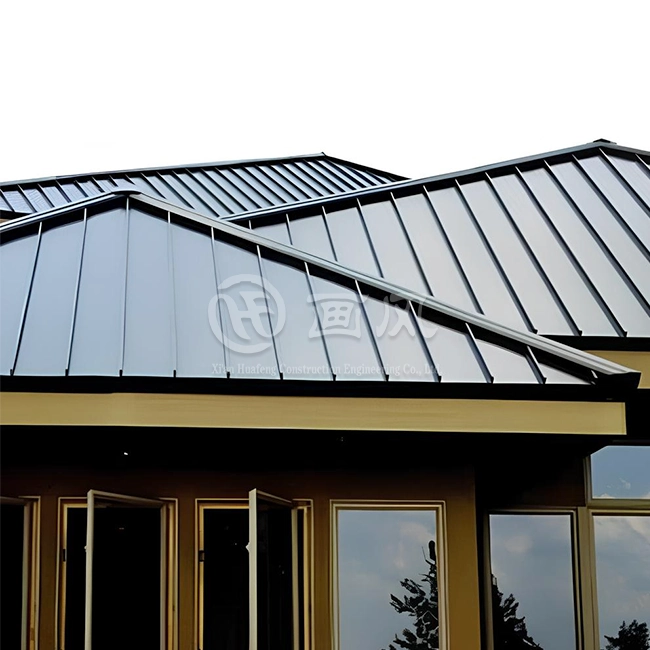
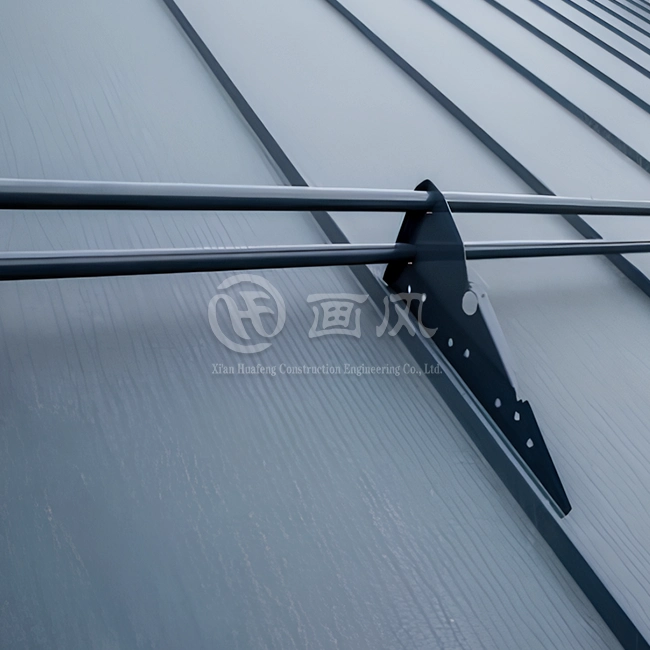
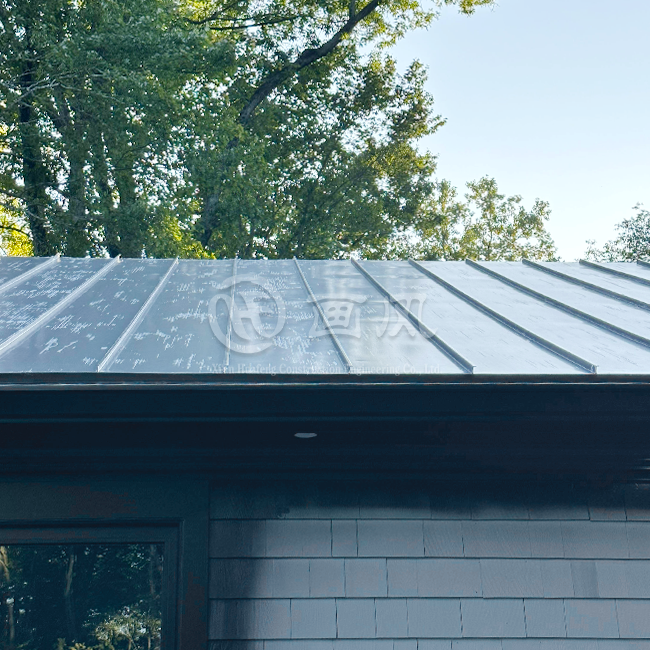
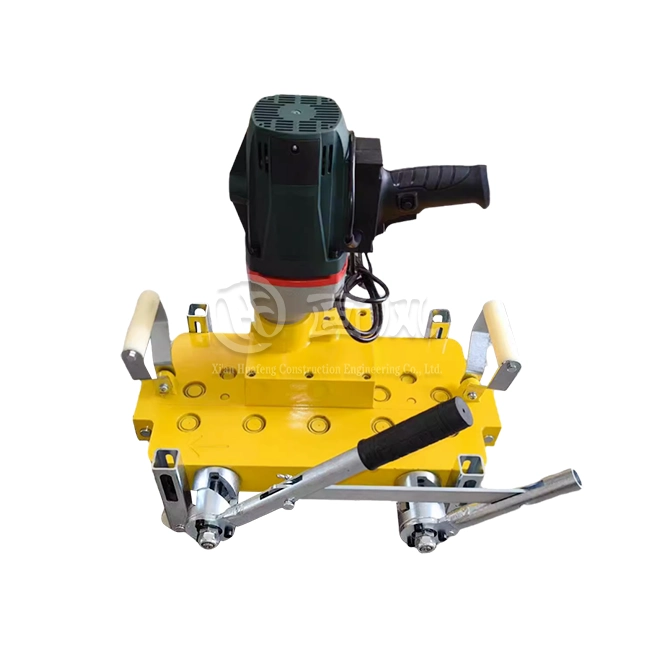
The Double Lok metal roof panels system is a mechanically field-seamed standing seam roofing solution designed for low-slope, large-span commercial and industrial buildings. Its defining feature is a 360-degree double-folded Pittsburgh seam, which a robotic electric seamer crimps tightly on-site to create a watertight, structurally sound barrier. Unlike snap-lock profiles, this system attaches panels through concealed floating clips, allowing thermal movement while delivering wind uplift resistance that meets UL 580 Class 90 and FM Global 1-90 standards. For estimators and procurement managers sourcing roofing systems for high-wind zones, understanding how this system works is the first step toward specification confidence.

Understanding the Double Lok Metal Roof Panels System
What Makes the Double Seam Different?
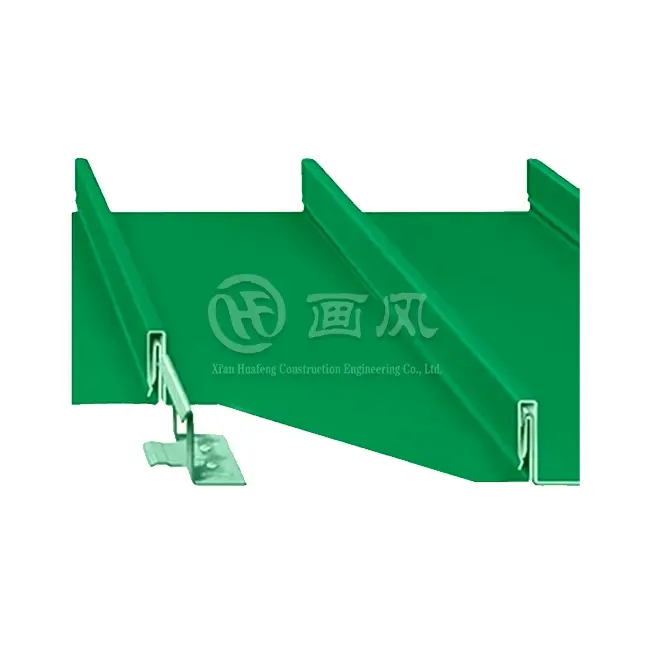
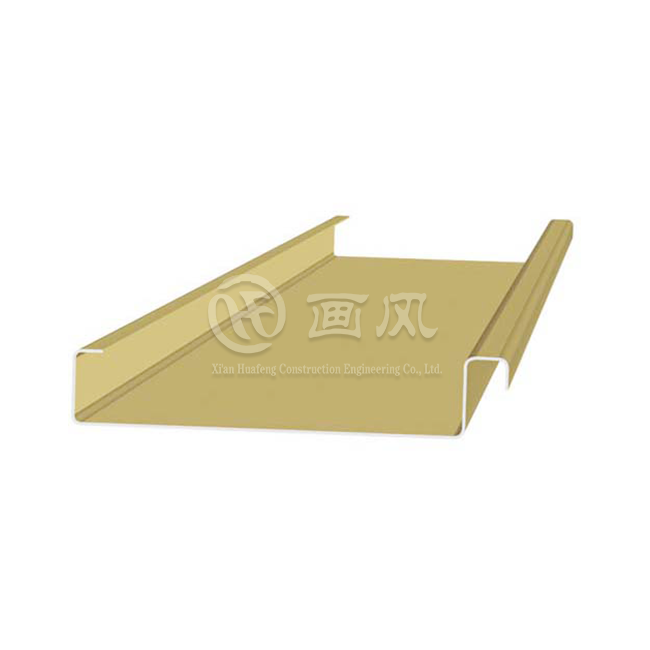
Most snap-lock seams only fold in half once and stay closed with friction. The male and female panel legs fit together perfectly because the double-lock seam folds all the way around. This makes the seams automatically seal. This curve forms a structural barrier that goes across open purlins. At this point, the system can handle slopes as low as 1/4:12 and still not leak when water pressure is used.
Panel Profiles and Sizing Options
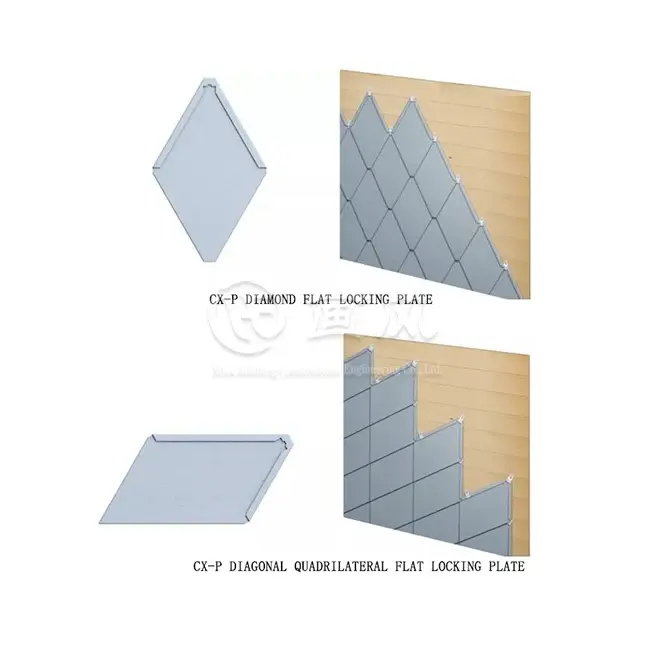
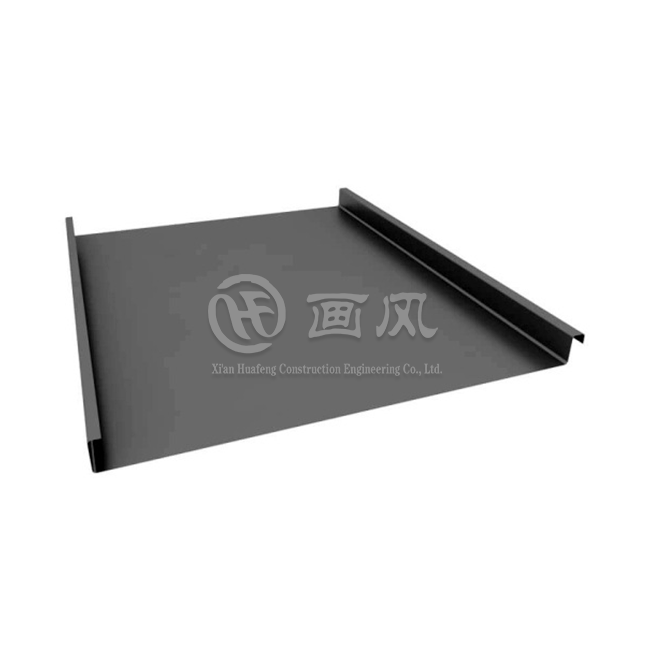
HF's double lok roof panels have seams that are 25 mm to 65 mm (1" to 2.55") high and are made of material that is 0.5 mm to 1.2 mm thick. In place of the zinc, you can use an aluminum metal, steel, stainless steel, copper, or titanium zinc. The finishes are either PVDF or PE, and they can be any RAL color or a color that you choose. They also follow the rules set by ASTM, DIN, JIS, BS, and GB/T.
Low-Maintenance Performance Over Time
There are no longer any visible screws in the hidden fastener design. This is because screws are where water usually gets into screw-down systems. With a PVDF fluorocarbon covering that passed all 13 AAMA 2605-22 tests by SGS, the surface is safe from fading, chemical attack, and impact damage. It got a grade of 5B for dry adhesion and no cracking at 0T flexibility. The company HF backs this up for 30 years, which is why double lok metal roof panels are a durable, leak-resistant choice for demanding projects.
Technical Breakdown for High Wind Resistance
Seam Geometry and Uplift Ratings
There is a strong link running the whole length of the panel thanks to the mechanical double-lock seam. The roof assembly can act like a diaphragm because of its shape. It spreads wind lifting loads across the clip mooring so that all the stress is not put on a few fastening points. Resistance to 90 psf lifting pressure is shown by UL 580 Class 90 approval. This level is needed for business projects that are close to the coast or that are likely to be hit by storms.
Material Specifications That Matter
The type of material used directly impacts how long something will last when used by businesspeople in places with a lot of humidity or close to the coast. All six of HF's aluminum alloy panels (grades 3003H24 and 5052H26) that were tested for fire safety under AS/NZS 1530.3:1999 did not catch fire. Also, they passed EU RoHS compliance, which means that none of the ten dangerous substances were found or were found in very small amounts. In rural industrial settings, steels that have been coated with Galvalume AZ50/AZ55 are known to not rust.
Installation Steps That Protect Wind Performance
The certified uplift rating will still be good if the seam is sewn well in the field. Here is the correct order:
- Substrate preparation: Verify the roof deck or purlin spacing meets the panel span rating before any clips are set.
- Clip attachment: Install floating clips (high or low profile) at the correct spacing per the engineering drawings, allowing longitudinal panel movement.
- Panel placement: Snap panels over clips; factory-applied non-curing butyl sealant inside the female leg activates during this step.
- Seam locking: Run the electric robotic seamer from eave to ridge in a single continuous pass; periodic seam strip tests confirm the 360-degree lock is fully engaged.
It's possible for the wind uplift certification to be taken away during inspection if you skip or change the order of any of these steps. This is because the seams might not be straight, which is a critical concern when installing double lok metal roof panels.
Comparing Double Lok Metal Roof Panels with Other Roofing Options
Double Lok vs. Snap-Lock Standing Seam
Locks that snap together let water out but not in. These plants do best on slopes of 3:12 or more, where water runs off before it can soak in. Poor air pressure all the time, like during a hurricane, can cause snap-lock seams on low-slope commercial roofs to separate. In Florida, Texas Gulf Coast, and the Middle East, buildings with slopes less than 2:12 must have an automatic double-lock seam. This is because it can't come apart once it's been squeezed.
Double Lok vs. Exposed Fastener Metal Roofing
It costs less up front to buy exposed fastener (screw-down) panels, but the rubber washers that go into each hole wear out after 10 to 15 years. New or re-attached washers make up a big part of the lifecycle cost of a 100,000-square-foot warehouse roof. Double lok panels don't have any visible fasteners, and the 30-year warranty covers the whole system, so there's no need for maintenance. This makes big projects cheaper to own in the long run.
Cost-Benefit Framing for B2B Buyers
When making a bid for a job, it's not enough to just compare the cost of materials per square foot. The mechanically seamed system has a better return on investment over the life of a building, which is 25 to 30 years. This is because it saves time during installation (electric seaming can cover a long panel run quickly), has a longer warranty, and doesn't need to be replaced as often. It also reduces the risk of wind damage insurance. Every month, HF can make 1,000 tons of double lok metal roof panels, and they can deliver them within 15 to 20 days. This means that bid dates can be met without any supply risk.
Procurement and Supply Chain Considerations
What to Verify Before You Order
Commercial roofing workers who are in charge of wind lifting compliance need to make sure of three things before a purchase order is sent out. First, make sure that the supplier can give you test results from UL 580 or FM Global that are specific to the panel profile and clip spacing you need. Not just any certificate will do. Another thing is to make sure you know how the whole system works. Getting all of your clips, closures, ridge caps, eave trim, and flashings from the same place keeps you from having to deal with compatibility issues in the field. Third, make sure that the lead time and MOQ fit with your project plan. On the other hand, HF's MOQ is 500 m², which is 1 ton, and their shipping time is 15–20 days.
HF Manufacturing Capacity and Quality Backing
HF has three plants with more than 40 processing machines and seven color coating lines. The monthly output is 1,000 tons, which means that supplies for big business projects can be spread out over time. The business has been approved by ISO 9001, ISO 14001, and SGS and has more than 20 patents for roofing systems. This certification stack can be checked, which is helpful for buyers who need proof of quality during the bid stage.
After-Sales Support and Warranty Terms
Even if the guarantee lasts 30 years, it only helps if it is used the right way. HF can help with the whole project, from writing the specs to installing them, and they guaranty that the material and coating will work for the whole time. When buying a business property with more than one location, it's easier to handle warranty claims if the paperwork is always the same and the seller can be reached quickly at huafeng@hfmetalroof.com.
Maximizing ROI: Best Practices for Long-Term Performance
Routine Inspection Protocol
Around every six months, trim and check the sealant at the ends of the eaves and the ridge caps, where dirt and temperature changes happen the most. Check the clip bolts on the purlin edges for signs of pull-through after strong winds. Keep a record that is related to the guarantee form and use pictures to show what was found.
Minor Repair and Cleaning Guidance
You should clean the panels once a year with a soft-bristle brush and a mild, neutral mild soap. This matches the results that HF's PVDF covering got in AAMA 2605-22 for being resistant to detergents and window cleaners. Because the covering has a 0T flexibility grade, the finish usually doesn't crack after getting small dents from hail or equipment hitting it. Any surface that is showing can be fixed with touch-up paint that meets the RAL standard.
Structural Coordination for High-Wind Sites
If the job is in an ASCE 7-22 high-wind zone, you should hire a structural engineer to make sure the standards for purlin spacing and clip torque are met before the work begins. How long the panel is will depend on how thick the material is and how high the seams are. It is possible to get load tables from HF that are the exact shape, thickness, and clip setup that your project needs.
Conclusion
It's important for industrial low-slope roofing to be certified for wind lifting and stay waterproof for a long time. The mechanical double-lock seam system meets both of these needs. The system meets the needs of estimators and project managers who work in windy areas for compliance and reliability. It does this with a 360-degree crimped seam, secret floating clips, a PVDF coating that has been shown to work, and base options that range from stainless steel to aluminum alloy, all features of high-quality double lok metal roof panels. When procurement teams ask for HF, they can be sure they're getting it because of its large production size, well-documented certification stack, and 30-year warranty.
FAQ
1. What is the minimum roof slope for this system?
These panels work well on slopes as little as 1/4:12, which is what most business roofs have. This is because they have a double-lock seam and butyl sealant that is put on automatically at the factory.
2. How is this different from a snap-lock panel?
Because it relies on friction, snap-lock only sheds water and works best on steep hills. When the seam is mechanically crimped, it folds in half and seals the structure. This keeps water out and high winds from lifting low-lying areas.
3. Can the panels handle thermal expansion on long runs?
Yes. You can get the floating clip system in both high and low sizes. It lets each panel move along its length. This means that the panels can move with the temperature over long distances without putting stress on the seams or the screws that hold them together.
4. Does this system support rooftop solar installations?
Standing seam profiles and S-5!® clamps can be used to connect solar panels to the seam itself, instead of going through the roof. This makes sure the warranty stays good.
5. What certifications should I request from my supplier?
What you should ask for is UL 580 Class 90 or FM Global 1-90 paperwork that shows the exact panel shape, clip type, and spacing used on your job. Not a general product certificate.
Get a System Quote from HF — Double Lok Roof Panel Supplier
The full double lok metal roof panels system from HF is made in three plants with seven production lines. It includes panels, clips, flashings, and trim. HF helps industrial roofing teams from the first price to the final review. They make 1,000 tons of product every month, offer custom colors from RAL, and offer a 30-year guarantee backed by SGS-verified testing. You can email us at huafeng@hfmetalroof.com to get technical details, a project quote, or a process design package.
References
1. Metal Construction Association (MCA). Structural Standing Seam Metal Roof Systems. 2021.
2. National Roofing Contractors Association (NRCA). The NRCA Roofing Manual: Metal Panel and SPF Roof Systems. 2022.
3. Underwriters Laboratories. UL 580: Tests for Uplift Resistance of Roof Assemblies. 2023.
4. FM Global. FM Approvals Standard 4471: Approval Standard for Class 1 Metal Roofs. 2020.
5. American Architectural Manufacturers Association. AAMA 2605-22: Voluntary Specification, Performance Requirements and Test Procedures for Superior Performing Organic Coatings on Aluminum Extrusions and Panels. 2022.
6. American Society of Civil Engineers. ASCE 7-22: Minimum Design Loads and Associated Criteria for Buildings and Other Structures. 2022.





YOU MAY LIKE