Can Standing Seam Metal Roof Sheets Prevent Roof Leaks?
2026-10-16 18:35:16
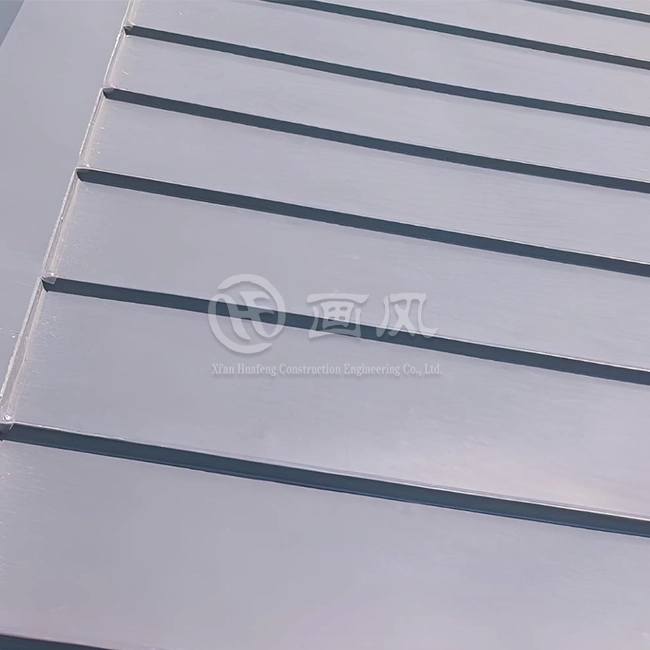
Yes — standing seam metal roof sheets are one of the most effective roofing systems for preventing leaks. Their raised interlocking seams eliminate exposed fasteners, which are the most common entry points for water. Unlike traditional roofing materials that rely on overlapping layers or exposed screws, these panels lock together vertically, directing water away from penetration points. When properly installed on structures ranging from commercial warehouses to industrial facilities, they consistently outperform conventional options in water resistance tests, including ASTM E1646. The short answer is: yes, and by a significant margin.

Understanding Roof Leaks and Their Common Causes
Before we look at how metal roofing stops leaks, it's helpful to know why roofs fail in the first place. Most leaks are caused by three things: worn-out materials, bad fitting, and flaws in the design that were there from the start.
Material Degradation Over Time
Over time, asphalt shingles lose granules, which wears away their protected top layer and exposes the subfloor. When UV damage starts, it leads to cracks, which let water in. The same thing happens with tile roofs: even very small cracks let water seep below the surface. This is especially true in areas that freeze and thaw, where water grows in cracks overnight.
Poor Installation Practices
A roof is only waterproof if it was put on correctly. Panels that aren't lined up right, not enough sealant around holes, or fasteners that aren't driven all the way in all make ways for water to get in. The National Roofing Contractors Association (NRCA) says that a big part of the early roof failures that building owners report every year are due to bad installation.
Design-Level Vulnerabilities
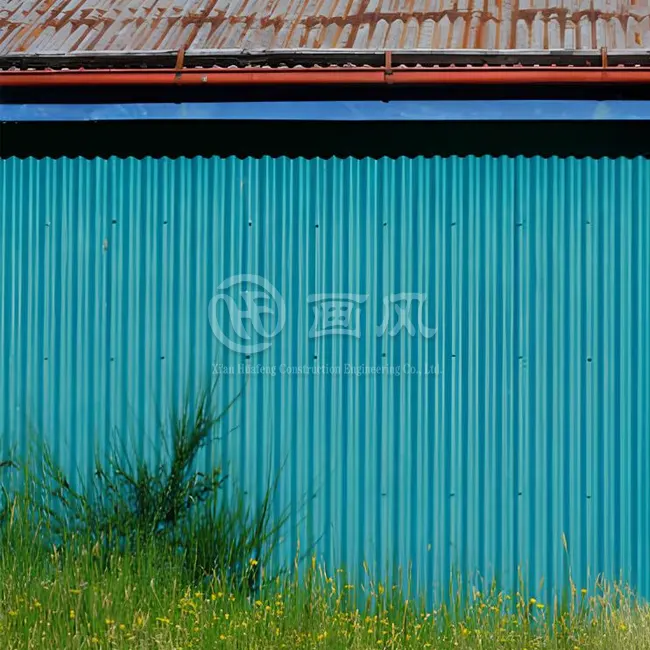
Some roofing systems are designed to be weak spots. For example, exposed fasteners are driven straight through the surface of corrugated metal panels. Thermal cycling makes the metal expand and contract around each screw hole over time. This slowly widens the opening and breaks the seal, which is a well-known way that low-slope industrial roofing systems fail.
How Standing Seam Metal Roof Sheets Work to Prevent Leaks?
The engineering behind concealed-fastener metal roofing is simple: take the fasteners off the surface that is open to the weather, and you take away the most frequent cause of leaks. These are the steps the system takes to do that.
Concealed Clip Fastening System
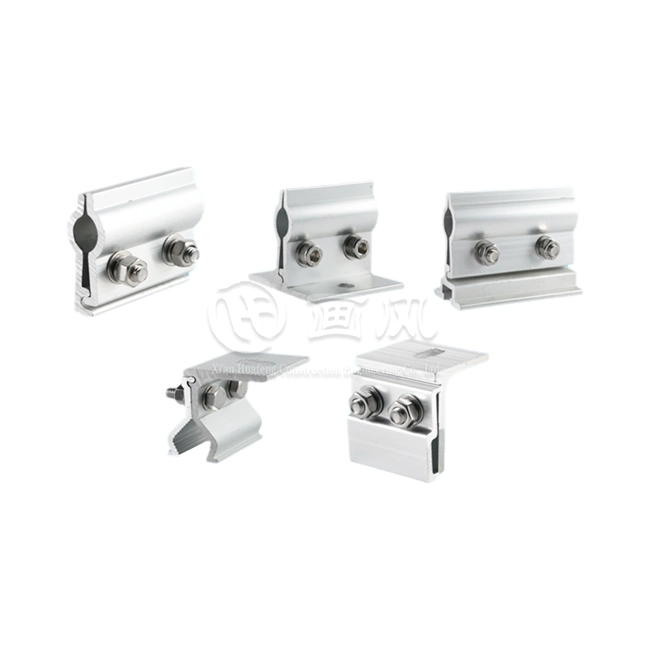
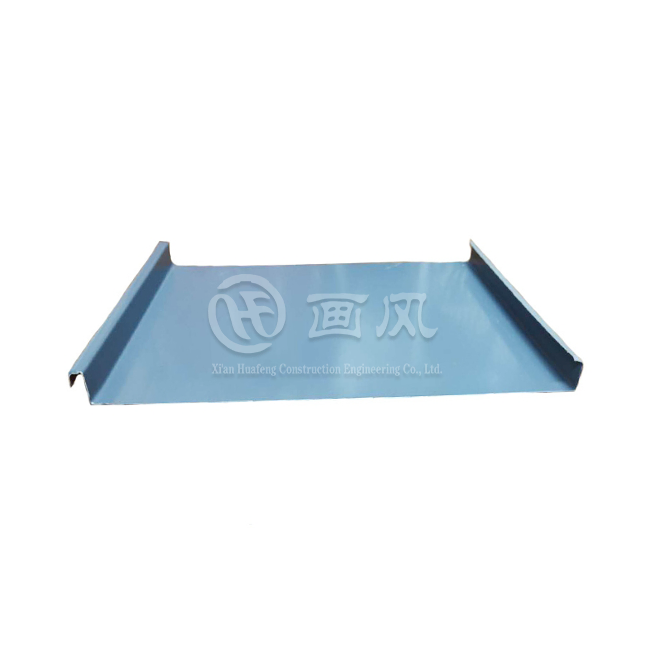
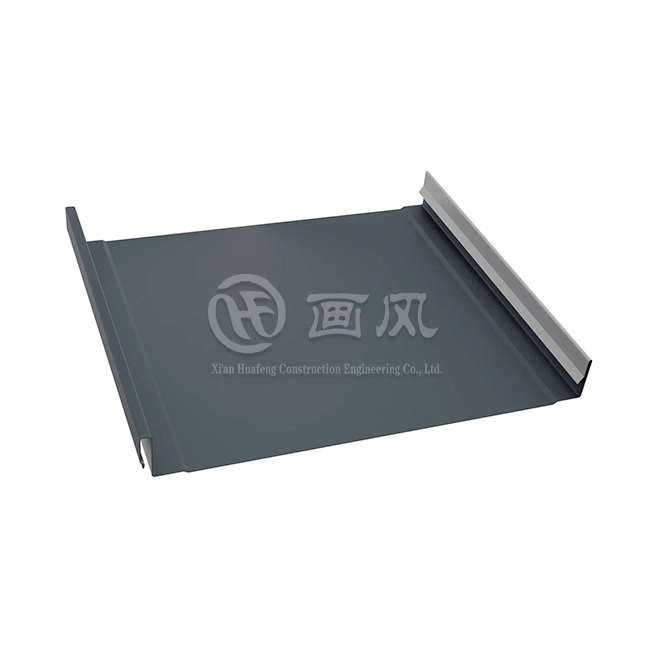
Panels are attached to the base by clips that go under the seam and never go through the face of the panel. The fasteners are completely hidden when the panels next to them lock together over these clips. There is no screw hole for water to use. This design also lets the standing seam metal roof sheets "float" over the clip when the temperature rises or falls, which keeps the seam tight even when the temperature changes.
Raised Interlocking Seam Geometry
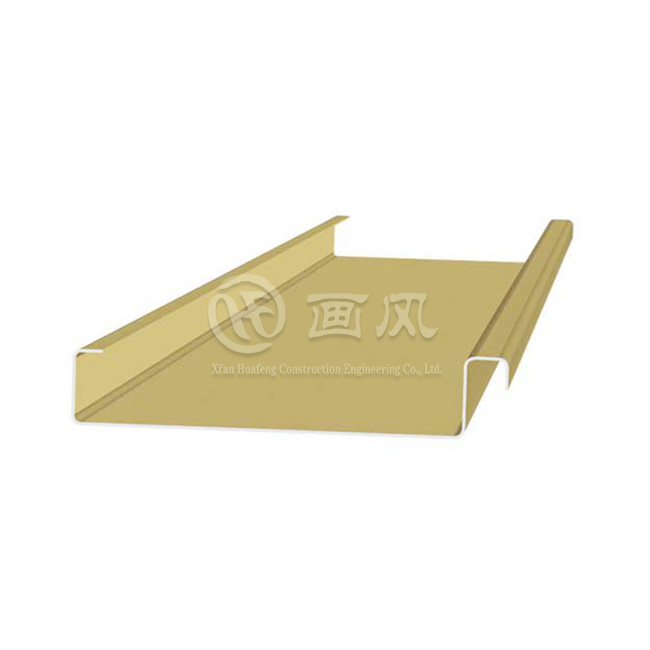
Depending on the profile, the seam heights in our products range from 25 mm to 65 mm. These include 25-330/400/430, 32-410, 45-400, and 65-400/430. Taller seams are better at resisting hydraulic pressure and work well in low-slope situations where water drains more slowly. When mechanically seamed double-lock profiles are squeezed with an electric seamer, they make a link that is watertight and meets the standards of the ASTM E1646 water penetration test.
PVDF and PE Coating Integrity
Coatings on the surface are a second line of defense that is still very important. The outside of our panels is either treated with PVDF or PE. PVDF meets the AAMA 2605-22 standard, which is a standard for building finishes. Third-party SGS testing confirms that there are no cracks at 0T bend, 5B adhesion scores in both dry and wet conditions, and full resistance to nitric acid, detergents, and mortar. The base is protected for decades by a covering that stays put.
Comparing Standing Seam Panels With Other Roofing Types on Leak Resistance
When it comes to water getting in, not all roofing materials are the same. The table below shows how well each type does on the most important factors for procurement teams looking at long-term performance.
When you look at each piece of information honestly, the main differences become clear. Covering granules and overlapping layers are important for asphalt shingles, but both break down over time when they are exposed to UV light and the elements. Tile roofs last a long time, but they are fragile, and the mortar under the ridge caps wears away over time from rain. Corrugated metal is good for building structures, but the way its fasteners are laid out means that they will fail over time due to thermal stress.
Here is a list of the most important leak-resistance factors that show how these materials compare:
- Asphalt shingles: High risk of leaks after 10–15 years because of granule loss, UV cracking, and edges that are lifted by the wind and show the underlayment.
- Clay or concrete tile: Moderate risk; individual tiles can break quietly, and water moves below the surface before damage can be seen.
- Corrugated metal (exposed fastener): moderate to high risk on low slopes; screw holes get longer when temperatures change, which breaks sealant bonds in 7 to 12 years.
- Standing seam metal panels: Low risk over their entire service life because standing seam metal roof sheets use hidden fixings and interlocking seam shape to fix the main problems that other systems have.
These differences have a direct effect on the total cost of ownership, the coverage of warranties, and the number of maintenance calls. All of these things are very important in B2B purchasing decisions.
Installation Best Practices and Maintenance Tips to Maximize Leak Prevention
If construction is rushed, even a well-designed panel system might not work as well as it should. Getting it right the first time keeps the warranty valid and protects the investment.
Critical Installation Steps
Make sure the panels are lined up from the roof's edge up. A badly matched first panel makes mistakes worse in every row that follows. Before mechanical seaming starts, the seam engagement should be checked by hand. A seam that is only partially engaged will not crimp correctly. All holes, like pipe boots and skylight curbs, need to be sealed with non-hardening sealants and flashing features that are compatible with the metal base.
Routine Inspection Schedule
For commercial uses, inspections should be done at least once a year. Inspectors should look for a buildup of debris in valleys, make sure that the sealant at penetrations hasn't come loose, and make sure that no panel clips have come loose. Finding a small sealing gap early on is much cheaper than fixing a structure deck that has been damaged by water.
Long-Term Performance Expectations
Our standing seam metal roof sheets come with a 30-year guarantee as long as they are installed correctly and serviced once a year. Panels can be made in thicknesses ranging from 0.5 mm to 1.2 mm and are approved by ASTM, DIN, JIS, BS, and GB/T. The difference in upkeep costs between an asphalt shingle roof and a standing seam system over 30 years is big, especially in seaside or high-humidity areas.
Durability and Energy Efficiency Benefits Tied to Leak Prevention
Stopping leaks isn't just about keeping water out when it rains. It has to do with keeping the building envelope in good shape for decades, which has direct effects on how well it uses energy and how much it's worth in the long run.
Weather and Structural Resilience
Our panels are tested to see how well they fight wind lifting according to ASTM E1592 and have been used on buildings in areas that are prone to typhoons and get a lot of snow. The continuous interlocking system spreads lifting forces along the whole length of the seam instead of putting all the stress on a few fastener points. This is better for the structure and keeps the seam from coming apart during storms.
Energy Efficiency Through Reflective Coatings
PVDF-coated panels in lighter RAL or Pantone colors reflect solar radiation instead of absorbing it. This keeps the roof from letting too much heat in. When rigid insulation is put under the panel, the system can really cut down on cooling needs in warm places. Less heat flow through the panel also means less stress on the seam joints over time, which helps keep the panel waterproof for a long time.
Supply Reliability for Procurement Teams
We can make 1,000 tons of goods every month. We have three plants with more than 40 processing tools and seven production lines. The smallest order is 500 square meters, which is equal to 1 ton, and it takes 15–20 days to send. We accept both TT and LC as forms of payment, can load panels, accessories, and color cards into different containers, and offer full customs paperwork. Distributors who are building their own brands can use OEM labeling.
Conclusion
Instead of just treating the symptoms of roof leaks, standing seam metal roof sheets address the root causes. Over the course of 30 years, hidden fasteners, interlocking seam geometry, and long-lasting surface coatings keep water out. When compared to other options, this method lowers the total cost of replacement, the number of times upkeep needs to be done, and the warranty risk for procurement workers who buy a lot of roofing materials. The engineering is sound, the licenses can be checked, and the supply system can handle big, regular orders from markets around the world.
FAQ
1. What is the minimum slope for a standing seam metal roof?
Systems that are mechanically joined and have sealant put inside the seam can be put in place on slopes as low as 0.5:12 to 1:12, based on test results from the maker, like ASTM E1646. Most snap-lock shapes need a minimum pitch of 3:12 to make sure water drains away before it can get into the seam.
2. How long do these panels actually last?
A steel or metal panel system with PVDF finish usually comes with a 30-year warranty as long as it is installed correctly and inspected once a year. At the coast or in places with a lot of humidity, aluminum and copper substrates can last for 40 to 50 years.
3. Can solar panels be mounted without drilling through the metal?
Yes, S-5! clamps and other similar hardware that doesn't go through the seam can be attached directly to it. Since no holes are made through the panel face, the roof guarantee and ability to keep water out are still valid.
4. What certifications should I verify when sourcing panels?
Check for ASTM E1646 (water penetration), ASTM E1592 (wind uplift), and AAMA 2605-22 (coating performance). The most accurate way to check is to look at an SGS or similar third-party test record for the exact substrate and coating grade.
5. What is the typical MOQ for bulk orders?
We need at least 500 square meters, which is 1 ton, of your order. You can place mixed-container orders that include panels, extras, and color cards, and shipping usually takes 15–20 days after the order is confirmed.
Source Your Next Order With HF — Standing Seam Metal Roof Sheet Manufacturer
HF (Xi'an Huafeng Construction Engineering Co., Ltd.) has provided standing seam metal roof sheets for projects in over 100 countries. Their products are backed by an ISO 9001 certification, test results that have been checked by SGS, and a 30-year guarantee. With flexible MOQs, OEM support, and TT/LC payment choices, our three plants and seven production lines can send out 1,000 tons of goods every month. To get a price or examples of our products right away, email your requirements to huafeng@hfmetalroof.com.
References
1. National Roofing Contractors Association (NRCA). The NRCA Roofing Manual: Metal Panel and SPF Roof Systems. NRCA, 2022.
2. American Architectural Manufacturers Association. AAMA 2605-22: Voluntary Specification, Performance Requirements and Test Procedures for Superior Performing Organic Coatings on Aluminum Extrusions and Panels. AAMA, 2022.
3. ASTM International. ASTM E1646: Standard Test Method for Water Penetration of Exterior Metal Roof Panel Systems by Uniform Static Air Pressure Difference. ASTM, 2020.
4. ASTM International. ASTM E1592: Standard Test Method for Structural Performance of Sheet Metal Roof and Siding Systems by Uniform Static Air Pressure Difference. ASTM, 2021.
5. Metal Construction Association. Metal Roofing Systems Design Manual. MCA, 2021.
6. Oak Ridge National Laboratory. Thermal Performance of Standing Seam Metal Roof Systems. U.S. Department of Energy, 2019.





YOU MAY LIKE