Double Lok Roof Panel vs Single Lock Roof Panel: Which One Is Better?
2026-10-16 18:35:14
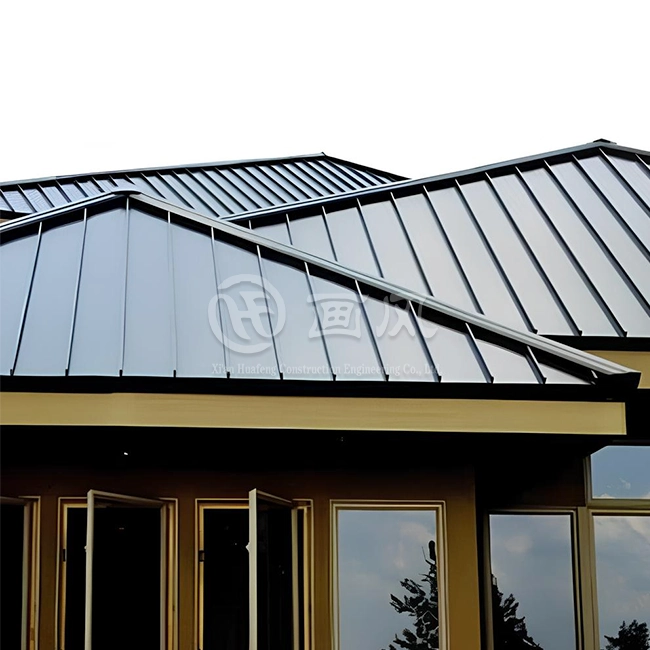
When comparing a double lok roof panel to a single lock panel, the double lok system wins for commercial and industrial low-slope applications. Its 360-degree mechanically seamed seam creates a watertight barrier that single lock profiles — which form only a 90-degree fold — simply cannot match. For procurement managers sourcing panels for large warehouses, retail centers, or industrial facilities, the double lok standing seam system delivers the wind uplift resistance, long-term waterproofing, and code compliance that demanding projects require.

Understanding Double Lok and Single Lock Roof Panels
Before deciding on a panel system, it's helpful to know what the basic differences are between these two types.
What Is a Double Lok Panel?
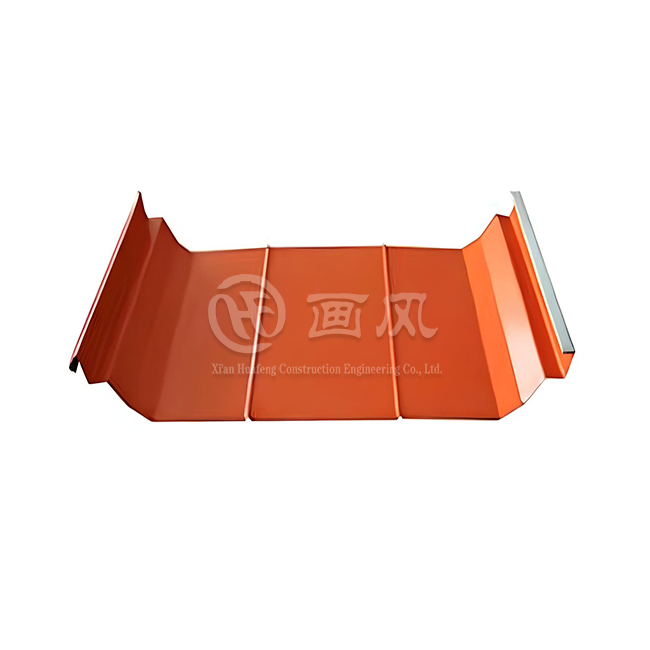
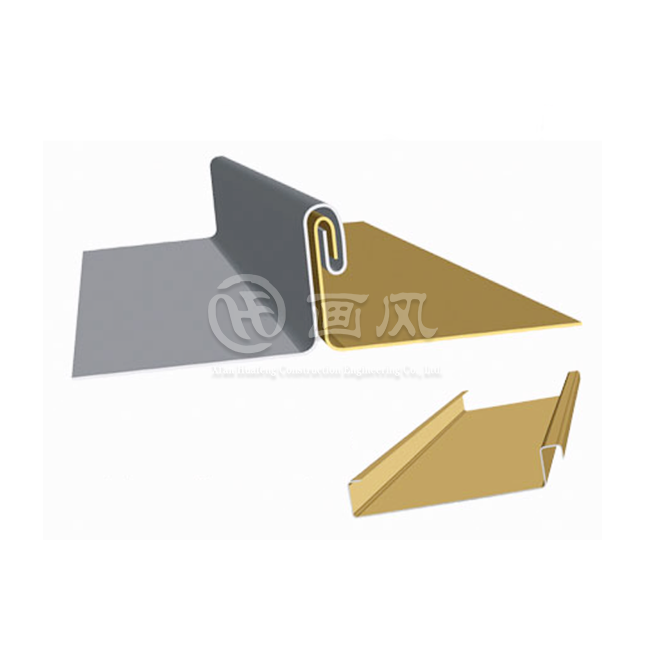
A mechanical field seamer folds the male and female legs of two panels next to each other into a full 360-degree Pittsburgh lock in a double lok panel. This makes a seam that doesn't let air or water in or out and can handle slopes as low as 1/4:12. The panel is attached to the purlin with hidden floating clips. This lets the panel move longitudinally due to temperature changes without the fasteners wearing out, which is very important for roof runs longer than 100 feet.
What Is a Single Lock Panel?
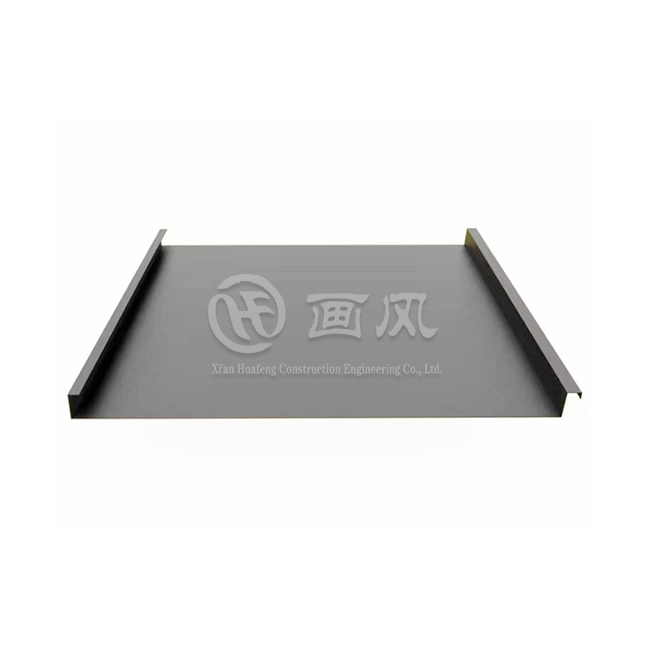
This is how a single lock standing seam panel folds at the seam: it folds in half. It's easier to set up, and the panels cost less up front. These panels work well on higher hills where drainage is helped by gravity and wind uplift isn't too strong. If you live in a mild climate, they are a good choice for light commercial or agricultural buildings.
How the Seam Angle Changes Everything
That extra 270 degrees of turn isn't just for looks. ASTM E 1592 tests show that the double-folded seam makes it much more resistant to uniform static air pressure, which is the same force that a hurricane or strong rainstorm applies to a roof. Under long-term negative pressure, a single lock seam can peel open. A double lok roof panel, on the other hand, holds the panel solidly to the frame.
Key Performance Dimensions: Double Lok vs Single Lock
Which panel gets put on a project design sheet is based on how well it works. Here is how each method does on the four factors that are most important for business purchasing choices.
Wind Uplift and Weather Resistance
The double-lok panels are made to meet the UL 580/UL 1897 and FM Global 1-90 wind uplift standards. The hidden two-piece floating clips and 360-degree mechanical seam spread uplift loads across the whole panel width instead of putting all the stress on a few fastener points. Because single lock panels don't have this mechanical lock depth, they can't be used on high-exposure business roofs or in hurricane-prone coastal areas where building rules require tested assemblies.
Thermal Performance and Fire Safety
Rigid insulation and air shields can be put inside either type of panel. All six of HF's double lok panels, which were coated with PVDF or PE, passed SGS's fire tests under AS/NZS 1530.3:1999 with an ignition index of 0, a flame spread index of 0, and a heat release index of 0. There was no flame spread, which supports Class A fire ratings when the building is put together with the right protection. When it comes to heat, thinner gage single lock panels are more likely to break.
Corrosion Protection and Longevity
HF double lok panels come in aluminum alloy, galvanized steel, stainless steel, copper, and titanium zinc substrates, with PVDF or PE coatings that meet AAMA 2605-22 standards. All 13 AAMA items passed, as shown by SGS tests that showed 5B dry bonding, no blistering in acid and mortar protection tests, and 0T coating flexibility with no cracks. Because of these results, the product will last 30 years, which is backed by HF's written warranty. Most single-lock panels with normal PE finishes come with warranties that last 10 to 15 years.
Maintenance and Lifecycle Cost
Because double lok roof panel systems hide all bolts, screw heads that are left out in the open can't rust, back out, or become leak points over time. Maintenance periods are longer, and the next time a roof needs to be replaced is decades from now. Single lock panels with exposed or partially exposed fasteners need to be inspected and resealed on a regular basis, which raises the total cost of ownership for large commercial footprints.
Installation and Cost Considerations
The price of materials is always brought up, but it's important to see the bigger picture instead of just the price per square foot.
Installation Complexity
For double-lok panels, you need an electric mechanical seamer that is set up to work with that panel gage. The crew needs to be taught how to set the seamer speed and how far apart the clips should be (usually 5 feet on center in field areas and tighter at the edges according to the engineering drawings). This is done so that the Galvalume or aluminum coating doesn't crack. You can snap single lock panels together by hand, which saves time. That difference in wages is real money up front for a 50,000-square-foot warehouse roof.
Total Cost of Ownership
This is what changes the equation in favor of double lok for large-scale commercial projects in terms of costs:
- Fewer penetrations: Concealed clip attachment eliminates thousands of fastener holes, reducing long-term leak risk and maintenance labor.
- Longer warranty coverage: HF's 30-year warranty on double lok panels versus the typical 10–15 years on single lock systems extends the replacement cycle significantly.
- Retrofit potential: Double lok panels can go over existing screw-down R-panel roofs using notched sub-purlins, avoiding costly tear-off and landfill fees.
- Solar compatibility: S-5! seam clamps attach directly to the standing seam without penetrations, making double lok roofs the preferred substrate for commercial rooftop solar.
When you add these things up, you get a lower total cost per year of service life, which is the most important number on a commercial roofing budget of several million dollars.
HF Product Specifications at a Glance
HF gets its double lok roof panel products from three companies that have more than 40 machines and seven production lines. The panel width is between 0.5 mm and 1.2 mm, and the seam height is between 25 mm and 65 mm (1" to 2.55"). Aluminum alloy, steel, stainless steel, copper, and titanium zinc are some of the materials that can be used. Colors are based on RAL standards or customer requests. Every month, they can supply up to 1,000 tons, and the minimum order quantity is just 500 m²/1 T. Standard delivery takes 15–20 days. ASTM, DIN, JIS, BS, and GB/T requirements can all be met by the panels.
Application Suitability and Decision-Making Criteria
There are two main things to think about when picking the right panel: what does the building code say? and what does the building envelope need over its lifetime?
When Double Lok Is the Right Call?
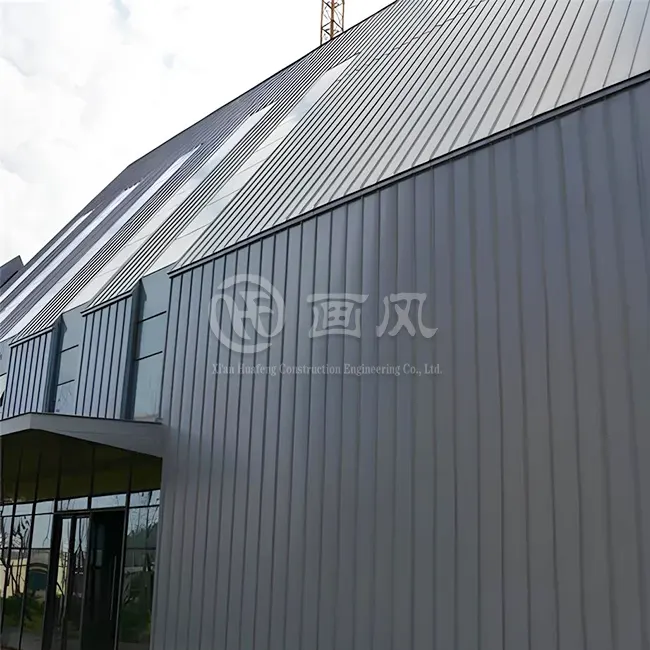
If the business roof has a low slope (1/4:12 to 3:12), a long span, is in a hurricane- or coastal-zone, or the general contractor's specification sheet talks about UL or FM wind uplift compliance, then double-lok standing seam panels should be used. It works well in airport hubs, distribution centers, factories, and big-box stores. HF ships the whole system, including panels, clips, trims, and accessories, in one package, so estimators can bid on a whole assembly instead of buying parts from different suppliers.
When Single Lock Makes Sense?
Single lock panels are a good choice for secondary structures with higher slopes, farm buildings, and low-wind-exposure projects that need to stay within a budget. If the slope is more than 3:12 and the building code doesn't require a mechanically seamed assembly, the money saved on labor and panel prices can add up. On the other hand, it has a shorter maintenance-free time and isn't as good for low-slope situations.
Side-by-Side Decision Summary
| Criteria | Double Lok | Single Lock |
|---|---|---|
| Minimum slope | 1/4:12 | 3:12 recommended |
| Wind uplift rating | UL 580 / FM 1-90 | Moderate |
| Warranty (HF) | 30 years | N/A for this system |
| Solar mount compatibility | High | Moderate |
| Labor intensity | Higher | Lower |
Conclusion
The double lok roof panel standing seam system consistently outperforms single lock panels on the criteria that decide commercial roofing bids: wind uplift compliance, long-term waterproofing, lifecycle cost, and system certification. Single lock panels serve a legitimate role on simpler, lower-risk projects. For low-slope commercial and industrial roofs where code compliance and total cost of ownership are non-negotiable, the mechanically seamed double lok system is the stronger specification. HF's SGS-certified panels, 30-year warranty, and full system supply make that choice straightforward.
FAQ
1. Can HF double lok panels be custom-sized for large commercial projects?
Yes, HF makes panels with seams that are between 0.5 mm and 1.2 mm thick and 25 mm to 65 mm high. You can get RAL colors and widths that aren't standard. With standard lead times of 15 to 20 days, HF's three factories and seven production lines can work with project-specific schedules to get very large orders done.
2. How do double lok panels perform in hurricane-prone regions?
The mechanical seam goes all the way around and is made to meet UL 580 and FM Global 1-90 wind uplift indices. Hidden floating clips spread uplift forces across the whole panel instead of just at individual screw points. This makes the unit much better at handling long-term negative pressure than systems with visible fasteners or a single lock.
3, What certifications do HF panels carry?
As per AS/NZS 1530.3:1999, all six samples of HF panels did not catch fire.
4. What is the minimum order quantity?
Panels also meet ASTM, DIN, JIS, BS, and GB/T standards.
5. Does HF supply the full roofing system or just the panels?
HF sells the whole system, including panels, concealed clips, sub-framing, trims, and edge accessories. This one-source supply makes forecasting easier, lowers the risk of coordination issues with staged deliveries, and supports technical paperwork at the project level.
Get a Direct Quote from HF — Your Double Lok Roof Panel Supplier
Every double lok roof panel from HF (Xi'an Huafeng Construction Engineering Co., Ltd.) comes with an SGS-certified coating and a 30-year warranty. The company can also supply 1,000 tons of panels every month. Whether you need a quote for a 200,000-square-foot distribution center or a phased commercial retrofit, our team can give you a quote for a panel plus system with all the technical details. To get a quote on a job, email us at huafeng@hfmetalroof.com.
References
1. Metal Construction Association (MCA). Metal Roof Systems Design Manual. 2021.
2. FM Global. Property Loss Prevention Data Sheet 1-28: Wind Design. 2020.
3. National Roofing Contractors Association (NRCA). The NRCA Roofing Manual: Metal Panel and SPF Roof Systems. 2022.
4. ASTM International. ASTM E1592: Standard Test Method for Structural Performance of Sheet Metal Roof and Siding Systems by Uniform Static Air Pressure Difference. 2023.
5. American Architectural Manufacturers Association (AAMA). AAMA 2605-22: Voluntary Specification, Performance Requirements and Test Procedures for Superior Performing Organic Coatings on Aluminum Extrusions and Panels. 2022.
6. Underwriters Laboratories. UL 580: Tests for Uplift Resistance of Roof Assemblies. 2020.





YOU MAY LIKE