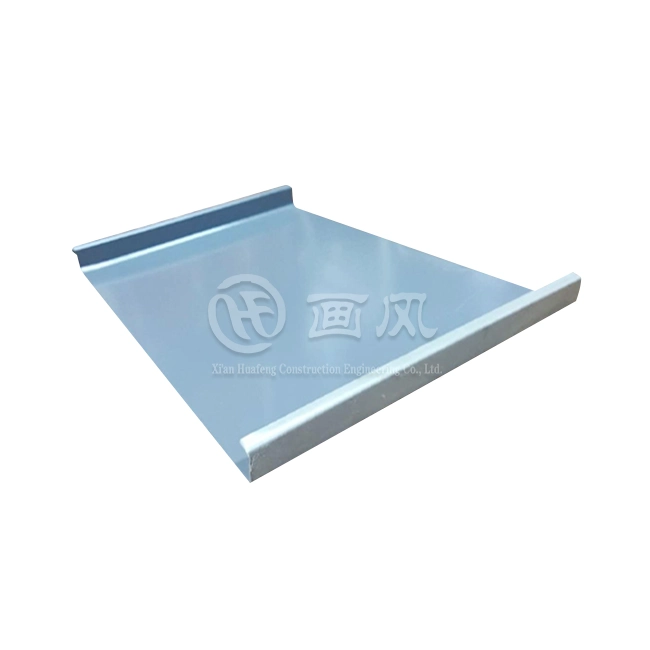
Best Standing Seam Rib Roofing Suppliers for OEM Projects
2026-10-16 18:35:12
If you are sourcing roofing panels for a large-scale steel structure project, finding the right standing seam rib roofing supplier can make or break your schedule. The best suppliers for OEM projects offer more than just panels—they provide verified profiles, confirmed load calculations, coordinated accessories, and reliable volume delivery. In my experience working with PEMB contractors across Southeast Asia and the Middle East, the difference between a smooth project and a costly delay often comes down to supplier selection made early in the bidding stage.

Understanding Standing Seam Rib Roofing for OEM Applications
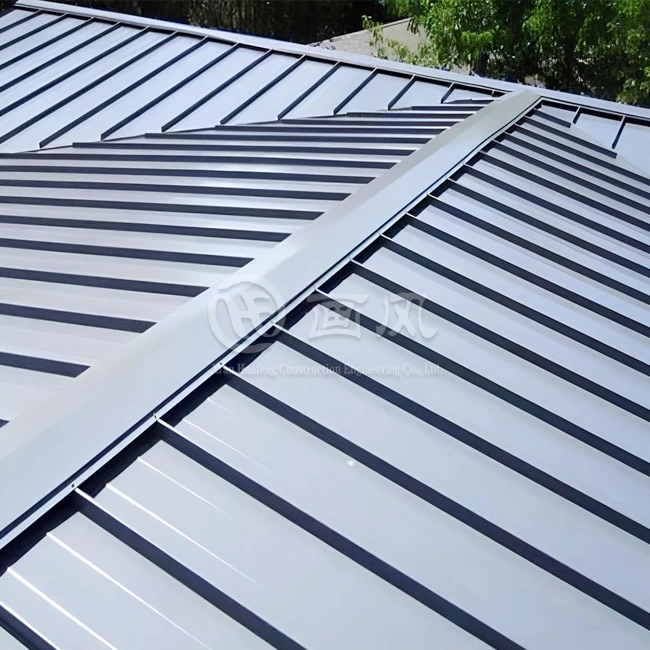
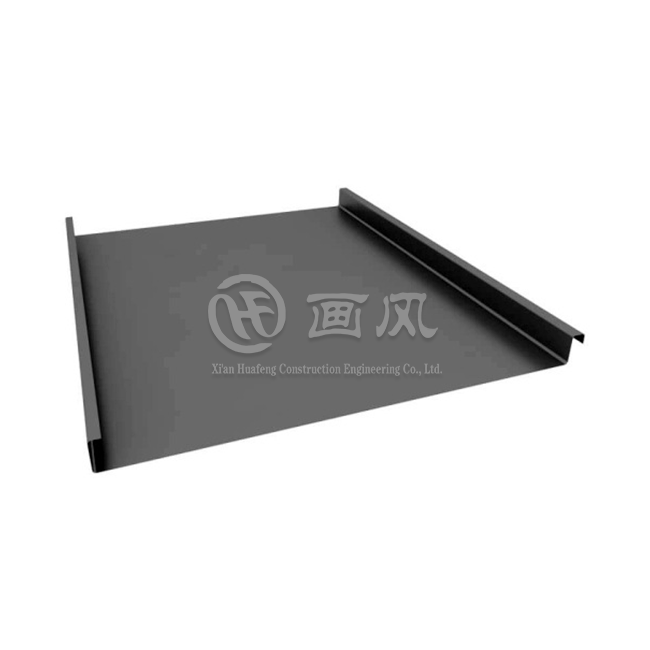
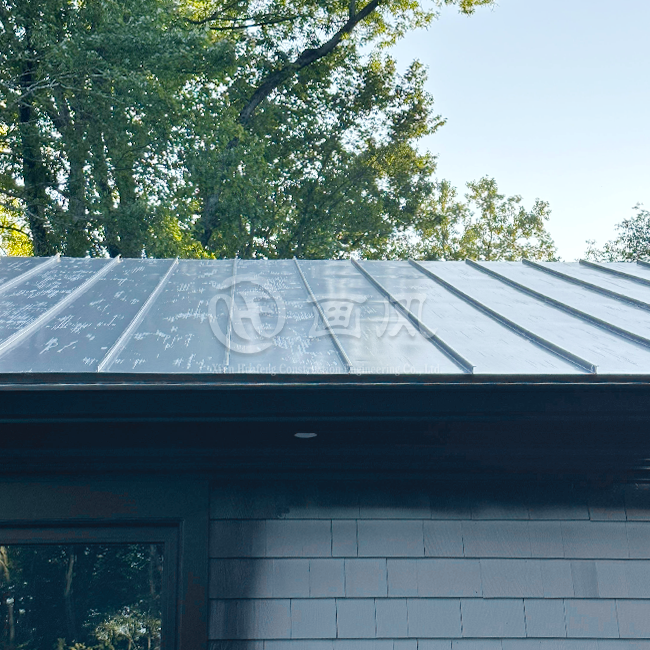
Standing seam rib roofing is a metal panel system where vertical ribs interlock along the seam, creating a continuous weatherproof surface without exposed fasteners. For OEM projects—factories, logistics warehouses, exhibition halls—this system fits directly onto primary and secondary purlin frames, which makes it the default choice for PEMB enclosure packages.
Performance Metrics That Matter on Industrial Projects
According to ASTM E1592, structural standing seam profiles can span open purlins without a solid deck, making them suitable for low-slope applications down to 0.25:12 pitch on mechanically seamed systems. Wind uplift resistance under UL 580 is a key specification when quoting coastal or high-altitude sites. Verified load data protects the general contractor during client approval.
Material and Profile Options for Steel Frame Compatibility
Common profile heights range from 25 mm to 65 mm, with coverage widths between 330 mm and 500 mm. HF produces profiles in specifications 25-330/400/430, 32-410, 45-400, and 65-400/430/500, covering the purlin spacing requirements found in most standard PEMB designs. Substrate choices include Galvalume, galvanized steel, and aluminum alloy, each with different corrosion resistance grades suited to local climate conditions.
Coating Systems and Color Accuracy
PVDF fluorocarbon coatings (tested to AAMA 2605-22) provide the strongest color retention and chalk resistance, making them the correct choice when the project owner specifies a RAL color or requires multi-batch color consistency across tens of thousands of square meters. HF's SGS-verified PVDF coating passed all 13 AAMA 2605-22 tests, including nitric acid resistance (ΔE=0.3) and 0T bend flexibility with no cracking, a critical performance standard for standing seam rib roofing.
Criteria for Choosing the Best Standing Seam Rib Roofing Supplier
Not every company that makes metal roofs can handle the supply chain needs of an OEM project that is sent overseas. When I'm looking for a new provider, these are the things I look at.
Certifications and Standards Compliance
The supplier must keep records that meet accepted standards. HF panels meet the standards set by ASTM, DIN, JIS, BS, and GB/T. This means they can be used for most projects in Asia, the Middle East, and the Americas. Before you place an order, you can look at third-party SGS test reports that cover combustion performance (AS/NZS 1530.3:1999), EU RoHS hazardous substance compliance, and AAMA 2605-22 coating performance.
Volume Capacity and Production Scale
It's not safe for a source with only one or two production lines to handle a big job. HF has three factories in Anhui, Hangzhou, and Xi'an. These factories have more than 40 forming, shearing, and bending machines and seven color coating lines. The monthly output is 1,000 tons, which is enough to meet the needs of a single project that covers 30,000 to 50,000 square meters without any breaks.
Technical Drawing Support and Accessory Completeness
A reputable company that makes standing seam rib roofing should give you full exterior plans that show the ridge caps, gutter profiles, gable trim, and flashing details. Most of the time, on-site delays are caused by accessory sets that are missing parts. An important step in the qualification process is making sure that the supplier can make custom flashings and closures within the standard lead time.
Comparison of Top Standing Seam Rib Roofing Suppliers for OEM Projects
When I compare suppliers for OEM volume contracts, I look at their prices, how reliable their deliveries are, how well they can handle logistics in different areas, and how deep their technical service is.
Price Structure and MOQ Flexibility
HF requires at least 500 square meters, or 1 ton, of an order. This lets contractors try out new patterns before committing to full-project amounts. When you optimize the container load for large sales, the price per unit goes down. The provider should be able to give you a clear per-container packing plan that will help you figure out the correct landing cost.
Delivery Lead Time and International Logistics
After an order is confirmed, HF usually needs 15–20 days to make and send the item. For jobs in other countries, this window lets the purchasing team coordinate the arrival of panels with the plan for putting up structural steel. HF offers full-container packing plans that are designed to keep long metal panels from bending during transit, which is known to happen when they are shipped over the ocean.
Geographic Coverage and After-Sales Response
For a PEMB contractor working in South America, Southeast Asia, or Central Asia, how quickly the seller can fill new orders is just as important as the first delivery. HF has supplied projects all over these areas and keeps up with stock management rules to make reorders faster on busy job sites, which matters greatly when the project relies on standing seam rib roofing. The 30-year warranty on the service life of the panels also offers an official quality guaranty that helps the project owner sign off on it.
Best Practices for Procuring Standing Seam Rib Roofing Panels for OEM Projects
How well the RFQ is written and how carefully the supplier's response is looked over determine how quickly and efficiently the project can be bought.
Writing an Effective RFQ for Metal Roofing Panels
An RFQ that is well put together should include information about the profile type, rib height, coverage width, thickness, coating system, RAL color code, applicable load standard, expected project area, shipping port, and chosen payment options. By including the purlin spacing and frame spacing in the RFQ, the supplier can make sure that the span tables will work together before submitting a quote. This cuts down on the back-and-forth that happens after the bid has been submitted.
On-Delivery Inspection Checkpoints
When panels arrive at the site, these are the steps I take first:
- Panel geometry check: Verify rib height and coverage width against the approved shop drawing tolerance (±1 mm is typical for roll-formed panels).
- Coating thickness measurement: Use a magnetic thickness gauge to confirm primer and topcoat meet the specified DFT; PVDF systems should show at least 25 μm total.
- Color comparison: Compare panels from different production batches against the approved RAL chip under consistent daylight conditions before installation begins.
- Transit damage audit: Inspect cut ends and panel edges for deformation caused by shipping; document and report within the agreed claim window.
Check the panel's shape by comparing the rib height and coverage width to the approved shop drawing error. For roll-formed panels, this is usually ±1 mm.
Measure the thickness of the coating using a magnetic thickness gage to make sure that the primer and finish meet the DFT requirements. PVDF systems should show a total thickness of at least 25 μm.
Coordinating Supplier and Installation Teams
Cutting waste and profile misidentification are cut down by sharing the supplier's panel layout plan with the installation crew before the first batch comes. For projects that use mechanical seaming, make sure that the seaming tool that was provided or suggested by the maker works with the panel's rib geometry.
Case Studies: Successful OEM Projects Using Standing Seam Rib Roofing
When judging a supplier's skills, real project records are more helpful than marketing claims.
Logistics Warehouse in Southeast Asia
An HF 65-400 profile on a 1.5 m purlin grid was used by a PEMB contractor from China to build a 45,000 m² cold storage facility in Vietnam. The project needed three different delivery groups spread out over eight weeks so that it could be put together in stages. SGS-certified PVDF panels from a single production campaign were used to make sure that all batches had the same color.
Industrial Factory in the Middle East
A general contractor for steel structures that was building a factory in Saudi Arabia asked for panels in a specific RAL color to match the client's corporate color scheme. In just five days, HF made sample panels for color approval. Eighteen days after production started, the full order of 28,000 m² was shipped in two full containers.
Exhibition Hall in Central Asia
For a Kazakh developer to get a building permit, the panels had to have Class A fire performance proof. The local government took HF's AS/NZS 1530.3:1999 test report as proof that none of the six samples had any sparks, as it was in line with their national code.
Conclusion
Picking the best standing seam rib roofing supplier for an OEM project can affect the project's timeline, cost, and how well the building works in the long run. The supplier must show that the quality is certified, that they can meet the production needs, that they have planned for international shipping, and that they can provide all the necessary accessories. These needs are met by HF, which has three factories, seven production lines, 1,000 tons of monthly output, lead times of 15–20 days, and test reports that have been verified by SGS that cover fire, environmental, and coating performance. Every package is backed by a 30-year guarantee.
FAQ
What profile specifications does HF offer for PEMB projects?
HF makes standing seam rib panels that meet the standards 25-330/400/430, 32-410, 45-400, and 65-400/430/500. It is between 0.4 mm and 1.2 mm thick. The standard purlin spacing needs in most steel frame enclosure systems are met by these profiles.
What is the minimum order quantity?
Since the smallest order size is 500 square meters, or 1 ton, it is possible to get sample runs before committing to full project amounts.
How does HF handle color matching across multiple batches?
HF uses PVDF coatings that have been tested and found to be color-uniform (ΔE=0.3) according to AAMA 2605-22. Panels for multiple-batch orders are made from a single color campaign when it is possible to do so so that differences between batches are kept to a minimum.
What standards do HF panels comply with?
They are in line with ASTM, DIN, JIS, BS, and GB/T. SGS reports from a third party cover fire performance according to AS/NZS 1530.3:1999, compliance with EU RoHS hazardous substance rules, and coating performance according to AAMA 2605-22.
What is the delivery lead time for overseas projects?
The normal time for production and delivery is 15–20 days after the order is confirmed. Full-container packing plans are given to keep damage during shipping and the cost of landing to a minimum.
Get a Standing Seam Rib Roofing Quote from HF Today
HF is a professional company that makes standing seam rib roofing. They have three factories, quality paperwork that is SGS-certified, and a track record of supplying big OEM projects in South America, Southeast Asia, and the Middle East. HF gives your project the supply security it needs with a 30-year guarantee, RAL color matching, and wait times of 15–20 days. To get a quote, email huafeng@hfmetalroof.com with the details of your project.
References
1. American Iron and Steel Institute (AISI). Cold-Formed Steel Design Manual. 2016.
2. Metal Construction Association (MCA). Architectural Metal Roofing Manual. 2019.
3. ASTM International. ASTM E1592: Standard Test Method for Structural Performance of Sheet Metal Roof and Siding Systems. 2021.
4. Underwriters Laboratories. UL 580: Standard for Tests for Uplift Resistance of Roof Assemblies. 2020.
5. American Architectural Manufacturers Association (AAMA). AAMA 2605-22: Voluntary Specification, Performance Requirements and Test Procedures for Superior Performing Organic Coatings on Aluminum Extrusions and Panels. 2022.
6. McGraw-Hill Construction. Metal Building Systems Manual. Metal Building Manufacturers Association (MBMA), 2018.





YOU MAY LIKE
_1769761215912.webp "Ventilation noise reduction net")
_1783936484206.webp "Inside locking metal aluminum cladding panel")