What are the benefits of a 12 Standing Seam Metal Roof?
2026-10-15 20:59:52
If you're a roofing contractor or regional distributor sourcing metal panels for commercial or industrial projects, you already know that material selection directly affects your project timeline, labor costs, and long-term client satisfaction. A 12 standing seam metal roof offers a narrow 12-inch panel width with concealed fasteners, raised interlocking seams, and a clean architectural profile. This system resists wind uplift, water intrusion, and thermal fatigue better than most exposed-fastener alternatives — making it a practical, high-performing choice for North American commercial and industrial roofing applications where code compliance and longevity are non-negotiable.

Understanding the 12 Standing Seam Metal Roof
What the 12-Inch Profile Actually Means?
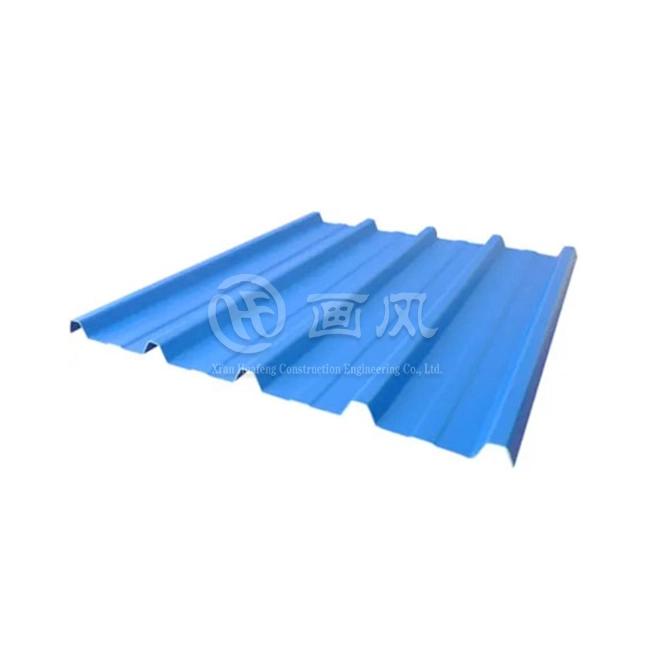
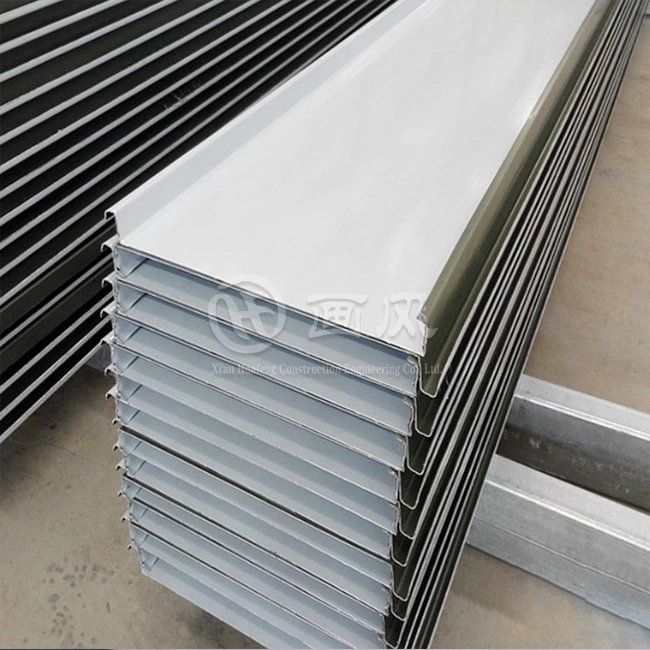
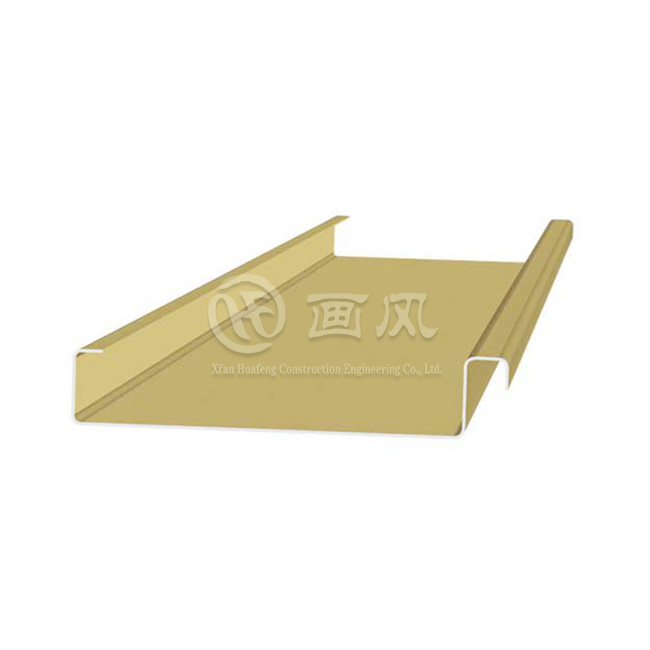
The "12-inch" number refers to the panel's 305 mm (inch) center-to-center seam space. Each panel is connected to the one next to it by a raised vertical leg. This makes a waterproof gap that doesn't have any screws sticking out. This seam height usually falls between 25 mm and 65 mm (1" to 2.55"), which has a direct effect on how well it resists wind lifting and how fast it drains. Because the width is smaller, the seams are closer together, which increases the number of fasteners per square foot.
Structural Design and Seam Locking
Panels are attached to the substructure with hidden clip fasteners. This lets the panels float as the temperature rises and falls instead of buckle. This is a very important design benefit for big business roofs in places where temperatures change a lot. When used on low-slope areas (below 3:12), mechanical seaming with in-seam sealant makes a single, waterproof surface. When the slope is steeper, snap-lock profiles can be put in faster and still do a good job of keeping out wind-driven rain.
Common Applications in the Field
This panel profile is commonly found on warehouses, shopping centers, government buildings, and homes near the coast that are at risk of hurricanes. It's easier to follow curved or tapered rooflines when the seams are closer together, which is very helpful for big, complicated building projects like airports and stadiums. It also works with solar mounting clamps that don't go through the metal and connect straight to the standing seam, a key reason the 12 standing seam metal roof profile is so widely specified.
Key Benefits of a 12 Standing Seam Metal Roof
The 12-inch concealed-fastener system is better than wider profiles and older roofing methods in a number of ways. For buying teams and construction workers, these are the main performance benefits that mean the most:
- Reduced oil canning: The narrower panel width increases the frequency of vertical stiffening ribs across the roof plane, visibly reducing the waviness (oil canning) that appears on flat metal surfaces — a common complaint with 16- or 18-inch profiles.
- Superior wind uplift resistance: With seams spaced at 12 inches, fastening density increases significantly. This makes the system ideal for high-velocity hurricane zones (HVHZ) where Category 4/5 wind loads are a design requirement.
- Long service life with minimal maintenance: Metal panels resist mold, mildew, pest intrusion, and UV degradation. With a quality PVDF coating, color retention holds for 30+ years without repainting or resealing. HF backs its panels with a 30-year warranty.
- Energy efficiency: Reflective PVDF coatings reduce surface temperatures and lower building cooling loads. According to the Cool Roof Rating Council, reflective metal roofing can cut cooling energy use by up to 40% in warm climates.
- Solar integration ready: The standing seam accepts S-5! and similar non-penetrating clamps, preserving the roof's watertight integrity while supporting photovoltaic racking systems.
These performance traits directly lead to lower callback rates, fewer warranty claims, and better client retention for workers who regularly install this system.
12 Standing Seam Metal Roof vs. Alternative Roofing Systems
Against Asphalt Shingles
Asphalt shingles usually need to be replaced every 15 to 25 years. On the other hand, based on the material underneath, a standing seam metal roof can last between 40 and 70 years. Over the life of a building, which is 50 years, the total cost of repair and work for asphalt shingles is often much higher than the original cost of metal roofing.
Against Corrugated Metal Roofing
Corrugated or R-panel roofing has fasteners that are visible and go through the panel surface. The rubber washers on these screws wear out over time, which makes leaky spots, especially on parts with low slopes. The concealed-fastener standing seam design gets rid of this failure mode completely, so it lasts longer and is more reliable in harsh weather conditions.
Against Wider Standing Seam Profiles
When compared to 16-inch or 18-inch standing seam designs, the 12 standing seam metal roof system has better resistance to oil canning, tighter panel shape, and better wind uplift performance per square foot. The 12-inch profile is often what structure engineers choose for jobs near the coast or in areas with a lot of wind.
Procurement and Installation Considerations
What to Specify When Ordering?
Before you place an order for panels for a project in North America, make sure you know the panel thickness (0.5 to 1.2 mm for most commercial uses), substrate material (aluminum alloy, Galvalume steel, stainless steel, copper, or titanium zinc), coating type (PVDF for long-lasting color retention, PE for cost-effective projects), and seam height (25 to 65 mm depending on slope and wind zone). ASTM, DIN, JIS, BS, and GB/T standards are all met by HF panels. The lead time for delivery is 15–20 days after the order is confirmed, and the minimum order size is 500 m², which is 1 metric ton.
Color Matching and Batch Consistency
One of the most frequent issues about buying metal panels is that the colors vary from batch to batch. The color uniformity delta of HF's PVDF coatings was tested against AAMA 2605-22 and found to be ¥EH = 0.3, which is well within the acceptable range for most architectural requirements. You can get full RAL color matching and unique color choices. Color differences in the middle of a project can't happen if you order the whole project's worth of materials from a single production run.
Installation Compatibility and Tool Requirements
Standard seaming tools that roofing crews in North America use can be used with HF's panel geometry. Hidden clip fasteners let the temperature change without the panel buckling, which cuts down on field adjustments. For moisture protection and to meet local building codes, the panels must be put down on plastic flooring that is installed correctly, which is standard practice for a 12 standing seam metal roof.
Why B2B Buyers Trust HF for Standing Seam Projects?
HF (Xi'an Huafeng Construction Engineering Co., Ltd.) has three factories in Anhui, Hangzhou, and Xi'an. These factories have more than 40 tools and seven color finishing production lines. The monthly supply capacity is 1,000 tons, which helps regional distributors and contractors working on multiple projects get their needs met without any stock gaps.
Three separate SGS certifications have been passed by HF panels: fire performance testing (AS/NZS 1530.3:1999), where all six samples stayed lit and had a flame spread index of zero; EU RoHS hazardous substance compliance, where all ten substances were below the limits set by regulation; and AAMA 2605-22 coating performance testing, where all thirteen items passed, including 5B adhesion ratings and 0T flexibility with no cracking. The test results give procurement managers written proof that they can show to project owners and code inspectors.
Conclusion
It is well known that a 12 standing seam metal roof system is strong, doesn't get damaged by weather, keeps its color for a long time, and is easy to install. This profile is a reliable choice for contractors who are in charge of buying materials for multiple projects at once because it has narrow panels, concealed fasteners, and a PVDF coating that works well. HF's 30-year guarantee, verified test certifications, steady supply capacity, and 15–20 day wait times lower the risk of sourcing and help keep projects on schedule. If you're looking at different metal panel suppliers for your next roofing project, HF's performance data and logistics framework will help you make an informed choice.
FAQ
1. How long does a standing seam metal roof typically last?
A standing seam metal roof that is installed correctly will last between 40 and 70 years if it is made of aluminum alloy or Galvalume steel and has a PVDF topcoat. The screens that HF sells come with a 30-year guarantee.
2. Can this roof system be installed over an existing roof?
A structural subframing system can be used to put standing seam panels over low-slope roofing that is already in place in many business retrofit situations. But before moving forward, local building codes and load calculations need to be looked over.
3. What maintenance does a metal standing seam roof require?
Regularly remove organic matter like leaves, pine needles, and dirt to stop water retention and biological growth. A wash with fresh water once a year is usually enough to keep the PVDF finish working well and looking good over time.
4. Is the 12-inch profile compatible with standard North American seaming tools?
Yes. The shapes of HF's panels are made to work with standard North American seaming tools. On steep slopes, snap-lock profiles don't need a mechanical seamer, but mechanically seamed profiles do need a powered seaming tool.
5. What is the minimum order quantity?
The MOQ for HF is 500 m², which is equal to 1 metric ton. For contractors whose projects don't go over this amount, combining orders from different projects or working with a regional distributor can help them meet the minimum quickly.
Request a Quote from HF — 12 Standing Seam Metal Roof Supplier
HF sells 12 standing seam metal roof panels to contractors and distributors all over North America. They can make 1,000 tons of panels per month, meet ASTM standards, come in PVDF and PE finishes, and have lead times of 15 to 20 days. Our team can give you panel samples, color charts, and technical data sheets whether you're setting up a recurring supply agreement or getting quotes for a single commercial project. To start your question, email us at huafeng@hfmetalroof.com.
References
1. Metal Construction Association (MCA). Metal Roofing Systems Design Manual. 2021.
2. National Roofing Contractors Association (NRCA). The NRCA Roofing Manual: Metal Panel and SPF Roof Systems. 2022.
3. Cool Roof Rating Council (CRRC). Rated Products Directory and Energy Savings Research. 2023.
4. American Architectural Manufacturers Association (AAMA). AAMA 2605-22: Voluntary Specification, Performance Requirements and Test Procedures for Superior Performing Organic Coatings on Aluminum Extrusions and Panels. 2022.
5. ASTM International. ASTM E1592: Standard Test Method for Structural Performance of Sheet Metal Roof and Siding Systems by Uniform Static Air Pressure Difference. 2020.
6. Sherwin-Williams Coil Coatings. PVDF vs. Polyester Coatings for Architectural Metal Panels: A Performance Comparison. 2022.





YOU MAY LIKE
_1769761215912.webp "Ventilation noise reduction net")