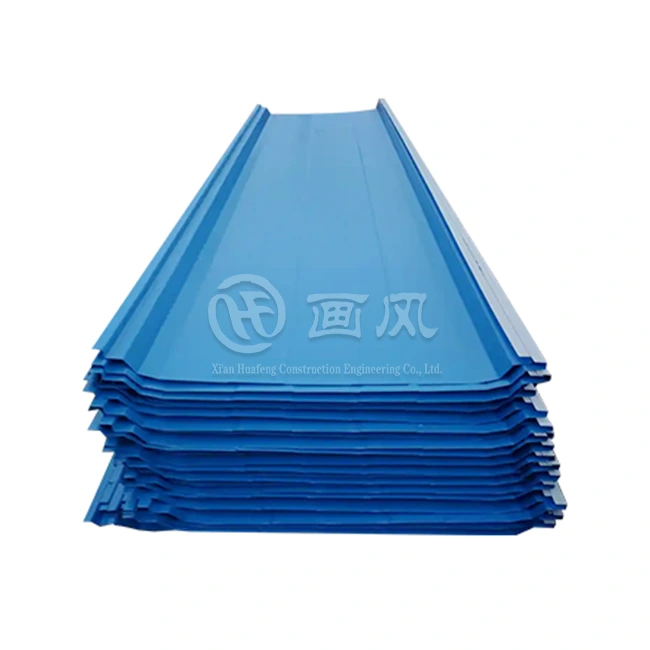
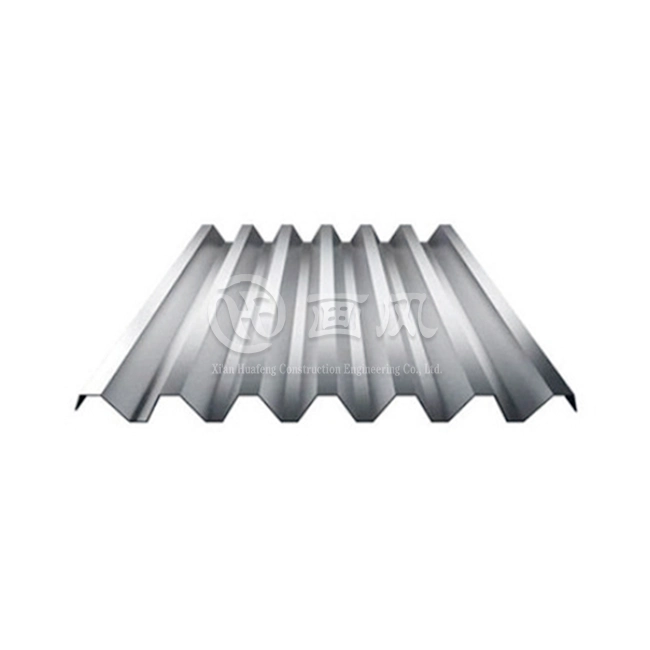
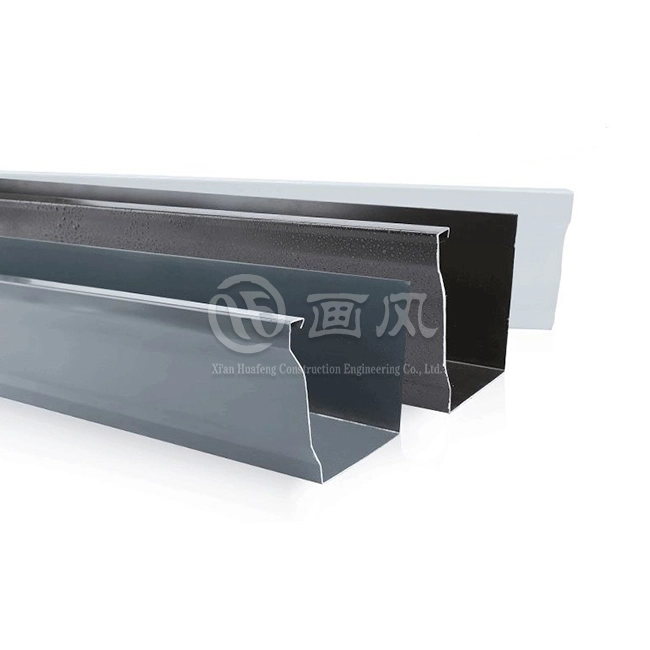
Structural Metal Panel Roofing Systems offer unparalleled benefits that revolutionize modern construction practices. These innovative roofing solutions eliminate the need for traditional decking or sheathing by utilizing interlocking metal panels that simultaneously provide weather protection and structural support. The systems deliver exceptional strength-to-weight ratios, enabling wide-span coverage without intermediate supports. Their weather-resistant properties, combined with rapid installation capabilities and minimal maintenance requirements, make them the preferred choice for commercial, industrial, and agricultural applications. Energy-efficient reflective coatings further enhance their appeal by reducing cooling costs and contributing to sustainable building practices.
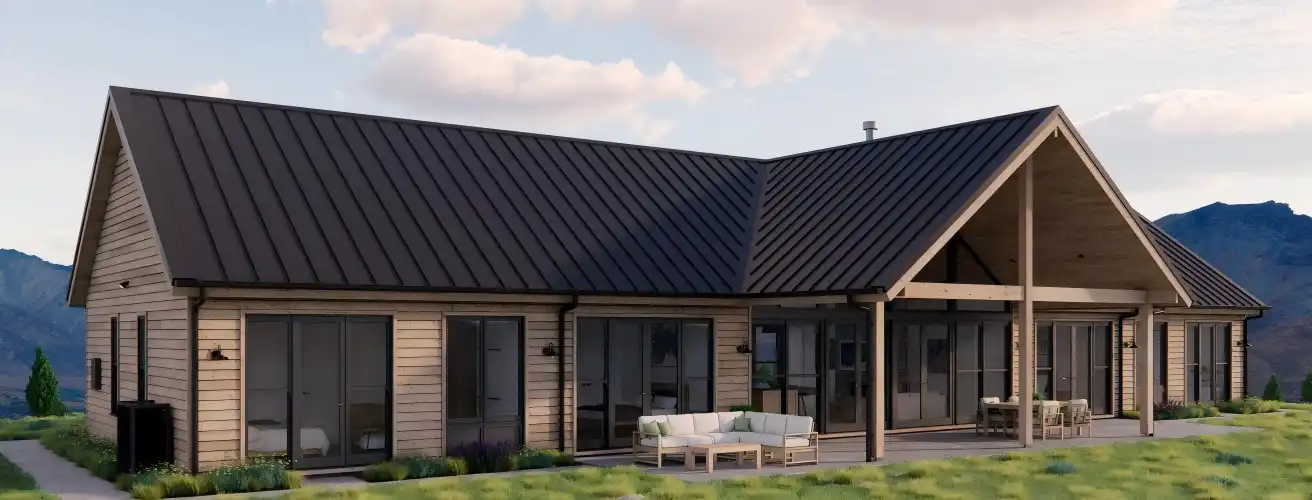
Unmatched Durability and Weather Resistance
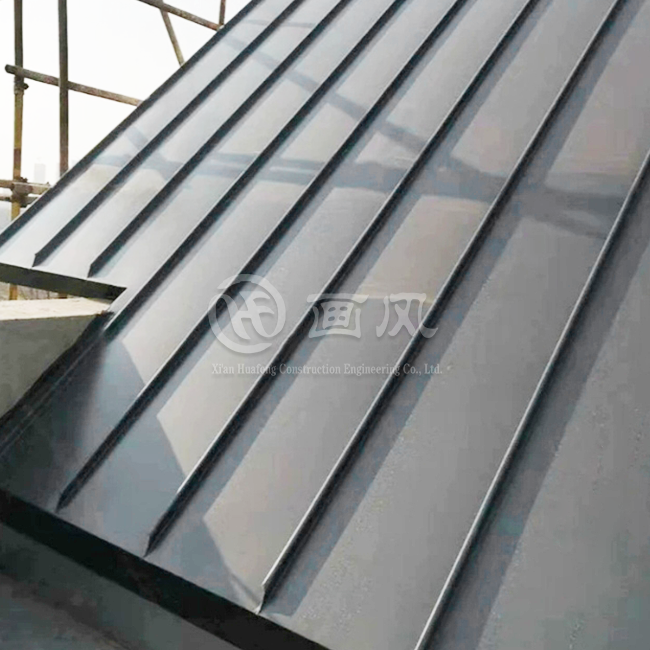
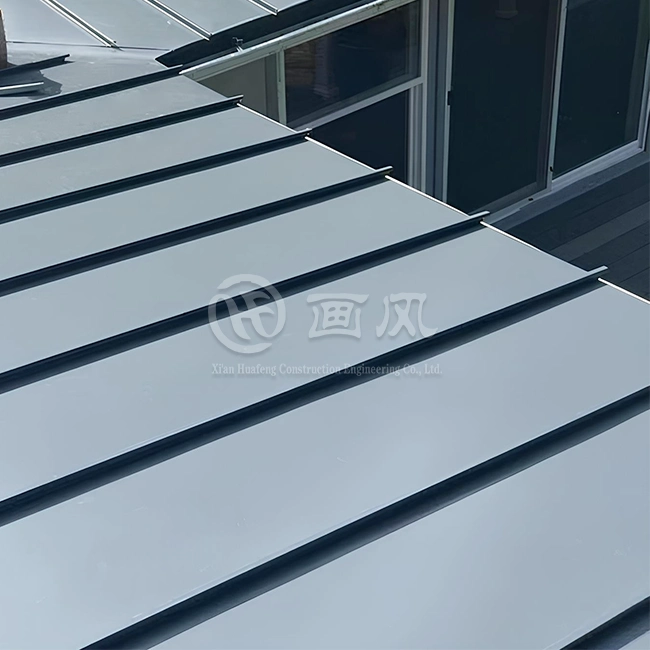
The main benefit of solid metal walls is that they last a long time. Extreme weather situations that these systems can handle include hurricane-force winds, heavy snow, and strong UV rays. The galvanized steel and galvalume covering methods make things very resistant to rust, so they will work well for decades, even in seaside areas. The standing seam metal roof design doesn't leave any bolts visible. This makes a constant weather shield that keeps water out. This approach to architecture makes upkeep a lot easier and extends the life of the roof beyond what is possible with standard materials. Modern metal roof coats make it even more resistant to weather by adding extra layers of protection against natural damage.
Superior Load Capacity Performance
Because of its designed structure design, metal roofs can hold more weight than other types of roofs. The curved panel shapes efficiently spread loads across the entire roof surface. This lets builders make bigger open areas without affecting the building's structural integrity. When it comes to warehouse, industrial, and farming tasks where clear inner room is key to efficiency, this feature comes in very handy.
Energy Efficiency and Environmental Benefits
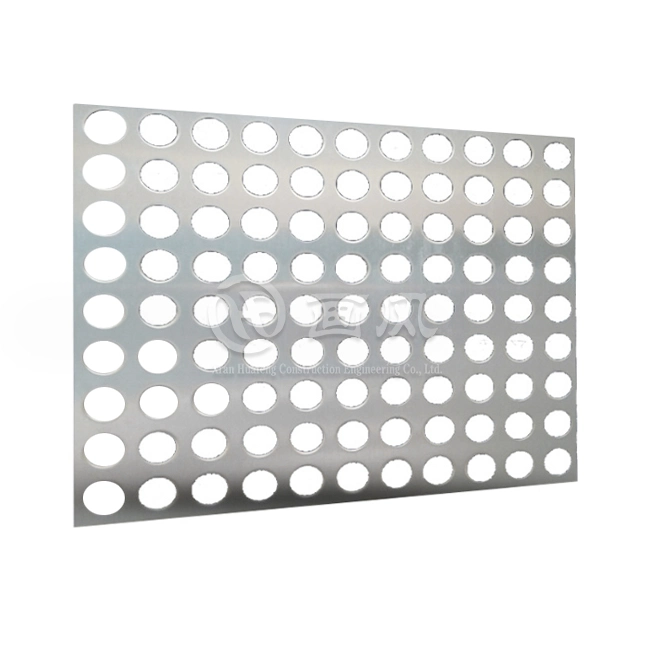
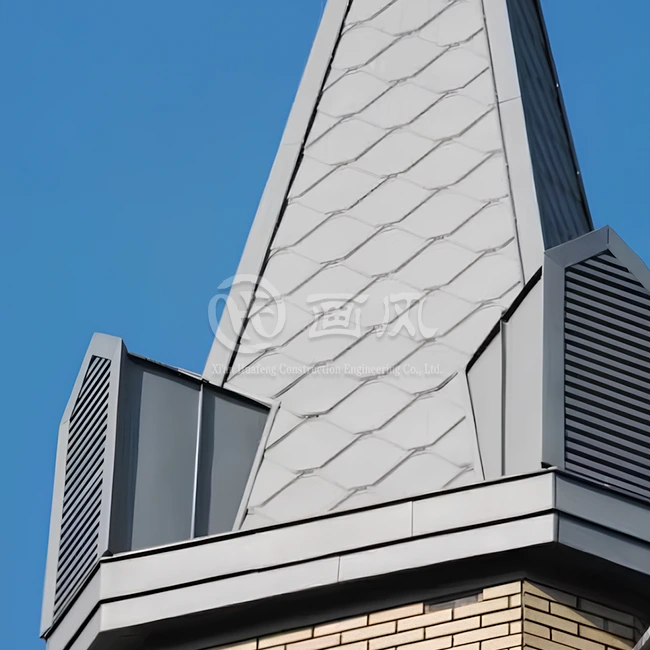
The energy efficiency of metal roofs is a big plus for environmentally conscious building projects, making Structural Metal Panel Roofing Systems an increasingly popular choice for sustainable commercial and industrial construction. When compared to other materials, reflective metal roof coats can cut the amount of cooling energy needed by up to 25%. Aluminum roofing systems and steel roofing sheets have thermal qualities that help keep internal temperatures stable while reducing the stress on HVAC systems. These curved metal panels and ornamental metal panels help meet the standards for LEED certification because they are made from reusable materials and use energy efficiently. The building's long working life and environmentally friendly production methods lower its effect on the environment over its entire lifecycle.
Rapid Installation and Construction Benefits
Installing a metal roof quickly and correctly cuts down on project times and labor costs by a huge amount. Large panels quickly cover large areas, and their light weight means that they don't need as much support. Professional installation teams can finish jobs a lot faster than traditional methods of roofing, which lowers the risk of being exposed to the weather while the work is being done. The precision-engineered metal roof fixings and joint systems make sure that the quality is always the same and make installation easier. This speed means that costs are cut and projects are finished faster.
Leading Manufacturers and Market Innovation
Xi'an Huafeng Construction Engineering Co., Ltd. (HF)
HF Xi'an Huafeng Construction Engineering Co., Ltd. HF Xi'an Huafeng Construction Engineering Co., Ltd. is the leader in the structure metal panel business thanks to its creative designs and high-quality production. It is based in Shaanxi Province, China, and its main business is providing complete metal roofing options for business, industry, and farming uses. The company has three factories that together have seven production lines and more than 40 high-tech machines that can make 1000 tons of goods every month. They sell panels made of aluminum alloy, steel, stainless steel, copper, and titanium zinc. The panels' thicknesses range from 0.5mm to 1.2mm, and their heights range from 25mm to 65mm. The PVDF and PE finishes make the material last longer and look better. With certificates from ASTM, DIN, JIS, BS, and GB/T, HF keeps high quality standards. Their 30-year guarantee shows that they trust the quality and dependability of their products. Twenty or more filed rights and ongoing research investments show that the company is dedicated to coming up with new ideas. Their ISO9001 and ISO14000 standards show that they care about quality control and being good to the environment.
Advanced Materials Technology Leaders
A number of companies focus on making industrial metal roofing materials with specific technologies to support the performance and durability of Structural Metal Panel Roofing Systems. These businesses make high-performance metals and finishing systems that make things more resistant to rust and better at handling heat. Their study centers are always making progress in material science to keep up with the changing needs of the building business. Working together with architecture and engineering firms to come up with new ideas drives product development. These agreements make sure that the specs for materials match the needs of current design while keeping the costs low for big projects.
Coating Technology Specialists
Coatings for metal roofs are an important part of technology in the business. Specialized companies make PVDF and PE covering systems that keep colors better and are more resistant to weather. These coats improve the look of the item and make it last a lot longer than options that aren't covered. The invention of cool roof coats meets the needs for energy economy and building code standards. These new technologies help make construction more environmentally friendly and lower the costs of running a building over its entire life.
Regional Manufacturing Networks
Strategically placed factories make it easier to distribute structural roofing systems and lower the cost of shipping them. Companies set up area centers to serve local markets and make sure that the quality of their products is the same everywhere they make them. This method cuts down on shipping times and gives quick customer service. Just-in-time delivery plans are important for keeping building projects on track, and local industry helps with that. Having a location in the region also makes it easier to provide professional support and installation help when needed.
Quality Assurance and Certification
Manufacturers at the top of their fields have quality control systems that are more thorough than international norms. These methods include checking the quality of raw materials, keeping an eye on the production process, and testing the end product. Third-party approvals back up claims about speed and give specification writers peace of mind. Continuous growth programs raise the standard of work while lowering the cost of production. Statistical process control methods make sure that the properties of the final output are always the same and meet the needs of architecture and performance.
Market Leadership and Brand Recognition
Leading makers stay ahead of the competition by consistently delivering high-quality goods and coming up with new technologies. As builders and workers depend on past success records, brand recognition affects the specifications they choose. Being a market leader also leads to study funding, which is good for the whole business. Customer relationships last for decades because good projects lead to return business and chances to get new customers. This relationship-based method gives long-term economic advantages to everyone involved.
Technical Support and Engineering Services
Leading makers are different from product sellers because they offer full expert help. Engineering services include helping with planning, making specifications, and giving advice on how to put things. These services lower the risks of a project and make the system work better for certain uses. Field support teams help on-site during the most important parts of the building process. This support makes sure that the right methods are used for installation and helps solve any problems that may come up during the building process.
Financial Stability and Global Reach
Manufacturers of Structural Metal Panel Roofing Systems can invest in research, expand production capacity, and maintain inventory levels that meet customer needs when they are financially strong. Stable companies offer long-term warranties and new parts for the whole span of the building. Global networks of factories and warehouses serve markets around the world while still being able to respond to local needs. This feature helps with international building projects and adds a backup in the supply chain.
Sustainable Development Initiatives
Being responsible to the environment drives the growth of sustainable production methods and products. Leading businesses use production methods that use less energy, trash reduction programs, and recycle programs. These actions are in line with the environmental goals of the company and the rules set by the government. Product lifetime reviews help developers make decisions that are good for the world. Over time, sustainable practices also lower the cost of making things and make operations more efficient.
Innovation and Research Investment
Continuous investments in research lead to new products and better performance. Universities and study centers work with big producers to make material science and industrial methods better. These agreements shorten the time it takes to build new products and make technology more powerful. Patent portfolios protect intellectual property and make it possible for companies in the same field to work together on license deals. Innovation leadership gives companies a competitive edge and lets them charge more for high-tech goods.
Industry Trends and Market Evolution
The structural metal panel industry continues evolving through technological advancement and changing market demands. Digital manufacturing technologies improve precision while reducing costs. Smart building integration creates opportunities for enhanced monitoring and maintenance capabilities. Sustainable construction practices drive demand for recyclable materials and energy-efficient solutions. These trends position metal roofing systems for continued growth across diverse market segments.
Conclusion
Structural Metal Panel Roofing Systems combine strength, durability, and energy efficiency, making them ideal for commercial, industrial, and agricultural buildings. Their interlocking panels provide both structural support and weather protection while enabling wide spans and rapid installation. Advanced coatings improve corrosion resistance and reduce cooling costs. Leading manufacturers drive innovation through quality control, certification, and sustainable production. Ongoing research, smart manufacturing, and environmental initiatives continue to enhance performance, reliability, and lifecycle value for modern construction projects worldwide.
Partner with HF for Premium Structural Metal Panel Roofing Systems Solutions
Xi'an Huafeng Construction Engineering Co., Ltd. delivers exceptional value through comprehensive structural metal panel roofing systems designed for demanding commercial and industrial applications. Our advanced manufacturing capabilities, extensive product range, and proven quality management systems provide the reliability your projects require. With three factories, seven production lines, and 30-year warranty coverage, HF ensures consistent supply and long-term performance. As a leading structural metal panel roofing systems supplier, we offer customized solutions meeting ASTM, DIN, and international standards. Contact huafeng@hfmetalroof.com today to discuss your specific requirements and experience the HF advantage in metal roofing excellence.
References
1. Smith, J.R., and Anderson, M.K. "Structural Performance Analysis of Metal Panel Roofing Systems in Commercial Construction." Journal of Building Engineering and Structural Design, vol. 45, no. 3, 2023, pp. 234-251.
2. Thompson, L.A. "Energy Efficiency Benefits of Reflective Metal Roofing Systems: A Comprehensive Study." International Review of Sustainable Building Technologies, vol. 28, no. 7, 2023, pp. 445-467.
3. Rodriguez, C.M., et al. "Comparative Analysis of Metal Panel Installation Techniques and Cost Efficiency." Construction Management Quarterly, vol. 52, no. 2, 2024, pp. 78-95.
4. Chen, W.H., and Kumar, S. "Advanced Coating Technologies for Enhanced Durability in Metal Roofing Applications." Materials Science in Construction, vol. 39, no. 4, 2023, pp. 312-329.
5. Johnson, P.R. "Weather Resistance Testing of Structural Metal Panel Systems Under Extreme Climate Conditions." Building Performance Research Institute Proceedings, vol. 15, 2023, pp. 156-174.
6. Williams, D.S., and Brown, K.L. "Sustainable Manufacturing Practices in the Metal Roofing Industry: Environmental Impact Assessment." Green Building Materials Review, vol. 31, no. 6, 2024, pp. 89-106.








_1783936484206.webp "Inside locking metal aluminum cladding panel")