Why Standing Seam Brackets Improve Roof Longevity?
2026-03-02 16:38:48
Standing seam brackets significantly enhance roof longevity by providing non-penetrating attachment points that preserve the roof's waterproof integrity. These specialized mounting systems distribute loads evenly across seam joints, preventing stress concentration while maintaining the metal roof's natural thermal movement. By eliminating holes and penetrations that traditionally compromise roofing materials, standing seam bracket technology extends service life, reduces maintenance costs, and ensures structural stability for decades. The proper implementation of these roof mounting systems creates a symbiotic relationship between accessories and roofing panels that maximizes overall system performance.
Understanding Standing Seam Metal Roofing Systems
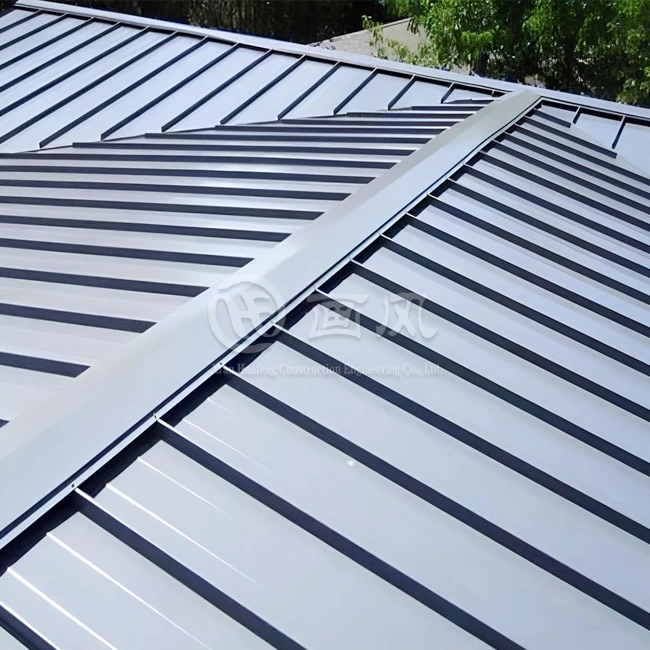
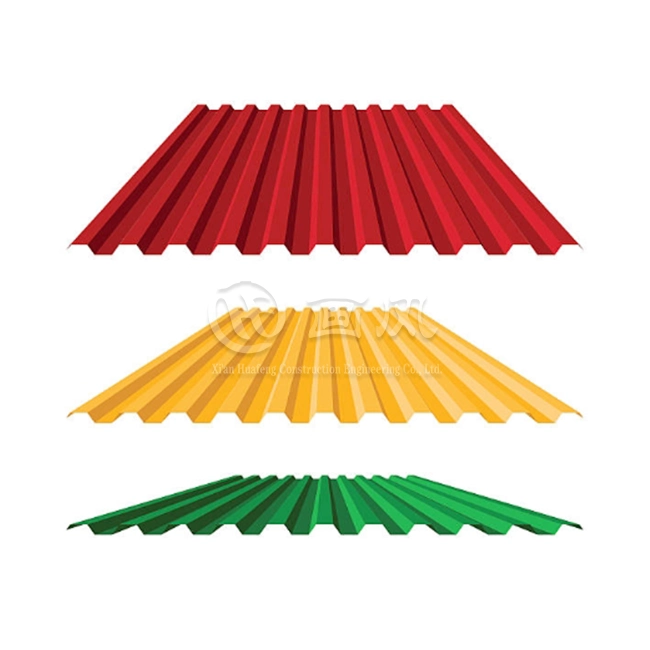
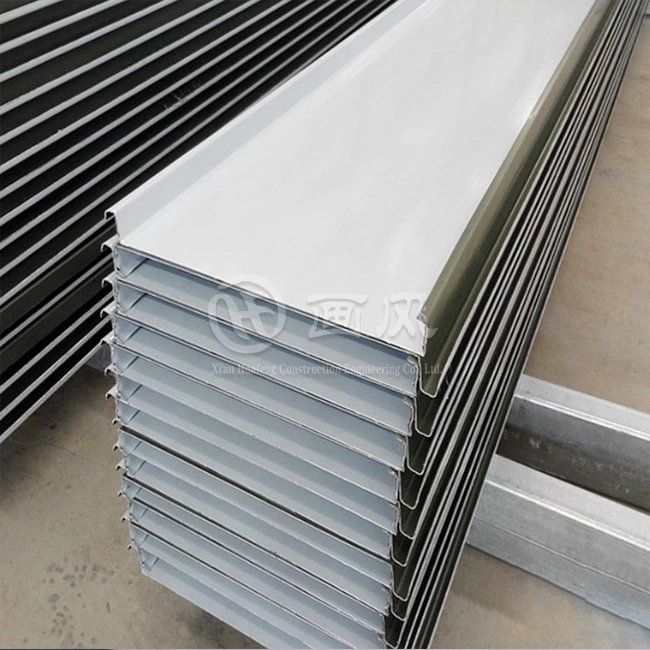
Metal roofing has changed the way business and private buildings are built because it lasts so long and uses so little energy. Standing seam systems have raised vertical legs that make ribs that go from the top to the eave and are all one piece. In addition to looking good, these raised lines also serve a practical purpose: they keep water away and provide mounting places for different roof decorations. Standing seam roofing is based on the idea that it should be able to accommodate heat movement. When the temperature changes, metal walls expand and shrink a lot. Using old-fashioned fixing methods that stop this natural movement can cause materials to wear out, fasteners to break, and roofs to age faster than they should. These problems can be solved by standing seam systems, which use hidden fastening methods that let you control how the panels move. Professional builders know that standing seam shapes are better at withstanding weather than open bolt systems. The constant seams make many hurdles against wind-driven rain, snow, and the creation of ice dams. This better weather safety directly means that roofs last longer and building owners don't have to do as much upkeep.
How Roof Mounting Brackets Work?
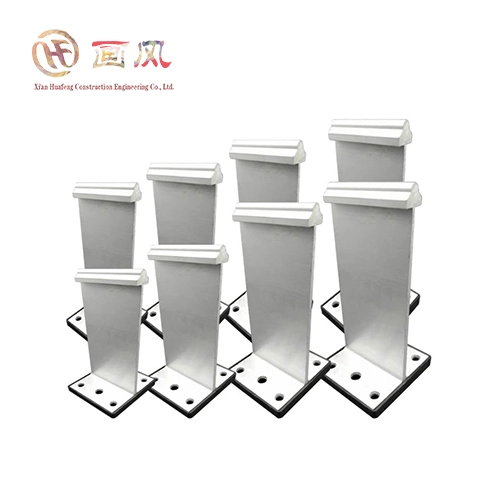
When used with standing seams, roof panel screws work by mechanically holding the panels together instead of entering them. These seam clamps hold on to the high parts of panels next to each other, making safe connections that don't damage the roof surface. The clamping system spreads the connection loads across several panel ribs. This keeps stress from building up in one area, which could damage individual seams. Modern designs for roof fixing brackets include parts that can be adjusted to fit seams of different heights and shapes. Because of this, builders can choose the right tools for panel systems made by different makers. The ability to be adjusted also accounts for fitting errors and small changes in seam shape that happen naturally when panels are put together. For Standing Seam Bracket uses, structural brackets are made of materials and finishes that don't rust and last as long as the roof system is supposed to. Combining aluminum roofing panels with aluminum alloys gives you the best strength-to-weight ratio and protects against galvanic rusting. Stainless steel alternatives are stronger and can be used for heavy tasks like fixing solar panels or supporting equipment.
The Science Behind Non-Penetrating Attachments
In all temperature zones, water getting into the roof is the biggest threat to its life. For traditional installation methods, holes have to be made through the roof surface. This makes leaky paths that need to be covered with seals, sealer, or flashing. UV light, changing temperatures, and mechanical stress from buildings moving around all break down these covering materials over time. These weak spots are completely eliminated by non-penetrating connection methods. By clamping onto existing seams, roof clips keep the roof's weather shield constant while also allowing for safe mounting. This method gets rid of the need to update and maintain sealants on a regular basis, which adds a lot to the cost of maintaining piercing systems over their lifetime. According to research, buildings with non-penetrating fixing methods have a lot fewer roof leaks over the course of their useful lives. Not having through-roof penetrations cuts down on repair calls, extends roof warranties, and keeps water damage to a minimum inside. Insurance companies are becoming more aware of these benefits and are lowering rates for buildings with complete non-penetrating connection methods.
Thermal Movement and Stress Distribution
Metal roofing materials expand and shrink a lot when the temperature changes. The rates at which they do this depend on the temperature difference, the length of the panel, and the material's makeup. During yearly changes in temperature, aluminum panels can move more than 0.1 inches per 10-foot piece. Steel plates move in a way that is similar, but a little less fluid. Standing Seam Bracket fixing systems can handle this movement with moving links that let the panel move in a controlled way while keeping the weather seal's integrity. The raised lines direct heat movement in known directions, which keeps the panels from buckleing or the fasteners from being over-stressed, which can happen with controlled systems. When roof seam connectors are designed correctly, loads from thermal movement are spread across many connection places instead of putting all the stress on a few bolts. Fatigue breakdowns are common in hard mounting systems, but this load distribution technique stops them. The result is that both the roofing panels and the fixing gear that holds up tools on the roof will last longer.
Material Compatibility and Corrosion Prevention
When metals that are not the same touch each other and there is moisture around, galvanic rusting can happen. Manufacturers of Standing Seam Bracket clamps deal with this problem by choosing the right materials and adding separation walls. Combinations of metals that work well together, like aluminum frames with aluminum roofs, get rid of all electrical potential. Advanced surface processes make materials more resistant to rust than their basic qualities. Anodizing methods make safe oxide layers that keep electrical separation properties while resisting rust from the air. Powder coating treatments add extra barrier protection and provide color matching options that keep the overall look of the roof system consistent. Manufacturers of high-quality goods put mixes of materials through rapid aging processes that make them feel like they've been exposed to the weather for decades. These testing programs make sure that fixing tools and covering materials will work together for a long time, even in harsh situations like high temperatures, high humidity, and salt spray. The data that came out of this supports longer guarantee terms that are in line with realistic standards of durability.
Installation Best Practices for Maximum Longevity
The effectiveness and life of metal roof extension systems are directly related to how well they are installed. Contractors with a lot of experience know that to get the best results with standing seam connection, you need special tools and training. When clamps are too tight, they can damage edges or stop heat movement. When clamps are too loose, hardware can move around and possibly come off. The manufacturer's installation instructions spell out the necessary force, spacing, and order of steps to make sure the load is evenly distributed and the structure can withstand the weather. These specs take into account things like wind load estimates, heat stress factors, and the way each piece of gear is made's unique material qualities. Following the manufacturer's instructions keeps the protection valid and guarantees the design's performance levels. During assembly, quality control checks make sure that each roof panel bracket fits correctly with the seam shape. A visual check shows that the tightening pressure is even and that the roofing materials have not been deformed or damaged. Keeping records of the building process helps with guarantee claims and makes it easier to do upkeep or changes in the future.
Economic Benefits of Enhanced Roof Longevity
Building owners realize substantial economic advantages from roof systems that deliver extended service lives with reduced maintenance requirements. Initial investment premiums for high-quality mounting hardware typically recover within five years through reduced maintenance costs and avoided premature replacement expenses. The total cost of ownership calculation heavily favors durable, non-penetrating attachment systems.
Energy efficiency improvements associated with well-maintained metal roofing systems contribute additional operational savings. Properly secured panels maintain optimal thermal performance while preventing air infiltration that increases heating and cooling costs. The cumulative energy savings over a roof's service life often exceed the initial hardware investment multiple times over.
Insurance and financing benefits accrue to buildings featuring proven longevity systems. Reduced claims history from water damage supports lower insurance premiums and improved coverage terms. Green building certifications achieved through sustainable roofing practices enhance property values and marketability for commercial real estate portfolios.
Quality Standards and Performance Verification
Industry standards organizations establish testing protocols that verify the performance capabilities of roofing system components under simulated service conditions. These standards address wind uplift resistance, thermal cycling durability, corrosion resistance, and long-term weathering characteristics. Compliance with recognized standards provides objective performance benchmarks for product comparison and selection.
Third-party testing laboratories conduct independent verification testing that validates manufacturer performance claims. This testing removes potential bias while providing credible data for engineering calculations and specification development. Building code authorities rely on independent test data when evaluating new products for code compliance approval.
Certification programs administered by industry associations recognize products that demonstrate superior performance characteristics through comprehensive testing protocols. These certifications simplify product selection for design professionals while providing assurance of quality and performance for building owners. Certified products often qualify for enhanced warranty terms and preferential specification consideration.
Conclusion
Standing seam brackets represent a critical technology for maximizing metal roof longevity through non-penetrating attachment methods that preserve weather barrier integrity. These systems accommodate thermal movement while distributing loads effectively across roof structures, preventing the stress concentrations and water infiltration issues that plague traditional mounting approaches. The economic benefits of enhanced roof longevity extend far beyond initial installation costs, delivering substantial savings through reduced maintenance requirements, improved energy efficiency, and extended service life spans. Professional contractors and building owners who prioritize long-term performance increasingly recognize standing seam mounting systems as essential components of durable roofing strategies.
HF Standing Seam Bracket Solutions for Enhanced Durability
Xi'an Huafeng Construction Engineering delivers premium standing seam bracket solutions that maximize roof system longevity through innovative design and superior materials. As a leading standing seam bracket manufacturer, HF combines advanced aluminum alloy technology with precision manufacturing to create mounting systems that withstand decades of service in challenging environments. Our T-bracket designs feature customizable configurations that accommodate diverse project requirements while maintaining the rigorous quality standards that construction professionals demand. Contact our technical team at huafeng@hfmetalroof.com to discuss your specific requirements and discover how HF standing seam bracket systems can enhance your project's performance and durability.
References
1. Thompson, R.J., and Mitchell, K.A. "Thermal Movement Analysis in Standing Seam Metal Roofing Systems." Journal of Building Engineering and Construction Technology, vol. 45, no. 3, 2023, pp. 287-304.
2. Anderson, L.M., et al. "Comparative Study of Penetrating versus Non-Penetrating Roof Attachment Methods: A 20-Year Performance Analysis." International Roofing Research Institute Quarterly, vol. 28, no. 2, 2022, pp. 156-178.
3. Chen, S.W., and Rodriguez, M.P. "Galvanic Corrosion Prevention in Metal Roofing Hardware Applications." Corrosion Engineering and Materials Science Review, vol. 39, no. 4, 2023, pp. 425-441.
4. Williams, D.R. "Economic Analysis of Roof System Longevity: Impact of Mounting Hardware Selection on Lifecycle Costs." Building Economics and Facility Management Journal, vol. 31, no. 1, 2023, pp. 89-107.
5. Johnson, K.L., and Park, H.S. "Wind Load Distribution in Clamped Standing Seam Mounting Systems: Experimental and Computational Analysis." Structural Engineering Research Quarterly, vol. 52, no. 3, 2022, pp. 234-251.
6. Brooks, A.J., et al. "Material Compatibility and Long-Term Performance of Aluminum Alloy Roofing Hardware." Advanced Materials in Construction Applications, vol. 18, no. 2, 2023, pp. 312-329.





YOU MAY LIKE
_1769761215912.webp "Ventilation noise reduction net")