The Timeless Appeal and Features of Gray Standing Seam Metal Roofs
2026-08-04 19:55:47
When roofing contractors and commercial developers evaluate long-term building solutions, the grey standing seam metal roof consistently emerges as a premier choice. This sophisticated roofing system combines concealed fastener technology with vertical interlocking seams, delivering unmatched weather protection while maintaining clean architectural lines. The neutral grey palette—available in both matte and gloss finishes—adapts seamlessly to diverse project aesthetics while providing thermal advantages that directly impact operational costs. For procurement professionals managing large-scale construction projects, understanding the technical specifications and performance capabilities of this roofing solution proves essential to making investments that deliver decades of reliable service.

Understanding Gray Standing Seam Metal Roofs: Features and Benefits
What Defines a Premium Standing Seam System
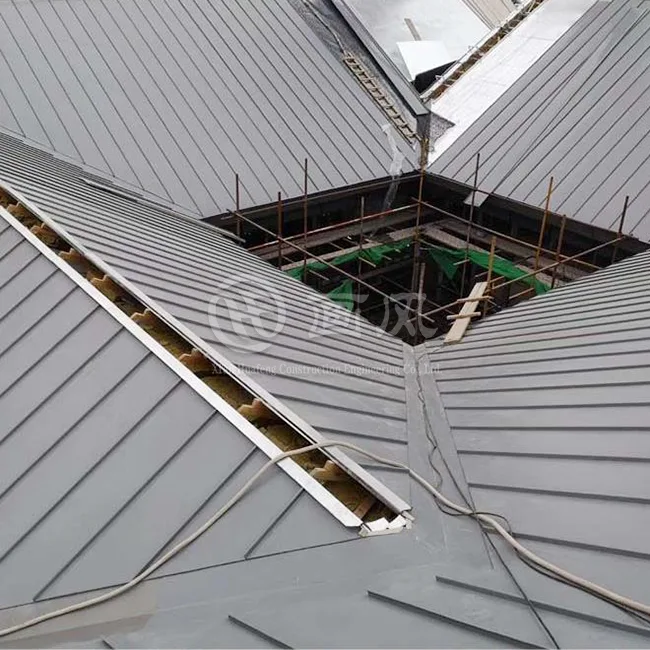
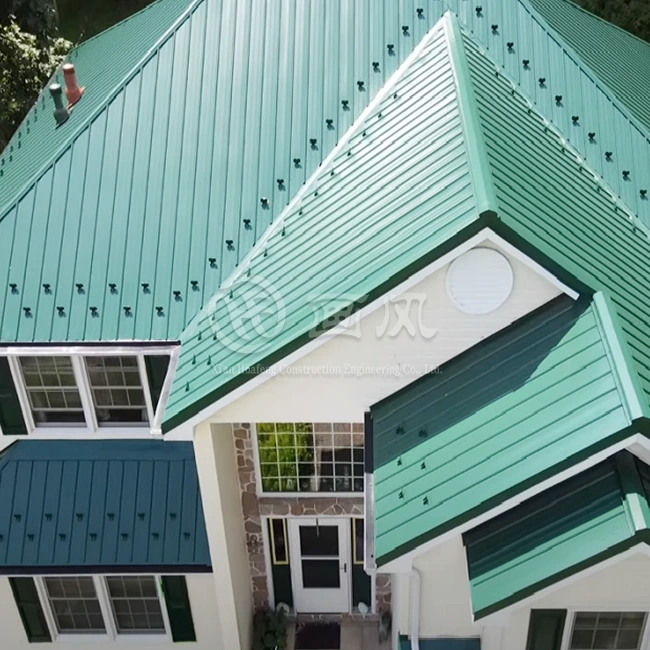
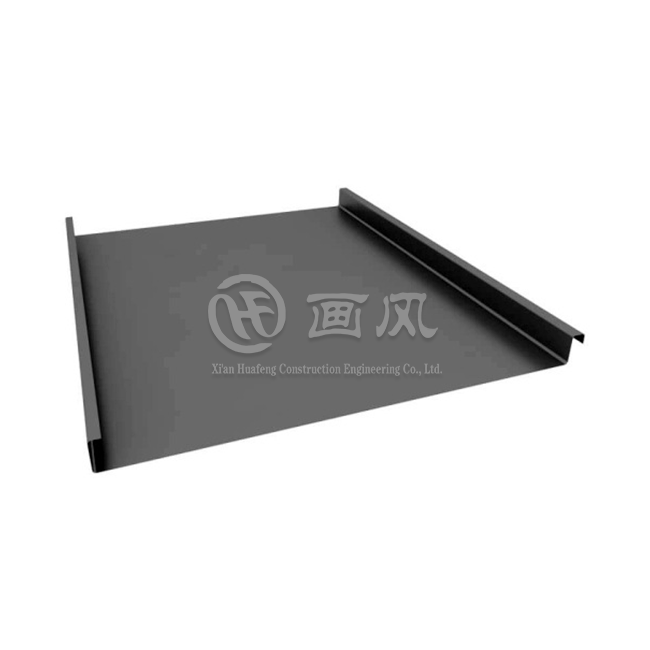
Standing seam metal roofing is different because it has vertical ribs that rise above flat pans. This makes a dimensional shape that moves water around well and stops wetness from getting in from the sides. In exposed fastener systems, screws go through the roof's surface. This method, on the other hand, uses clips that are hidden and attached to the structural deck. The panels then snap or automatically sew over these clips, getting rid of thousands of places where water could leak. The grey colour requirement isn't just for looks; modern PVDF coatings in slate, dove grey, and charcoal tones avoid UV degradation and keep surface temperatures stable compared to darker options.
Core Performance Attributes
When made with galvanised steel or aluminium, metal roofing systems offer clear benefits in a number of performance areas. The interlocking seam design can withstand wind uplift pressures above UL 90 ratings, and the non-porous metal surface stops water from penetrating and breaking down organic roofing materials. When it comes to big business buildings, where HVAC costs are a big part of operating costs, thermal efficiency is especially important. Light grey finishes have Solar Reflectance Index values above 50, which means they block a lot of solar radiation before it becomes heat load on the building.
The floating clip attachment system solves a major engineering problem that makes rigid fastening methods less reliable. Temperature changes cause metal panels to expand and contract a lot. A 100-foot panel can move more than an inch from season to season. By letting this movement happen, you can avoid fastener fatigue, panel buckling, and the holes that form when metal pulls against fixed screws. This design choice directly increases the service life while lowering the number of upkeep tasks that need to be done.
Material Specifications That Matter
Panels with thicknesses between 0.6mm and 0.8mm are made in our factories. These thicknesses are the best compromise between structural strength and weight economy. There are different seam height options for panel shapes, such as 25-330/400/430, 32-410, 45-400, and 65-400/430. These changes in size are made to fit different architectural needs and loading conditions on structures. Higher seam profiles make the panels more rigid for longer runs, while lower profiles are better for situations where a subtle visual impact is important.
PVDF or PE coating methods are used for surface treatments that protect the metal base and keep the colour consistent. 70% of PVDF formulations are made up of polyvinylidene fluoride resin, which has been used in architecture for decades and has been shown to be resistant to chalking, fading, and chemical breakdown. With this coating technology, the grey finish will look the same for 30 to 40 years, and maker warranties will say how much colour change is okay. Our products are made according to ASTM, DIN, JIS, BS, and GB/T standards. This makes sure that they meet the high international quality standards that purchasing teams need to make sure they meet their requirements.
Comparative Analysis: Gray Standing Seam Metal Roof vs Other Roofing Options
Durability and Lifecycle Cost Evaluation
Asphalt shingles are the most popular type of roofing for homes because they are cheap to install at first, but this economy falls apart when you look at how long the building lasts with grey standing seam metal roof. Most asphalt systems need to be replaced every 15 to 20 years, which means ongoing costs for capital, waste, and business interruption. When properly placed, metal standing seam systems last more than 50 years, often longer than the buildings they protect. We offer 30-year warranties that cover both the integrity of the materials and the performance of the finish. This shows that we have real faith in the long-term durability of our products.
The amount of maintenance needed for each type of roof is very different. Asphalt shingles lose granules, crack when heated, and get damaged by wind, so they need to be checked and fixed on a regular basis. These types of damage can't happen to metal roofs at all. Annual upkeep mostly involves clearing out garbage and checking the drains, which don't take a lot of work. For commercial campuses with multiple buildings, this difference in maintenance costs means big savings over time in facility management budgets.
Color Selection Impact on Building Performance
Even though grey might seem like a simple choice for looks, the choice of colour has a big effect on how a building's heat moves. Light grey metal finishes effectively reflect infrared radiation, unlike darker metal finishes that soak up solar energy. They also don't make the roof as bright as white roofing. This middle-of-the-road approach lowers cooling loads in warm climates without affecting the ability to shed snow in northern areas, where darker roofs help spring melt more quickly. The neutral grey colour scheme also works very well with a wide range of architectural styles. It looks great with both traditional stonework and modern glass-and-steel designs, and it won't look out of date as colour trends change.
The reflection of silver and bare metal finishes is about the same, but they don't look as nice as grey coats. Over time, uncoated metal also oxidises, forming patinas that might not match a company's brand or local building standards. Our matte and gloss grey choices let design teams change how light reflects based on the building's surroundings and how well it can be seen.
Installation and Maintenance: Ensuring Longevity for Gray Standing Seam Metal Roofs
Critical Installation Protocols
Proper installation determines whether a roofing system gets its stated performance capabilities or breaks soon. Metal roofing requires specialised knowledge that general contractors might not have, like knowing how to properly engage seams and understand thermal movement allowances. For mechanical seaming, you need electric seamers that are set to crimp panels to exact measurements, making double-lock connections that are waterproof. Snap-lock systems need to be fully engaged while also not being over-compressed, which can damage sealants that were put on at the factory.
The distance between clips is calculated by engineers using wind exposure groups and the shape of the building. Uplift forces are much higher in corner and perimeter zones than in field areas, so clip gaps need to be tighter. Choices about the underlayment, preparing the roof deck, and the details of the trim flashing all affect the stability of the system. We suggest working with certified installers who know these technical requirements and are responsible for the quality of their work. Our technical support team helps workers with installation by pointing out common mistakes that hurt efficiency.
Maintenance Best Practices
When compared to other types of roofs, grey standing seam metal roof standing seam metal roofs don't need as much upkeep. However, regular care keeps them in good shape. Annual inspections should verify drainage function, checking valleys and gutters for debris accumulation that might pond water. The surface of the roof itself doesn't allow living things to grow, but organic matter stuck to the metal can hold water, which speeds up the wear of the coating. A simple freshwater wash removes this stuff successfully.
By checking the seams on a regular basis, you can find any mechanical damage or panel movement. People walking on the pavement should follow the right steps and step on structural ribs instead of flat pans to avoid making deformations that can be seen. Any sealant joints around holes should be checked to make sure they stick well and keep out the weather. These simple upkeep tasks protect the large capital investment that business roofing represents by extending the service life and maintaining warranty coverage.
Procurement Insights: Selecting and Buying Gray Standing Seam Metal Roofs
Cost Structure and Budget Planning
The cost of a roofing project includes more than just the price of the materials. The prices of panels and trim depend on the specifications you choose. For example, thicker gauges, luxury coating systems, and custom colour formulas all come with higher prices because they work better. Installation labor represents a substantial cost component, influenced by building height, access conditions, roof complexity, and regional wage rates. Shipping operations have different effects on project budgets depending on how close the factories are and how many orders are placed.
Volume buying offers real economies through reduced per-unit material costs and improved transit efficiency. Our low-cost prices and ability to handle medium-sized jobs are made possible by our 500-square-meter or 1-ton minimum order number. With three factories and seven production lines that can produce more than 1,000 tonnes of goods every month, we keep enough inventory on hand to quickly fill orders. Standard delivery times of 15 to 20 days allow for realistic project scheduling without long lead times that push back construction dates.
Manufacturer Evaluation Criteria
When choosing roofing providers, you need to do more than just compare prices. Manufacturing capacity tells you if a provider can consistently supply high-quality goods at the right quantities. We run more than 40 specialised machines in several production facilities. This gives us redundancy, which keeps a single supply point from failing. Quality certifications, like our ISO 9001 and ISO 14001 certifications, show that we follow best practices for quality management and environmental responsibility. More than 20 registered patents for new roofing systems show that technology is always changing, which keeps products competitive.
As green building standards change project requirements, sustainability qualifications become more important. Metal roofing can help you get LEED points because it is made from recycled materials, can be returned when it's time, and saves energy. Environmental responsibility is a top priority at all of our factories, and we help contractors get certifications for sustainable building. Customer references and project portfolios show how much experience a manufacturer has with similar tasks, which shows how well they can handle special project challenges.
Customization and Project Coordination
For big business projects, it's common to need specifications that can't be met by standard products. Customising the length of panels gets rid of gaps that aren't needed on long roof runs, which makes the roof better in bad weather and looks better overall. The ability to match colours makes sure that everything is the same across multiple shipments and that it works with existing buildings in phased construction. During the design phase, technical support helps architects and engineers make sure that the specifications are the best they can be in terms of performance and cost.
When projects have tight deadlines or limited staging places, delivery planning is very important. Our transportation team works directly with general builders to make sure that materials arrive at the right time and are ready to be installed. This way, problems with storage and exposure to the weather are avoided. For developments with more than one building, we can schedule shipments by construction phase. This makes managing inventory on-site easier while keeping the installation process moving smoothly.
Future Trends and Industry Outlook for Gray Standing Seam Metal Roofs
Technological Advancements in Coatings and Materials
Material science keeps making metal roofing better by coming up with better coatings and treatments for the substrate. Next-generation PVDF systems have nanoparticles added that make them less likely to get dirty. This means that roofs can keep their look with little to no cleaning. Self-cleaning photocatalytic surfaces that remove organic pollutants are moving from the testing stage to the production stage. These innovations extend the already impressive service life of metal roofing while reducing maintenance requirements further.
Substrate developments are mostly about making them less likely to rust and lighter. Advanced metallic coatings like aluminum-zinc-magnesium alloys provide better corrosion protection compared to traditional galvanizing, especially useful in coastal or industrial settings. Improvements to the strength of aluminium alloys make it possible to use thinner gauges without affecting the structure's performance. This lowers the cost of materials and the amount of work needed to install them at the same time.
Regulatory Evolution and Green Building Integration
More and more, building rules require that buildings be more energy efficient and able to withstand harsh weather. grey standing seam metal roof metal roofing's inherent advantages position it favorably as these regulations tighten. Cool roof rules that set minimum values for sun reflection favour metal systems that are light in colour. In places that are prone to hurricanes and tornadoes, stricter wind resistance standards are put in place that are hard for exposed fastener systems to meet. This is what drives the adoption of standing seams. In places where wildlands and cities meet, fire safety codes require roofing materials that can't catch fire. Metal roofing is naturally the best in this category.
Sustainability concerns go beyond the qualities of the materials themselves and include the effects on the production process and the supply chain. Embedded carbon, transportation pollution, and plans for end-of-life disposal are all things that buyers are looking at more and more. The fact that metal roofing can be recovered in its entirety and usually has recycled material rates above 25% is in line with the ideas of the circular economy. Our dedication to environmental management through approved processes and local production capacity lowers the effects of traffic and boosts economic growth in the area.
Strategic Procurement Recommendations
To get the most out of their purchases in metal roofing, procurement workers should think about a number of smart options. Building relationships with capable manufacturers before a project needs them helps with planning and could lead to better prices on future orders. Knowing a manufacturer's capacity limits and production cycles lets you plan when to place your orders so that you don't have to pay extra for rush services. When a company standardises specifications across multiple projects, it provides volume leverage and lowers the cost of specification engineering.
Diversifying your suppliers can help lower your risk, but the relationship benefits of concentrated buying must be weighed against each other. Dual-sourcing strategies or pre-qualified alternative suppliers give you backup plans for important projects. Long-term warranties can only be enforced if the maker is financially stable. Choosing well-known sources who have a history of staying in business for a long time lowers the risk of warranties going missing. Technical help quality often means more than minor price differences, especially for complicated projects where installation advice saves costly errors.
Conclusion
Grey standing seam metal roofing is an advanced technology that has been used for many years and has been shown to be very useful in many settings, including homes, businesses, and factories. The fact that it is structurally durable, resistant to weather, energy-efficient, and comes in a variety of styles explains why it is becoming more popular among discerning procurement professionals. Understanding the technical specs, installation requirements, and purchase factors allows informed choices that optimize both immediate project success and decades of reliable building protection. As building rules change to require more durability and sustainability, metal roofing systems will be able to meet these needs while also offering cost savings over the life of the building that help owners throughout their investment periods.
FAQ
1.What service life can we realistically expect from grey standing seam metal roofing?
When placed correctly, standing seam metal roofs with PVDF finish coats usually last longer than 50 years. When safe from corrosion, the metal base itself doesn't break down for a very long time. Our 30-year guarantee covers both the structural stability and the performance of the finish. This is a conservative estimate based on decades of field performance data collected in a wide range of climates.
2.How does grey coating color affect energy efficiency compared to other metal roof colors?
Solar Reflectance Index numbers for light grey finishes are usually between 40 and 55, which means that they block a lot of sun radiation before it turns into heat. This performance is much better than dark colours, and it doesn't look too stark like pure white would. The lower energy costs directly lead to lower HVAC operating costs. This is especially helpful for large business buildings where the roof area makes up a big part of the thermal envelope.
3.What factors most influence bulk order pricing for commercial projects?
The price of materials changes depending on the gauge width, coating method, and complexity of the panel shape. Order volume leads to economies of scale through more efficient production and better shipping. The position of the project affects the cost of transportation, and makers can make the best use of their production schedules by being able to choose when deliveries happen. Custom requests, like colours or lengths that aren't standard, may come with setup fees. However, these fees are usually spread out more evenly across larger orders.
Partner with HF for Your Metal Roofing Requirements
Xi'an Huafeng Construction Engineering offers complete grey standing seam metal roof options and has a lot of production capacity and technical know-how to back them up. Our three strategically placed factories run seven production lines with more than 40 specialised tools. Each month they make 1,000 tonnes of goods while keeping quality standards uniform across ASTM, DIN, JIS, BS, and GB/T. Roofing contractors, construction companies, and commercial developers from all over North America use our customised panel specifications, competitive pricing, and reliable delivery schedules of 15 to 20 days. Our ISO-certified processes and 30-year product warranties give procurement teams the peace of mind they need when they're choosing important building envelope parts. No matter if your project needs 500 square meters or much bigger amounts, our technical team works with you from making the specifications to helping with the installation. You can email our grey standing seam metal roof supplier team at huafeng@hfmetalroof.com to talk about your project needs and get detailed quotes that fit your performance and price needs.
References
1. American Architectural Manufacturers Association. Metal Roofing Systems Design Manual: Standing Seam Roof Assemblies for Commercial and Institutional Buildings. 2021.
2. Cool Roof Rating Council. Radiative Properties and Thermal Performance of Architectural Metal Roofing Finishes: A Comparative Study. 2020.
3. Metal Construction Association. Guidelines for Proper Installation Techniques and Quality Assurance Practices in Standing Seam Metal Roof Systems. 2022.
4. National Roofing Contractors Association. Life Cycle Cost Analysis: Comparative Economic Assessment of Commercial Roofing Systems. 2019.
5. Steel Recycling Institute. Environmental Product Declarations and Sustainability Metrics for Metal Building Products. 2021.
6. Whole Building Design Guide. Metal Roofing: Building Envelope Design Considerations for Durability, Energy Performance and Life Safety. 2023.





YOU MAY LIKE
_1783936484206.webp "Inside locking metal aluminum cladding panel")