The Right Way to Choose a 12 Standing Seam Metal Roof
2026-09-18 20:57:10
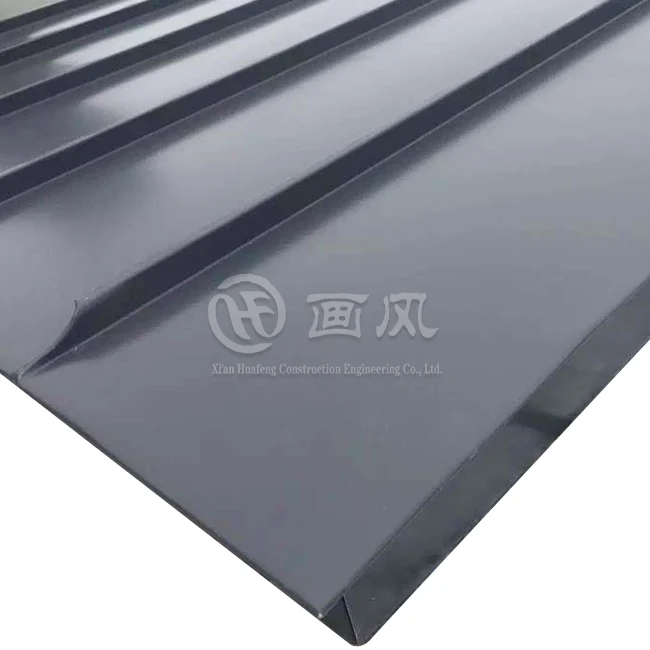
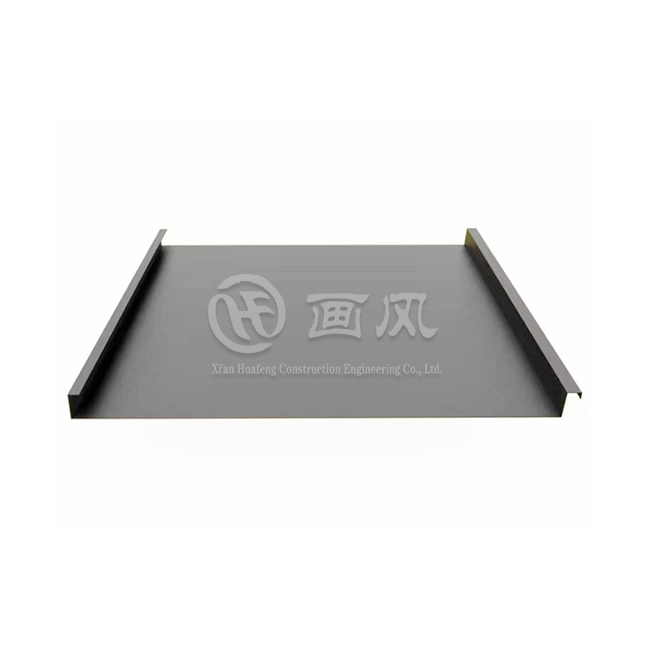
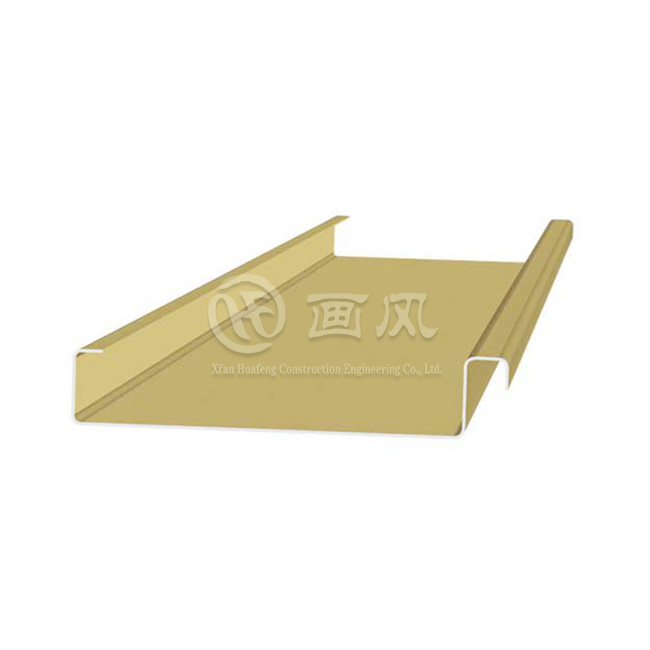
Choosing the right roofing system for commercial or industrial projects requires precision, foresight, and an understanding of performance benchmarks. When we talk about a 12 standing seam metal roof, we refer to a vertical panel system where raised seams occur at 12-inch intervals, creating a structurally reinforced, weathertight surface ideal for high-stakes installations. This narrower panel width offers enhanced rigidity, reduced oil canning visibility, and greater wind uplift resistance compared to wider profiles. For procurement managers and roofing contractors working across North America, selecting this roofing configuration demands careful evaluation of material specifications, compliance certifications, and supplier reliability to ensure project success and long-term value.

Understanding 12 Standing Seam Metal Roofs: Key Features and Benefits
What Makes the 12-Inch Profile Distinct
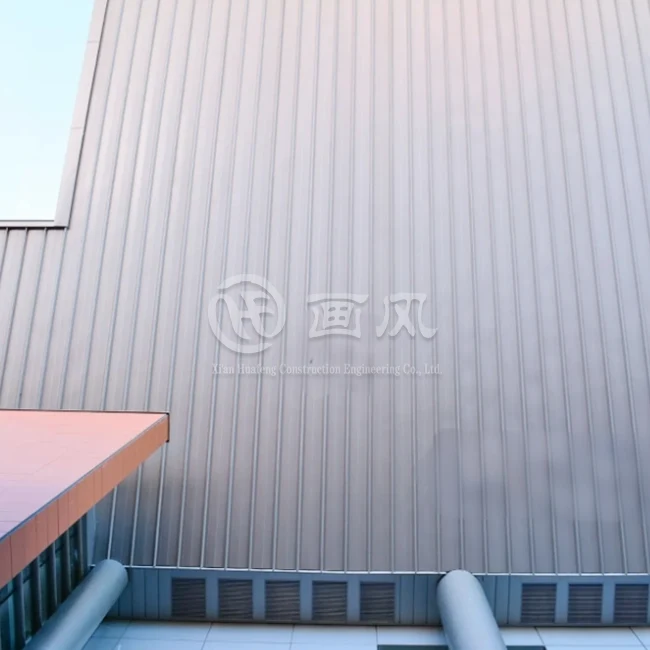
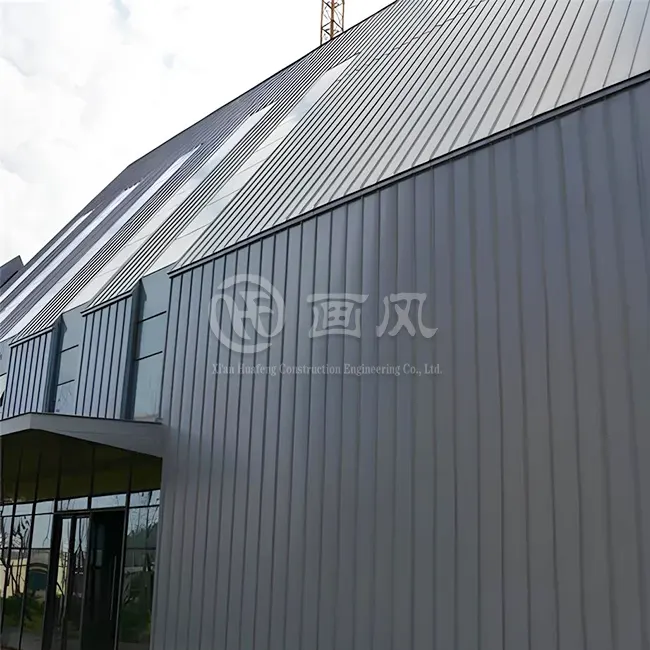
A 12-inch standing seam method is designed to provide better structural performance and esthetic harmony. The closer seam spacing brings the vertical ribs closer together, which reduces oil canning, which is a problem that always comes up with wider metal panels. This profile works with hidden fastening systems, so there are no more visible screws that rust and make the weatherproofing less effective over time. The raised seams can be locked together mechanically or with snap-locks, making a solid barrier against water seepage, even when there is a lot of snow or hurricane-force winds.
Core Performance Advantages
In many ways, standing seam roofs are better than regular metal sheets or asphalt shingles. Because they are straight and the openings interlock, water doesn't pool, so they can be used on low slopes down to 1/4:12 pitch. Reflecting solar radiation off of metal roofing can cut cooling needs by up to 25% during the hottest summer months. Metal panels get Class A grades for fire protection without any extra treatments. Noise reduction is a common issue with metal roofs, but it gets a lot better when the right underlayment and insulation layers are put down below the panels.
HF's standing seam panels come in aluminum alloy, galvanized steel, stainless steel, copper, and titanium-zinc surfaces, and each one is best for a certain type of climate. Aluminum doesn't rust, which is good for coastal projects. Galvanized steel, on the other hand, is cheaper for buildings in the middle of the country. Panel heights can be changed from 25mm to 65mm (1" to 2.55"), so they can be tailored to your needs for both looks and structural load. PVDF and polyester finishes are stable in UV light and keep colors true. They come with a 30-year warranty that covers the film's integrity and resistance to fading (Metal Construction Association, 2022).
Key Decision Criteria for Selecting the Right 12 Standing Seam Metal Roof
Aligning Material Specifications with Project Demands
To choose the best standing seam roof, you must first match the qualities of the material to the type of building, its exposure to weather, and your budget. Different thicknesses, ranging from 0.5mm to 1.2mm, change both the weight and the strength of the structure. When re-roofing, thinner gages work best in areas with limited load, while thicker panels are better for areas with a lot of foot traffic or putting solar panels. The choice of material affects thermal expansion. For example, aluminum expands more than steel, so clips need to be spaced out carefully to keep the metal from buckleing.
The weather affects the choice of finish. PVDF finishes work great in places with a lot of UV light, and the color stays stable for decades. Polyester finishes are cheaper and work well in mild conditions, but they may chalk more quickly. Seam height and clip frequency are set by the classification of wind zones. In HVHZ (High Velocity Hurricane Zones), projects need panels that are manually seamed with in-seam glue and clips that are 12 inches apart on center. Inland sites, on the other hand, can use snap-lock systems that are 24 inches apart.
Compliance and Certification Requirements
The people in charge of buying things for a 12 standing seam metal roof have to make sure that the panels meet ASTM E1592 for structural performance and ASTM E1680 for water protection. These standards make sure that a roof can stand up to certain amounts of wind uplift pressure without seams breaking or water getting in. HF panels meet the standards set by ASTM, DIN, JIS, BS, and GB/T. This means they are compatible with building rules in North America and project requirements from other countries. According to AS/NZS 1530.3:1999, SGS-certified testing shows that the material is very fire resistant, with no ignition in any of the samples and little smoke production. This is very important for projects that need non-combustible parts.
Environmental compliance is just as important. All ten of the dangerous substances in HF's panels are either not found or well below the levels allowed by the EU RoHS Directive. This certification lets people who are buying materials for LEED or green building projects know that they don't contain any lead, mercury, cadmium, or limited phthalates.
Evaluating Total Cost of Ownership
The cost of the materials at the start is only one part of the issue. Lifespan estimates strongly favor metal roofing. Standing seam systems that are installed correctly last 50 to 70 years, while exposed-fastener roofs or asphalt shingles only last 15 to 20 years. Maintenance costs go down a lot because moss, mildew, and insects can't damage metal. Every year, energy saves add up because reflective coats lower the load on HVAC systems. According to the National Roofing Contractors Association (2023), procurement managers should figure out the return on investment by taking into account things like guarantee coverage, the number of times that the roof won't need to be replaced, and the lower insurance rates that come with fire-resistant building.
The Installation Process & Maintenance of 12 Standing Seam Metal Roofs
Professional Installation Best Practices
Whether a standing seam roof works as well as it could depends on how well it was installed. Properly preparing the base is the first step. The floor must be flat within 1/4 inch over 20 feet to stop panels from deforming due to stress. High-quality synthetic underlayment protects against water and keeps the temperature stable. The clips have to line up perfectly with the panel ribs, which are spaced out according to engineering standards that take wind uplift and thermal movement into account. With controlled pressure, mechanical seaming tools crimp the male and female legs together, making a double-lock seam that is weatherproof.
Some common installation mistakes are overtightening the clips, which stops the panels from expanding when they get hot, and not properly engaging the seams, which lets water in. These risks are kept to a minimum by hiring certified installers who know how to work with your panel profile. Before moving panels, HF tells workers to make sure that the clips will work with the panel's geometry, since small differences in size between makers can affect how well seam tools work.
Systematic Maintenance Protocols
Standing seam roofs still need very little maintenance, but it's still necessary. Seam quality should be checked once a year, especially after bad weather. Getting rid of debris that builds up in dips or around penetrations stops water from staying there and biological growth. Panel surfaces without fasteners are easier to clean; washing them in fresh water gets rid of pollen, dust, and salt deposits without hurting the finishes. Rinsing coastal installations every six months is a good way to keep salt from building up, which speeds up galvanic corrosion at cut edges.
Access points for HVAC units or windows need to be closely watched. Sealant breaking down around flashings is the main cause of leaks in old metal roofs. Weatherproofing can be kept up by re-sealing every five to seven years. When adding equipment to the roof, non-penetrating clamp systems that connect directly to standing seams keep the guarantee valid by not creating new leak points.
Evaluating Leading 12 Standing Seam Metal Roof Suppliers and Brands
Supplier Capability Assessment
Finding a trusted supplier isn't just about choosing a good product; it's also about making sure they can deliver on time and offer good expert support. HF has three factories that together have seven color coating production lines and more than 40 specialty tools that allow them to make 1,000 tons of products every month. This size can handle big jobs with many buildings without supply problems. Customizing panels lets you get exact lengths to within 3 mm, which is important for cutting down on installation and field cutting time.
When projects are complicated, technical help sets one provider apart from others for 12 standing seam metal roof systems. HF offers detailed seam plans, estimates for thermal movement, and clip spacing schedules that are made to fit specific wind zones and panel gages. Costly changes in the field can be avoided with engineering help during the planning phase. For phased building, batch color uniformity is important. HF's automated color matching makes sure that RAL and custom colors stay the same across orders that are placed at different times of the year.
Quality Assurance and Certification
Strict testing rules are needed to make sure the quality of the production. The coating performance of HF panels is tested by SGS according to AAMA 2605-22, and they get perfect scores in all 13 areas. These include dry adhesion (5B), boiling water adhesion (5B), and impact resistance with no cracking. Color uniformity tests shows that there is only a small difference in Delta E (ΔE=0.3), which means that panels from different coil batches can be seen to match. Chemical resistance testing proves that something can withstand acidic rain, alkaline detergents, and mortar splatter, all of which are common dangers during construction and service life.
Certifications give buying teams proof they can use to get project approvals and guarantee claims. HF keeps its ISO 9001 and ISO 14001 certifications, which show that it takes quality management and environmental responsibility seriously. These credentials meet the standards for bids on government projects and university projects that require careful review of vendor qualifications (American Institute of Architects, 2021).
Procurement and Cost Insights: Budgeting for Your 12 Standing Seam Metal Roof Project
Understanding Price Drivers
The cost of materials depends on the type of substrate, coating, and panel thickness that is chosen. Aluminum costs more than other materials, but it doesn't rust and doesn't need to be replaced in harsh settings. When it comes to initial cost, galvanized steel is the best choice for places with mild humidity or controlled indoor temperatures. PVDF finishes cost 15% to 25% more than polyester ones, but they last a lot longer, so the overall cost of ownership is lower.
Cost savings happen when you buy a lot of something. HF's minimum order quantity of 500 square meters is the same size as most commercial buildings, so it's possible to place project-specific orders without having to keep extra inventory on hand. When orders are made during the design development phase, 15 to 20 day lead times help keep building schedules on track. Changes in ocean freight and tariffs mean that budgets need to be flexible. To avoid surprise surcharges, procurement managers should lock in prices early and make sure they understand Incoterms.
Optimizing Contract Negotiations
Price and service promises need to be balanced in order for bargaining to work. Project costs are kept safe by asking for details on panel length tolerances, shipping methods that won't cause damage, and replacement policies for broken goods. Making it clear when clips and trim are available makes sure that installers get full systems quickly. Contractors who are working on multiple projects can better control their cash flow when payment terms are linked to delivery goals.
For full orders, samples are sent to make sure the colors are correct and the finish is good. HF gives stakeholders actual panel examples that match certain coatings and substrates, so they can see how the panels look in natural light. This step keeps expensive mistakes from happening when digital renderings and real installations don't match up.
Conclusion
Choosing a 12 standing seam metal roof is an investment in the performance of the building, the happiness of the people who live or work in it, and the control of the building's lifecycle costs. The smaller shape is better for the structure because it makes it more rigid and reduces oil canning. Also, hidden fastening systems get rid of the leaky spots that are common in exposed-fastener assemblies. Materials that are easy to work with, like aluminum and stainless steel, can be chosen to meet the needs of different climates, budgets, and tastes. Tough adherence to ASTM and international standards, backed up by independent SGS testing, gives buying teams faith in the performance of the product. This roofing system provides decades of weatherproof protection with little upkeep if it is paired with experienced sellers who offer expert support, consistent quality, and on-time delivery. Making smart choices about which materials to use, how to evaluate suppliers, and how to oversee the installation process is important for making sure that projects meet their design goals and budgets.
FAQ
1. What is the expected lifespan of a standing seam metal roof?
When fitted and taken care of properly, standing seam systems usually last between 50 and 70 years. The type of substrate affects how long something lasts. Copper and stainless steel can last over 70 years, while galvanized steel only lasts about 50 years before substrate corrosion forces it to be replaced. HF is confident in the stability of its materials as shown by its 30-year promise that covers both coating consistency and base perforation.
2. Can these roofs withstand heavy snow and extreme weather?
Yes, the structural rigidity and concealed fastening system of the 12-inch profile work great in snow country. Vertical gaps effectively shed snow and ice, which keeps loads from building up. When placed according to the manufacturer's instructions, wind lifting resistance meets or beats UL 580 Class 90 ratings. This means the system is safe for hurricane- and tornado-prone areas along the coast.
3. How does maintenance compare to other roofing types?
Asphalt or single-ply membrane roofs need a lot more upkeep than metal roofs. Once a year checks and clearing away any trash are usually enough. Asphalt tiles break down when they are exposed to UV light and changes in temperature, but metal panels keep their shape without losing their granules or becoming rigid. The main maintenance task is to replace the sealant every so often at penetrations.
Partner with HF: Your Trusted 12 Standing Seam Metal Roof Supplier
Every good roofing job starts with reliable materials. Contractors and distributors all over North America can work with HF because it has the production capacity, quality control, and expert help to meet their needs. We have 12 standing seam metal roof panels that are certified by SGS for fire safety, environmental responsibility, and coating performance. They also meet ASTM compliance standards. We can meet a wide range of architectural and structural needs with panels that are made in three factories and come in thicknesses from 0.5mm to 1.2mm, widths of 12 inches (305mm), and heights from 25mm to 65mm.
To speed up the buying process, our team helps with color matching, figuring out heat movement, and engineering seam details. When you place an order for at least 500 square meters or one ton, you can customize it for your project without having to pay extra for extra inventory. Delivery times of 15 to 20 days help keep building projects on schedule, and our 1,000-ton monthly capacity makes sure that supply stays steady for phased developments.
Are you ready to choose standing seam roofing that looks good, lasts a long time, and is a good value? For technical information, panel samples, and quotes that are tailored to your project, email huafeng@hfmetalroof.com or visit hfmetalroof.com.
References
1. Metal Construction Association (2022). Guidelines for Factory-Applied Coatings on Metal Panels.
2. National Roofing Contractors Association (2023). The NRCA Metal Panel and SPF Roof Systems Manual.
3. American Institute of Architects (2021). AIA MasterSpec Section 07 42 13 - Metal Roof Panels.
4. ASTM International (2022). ASTM E1592: Standard Test Method for Structural Performance of Sheet Metal Roof and Siding Systems.
5. SGS Group (2024). Testing and Certification Services for Construction Materials.
6. Cool Roof Rating Council (2023). Rated Products Directory.





YOU MAY LIKE