Structural Metal Panel Roofing Systems: What Buyers Need to Know
2026-09-16 20:13:52
When you're sourcing roofing for a large industrial or commercial project, the stakes are high. Structural metal panel roofing systems sit at the intersection of load-bearing performance, weather resilience, and long-term cost control. Unlike conventional roofing assemblies that depend on a solid deck substrate, these engineered panels span directly across purlins or framing members, carrying both dead and live loads without additional decking. For project managers and procurement teams handling warehouses, factories, or low-slope commercial buildings, understanding how these systems work, what separates a reliable supplier from a risky one, and how to align specifications with project timelines can make or break a build.

What Are Structural Metal Panel Roofing Systems?
How They Differ from Architectural Panels
Most buyers don't realize how important the difference is. Architectural metal panels are hydrokinetic, which means they move water away from them through slope and gravity. They need a solid base below them. Structural metal panel roofing systems are hydrostatic, which means that the seams that are manually seamed together keep water out even on slopes as small as 1/4:12. They carry loads across open frames, so there is no need for decks and the structure is lighter overall. Because of this, they are the best choice for pre-engineered metal buildings, big industrial sites, and replacing old roofs.
Core Panel Types and Materials
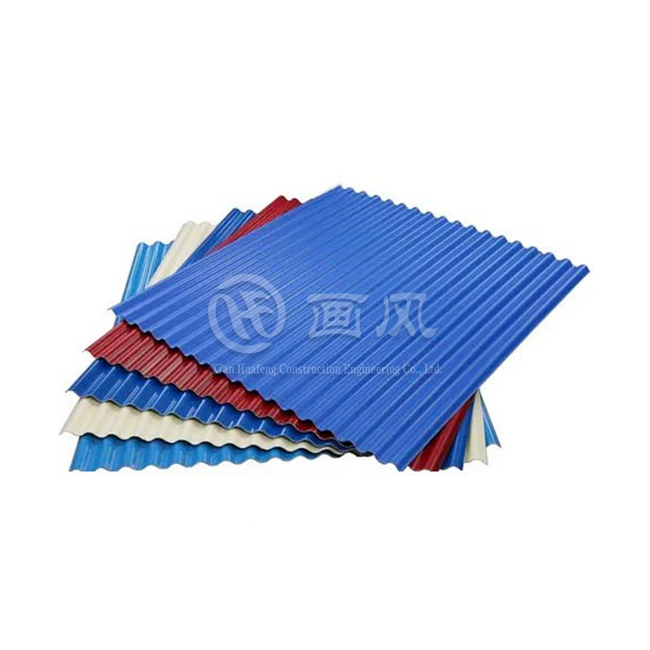
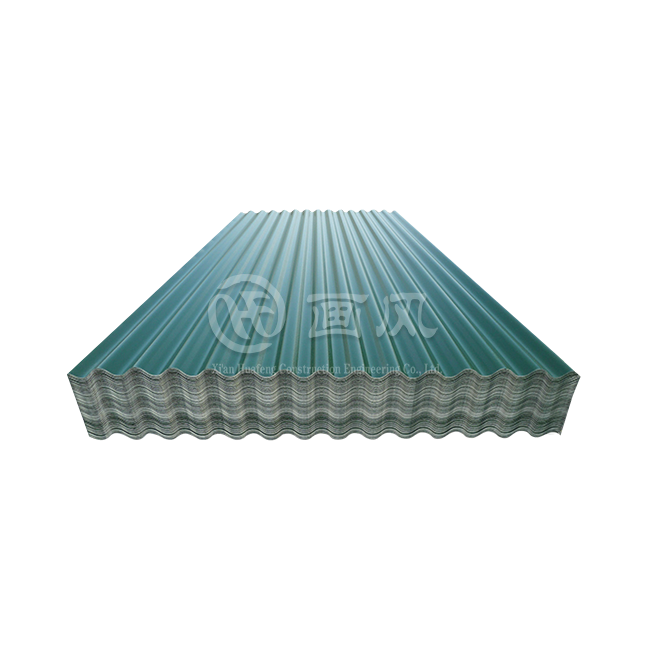
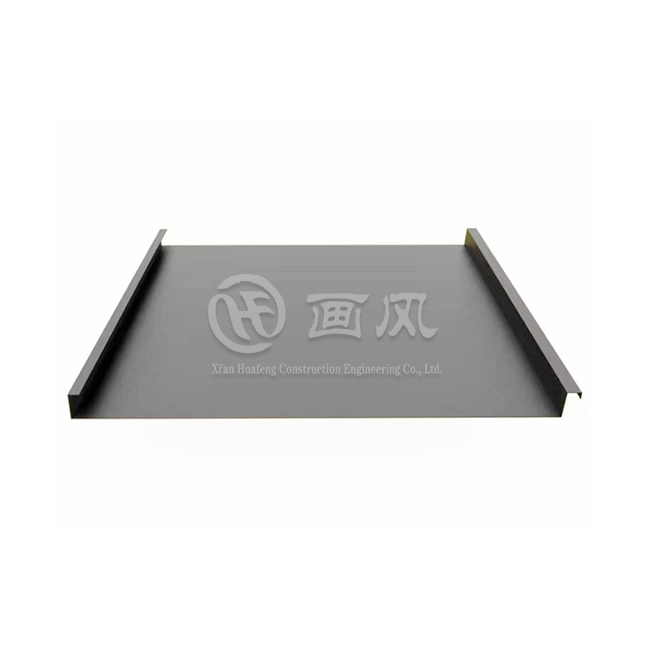
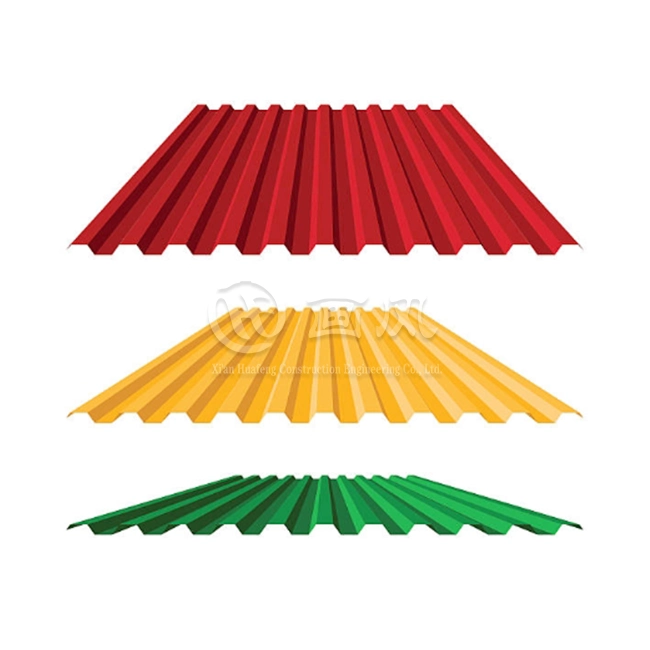
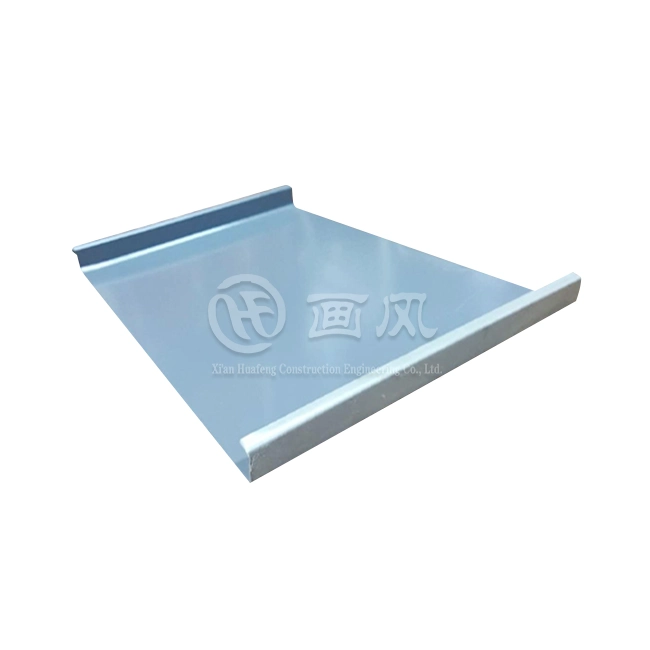
The market has a number of profile types. Hidden fasteners and floating clips in standing seam panels allow for heat expansion over runs longer than 100 feet without breaking. Through-fastened trapezoidal panels connect directly to purlins using exposed screws. This is a cheaper option for slopes with less risk. Batten-form panels add strength with ribs that work well for long bays.
Choice of material has a big effect on how well something works in the long run. In mild conditions, galvalume (AZ50/AZ55) protects against rust very well. In places with a lot of humidity or near the coast, where salt air speeds up steel corrosion, aluminum alloy panels are the best choice. Copper and stainless steel both work well in hard or very specific building settings. HF offers panels made of aluminum alloy, galvanized steel, stainless steel, copper, and titanium zinc. Panel thicknesses range from 0.5 mm to 1.2 mm, and rib heights range from 25 mm to 65 mm, which is a large enough range to meet the needs of most industrial and commercial projects.
Benefits and Performance Advantages for Commercial Buildings
Durability That Outlasts the Competition
A well-designed structural metal panel roofing system always lasts longer and costs less to maintain than asphalt and membrane options. If installed correctly, metal roofs have been shown to last 40 to 70 years. Modified asphalt or TPO coverings, on the other hand, only 15 to 25 years. HF offers a 30-year guarantee on its panels, which are backed by PVDF (Kynar 500-grade) and PE finish choices that meet AAMA 2605 coating standards. Because they don't chalk or fade as easily as other coatings, PVDF coatings are the best choice for high-UV areas in Southeast Asia, the Middle East, and tropical Africa.
When people choose structural metal panel roofing systems, these are the main performance benefits they always look for:
- Structural span capability: 22- to 24-gauge high-tensile steel panels can support purlin spans of 4 to 5 feet without extra decks, which directly lowers the amount of structural steel and base loads.
- Wind uplift resistance: Systems designed to UL 580 and tested according to ASTM E1592 provide measurable uplift ratings, which are important for hurricane-prone areas and high-wind procurement needs where local codes use ASCE 7 load criteria.
- Thermal movement management: Two-piece floating clip systems let panels expand and contract easily, which stops fastener fatigue, oil canning, and seam failure in regions that are hot or cold.
- Energy efficiency: Finishes that reflect light and hollow shapes that let air flow through them lower peak cooling loads. The Cool Roof Rating Council says that cool-roof approved coatings can lower surface temperatures by up to 50°F compared to dark metal that hasn't been covered.
These benefits take care of the most common problems that buyers run into with big industrial projects: water getting in at low slopes, fasteners coming loose in high winds, and seams wearing out over time from heat in long panel runs.
Comparing Structural Metal Panel Roofing to Alternative Roofing Systems
Total Cost of Ownership vs. Upfront Price
When people use international tenders to find goods, they often look at the unit price per square meter. That way of thinking is reasonable, but it hides the big picture of the lifespan. Asphalt shingles are the cheapest to put, but they need to be replaced every 20 years and don't hold up well in winds over 60 mph. TPO and EPDM membranes work pretty well on flat roofs, but they wear down more quickly when exposed to UV light and heavy traffic. Single-ply membranes also need a stable deck, which adds to the structure's dead weight and takes longer to install.
Structural metal panel roofing systems cost more at first, but they have a clear return on investment (ROI) case: they require less annual care, don't need to be re-roofed during the building's useful life, and don't require deck assembly, which saves time and money on tight project schedules. For EPC contractors in Southeast Asia and the Middle East who are in charge of industrial builds, cutting down on time is often more valuable than saving money on materials per unit.
Standing Seam vs. Through-Fastened: Choosing the Right Profile
Standing seam systems are more expensive per square meter, but they don't need any upkeep on the visible fasteners and are better at resisting uplift. Through-fastened trapezoidal shapes work well for higher slopes where cost-effectiveness is more important than long-term fastener integrity. The best choice relies on the slope, the wind zone, the length of the panel run, and how much upkeep the owner wants to do. HF makes profiles in colors that match RAL standards and also lets customers choose their own colors through its PVDF and PE finish lines.
Guide to Purchasing and Installing Structural Metal Panel Roofing Systems
What to Verify Before Signing a Supply Contract
When buying industrial roofs, there's more to it than just checking price lists. Before deciding on a structural metal panel roofing systems supplier, experienced project managers make sure of the following:
- Test documentation: Ask for ASTM E1592 structural performance test results and UL 580 wind uplift certifications that are specific to the panel shape and gauge that you are buying. General approvals are not the same as info that is specific to a panel.
- Custom-length production: For large roofs, panels need to be cut to exact measurements from the plan. Make sure the provider can do CNC rollforming or precise shearing that follows your shop drawings and not just normal stock lengths.
- Phased delivery capability: Industrial projects rarely accept full delivery on the first day. Check to see if the seller can plan packages in groups that work with your construction timetable and the storage space available on-site.
- Acceptance documentation: Make sure that mill certificates, material test certificates (MTCs), and finish compliance records are sent with every delivery lot, not just when they're delivered.
HF runs three factories that can supply 1,000 tons of goods every month. These factories have seven production lines and more than 40 machines. Standard delivery takes 15 to 20 days after the order is confirmed, and the minimum order quantity is 500 m², which is 1 ton. Products meet ASTM, DIN, JIS, BS, and GB/T standards and have CE, ISO, and SGS approvals. This meets the requirements for projects supported by the World Bank and the Asian Development Bank.
Conclusion
It takes more than comparing panel weights and styles to choose the right structural metal panel roofing systems. It needs load test results that have been checked, a supplier that can meet your delivery deadlines, and a product specification that fits both the environmental loads and the legal requirements of the area where your project is located. HF combines a deep understanding of technology with real production skills, making panels in all the different types of materials and profiles that are needed for industrial and business projects. These panels come with a 30-year warranty and are certified internationally.
FAQ
1. What minimum slope do structural metal panels require?
Because of how they are made, mechanically seamed structural metal panel roofing systems can handle slopes as low as 1/4:12. Most of the time, a realistic working minimum of 1/2:12 is suggested to make sure that large-footprint roofs drain properly.
2. How does the floating clip system prevent panel failure?
The two-piece clip keeps the panel's movement from the connection of the purlin. The base is attached to the frame member, and the top tab moves with the panel as the temperature changes. This gets rid of bolt stress and oil canning over long runs, which is very important for roofs that are higher than 100 feet.
3. Can these panels meet hurricane-zone wind requirements?
Yes, uplift ratings can be found on panels that are built and tested to UL 580 and ASTM E1592 standards. To match the pressures from ASCE 7, the clip spacing is narrowed at the edges and corners. Never ask for manufacturer-level certifications; always ask for test reports that are specific to the panel.
4. What is the typical lead time for large-volume orders?
HF's standard lead time is 15 to 20 days from the time an order is confirmed. They can supply 1,000 tons of goods every month, which is enough to handle large EPC project volumes.
Request a Quote from HF — Trusted Structural Metal Panel Roofing Manufacturer
HF offers structural metal panel roofing systems that are made for large-scale purchases. These systems come in custom lengths, with PVDF/PE finishes in RAL or custom colors, and full compliance documentation for international project needs. With three plants, a 1,000-ton monthly output, and a guarantee that lasts for 30 years, HF can meet all of your project's requirements and timelines. You can email our expert team at huafeng@hfmetalroof.com or go to hfmetalroof.com to get examples of panels, test reports, or a quote that is tailored to your project.
References
1. Metal Construction Association. Metal Roof Systems Design Manual. 2021.
2. Sheet Metal and Air Conditioning Contractors' National Association (SMACNA). Architectural Sheet Metal Manual. 7th ed., 2012.
3. American Iron and Steel Institute (AISI). North American Standard for the Design of Profiled Steel Cladding/Decking. 2016.
4. Cool Roof Rating Council. Rated Products Directory and Energy Performance Guidelines. 2022.
5. Underwriters Laboratories. UL 580: Tests for Uplift Resistance of Roof Assemblies. 2019.
6. ASTM International. ASTM E1592: Standard Test Method for Structural Performance of Sheet Metal Roof and Siding Systems. 2020.





YOU MAY LIKE
_1757558889992.webp "Metal Roofing Snowguards")