Snaplock Metal Roof Panels for Low-Slope Roofs: What to Know
2026-09-16 20:13:48
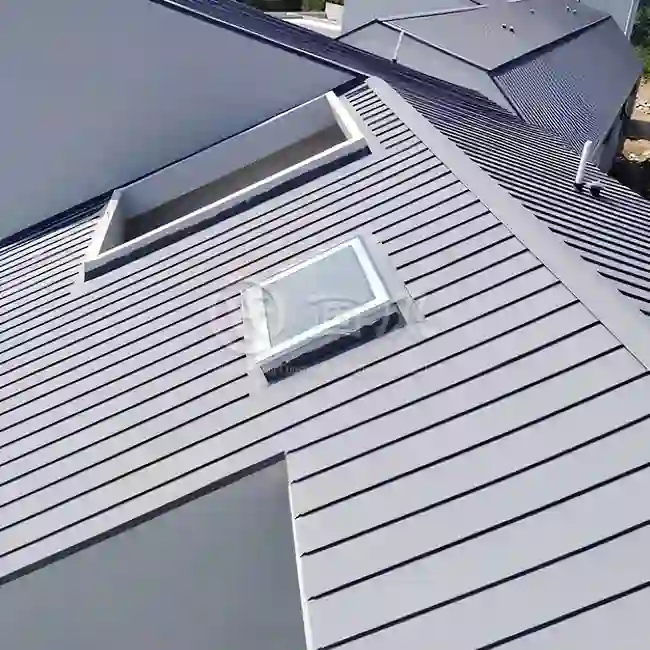
When contractors and procurement managers evaluate roofing systems for low-slope applications, snaplock metal roof panels consistently earn a place at the top of the shortlist. These concealed-fastener panels engage through a male-female interlocking profile, eliminating exposed screws while allowing unrestricted thermal movement. The result is a clean, watertight surface that performs reliably on roofs with slopes as low as 1:12. Whether you are managing a warehouse re-roof in Texas or sourcing panels for a coastal retail complex, understanding how snap-lock systems perform on low-slope decks is essential before you commit to a specification.

Understanding Snaplock Metal Roof Panels
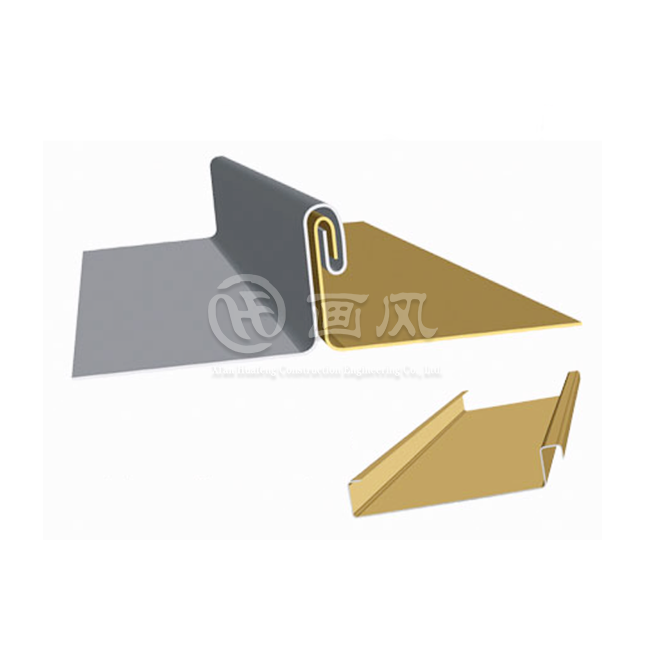
How the Snap-Lock Mechanism Works?
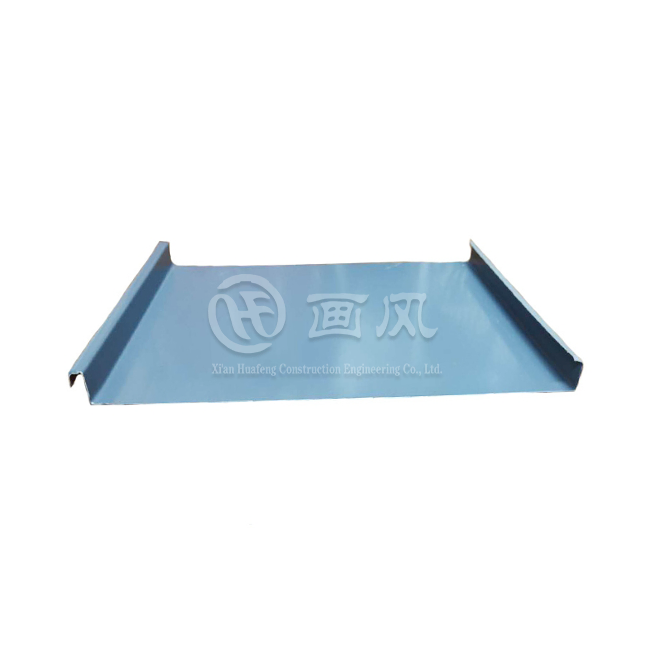
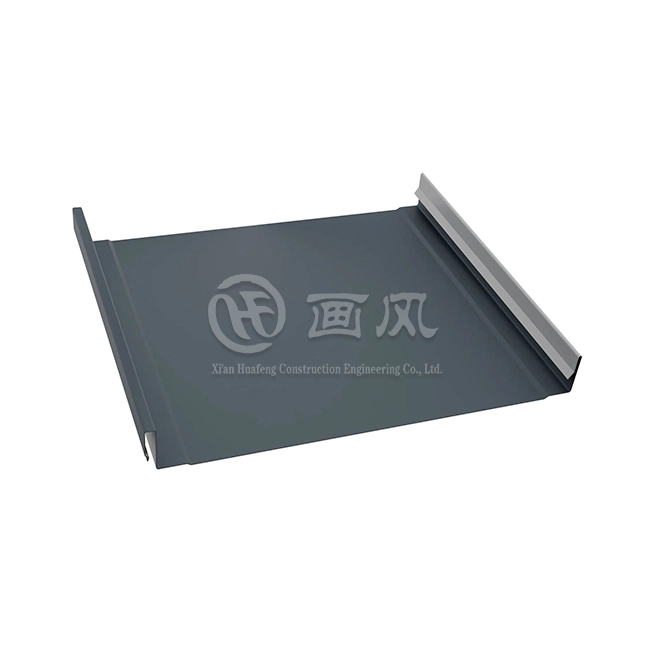
A standing seam panel with hidden clips or a built-in nailing flange connects a snaplock metal roof panels system to the roof deck. The panel leg snaps over the leg next to it, making a safe connection that doesn't need any joining tools. Because this hydrokinetic design lets water flow away instead of fighting hydrostatic pressure, the industry standard is a minimum slope of 1:12, which is about 5°. A manually seamed or batten-seam shape is better below that pitch.
Since the male and female leg shape is precisely rolled, any differences in the outline have a direct effect on how well it works in the field. Tight tolerances make sure that the audible click that teams rely on to prove quality during installation doesn't happen; loose tolerances cause wind rattle and the possibility of blow-off.
Materials and Coatings Available
HF snaplock metal roof panels are made in three factories that have more than 40 forming and cutting tools and seven color-coating production lines. Aluminum alloy, galvanized steel (AZ150/G550), stainless steel, copper, and titanium zinc are some of the substrates that can be used. Panel thickness can be anywhere from 0.4 mm to 1.2 mm, but for commercial re-roofing, 0.5 mm to 0.7 mm is most common.
You can treat the surface with PVDF (a resin technology similar to Kynar 500®) or polyester (PE) coats, which come in RAL standard colors or colors that you can make yourself. PVDF coatings can bounce up to 70% of the sun's heat, which gives them high Solar Reflectance Index numbers that help people get LEED credits. The 45 mm seam height makes the structure stiff and makes the shadow lines that architects like on low-slope roofs that can be seen.
Benefits of Snap-Lock Panels for Commercial and Industrial Buildings
Low-slope roofs have special risks: UV damage, wind lifting, standing water, and changing temperatures all make normal materials wear out faster. Here are the main performance benefits that make snaplock metal roof panels a good choice for specifications.
- Installation speed: The buckle-engagement design cuts down on the number of fasteners needed by a large amount. Installation rates for independent contractors are always 50% faster than for traditional screw-down metal profiles. This means that less labor is needed per square.
- Waterproofing integrity: The interlocking seam stops water from getting in from the sides without the need for extra sealants at the field laps. Panels pass the ASTM E1646 water penetration test and the ASTM E1680 air leakage test, which are two standards that procurement teams often ask for in bid packages.
- Wind uplift compliance: HF panels are made to meet ASTM E1592 standards for structural performance. For areas with high wind speeds, like coastal HVHZ applications where panels disengaging under uplift pressure is known to happen, better clip configurations are available.
- Longevity and finish durability: In normal conditions, the aluminum alloy base can be used for 30 to 50 years. HF backs up its panels with a 30-year guarantee that covers damage to the base and failure of the coating to resist chalking and fading.
- Sustainability: All substrates can be recycled indefinitely. The high-reflectivity PVDF surface cools the roof's surface, which means that buildings that are already occupied need less mechanical cooling.
These traits all help with the problems that project leads and procurement managers most often bring up: long-term maintenance costs, making sure that energy codes are followed, and getting installers to work quickly on big industrial roofs.
Snaplock vs. Other Metal Roofing Systems: A Practical B2B Comparison
Buying groups often check out manually seamed standing seam, curved through-fastened panels, and clip-lock profiles next to snaplock metal roof panels profiles. Each machine fills a different speed gap.
Panels that are mechanically joined together are sealed shut on-site to make a watertight seal that can handle slopes as low as 0.5:12. They are the best choice for very low-slope or curved roofs, but the on-site seaming equipment makes them more expensive to move and requires training for the crew. Snaplock metal roof panels systems don't need that extra tools and offer the same level of water resistance at slopes of 1:12 and above. This makes them the faster and cheaper choice for most low-slope business jobs.
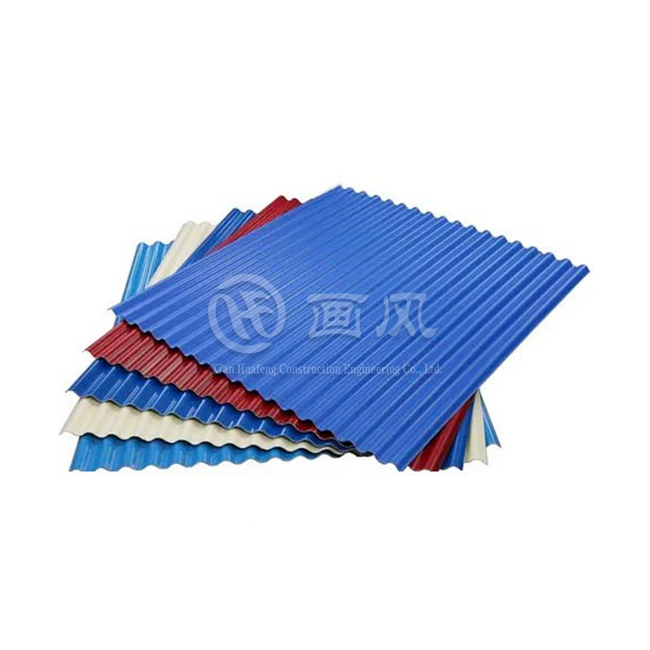
Every fastener in corrugated and through-fastened shapes is exposed to weather changes, which cause the metal to expand and shrink over time, making the screw holes longer. This is known to be a maintenance problem that snaplock metal roof panels concealed fastener systems naturally avoid. In general, snaplock metal roof panels have better seam engagement depth and more reliable field performance when builders don't use power seamers compared to clip-lock profiles.
When comparing metal panel systems to asphalt shingles, it's easy to see that a Class A fire-rated, 30-year warranted system with no visible screws does a much better job of lasting longer, using less energy, and costing less over its lifetime. According to the Metal Construction Association (MCA), about 15% of all industrial re-roofing in the U.S. is metal roofing. This is because of the economics of the product's lifetime.
Installation and Procurement Guidelines
Substrate and Slope Requirements
For constant panel support, snaplock metal roof panels that are labeled as architectural systems need a strong base, like plywood or structural metal deck. Installing them over open purlins without checking with an expert can cause the panels to warp and the profiles to fail. Before choosing snaplock metal roof panels over other methods, make sure that the minimum slope compliance is met at 1:12.
Controlling Oil Canning
Oil canning, the wave-like pattern seen on flat panel faces, is a normal feature of light-gauge roll-formed metal and not a defect. The three most reliable ways to reduce damage are to choose panels with built-in strengthening striations, use 22-gauge material instead of 24-gauge material, and make sure the roof deck is flat before installing it. HF's roll-forming accuracy control during production also lowers the panel blank's leftover stress, which is a major cause of oil canning in the field.
Sourcing and Supplier Evaluation
To find the best snaplock metal roof panels supplier, purchasing managers should ask for ASTM E1592 wind uplift test reports, PVDF or PE coating data sheets with SRI values, panel length tolerance certificates, and proof that each batch of panels is the same color. It's also important that the shipping packaging keeps the panel faces from touching and the edges from warping during ocean freight. HF handles this specification point with specific coil packing and panel bundling standards.
Between its three facilities, HF can supply up to 1,000 tons of goods every month. The minimum order quantity (MOQ) is 500 m², which is equal to 1 ton, and the lead time is usually 15–20 days. Panels meet standards like ASTM, DIN, JIS, BS, and GB/T, so they can be used for projects in North America and other countries.
Industry Use Cases
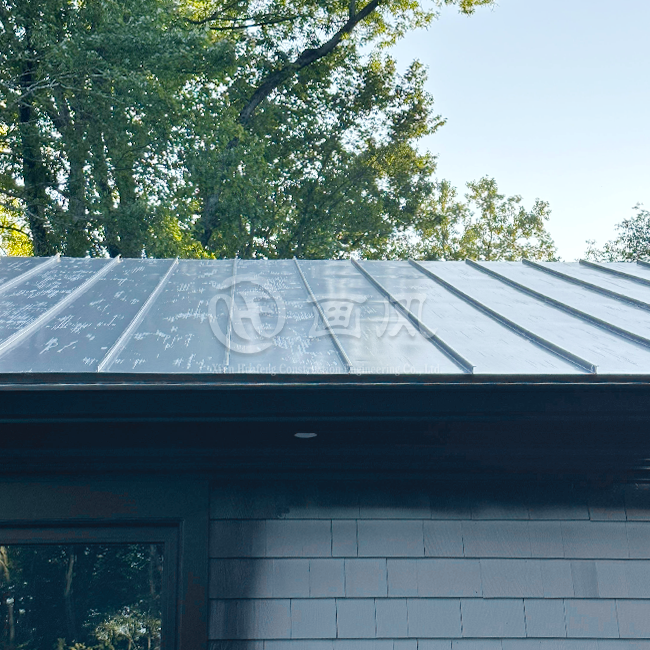
Stand-seam systems with snaplock metal roof panels joints work well on many types of buildings. When a warehouse or operations center needs a new roof, the large panel coverage widths (300–600 mm) and how quickly experienced workers can finish long straight runs are both benefits. Commercial buildings near the coast that are exposed to salt spray do well with aluminum alloy or stainless steel surfaces, which don't need paint to protect them from chloride-driven rust.
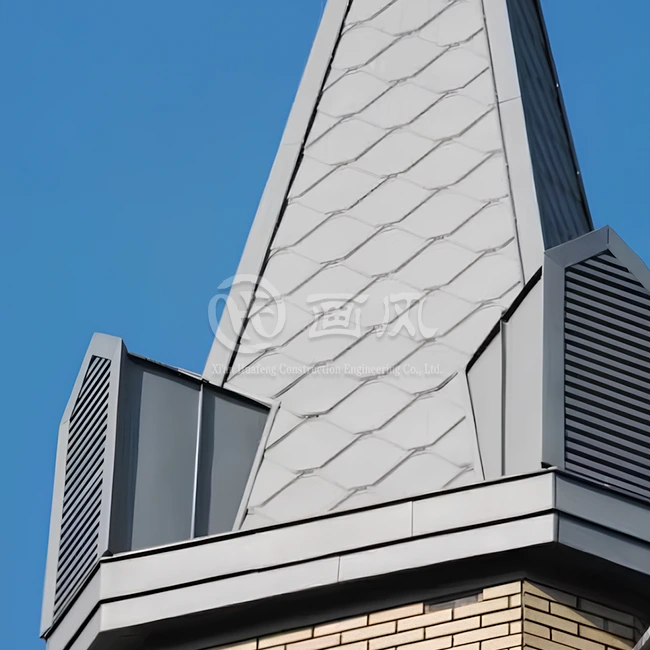
The hidden fastener look is liked by both architects and homeowners in the residential renovation market, which is growing quickly in North America. Not having any exposed rubber washers means that screw-down profiles don't need to be maintained as often, which is a problem with residential re-roofs. HF panels have been used in business, industrial, and residential projects around the world. Project documentation is provided on request.
Conclusion
Snaplock metal roof panels are a tried-and-true roofing method for low-slope situations at 1:12 and above. Because they are easy to install, perform well in wind uplift tests that meet ASTM standards, have a durable PVDF finish, and can be recycled, they are a good choice for procurement managers who need to balance the cost, schedule, and budget of a project over its entire life. Any roofing contractor or distributor can confidently select and buy these systems if they understand the slope limits, substrate requirements, and seller approval standards listed here.
FAQ
1. What is the minimum slope for snap-lock metal panels?
The minimum that is accepted in the industry is 1:12, which is about 5°. In order to keep water out of the seam below this level, a mechanically seamed or hydrostatic snaplock metal roof panels profile is better.
2. How does snap-lock differ from mechanically seamed standing seam?
Snaplock metal roof panels can be put together without any special tools, so the fitting process is faster and doesn't require any special tools. For hydrostatic performance on very low slopes, mechanically seamed profiles are field-crimped, but they need seaming tools and trained teams to put together.
3. What certifications should I require from a supplier?
Ask for ASTM E1592 wind uplift reports, ASTM E1646 water penetration data, ISO 9001 quality management certification, and finish guarantee paperwork that covers how well the product performs against chalking and fading during the warranty time.
4. Can snap-lock panels be used in high-wind coastal zones?
Yes. Aluminum alloy substrates don't rust when exposed to salt spray, and the improved clip spacing configurations meet the requirements for HVHZ wind uplift. Check that the tried uplift values for the panel and clip system match the wind design pressure for the project.
5. What is HF's MOQ and lead time?
HF's smallest order size is 500 m², which is equal to 1 ton. Delivery usually takes 15–20 days, but this depends on how many items are ordered and what the customer wants.
Source Your Next Project with HF Snap-Lock Roofing Panels
HF makes and sells snaplock metal roof panels that are built to meet ASTM, DIN, JIS, and BS standards. The panels come with PVDF and PE finishes, a 30-year warranty, and the ability to supply 1,000 tons of metal per month. With three factories, seven production lines, and more than 40 tools, we make sure that contractors and wholesalers across North America always get the right panels, the right colors, and on time. Email us at huafeng@hfmetalroof.com or visit hfmetalroof.com to get detailed data sheets, a price for your project, or a color sample right away.
References
1. Metal Construction Association (MCA). Metal Roofing Systems Design Manual. 2021.
2. National Roofing Contractors Association (NRCA). The NRCA Roofing Manual: Metal Panel and SPF Roof Systems. 2022.
3. ASTM International. ASTM E1592: Standard Test Method for Structural Performance of Sheet Metal Roof and Siding Systems. 2022.
4. ASTM International. ASTM E1646: Standard Test Method for Water Penetration of Exterior Metal Roof Panel Systems. 2020.
5. Sherwin-Williams. Kynar 500 PVDF Coating Performance Data and Solar Reflectance Index Values. 2023.
6. Smith, T. & Kurtz, R. Low-Slope Metal Roofing: Performance Standards and Installation Practice. Journal of Architectural Engineering, ASCE. 2020.





YOU MAY LIKE