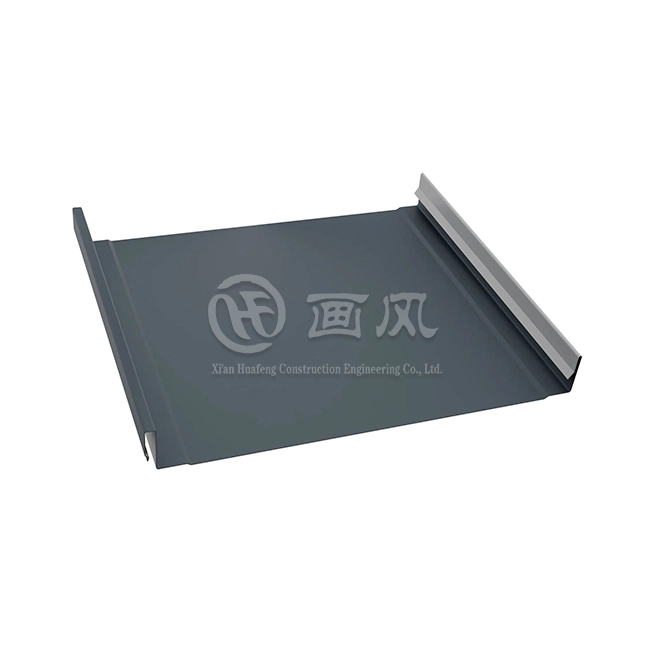
Double Lok Metal Roof Panels Benefits for Weatherproof Roofing Solutions
2026-09-14 19:24:13
When commercial roofing contractors face the challenge of protecting large-scale industrial facilities from extreme weather, double lok metal roof panels consistently emerge as the preferred solution. These mechanically seamed standing seam systems deliver unmatched watertight integrity even on low-slope applications, making them indispensable for distribution centers, manufacturing plants, and coastal commercial buildings where weather resistance isn't negotiable. Unlike snap-lock alternatives that rely on friction, the 360-degree crimped seam creates a structural barrier capable of withstanding hydrostatic pressure and hurricane-force winds—exactly what procurement managers need when project specifications demand certified performance.

What Are Double Lok Metal Roof Panels and How Do They Work?
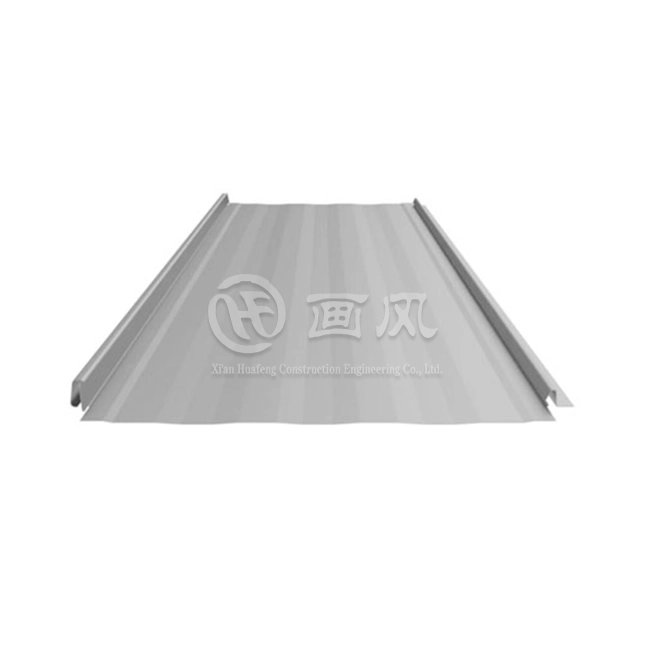
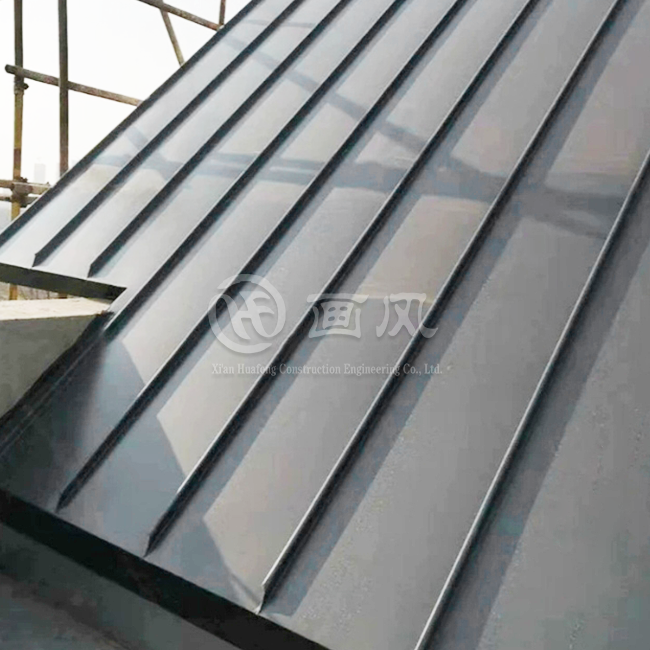
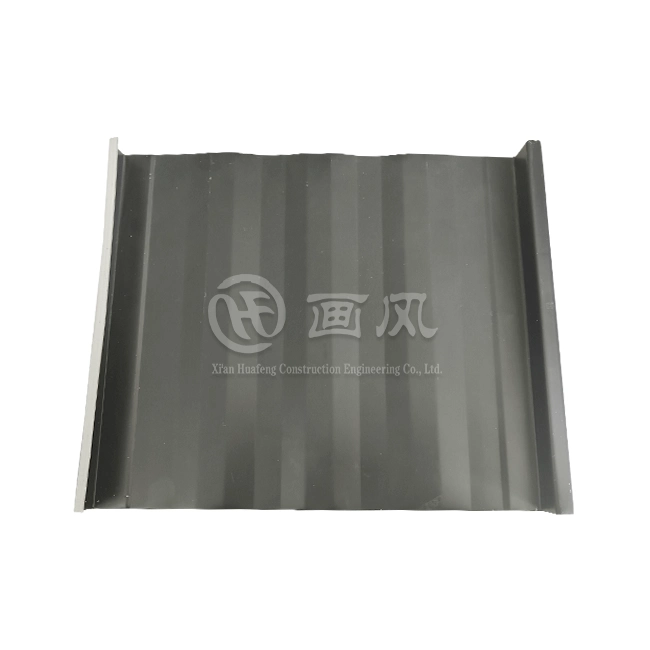
This roofing system is unique because it has a double-lock seam that is formed mechanically, which sets it apart from profiles that depend on gravity. During installation, panels next to each other fit together using male and female legs. An electric seaming machine then goes along the length of each joint and folds the metal sides together in a full 360-degree crimp. This process makes what the industry calls a "Pittsburgh seam," which is a link that doesn't let water through but actually traps it.
Mechanical Seaming Technology
To get the right fold shape during the seaming process, the tools needs to be calibrated. Portable electric seamers are used by contractors. These clamp onto the standing rib and gradually crimp the overlapping edges as they move along the panel run. This mechanical engagement creates a structural diaphragm effect, which lets the roof assembly span open purlins every five feet or so without needing solid decking. The hidden clip connection system under each seam lets the panels move with the temperature—as the temperature changes, they slide inside the clips, keeping the fasteners from wearing out like they do with screw-down systems (Metal Construction Association, 2021).
Low-Slope Performance Capabilities
Building codes usually require minimum slopes for different types of roofs, but this method works consistently on pitches as low as 1/4:12 when factory-applied sealant is built into the female leg during production. The assembly can fight standing water and meet ASTM E1646 water entry standards because it has both mechanical interlock and a continuous butyl sealant bead. This is an important requirement for flat roofs that are popular in warehouse construction. FM Global's testing shows that systems that are put correctly get Class 1-90 wind uplift ratings, which means they can handle wind speeds of more than 160 mph without the membrane failing.
Key Benefits of Double Lok Metal Roof Panels for Weatherproof Roofing Solutions
When commercial building owners look at lifetime costs, they know that the original investment in materials is only a small part of the total costs of ownership. The engineered benefits of this roofing profile directly translate into cost savings and lower risk over many years of service.
Exceptional Weather Resistance and Structural Integrity
In harsh situations, the mechanically seamed joining method works much better than other options. According to UL 580 guidelines, hurricane tests always show that the double-crimped seam stays together even when negative pressure loads would normally separate snap-together profiles. Coastal buildings in Florida and Texas choose these panels because the locked seam won't come apart during tropical storms, when strong lifting forces mix with wind-driven rain.
Corrosion resistance comes from the substrate you choose and the technology you use to coat it. AAMA 2605 performance standards are met by the panels that HF makes from Galvalume steel with an AZ50 metallic coating. The panels are then finished with PVDF resin-based finishes. The 30-year guarantee on these goods was backed by independent testing by SGS laboratories, which showed that HF's PVDF-coated aluminum alloy panels (grade 3003H24) passed all 13 coating durability tests. These tests included resistance to nitric acid, detergents, and impact damage.
Energy Efficiency Through Reflective Coatings
Solar reflectance values and thermal emittance properties play a big role in how well metal roofing like double lok metal roof panels helps a building use energy. Standing seam systems with light-colored finishes can reflect up to 70% of solar radiation. This makes commercial buildings with large roof-to-wall ratios much less likely to need to cool down. With the right insulation layers, project teams can meet ASHRAE 90.1 energy standards and try to get LEED certification points.
According to a study released by the Cool Metal Roofing Coalition in 2020, shiny metal roofs lower peak cooling demand by 10–15% compared to dark-colored traditional systems. The effect on finances is big for businesses that run refrigerated warehouses or climate-controlled factories, where HVAC is the main source of utility costs. Because HF's panels come in any RAL color, architects can find a mix between thermal efficiency goals and esthetic needs.
Minimal Maintenance Requirements
With the floating clip attachment method, there are no more exposed fastener holes in the corrugated metal roof that let water in all the time. The roof membrane stays in place without having to be re-torqued or have gaskets replaced on a regular basis because the screw holes don't have to go through thermal expansion stress. Facility managers like that the only regular maintenance that needs to be done is a yearly review to clear out the gutters and check the state of the sealant at the termination points. This is a huge reduction in maintenance compared to built-up roofing or modified bitumen systems, which need to be patched all the time.
Testing for durability shows what this low-maintenance trait means in real life. After being put up on industrial buildings in the 1980s, panels are still working well today, showing that they can last longer than forty years if the right coating systems are used to protect the substrate. When buying teams figure out how much money they'll save by not having to re-roof a collection of buildings, the financial modeling becomes very convincing.
Double Lok Metal Roof Panels Compared to Alternative Roofing Solutions
When procurement specialists look at roofing choices, they have to balance a lot of different performance factors against budget limits and the needs of the particular job. Comparative analysis shows where mechanical seam systems are more valuable than other options, even if they cost more at first.
Performance Advantages Over Snap-Lock Profiles
Both systems use standing seam design, but the way they are connected makes a big difference in how well they work. Snap-lock panels use a clip that snaps into a groove that is already cut out at the factory. This makes a friction-based connection that works best for steep slopes above 3:12 pitch. This design can't make the watertight seal that's needed for business roofs with low slopes where water pools.
The mechanical double-lock system permanently connects two panels next to each other by crimping them together. This makes a connection that meets the requirements for wind uplift resistance in structural testing. Even though snap-lock installation is faster because you don't need special seaming tools, it's not good for the large-span, low-slope designs that are common in industrial building because of its performance issues. Estimators need to be aware that snap-lock materials don't really save money when the project requirements call for approved wind and water protection.
Lifecycle Cost Comparison With Traditional Systems
Built-up roofing (BUR) and single-ply membranes make up most of the commercial low-slope market. However, these systems need to be maintained regularly, which makes them less cost-effective over time. UV light breaks down TPO and EPDM membranes, so they need to be replaced every 15 to 20 years. BUR systems, on the other hand, need to be re-coated and patched on a regular basis to fix damage caused by heat cycles.
HF's metal panel systems come with 30-year warranties that can be transferred and usually last for 40 years or more with little maintenance. When you figure out the total cost of ownership, you have to include the money you save on replacement costs, the time you spend on maintenance, and the time your business doesn't have to be closed for re-roofing projects. Ducker Worldwide's (2019) study looked at metal roofing systems over 50-year building lifespans and found that they had 25% lower lifecycle costs than membrane options. This is a useful measure for owner-occupied industrial sites.
Installation and Maintenance Guide for Double Lok Metal Roof Panels
To get the engineered performance characteristics listed in testing protocols, installation instructions from the manufacturer must be followed to the letter, and contractors must be properly trained. Instead of assuming that general metal roofing knowledge will transfer directly, procurement managers should make sure that subcontractors have experience with mechanically seamed systems.
Critical Installation Steps and Best Practices
Substrate approval is the first step in getting the site ready. The roof deck needs to be strong enough to hold the weight of the panels and the snow. The purlins need to be spaced out according to engineering standards that take into account the thickness of the panels and the expected weather loads. As an underlayment, contractors put down a high-temperature ice and water barrier. This provides extra weather protection while the roof is being built and helps keep the roof dry over its lifetime.
The placement of clips is based on planned plans that put fasteners in places that will fight estimated uplift forces for double lok metal roof panels. Fixed clips in the middle of the roof keep the panels from moving side to side, and sliding clips around the edges allow for heat expansion. Installing panels moves from one edge of the roof to the other, with each new panel touching the seam of the one before it. The seaming machine then crimps the connection. To make a proper seam, the electric seamer has to go over the double-fold several times, gradually tightening it until the desired shape is reached. This is usually confirmed by measuring the cross-section at random intervals.
Maintenance Protocols for Long-Term Performance
Even though there are only a few care requirements, they still need to be checked on a regular basis to find problems before they become weatherproof. Every year, roof inspections should write down the state of the sealant at all penetrations, check the strength of the clip attachments in high-stress areas, and make sure that heat can move easily without getting stuck. Having debris build up in valleys or behind rooftop equipment makes it harder for water to escape, so cleaning the gutters is an important preventative measure.
Damage usually happens when tree parts fall or when maintenance workers walk on the area. If the damage is fixed quickly, it stops localized fails from spreading. Small dents don't usually affect how well something works, but holes or seams that come apart need to be fixed right away. Professional roofers can take off broken panel parts and replace them with new ones made of factory-matched materials. This restores the roof's full weatherproofing without having to work on the whole roof. HF's technical support team helps with fixes in the field and makes sure that workers follow the warranty rules while they're doing restoration work.
Procurement Considerations for Double Lok Metal Roof Panels
Supply chain decisions have a big effect on the results of a project that goes beyond just comparing prices. When buying commercial roofing, you have to look at how well the supplier can handle things like manufacturing quality, technical support, logistics coordination, and warranty administration. These are all things that affect how well the installed systems do what they're supposed to do.
Supplier Evaluation Criteria
The power to manufacture things has a direct effect on how reliably big projects are delivered. HF runs three separate production facilities with more than forty pieces of panel-forming equipment and seven coating lines. Each month, these facilities can produce more than 1,000 tons of goods. This size lets the company handle the staged delivery schedules that are common in large commercial construction projects while keeping quality high throughout all production runs.
Verification of certification guards against not meeting specifications. SGS tests showed that HF's aluminum alloy panels meet the strict fire performance standards set by AS/NZS 1530.3:1999, with zero ignition, flame spread, and heat release indices. These are important approvals for projects that need roof parts that can't catch fire. The business's goods also meet EU RoHS rules and a number of international standards, such as ASTM, DIN, JIS, and GB/T. This makes it easier to get approval for these standards in many different markets.
Customization Options and Technical Specifications
The choice of panel design strikes a balance between the needs of the structure and the desired look. HF makes panels with seam heights that range from 25mm to 65mm (1" to 2.55"), so they can be used for a wide range of spans and architectural profiles. Aluminum alloy, galvanized steel, Galvalume, stainless steel, copper, titanium zinc, and stainless steel are some of the substrate choices. Thicknesses range from 0.5 mm to 1.2 mm, and engineers can choose the best material for each corrosion climate and load situation.
Finish specification affects how it looks and how long it lasts. For high-end uses, PVDF coats offer better weather resistance, while polyester finishes provide more affordable protection for moderate outdoor conditions. HF offers panels in normal RAL colors as well as special color matching services, which lets companies keep their brand consistent across all of their buildings. The 500-square-meter minimum order quantity is enough for medium-sized projects, and the 15-20 day delivery window works with most construction schedules without the need for expensive storage.
Conclusion
Mechanical seam technology has been used for decades and has been proven to work well in the field, making it the standard for industrial roofs on low slopes, particularly with double lok metal roof panels. The double-crimped connection method solves basic weatherproofing problems that other systems have, especially in harsh environments where wind loads and water management determine how long a building is protected. The manufacturing skills of HF, along with its full range of SGS certifications and large production capacity, make it a good choice for commercial contractors looking for reliable supply partners for large roofing projects. Because they come with a 30-year warranty and have been used for more than 40 years, these panels are a good investment if you think about the total cost of ownership over a longer period of time instead of just the cost of the materials themselves.
FAQ
1. What minimum roof slope works with mechanically seamed panels?
Systems that were made correctly and had sealer applied at the factory work regularly on slopes as low as 1/4:12, which is about 2% grade. When you combine mechanical seam engagement with continuous butyl sealant, you get a watertight barrier that can stand up to standing water. This means that these panels can be used on almost flat warehouse and distribution center roofs.
2. Can these panels be installed over existing commercial roofing?
It is common to place retrofits over roofs that are falling apart. This is done with notched-Z framing or other offset systems that allow enough air flow. This method saves money on tearoffs and trash removal while improving the weatherproofing of the building. Structural engineers need to make sure that the current frame can handle the extra weight of the new panels and attaching tools.
3. How does thermal movement affect panel performance?
The temperature expansion rate of metal needs to be taken into account when designing a system. Floating clip attachments let panels move along their length when temperatures change. This keeps the stress from building up, which is what breaks fasteners in fixed attachment systems. When installations are built correctly, they let people move around without letting weather in or making annoying noises from thermal cycling.
Partner With a Trusted Double Lok Metal Roof Panels Manufacturer
HF offers complete roofing solutions and has three factories with seven production lines that can handle more than 1,000 tons of material every month. This infrastructure makes sure that commercial projects with multiple buildings can be delivered on time. Our double lok metal roof panels supplier credentials include being SGS-certified as fire resistant, fully RoHS-compliant, and having AAMA 2605 coating performance validated through independent lab testing. Our organized approach to business roofing supply helps procurement teams because we can customize across five substrate materials, thickness ranges from 0.5mm to 1.2mm, and any RAL color standard to meet design needs. Our engineering team gives project-specific advice for difficult weather exposure conditions common in coastal and industrial settings, as well as technical support that goes beyond just supplying materials. For your upcoming commercial roofing projects, you can email our specification team at huafeng@hfmetalroof.com or visit hfmetalroof.com to get performance data packages, sample panels, and volume pricing.
References
1. Cool Metal Roofing Coalition. (2020). Energy performance of metal roofing systems in commercial applications. Metal Roofing Alliance.
2. Ducker Worldwide. (2019). Life cycle cost analysis: Metal roofing systems versus conventional alternatives. Metal Construction Association.
3. Metal Construction Association. (2021). Technical bulletin: Standing seam roof systems installation guidelines. MCA Technical Services.
4. National Roofing Contractors Association. (2022). The NRCA roofing manual: Metal panel roof systems (2022 ed.). NRCA Publications.
5. SGS North America. (2024). Testing report: Coating performance per AAMA 2605-22 standard (Report No. GZMR241003197201). SGS Guangzhou Laboratory.
6. Underwriters Laboratories. (2023). UL 580: Standard for tests for uplift resistance of roof assemblies. UL Solutions.





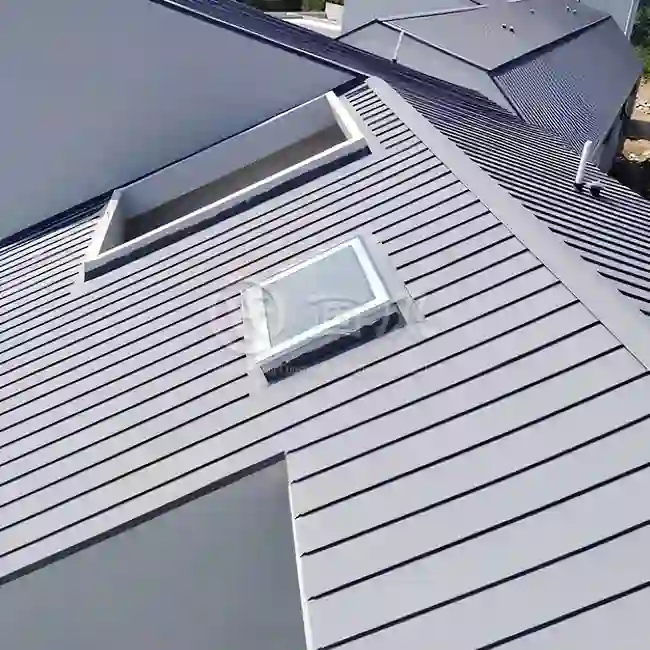
_1757558889992.webp "Metal Roofing Snowguards")