Is Mechanical Lock Metal Roofing Worth the Investment?
2026-09-14 19:24:11
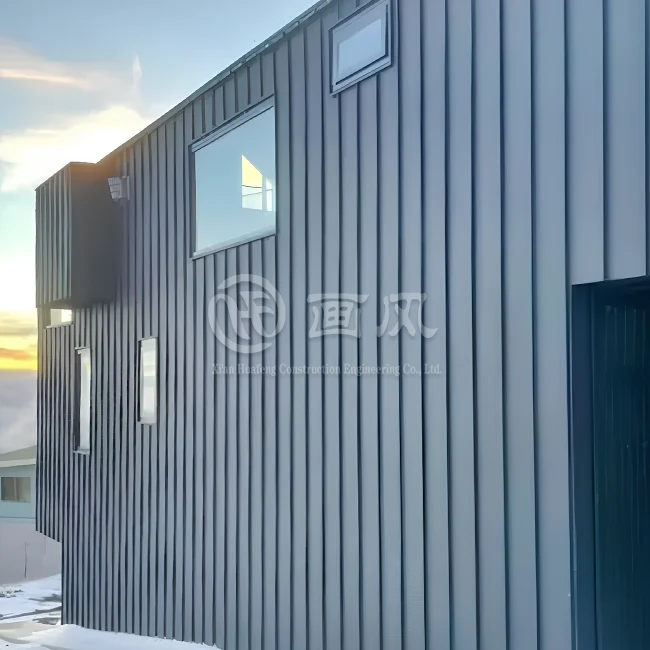
Mechanical lock metal roofing is absolutely worth the investment for commercial and industrial projects. This standing seam system creates a physically crimped, concealed-fastener seam that delivers hydrostatically watertight performance, exceptional wind uplift resistance, and a service life exceeding 30 years. Unlike exposed-fastener profiles, it eliminates the rubber-grommet degradation that plagues conventional through-fastened systems. For procurement managers sourcing panels that must pass ASTM E1592 wind uplift testing and align with PVDF color specifications, this system represents the most defensible long-term asset on a commercial roof budget.

Understanding Mechanical Lock Metal Roofing
What Sets This System Apart Technically
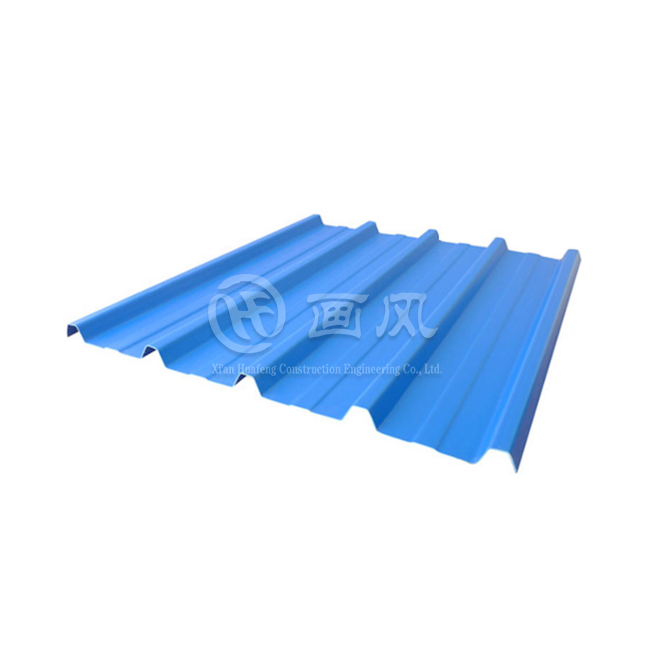
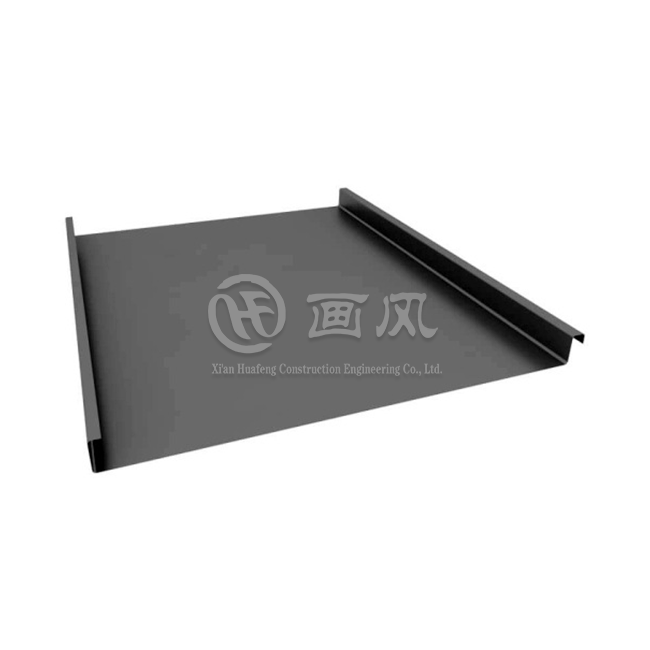
Standing seam panels with a mechanical lock metal roofing have vertical ribs that are folded and squeezed by hand or with an electric seaming tool. This creates either a single-lock (90°) or double-lock (180°) seam. The double-lock seam can stay watertight at slopes as low as 0.5:12 when butyl sealant is applied at the mill inside the female leg. When water pressure stays high for a long time, no snap-lock friction-fit method can make the same barrier because of the way the seams are shaped.
There is a floating clip inside each seam that connects to the substrate and lets the panel move around freely while it is being heated and cooled. When the temperature changes by 50°F over a 100-foot panel run, steel can move more than 0.75 inches along its length. The floating clip design takes up that movement without wearing out the fasteners or creating the oil-canning stress that you can see on panels that are fixed in place.
Panel Specifications at a Glance
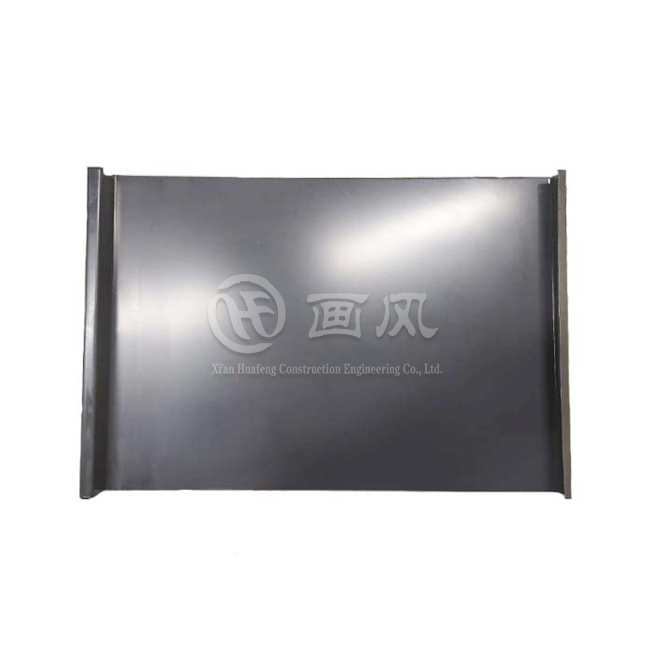
This company makes standing seam panels with two main rib profiles: 25-330/400/430 and 32-300/410/430. The panels come in a width range of 300–500 mm (12"–20") to fit different structural bay spacings. Here are the most important specification criteria for business procurement in North America:
- Thickness: 0.5 to 1 mm, which can fit 22 to 24 gage versions that are popular in projects that follow ASTM standards.
- Rib height: The uplift ability and drainage space depend on the rib height, which is either 25 mm (1") or 32 mm (1.25").
- Panel length: 1–12 m (up to 40'), which cuts down on field splices on long roof runs.
- Coating: PVDF (25–40 µm top coat) or PE, put on top of Galvalume, galvanized steel, aluminum, stainless steel, copper, titanium zinc, or stainless steel surfaces.
- Wind resistance: According to the International Building Code, wind resistance must be at least 90 mph.
- Fire rating: Class A fire grade according to ASTM E108.
- Load capacity: ≥ 1.5 kN/m² for snow and maintenance loads added together.
Before accepting a panel source, procurement managers check that the panels meet certain compliance standards. These standards include ASTM E1592 structural performance, PVDF covering thickness for color retention, and gage tolerance for tool compatibility.
Mechanical Lock Metal Roofing vs. Other Roofing Systems
How the Concealed Lock Improves Roof Performance
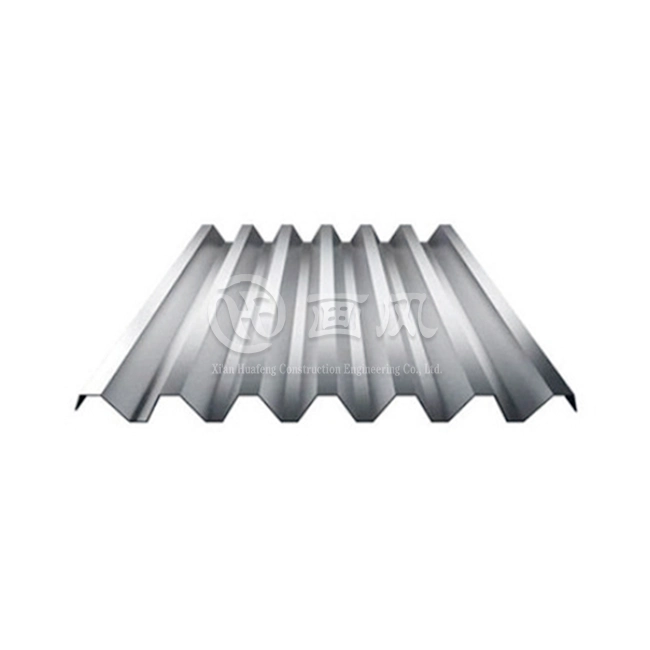
Exposed-fastener roofing has several exposed spots where water may enter. Mechanical lock metal roofing removes these locations by using hidden connections to link neighbouring panels. The mechanically closed seams also assist keep the panels firmly in place in wind and changing weather conditions. This makes the system especially well-suited for commercial, industrial and residential applications where long-term roof performance is important. Huafeng’s roofing systems use PVDF or PE surface treatments and panel thicknesses of 0.5–1.0 mm to balance durability, appearance and practical installation requirements.
Comparing Durability and Maintenance Requirements
Traditional roofing systems often need more regular repair to exposed fasteners, joints or surface deterioration with age. The mechanical lock metal roofing eliminates the exposed connection points and results in a cleaner roof surface which may make regular inspection and maintenance easier. Huafeng’s systems are built to withstand rigorous circumstances like wind, rain and snow loads and are supported by a 30 year guarantee. When owners consider the overall service life, not just the first installation, the combination of hidden fastening and sturdy metal structure may make mechanical lock roofing a viable long-term option.
When Mechanical Lock Metal Roofing Makes Sense
The appropriate roofing method relies on the construction of the building, slope of the roof, climate, appearance and project needs. Mechanical lock metal roofing is particularly desirable for projects that demand a sturdy roof, a clean architectural look and dependable protection against the elements. Huafeng can customise panel size, thicknesses and RAL colours for individual designs. With 3 factories and 7 manufacturing lines, over 40 equipment, it is possible to maintain a supply capacity of up to 1,000 tons per month with a usual delivery of 15-20 days. Due to this output capacity the technology is also ideal for bigger building sites.
Cost, Procurement, and Installation Insights
What Contractors and Distributors Need to Know Before Ordering
The cost of materials for mechanically seamed standing seam panels depends on the substrate, gage, and coating specification. When it comes to North American sourcing, the most difficult factors are batch color consistency, making sure that MOQs are met for single-project volumes, and being able to predict lead times.
HF runs three factories that together can make 1,000 tons of goods every month. These factories have seven color-coating lines and more than 40 machines. The smallest amount that can be ordered for a mechanical lock metal roofing system is 500 m², which is equal to 1 ton. This is a level that meets the needs of regional distributors and mid-sized contractors, not just container minimums. Delivery usually takes 15–20 days after the order is confirmed.
Kynar 500/Hylar 5000 PVDF systems with 25–40 µm top coat treatment are used to make sure that colors match using RAL and custom color programs. Batch-to-batch ΔE range control is part of the production QC procedure. This fixes one of the main problems contractors have with getting panels from overseas. Products meet ASTM, DIN, JIS, BS, and GB/T standards, and they have approvals from ISO 9001, ISO 14001, CE, and SGS. This paperwork meets most of the requirements for general contractor submittals.
For professional installation, you need electric seaming tools that are calibrated to the shape of the ribs. To keep thermal movement in check and meet uplift design loads, the clip spacing must match the engineered layout. Before choosing a panel profile, procurement teams should check with the seller to make sure that the profile will work with their tools.
Maintenance, Durability, and Lifespan Considerations
Realistic Expectations Over a 30-Year Horizon
A mechanically seamed standing seam roof that is installed according to the instructions and on a properly designed base will not need much maintenance over its lifetime. The main way that through-fastened systems fail is taken away by the hidden bolt design. When applied at a thickness of 25–40 µm, PVDF coatings keep their color and resistance to chalking for a long time after 10 years, when polyester coatings start to show signs of wear.
As part of routine maintenance, garbage must be removed from valleys and gutters on a regular basis. Seams must also be inspected visually after big weather events, and any field-cut edges that were not coated when they were installed must be coated again. Galvalume steel base protects cut edges from rust with zinc-aluminum, which makes a mechanical lock metal roofing system last longer in coastal and industrial settings than uncoated options. HF backs up its systems with a guarantee that lasts for 30 years. This is a serious business pledge that helps with long-term planning for asset management.
Making the Investment Decision
Once lifecycle costs take the place of installed cost as the main metric, the decision calculus is easy to understand. A manually seamed system costs more for the panels and work up front than a snap-lock or corrugated system. But fewer repairs, lower insurance rates in wind-rated areas, the possibility of energy saves from cool-roof PVDF coatings, and longer replacement cycles make mechanical lock metal roofing the clear winner when it comes to total cost of ownership. For commercial roofing contractors and distributors who are in charge of projects all over the U.S., the risk management argument that seals the deal is that the panel specifications must match ASTM compliance thresholds and come from a source that can be relied on.
Conclusion
In conclusion, mechanical lock metal roofing performs better than any other profile in commercial and industrial settings, especially when wind uplift compliance, low-slope watertightness, and 30-year lifecycle performance are essential. For procurement teams in charge of projects all over North America, it's just as important that the system meets ASTM standards, that the colors are consistent, and that the manufacturer can keep up with demand. These needs can be met at a project level by HF's panel range, production ability, and certification collection.
FAQ
1. What is the difference between snap-lock and mechanical lock standing seam?
Snap-lock panels connect by pressure, so you don't need a seaming tool. When mechanical lock metal roofing panels are directly crimped to a 90° or 180° fold, they provide better wind lifting protection and watertight integrity. This is very important on low hills and in areas with a lot of wind.
2. What slope is acceptable for a double-lock system with sealant?
Down to 0.5:12 is the lowest industry rating for double-lock systems with butyl sealant applied at the factory to the female leg. Proper drainage planning is still needed to keep any hill from ponding for a long time.
3. Does PVDF coating survive the 180° seaming fold without cracking?
If the right tool pressure settings are used, high-quality PVDF coatings made to Kynar 500/Hylar 5000 standards have T-Bend flexibility values that are designed to withstand the seaming fold without micro-fracturing.
4. How does the system manage thermal expansion on long panel runs?
Floating clips hidden inside the seams let the panels move along the length of the run, allowing at least an inch of movement on long runs without putting stress on the fasteners or causing them to buckle.
5. Can these panels be installed over an existing roof?
Using a sub-framing system for retrofit construction is a popular method. Galvalume standing seam adds only about 1.5 pounds per square foot of dead load, so most of the time, structural support is not needed until an engineering study is done.
Get a Direct Quote from HF — Mechanical Lock Metal Roofing Supplier
HF offers confirmed mechanical lock metal roofing at a rate of 1,000 tons per month, with lead times of 15–20 days and a guarantee that lasts for 30 years. Our PVDF-coated panels are the right size for project-scale orders because our MOQ is 500 m². They also meet ASTM, DIN, and JIS standards. Contact our team right away to get information on panel specs, seaming tool compatibility, and a custom price. You can email us at huafeng@hfmetalroof.com or visit hfmetalroof.com.
References
1. Metal Construction Association. MCA Technical Bulletin: Wind Uplift and Structural Performance of Metal Roof Systems. 2021.
2. National Roofing Contractors Association. The NRCA Roofing Manual: Metal Panel and SPF Roof Systems. 2022.
3. ASTM International. ASTM E1592: Standard Test Method for Structural Performance of Sheet Metal Roof and Siding Systems by Uniform Static Air Pressure Difference. 2022.
4. ASTM International. ASTM E108: Standard Test Methods for Fire Tests of Roof Coverings. 2021.
5. Sherwin-Williams Coil Coatings. PVDF Fluoropolymer Coatings for Metal Building Products: Performance Data and Field Studies. 2020.
6. RS Means / Gordian. Building Construction Cost Data: Commercial Roofing Systems Unit Cost Analysis. 2023.





YOU MAY LIKE