Striated Standing Seam Metal Roofing vs Corrugated Panels Key Differences
2026-10-28 19:41:20
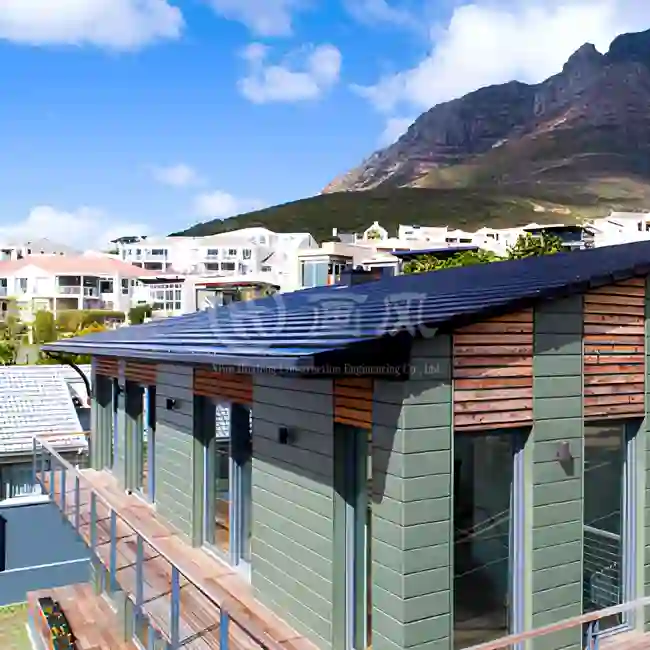
The distinctions between corrugated panels and striated standing seam metal roofing extend well beyond their outward look. Longitudinal grooves etched into the panel pan of striated standing seam metal roofing break up light reflection and visibly inhibit oil canning, a frequent problem with smooth flat panels. For structural strength, corrugated panels use a repeating wave profile. These two systems serve very distinct performance and esthetic purposes for high-end roofing contractors, design-build companies, and custom house builders.

Understanding Both Systems: What Sets Them Apart?
It's helpful to know what each system is and how it's put together before comparing performances.
What Is Striated Standing Seam Metal Roofing?
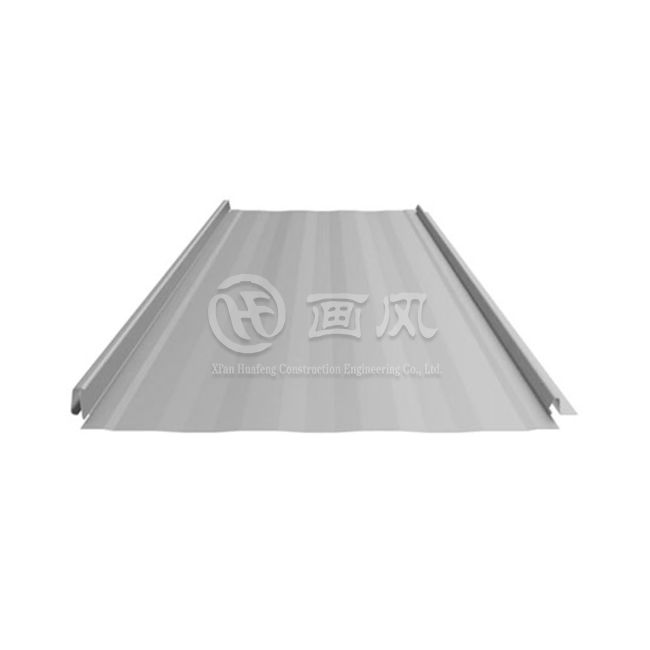
This technique uses metal components with concealed connections that fit together. There are many shallow horizontal grooves in the flat pan region as well. When the panel is rolled out, grooves are created. They serve two purposes: they scatter specular light to conceal surface waves and they provide a little more transverse rigidity to the panel. These panels are produced by HF in a variety of widths and diameters, ranging from 0.6 mm to 1.2 mm, with specifications including 25-330/400/430, 32-410, 45-400, and 65-400/430.
What Are Corrugated Metal Panels?
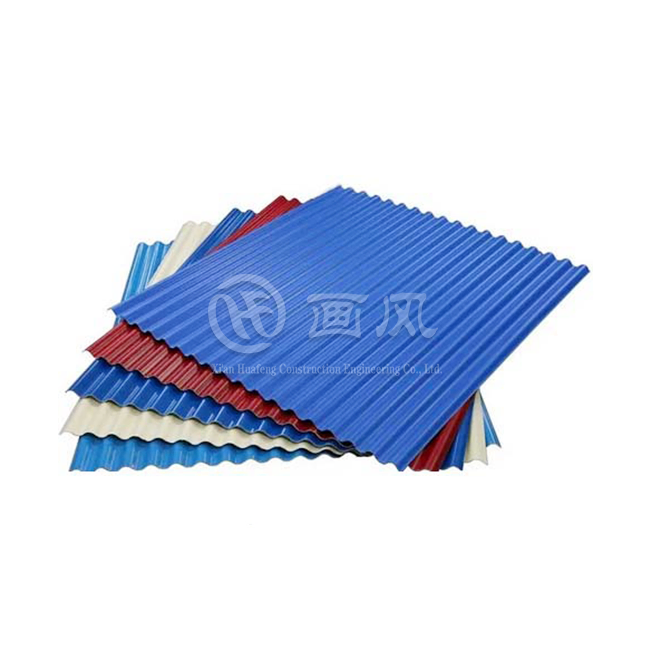
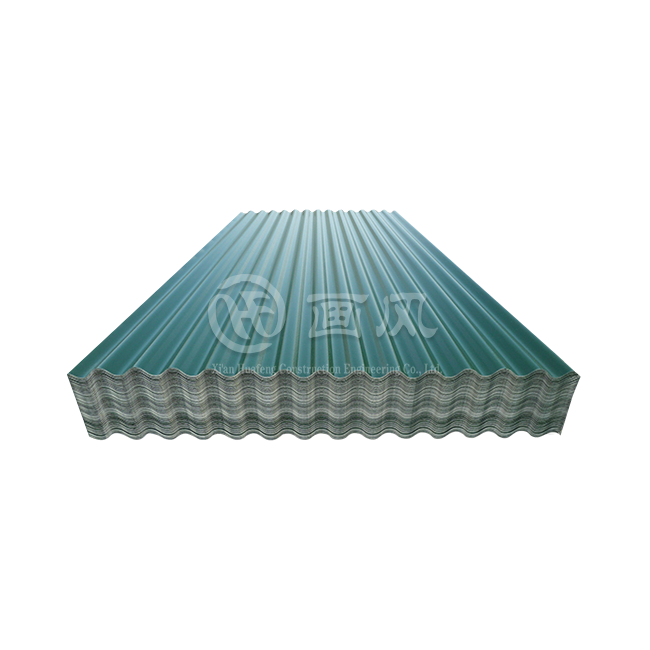
The wave pattern used in corrugated panels is either trapezoidal or sinusoidal, and it repeats along the whole width of the sheet. Over time, leaks may occur from fasteners that are left exposed and puncture the panel face. These panels are often used in factories, agricultural buildings, and other projects that have a limited budget and don't give much thought to appearance.
Key Structural Differences at a Glance
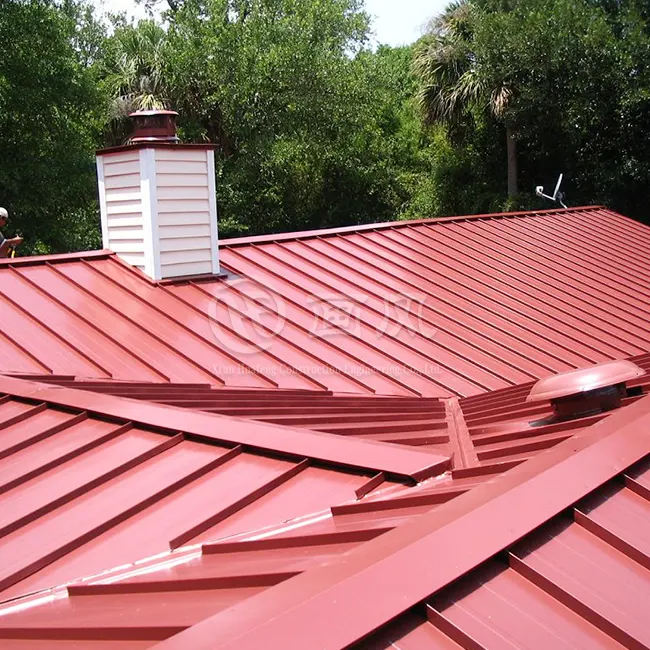
The most common place for metal roofing to fail is the exposed screw hole. Striated standing seam metal roofing systems get rid of this problem by using concealed fasteners. On the other hand, corrugated panels need to have sealant applied properly around all of their fasteners. Striated standing seam metal roofing is the better choice for projects that need to be waterproof for a long time and have a clean top.
Comparative Analysis of Performance and Durability
When it comes to performance, the two systems are very different, especially when looking out 20 to 30 years.
Weather Resistance and Longevity
For 20 to 30 years, a PVDF fluorocarbon coating on standing seam roofing maintains its color and does not degrade in the sun. HF's striated panels satisfy ASTM, DIN, JIS, BS, and GB/T standards and are covered by a 30-year service guarantee. AAMA 2605-22 requires 13 tests, all of which the PVDF coating passes. The coating within the striation lines remains intact under bending force, as shown by a T-Bend test result of 0T with no breaking.
Oil Canning: The Real-World Differentiator
Light-gauge metal plates naturally have oil canning on them. There is no way to completely get rid of it, but the striated standing seam metal roofing profile is the best way to hide it visually. Striations make planar deviations almost invisible by breaking up flat light reflection across the pan. This is a big selling point for high-end residential projects where the roof can be seen from the street or from nearby elevations.
Energy Efficiency and Coating Performance
In warm environments, standing seam panels with reflecting PVDF coatings need less cooling because they absorb less heat. Reflective coatings may also be applied to corrugated panels, however the exposed screws provide additional areas where heat might escape. For high-performance homes that want to get energy ratings, the standing seam approach is preferable.
Installation Process and Cost Considerations
Installation method has a direct impact on labor cost, timeline, and long-term maintenance frequency.
Standing Seam Installation Requirements
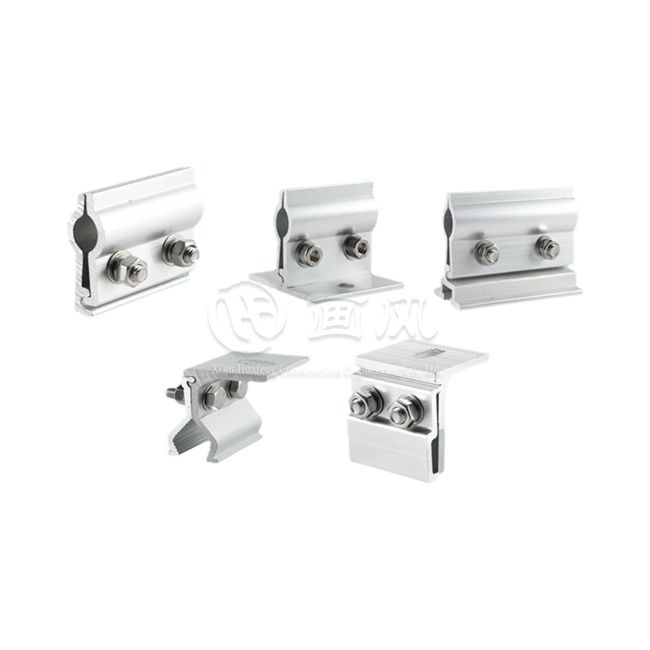
Precision roll-forming and field seaming require trained crews and, in many cases, dedicated seaming equipment. Thermal expansion clips must be specified correctly — fixed clips anchor the panel at the ridge, while floating clips allow longitudinal movement down the slope. Incorrect clip selection is one of the leading causes of panel distortion and noise complaints.
Corrugated Panel Installation
Corrugated panels install faster with standard fasteners and require no specialized tools. This speed advantage makes them practical for large agricultural structures or temporary applications. However, each exposed fastener requires a neoprene washer, and these washers typically degrade within 10 to 15 years, requiring re-fastening inspections.
Total Cost of Ownership
The upfront cost of standing seam roofing is higher. That said, the math over 30 years shifts in its favor. Reduced maintenance calls, no fastener replacement cycles, and a 30-year warranty eliminate most of the recurring costs that corrugated systems accumulate. For a custom home builder pricing a $2M+ residence, roof maintenance callbacks represent a reputational cost that standing seam largely removes.
Use Case Scenarios and Application Suitability
Every system has its own place to live. The most valuable procurement decisions are the ones that match the right product to the right type of project.
Here are the main types of applications that can be run on each system:
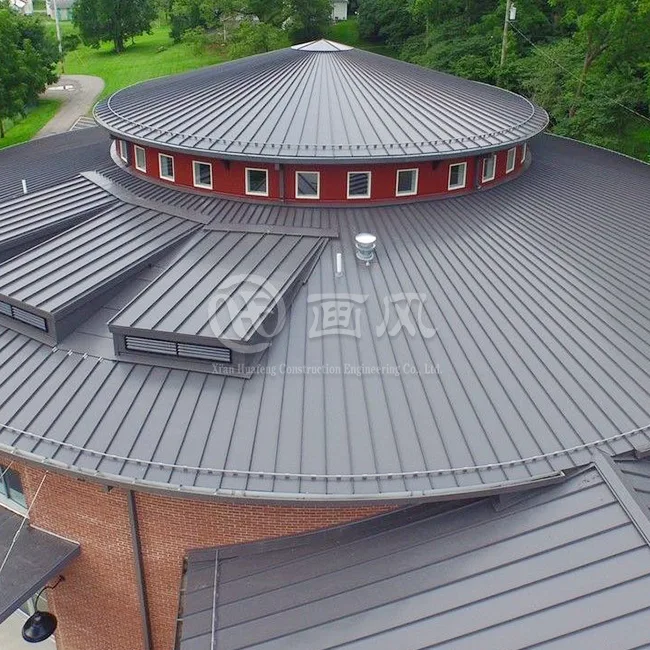
- Striated standing seam metal roofing is the standard choice for modern luxury residential builds, high-end commercial facades, coastal retrofits (aluminum substrate with PVDF coating), and long-span commercial roofs where thermal movement demands a floating clip system.
- Corrugated panels are appropriate for agricultural sheds, warehouses, industrial canopies, and any project where budget is the primary constraint and aesthetic consistency is not a design requirement.
These differences are important in real life. The panel logic can't be used by both a farm building contractor and a design-build firm in the Pacific Northwest or Florida that is building a portfolio of custom homes. The visible standard, the wind uplift requirement, and the guarantee expectations are all very different. There are a lot of RAL and Pantone colors in HF's panel range, including black charcoal and dark graphite tones. This gives architects and builders the color accuracy they need for multi-lot projects without batch color variation.
Making the Right Procurement Decision
When B2B buyers are looking for a lot of products, the ability of the supplier is just as important as the product itself.
Specification Alignment
HF makes striated standing seam panels with a range of rib heights and coverage widths to fit all types of residential slopes (minimum recommended slope: 2:12). PVDF (20–25 μm front coat) and PE are two surface treatments that can be used. They are both placed on 7 production lines in 3 plants that make a total of 1,000 tons of steel every month.
Lead Time and Minimum Order
HF can handle both prototype sample orders and full-project supply runs. The minimum order amount is 500 m², which is equal to 1 metric ton, and the normal lead time is 15 to 20 days. This is especially important for builders who are working on multiple projects at the same time and need the same batch color from one delivery to the next.
Quality Assurance Credentials
HF's aluminum panels have passed SGS-certified tests under AS/NZS 1530.3:1999 (all six samples did not catch fire), EU RoHS Directive 2011/65/EU (all 10 dangerous substances were at or below limits), and AAMA 2605-22 (all 13 coating performance items passed). These are results that were checked by a third party; they are not company claims.
Conclusion
Corrugated panels cannot be used in place of striated standing seam metal roofing. They work with clients who have different needs, performance standards, and expectations. Standing seam roofing is a better long-term value for buying teams looking for roofing for high-end homes or businesses because it is more waterproof, stops oil from caking, comes with a guarantee, and can be designed in a variety of ways. When speed and cost are more important than quality of finish, corrugated panels are still a good choice. Getting the right system for the job is all about knowing which system fits which project.
FAQ
1. Does the striated profile affect solar panel installation?
No. Solar clamp systems such as S-5!® attach to the standing seam rib, not the panel pan. The striations in the pan do not interfere with seam geometry or clamp load capacity.
2. What is the minimum roof slope for a standing seam system?
Most manufacturers, including HF, recommend a minimum slope of 2:12 for standing seam systems. Below this pitch, water movement slows enough that ponding can occur within the striation grooves.
3. How does PVDF coating compare to polyester (PE) in the long term?
PVDF holds color for 20 to 30 years and passes AAMA 2605-22 standards. PE coatings are economical but typically offer roughly half the service life of PVDF under equivalent UV exposure conditions.
4. Can I order sample panels before committing to a full project run?
Yes. HF accepts orders from 500 m² or 1 metric ton, which supports prototype and sample panel production for design review before full procurement.
5. How does batch color consistency work across multiple deliveries?
HF uses standardized RAL and Pantone color references across all production lines. For multi-phase projects, specifying the color code and production batch in the purchase order helps maintain visual consistency across deliveries.
Request a Quote from HF — Striated Standing Seam Metal Roofing Supplier
The striated standing seam metal roofing panels that HF sells come with an AAMA 2605-22 approved PVDF coating, a 30-year guarantee, and a 15–20 day wait time. Our three factories, seven production lines, and ability to handle 1,000 tons per month help custom home builders and design-build firms all over North America. You can email our team at huafeng@hfmetalroof.com to get project details, color samples, or a quote.
References
1. Metal Construction Association. Metal Roofing Systems Design Manual. 2021.
2. American Architectural Manufacturers Association. AAMA 2605-22: Voluntary Specification, Performance Requirements and Test Procedures for Superior Performing Organic Coatings on Aluminum Extrusions and Panels. 2022.
3. ASTM International. ASTM E1592: Standard Test Method for Structural Performance of Sheet Metal Roof and Siding Systems by Uniform Static Air Pressure Difference. 2020.
4. Sherwin-Williams. PVDF Fluoropolymer Coatings for Architectural Metal: Performance and Durability Guide. 2022.
5. National Roofing Contractors Association. The NRCA Roofing Manual: Metal Panel and SPF Roof Systems. 2023.
6. McGraw-Hill Construction. Metal Roofing in Commercial and Residential Construction: Market Analysis and Product Performance Review. 2020.





YOU MAY LIKE