22 Ga Standing Seam Metal Roof Panels for Commercial Buildings: Why Choose Them?
2026-10-28 19:41:23
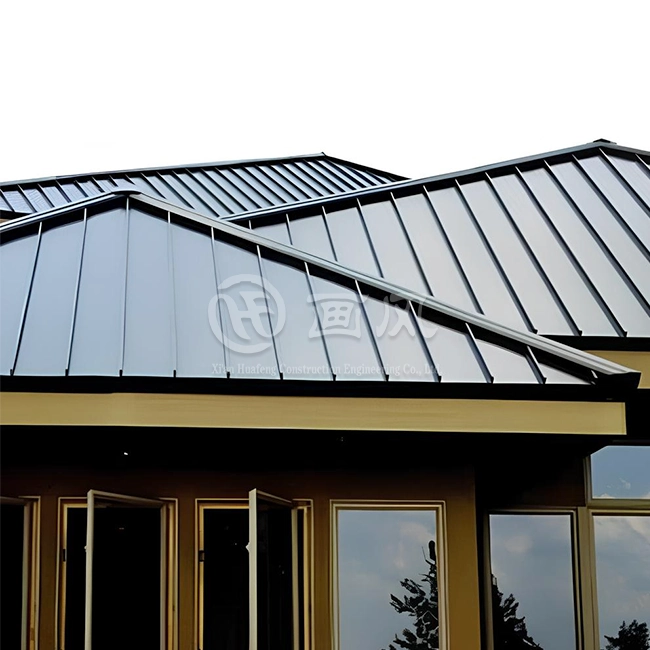
When roofing contractors and distributors throughout the U.S. specify a long-term metal roof for a commercial project, the gage selection matters more than most customers realize. A 22 ga standing seam metal roof typically has around 30% more steel mass than a regular 24 gage panel which is about 0.76 mm thick. All that extra material translates directly to superior wind uplift resistance, near elimination of oil canning, and a roofing system that routinely wins its position on high-stakes commercial structures – from airport terminals to churches and logistical centers.

Understanding 22 Gauge Standing Seam Metal Roof Panels
What "Gauge" Actually Means for Your Roof?
Gage is the reverse of length for North American metal roofs; the lower the number, the thicker the steel. The 22-gauge panel is approximately 0.76 mm thick, the 24-gauge panel is about 0.60 mm thick and the 26-gauge panel is around 0.45 mm thick. That variation in thickness affects how a panel performs when it’s loaded, hot or cold, and after many weather cycles.
Why 22 Gauge Stands Out for Commercial Use?
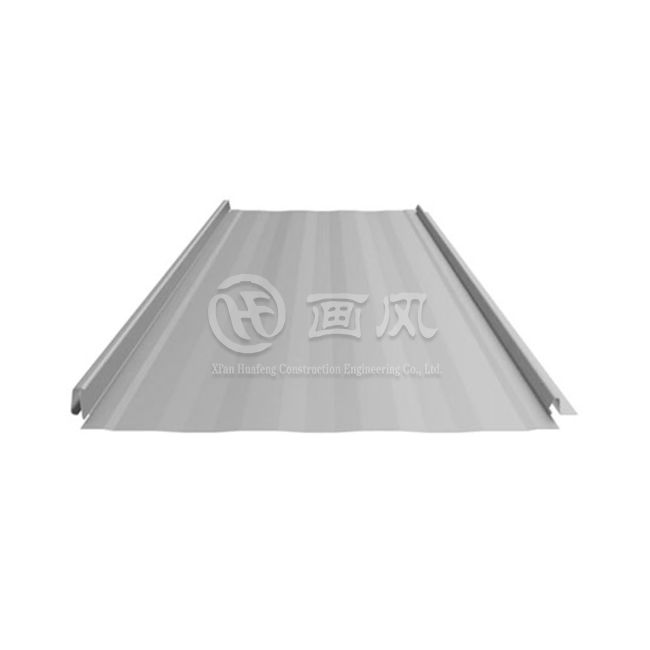
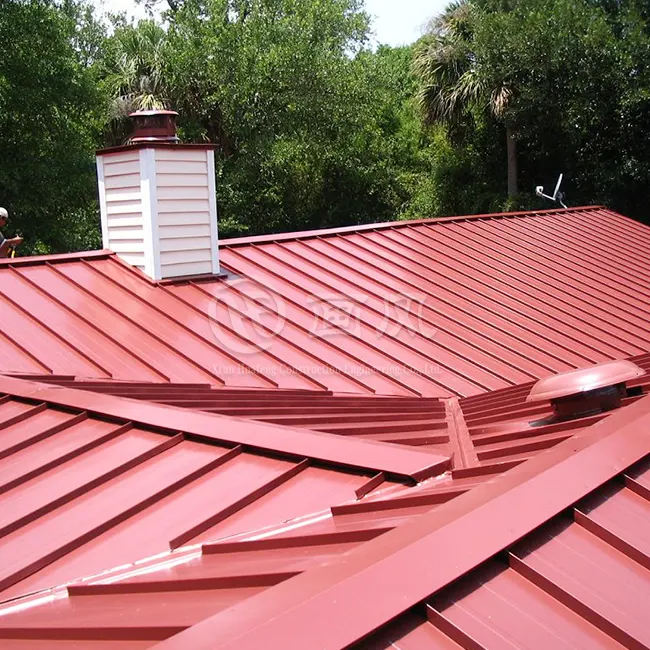
Thicker steel won't bend when the wind blows hard. It also handles thermal expansion that might take place with large commercial roof spans. There are no visible screws since the fasteners are covered in a 22 ga standing seam metal roof structure. This eliminates a primary leak channel. These physical advantages are no longer enhancements that may be turned down in the case of commercial buildings with low slopes or lengthy panel lines greater than 40 feet.
22 vs. 24 vs. 26 Gauge: A Direct Comparison
To help procurement teams decide between cost and performance, here's how the three gages stack up on key metrics:
22 Gage (0.76 mm) steel has the highest structural rigidity, the lowest risk of oil canning, and can span open purlins up to 4–5 feet. It is perfect for commercial and institutional projects that need to meet ASTM E1592 wind uplift standards.
- 22 Gauge (0.76 mm): Highest structural rigidity, minimal oil canning risk, spans open purlins up to 4–5 feet, ideal for commercial and institutional projects requiring ASTM E1592 wind uplift compliance.
- 24 Gauge (0.60 mm): A common mid-range choice for residential and light commercial; adequate for standard spans but shows visible waviness on wide-flat profiles under certain light conditions.
- 26 Gauge (0.45 mm): Generally suited to residential re-roofing over solid decks; foot traffic during maintenance can cause cosmetic denting, raising long-term upkeep costs.
The extra cost of 22 gage, which is usually 15–20% more than 24 gage, is worth it because it lasts longer and doesn't need as much sub-framing for projects that care about visual flatness and structural span capacity.
Performance and Longevity: What Makes 22 Gauge Metal Roofs Ideal?
Expected Service Life Under Commercial Stress
If you put on a 22-gauge Galvalume standing seam roof the right way, it should last between 40 and 60 years with a good PVDF coating. The panels from Xi'an Huafeng come with a 30-year warranty, and the AZ50/AZ55 Galvalume substrate protects against corrosion better than regular G90 galvanized steel in coastal and industrial settings. Independent impact tests show that 22-gauge systems often get UL 2218 Class 4 ratings, which is the highest rating possible and protects buildings from severe hail damage.
Energy Efficiency and Cool Roof Compatibility
Many installations can get listed with ENERGY STAR and the Cool Roof Rating Council when they use a 22 ga standing seam metal roof profile and a high-reflectivity PVDF coating. Oak Ridge National Laboratory research shows that in warm places, shiny metal roofs can cut the amount of energy used for cooling by 7–15%. The panels made by Huafeng can work with continuous insulation assemblies that meet the requirements of the current ASHRAE 90.1 commercial energy code because they support full insulation system integration.
Noise, Maintenance, and Long-Term Upkeep
If you don't put down enough insulation, metal roofs can make rain noise louder. This is a design flaw, not a problem with the material itself. In most business buildings, the problem can be fixed by putting a thermal break and a sound batt between the panel and the deck. A 22-gauge standing seam system doesn't need much upkeep. Every year, the seams should be looked at visually, debris should be cleaned out of the valleys, and the moving clips should be checked to make sure they can still move. Oil canning, which is the main concern for looks on thinner panels, doesn't happen very often at this gage.
Installation and Procurement Process for 22 Ga Standing Seam Metal Roof Panels
Key Installation Steps
Having a professional install the system saves both the guarantee and its wind uplift rating. The process starts with making sure the base is ready, then the panels are rolled out (on-site or pre-cut), secret clips are placed at the right distance apart, seams are mechanically sewn to either a 90° or 180° double-lock, depending on the slope and wind zone, and the seams are checked with a seam caliper. When getting panels from a new maker, crews should make sure that their seaming tools will work with the panel profile before they go to work. This is a regular problem that comes up in the field. These are the things that commercial contractors and distributors care about most:
- Substrate and panel gauge verification before installation to confirm that the delivered material matches the specified 22-gauge requirement.
- Panel profile and seaming-tool compatibility to ensure the installation crew can properly form the specified seam.
- Clip spacing and seam configuration matched to the approved roof design, slope, and wind-zone requirements.
- Inspection of completed seams with the appropriate tools to verify consistent mechanical engagement.
What to Look for in a Supplier
- Gauge verification: Request mill certs confirming substrate thickness within ASTM tolerance before accepting delivery.
- Coating documentation: PVDF (70% Kynar 500® resin) panels should come with AAMA 2605-22 test reports covering all 13 performance items. Huafeng's PVDF coatings passed all 13 items in independent SGS testing, including 5B dry adhesion, 5B boiling water adhesion, and zero cracking at 0T flexibility.
- Color consistency: Ask for batch color matching reports using ASTM D2244 delta-E values. A ΔE of 0.3 or below — as confirmed in Huafeng's SGS coating test — indicates tight batch-to-batch color control.
- Lead time and MOQ: Huafeng ships within 15–20 days, with a minimum order of 500 square meters or 1 metric ton, which aligns with mid-size project volumes.
These factors tell the difference between long-term partners you can trust and one-time sellers who can't support regular project replenishment.
Cost Benchmarks and Volume Purchasing
Prices for steel coils used to make 22-gauge standing seam panels vary, but contractors who buy directly from a manufacturer usually save 12–18% compared to prices paid by distributors. Because Huafeng can supply 1,000 tons per month, buyers in large quantities can make forward contracts that lock in prices and delivery dates. This is a big help when you're working on a lot of projects at once.
Market Comparison: Why Choose 22 Gauge Over Alternatives?
22 Gauge vs. Asphalt Shingles and Corrugated Metal
Asphalt shingles usually last between 20 and 30 years, and damaged tabs need to be replaced every so often, especially in places where hail is common. Industrial sheds made of corrugated metal are a good way to save money, but the exposed fasteners make holes that need to be fixed over time. A 22 ga standing seam metal roof system gets rid of both of these ways that things can go wrong. It creates a weathertight barrier that doesn't need any fastener maintenance and lasts twice as long as asphalt.
Manufacturer and Warranty Comparison
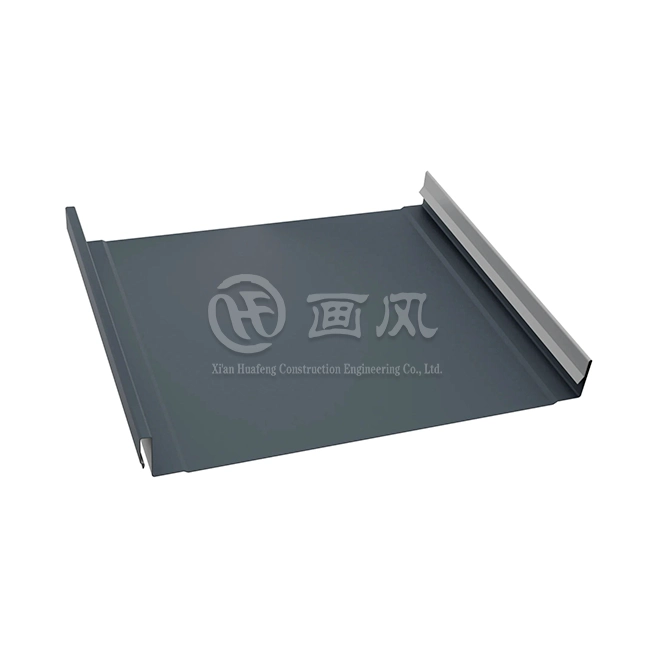
Huafeng makes panels in three plants with more than forty machines and seven production lines. The profiles they use are 25-330/400/430, 32-410, 45-400, and 65-400/430. Thicknesses range from 0.6 mm to 0.8 mm, and the surface can be treated with PVDF or PE. Colors can be matched from the full RAL range or to specific requirements. Products meet ASTM, DIN, JIS, BS, and GB/T standards, which gives North American builders the paperwork they need to submit projects and get building permits.
Why 22 Gauge Is the Preferred Choice for Commercial Roofing Projects?
The business roofing market awards gage choices that weigh the initial cost against the total value over the roof's lifetime. That test is always passed by a 22-gauge standing seam method. It meets the structural needs of large-span roofs without needing a solid deck, supports the weight of solar and HVAC equipment during maintenance without causing damage to the look of the roof, and has the fire, coating, and environmental certifications that institutional owners and general contractors look for in bids.
The same physical qualities that make 22-gauge panels work well when they are first installed still pay off 20 to 30 years later in all kinds of buildings, like factories, shopping malls, churches, schools, and airports. The total cost of ownership is lower than with lighter-gauge options because it requires less maintenance, insurance rates are lower in hail-prone areas, and it can be upgraded with new insulation.
Conclusion
A 22 ga standing seam metal roof system has clear benefits for commercial projects, including a higher structural span capacity, resistance to oil canning, Class 4 impact ratings, and a service life of 40–60 years, which is longer than most other materials. The gage choice is easy for procurement managers and roofing contractors who need a steady supply, verified ASTM documentation, and PVDF coatings that match the color. Huafeng's product line includes the main profile sizes, 22 ga standing seam metal roof coating choices, and approval needs of business projects in the U.S. It also has the plant capacity and guarantee terms to support ongoing project replenishment.
FAQ
1. How long do 22-gauge standing seam metal roofs last compared to traditional materials?
With regular upkeep, a 22-gauge Galvalume standing seam roof will last 40–60 years, while asphalt shingles will only last 20–30 years. Huafeng stands behinds its panels with a 30-year guarantee that covers the performance of both the coating and the base.
2. What certifications should I request when evaluating a supplier?
You should ask for ASTM E1592 wind uplift test reports, AAMA 2605-22 coating performance reports, mill certificates for substrate gage, and ASTM D2424 color consistency data. Third-party test reports from ISO 9001 and SGS add more proof.
3. Can these panels be customized for specific project requirements?
Yes, Huafeng has profiles with ribs that are 25 mm to 65 mm high, panels that are 330 mm to 430 mm wide, Galvalume or aluminum alloy as a substrate, PVDF or PE surface treatment, and RAL color matching. Custom panel lengths cut down on waste and field cutting.
4. What is the minimum order quantity?
The smallest order is 500 square meters, or 1 metric ton. This is big enough for most business jobs with only one building and doesn't require big inventory commitments.
Get a Quote on HF 22 Ga Standing Seam Metal Roof Panels
HF, or Xi'an Huafeng Construction Engineering Co., Ltd., makes and sells 22 ga standing seam metal roof panels that are designed for tough business uses. It takes 15–20 days to deliver, has three plants, uses AAMA 2605-22 certified PVDF coatings, and follows all ASTM standards. HF is a 22 ga standing seam metal roof provider that you can plan to buy from for a long time. To get a quote or sample kit right away, email us at huafeng@hfmetalroof.com.
References
1. Metal Construction Association. MCA Guide to Metal Roofing Systems. Metal Construction Association, 2021.
2. National Roofing Contractors Association. The NRCA Roofing Manual: Metal Panel and SPF Roof Systems. NRCA, 2022.
3. Oak Ridge National Laboratory. Reflective Roofing and Energy Savings in Commercial Buildings. U.S. Department of Energy, 2020.
4. American Architectural Manufacturers Association. AAMA 2605-22: Voluntary Specification, Performance Requirements and Test Procedures for Superior Performing Organic Coatings on Aluminum Extrusions and Panels. AAMA, 2022.
5. ASTM International. ASTM E1592: Standard Test Method for Structural Performance of Sheet Metal Roof and Siding Systems by Uniform Static Air Pressure Difference. ASTM International, 2022.
6. Cool Roof Rating Council. Rated Products Directory and Energy Performance Guidelines for Low-Slope Commercial Roofing. CRRC, 2023.





YOU MAY LIKE