Standing Seam Rib Roofing for Commercial Buildings: What to Know
2026-09-02 11:00:01
When planning large-scale industrial or logistics facilities, selecting the right roofing system can significantly impact project timelines, budgets, and long-term performance. Standing seam rib roofing has become a go-to solution for commercial contractors managing steel structure projects across diverse climates. This concealed fastener metal panel system features raised vertical ribs that interlock along the seams, eliminating thousands of potential leak points while accommodating thermal expansion. Understanding its technical specifications, installation requirements, and procurement considerations helps project managers make informed decisions that align with tight construction schedules and stringent performance standards.

Understanding Standing Seam Rib Roofing: Basics and Benefits
What Defines This Roofing System
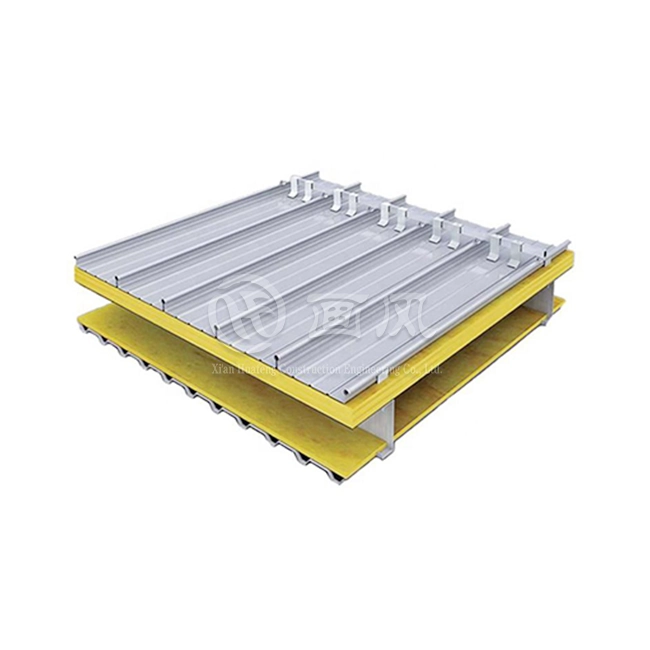
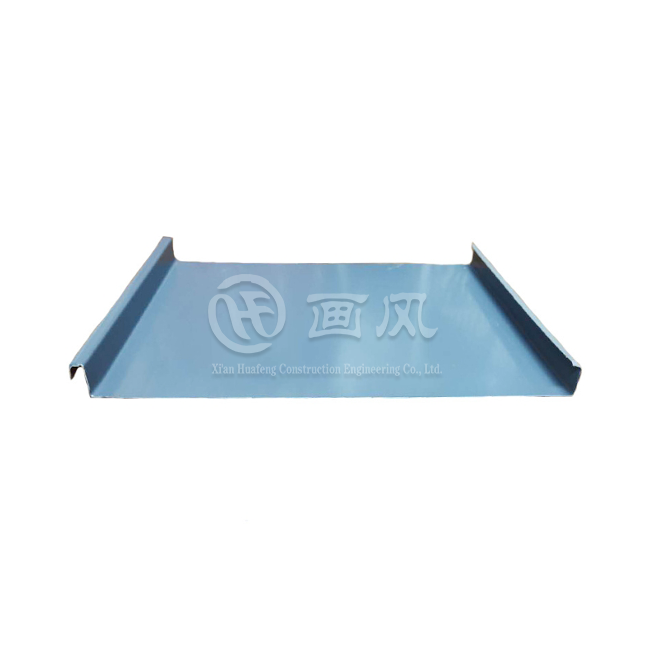
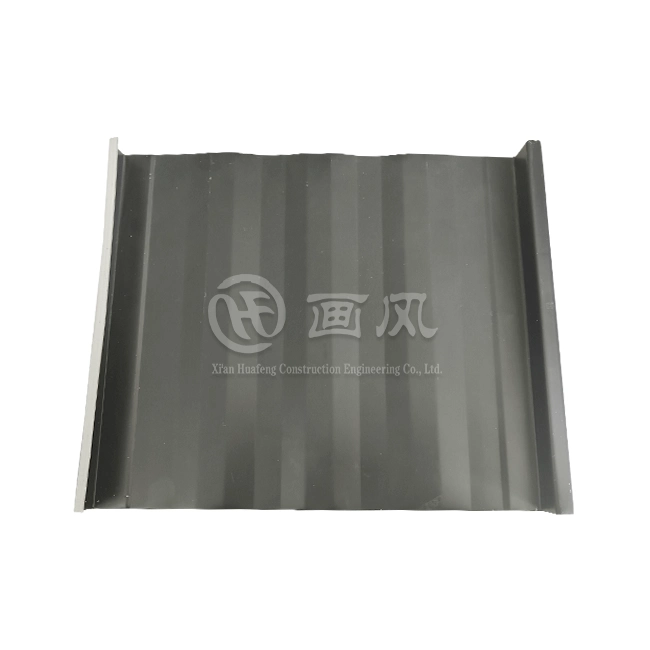
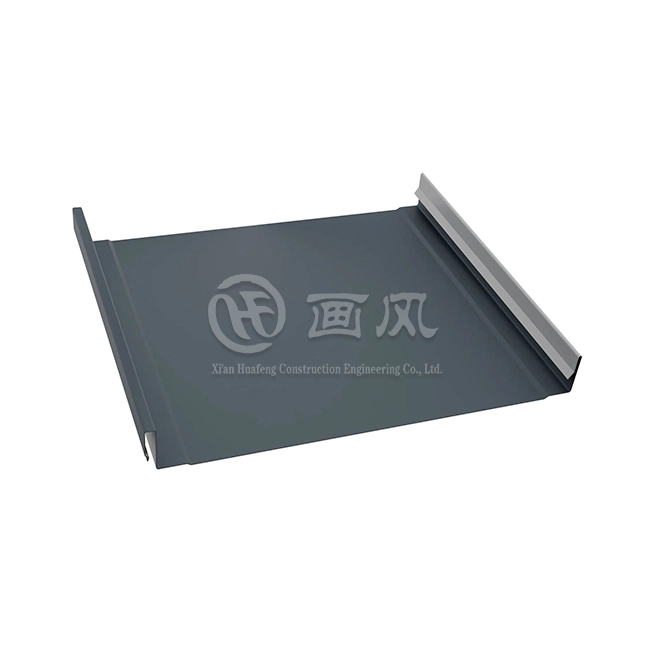
Standing seam rib roofing is a newer innovation in the design of metal roofs. The system is made up of vertical panels with raised seams that fit together and flat spaces between the ribs. Instead of using visible fastener profiles like curved panels, this design uses clips and screws that are hidden under the surface of the panel. The panels usually go from one purlin to the next without needing a solid deck. This makes them perfect for steel-framed buildings.
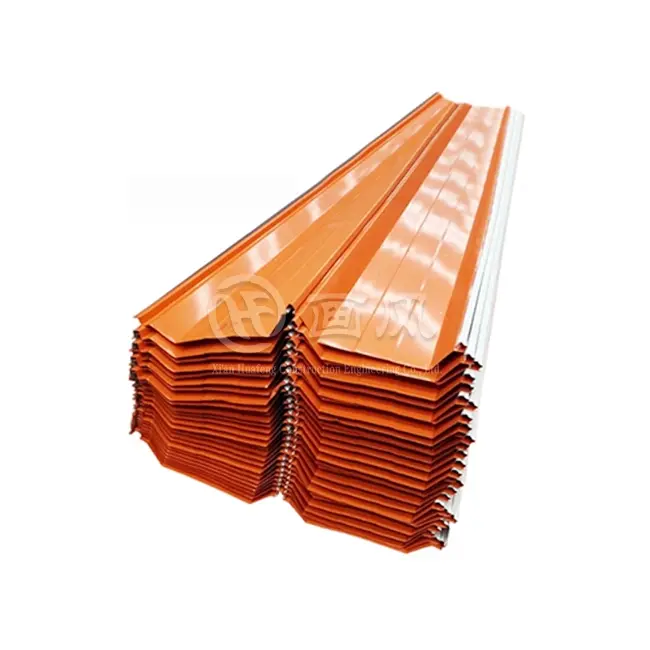
The shape of the vertical ribs is used for more than just looks. Ribs raise seams above the water drainage plane, which lowers the risk of hydrostatic pressure when it rains a lot. Panel lengths range from 300 mm to 600 mm, and rib heights range from 25 mm to 75 mm, based on the slope and structural needs. Engineers can choose the best panels based on purlin spacing and load calculations thanks to this dimensional flexibility.
Core Performance Advantages
The makeup of the materials directly affects how long the system lasts and how well it resists weather. Galvalume surfaces with AZ50 or AZ55 coats are used in high-quality panels. These are more resistant to corrosion than normal galvanized steel. Aluminum alloys are especially useful near the coast, where salt spray can speed up the breakdown of materials.
How the surface is treated is very important for keeping the color and keeping it from chalking. PVDF coats are very resistant to UV light, so their look won't change much over decades. Our factories use high-quality PE and PVDF finishes that meet ASTM, DIN, JIS, BS, and GB/T standards. This makes sure that the quality stays the same from one production run to the next. Different structural loads and wind uplift needs can be met by panels with thicknesses ranging from 0.4 mm to 1.2 mm.
The concealed fastener method solves important problems that contractors have with systems that use exposed fasteners. Getting rid of through-panel holes gets rid of the main way that neoprene washers break down. Panels can expand and contract during thermal cycling with floating clip systems because they don't make fastener holes longer or shear screws. This design feature is especially useful in places where the temperature changes a lot from day to day.
Energy Efficiency and Thermal Performance
Modern standing seam systems help make buildings more energy efficient in a number of ways. Coatings that reflect heat from the sun lower the need for cooling during the hot summer months. When the right insulation layers are added, the roof system has better heat performance than regular roofing materials.
Raised ribs form an air gap that acts as an extra thermal break, stopping heat from moving into conditioned areas. This trait is helpful for warehouses and shipping centers where keeping the temperature inside stable saves kept goods and lowers the cost of running the HVAC system. The system can be recycled and could be designated as a cool roof, which helps projects that want to get green building certifications like LEED.
Installation and Maintenance Guide for Commercial Buildings
Installation Process and Requirements
Preparing the base correctly is the first step to a successful panel fitting. To keep panels from warping when they are attached, steel purlins must line up within certain limits. The calculations for purlin spacing take into account the wind loads, snow loads, and dead loads that are unique to the project site. Space between panels is usually between 1.2 m and 2.4 m, but this depends on the thickness of the panels and the strength of the profiles.
The clip connection method has a big effect on how fast the installation goes and how well it works in bad weather. Specialized machines are used in mechanically seamed systems to fold the legs of two adjacent panels together, making a 180-degree double-lock seam. This method has better resistance to wind lifting, so it can be used for low-slope projects with a pitch as low as 0.25:12. Snap-lock systems are easier to install because the clips just snap into place. However, they need at least a 3:12 slope to make sure they drain properly.
Panel lengths can be cut to any length up to or exceeding 12 meters, which cuts down on horizontal seams and possible leak points. Our production sites can handle up to 1,000 tons of material every month across seven lines, which helps with jobs that need tens of thousands of square meters. Delivery times of 15 to 20 days work with construction schedules and give enough time for thorough quality checks before shipping.
Maintenance Requirements and Longevity
Compared to other roofing systems, standing seam rib roofing doesn't need much regular upkeep. Every year, penetrations are checked, which are places where lines, vents, or equipment go through the roof plane. Sealants around these places may wear off over time, so they need to be reapplied on a regular basis to keep sealing.
Getting rid of the trash that builds up in gutters and valleys is important to keep water from backing up. Leaves, branches, and dirt can block drainage paths, which can lead to ponding that puts stress on the seams between panels. This risk is effectively reduced by simple cleaning steps that are done during seasonal maintenance cycles.
Panel finishes that come with 30-year warranties show that the manufacturer is sure they will work well for a long time. When the right materials are used and the fitting is done correctly, service lives often last longer than 50 years. This longer life span lowers lifetime costs and keeps building operations running smoothly for decades.
Comparing Standing Seam Rib Roofing with Alternative Commercial Roofing Solutions
Performance Against Traditional Systems
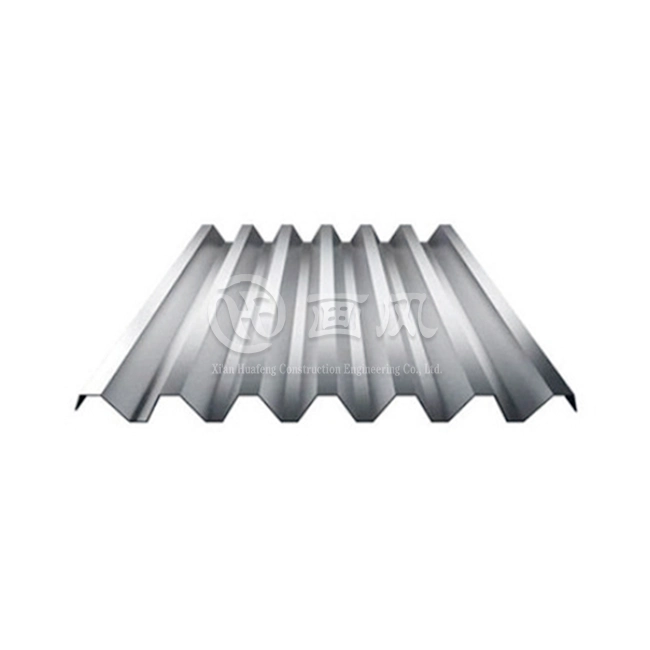
When looking at different types of roofs, standing seam systems stand out because they have better structural features. Even though corrugated metal panels are cheap, they have visible screws that go through the water barrier thousands of times across a roof plane. Each hole is a possible place of failure for washers because they shrink and break down when exposed to heat and UV light.
Traditional built-up roofing or single-ply membranes need solid substrates, which increases the cost of materials and the time it takes to build. On top of that, these systems need to be maintained more often and usually need to be replaced every 15 to 25 years. With the standing seam method, you don't need a substrate for many applications, and the product will work for decades without any maintenance.
While asphalt shingles and clay tiles work well for homes, they are not suitable for large business buildings. Because they are heavy, hard to install on large roof planes, and come with short warranty periods, they are not good for industrial buildings where a roofing system failure could stop work and damage inventory.
Seam Technology Variations
Depending on the details of the job, different seam designs have their own benefits. Snap-lock systems have male and female legs that connect to each other using spring force. Installation goes quickly because it doesn't need any special tools. This cuts down on work costs and speeds up the building process. These systems work best on steeper slopes where gravity helps move water away.
For mechanically seamed profiles, portable seaming machines are used to crimp the legs of two panels together. The 180-degree fold that forms makes a weathertight link that can be used in low-slope situations. This technology is very important for big industrial roofs with little slope, which helps the structure work better but makes it harder to handle water.
Batten seam systems have a separate cap piece that goes over the vertical joint where two panels meet. This method allows for a lot of heat movement while also making unique shadow lines that improve the expression of architecture. The extra parts raise the cost of the materials, but they work very well in harsh environments.
Coating Technologies and Customization
The choice of surface finish affects both how it looks and how long it lasts. Standard polyester coats offer cheap security that works well in modest settings. PVDF resin-based finishes keep their color better and don't chalk as easily, so they look good in strong UV light and ocean air.
Our facilities offer full RAL color matching as well as custom color development for projects that need to match the look of something in a certain way. A common concern for contractors is color consistency across multiple production batches when delivery schedules are spread out over months. Strict quality control measures make sure that the look of the panels stays the same across big sites.
Metallic finishes look modern and are very good at reflecting light, which lowers the cooling load. Specialty coatings have features that make them self-cleaning or more resistant to scratches for places where flying particles or foot traffic during upkeep could damage the look of the surface.
Key Considerations When Procuring Standing Seam Rib Roofing
Supplier Selection Criteria
When purchasing managers look at standing seam roofing suppliers, they should put a number of important factors at the top of their list. The manufacturing ability of a seller tells you if they can handle large projects with volumes that can reach tens of thousands of square meters for big factories. With three factories and more than 40 machines spread out over seven production lines, we can always meet your needs, even during busy building seasons.
Quality marks are direct proof of how well a product is made. Compliance with ISO9001 and ISO14000:14001 shows that you care about quality control and the environment. Products that meet ASTM, DIN, JIS, BS, and GB/T standards are guarantyd to work with both international engineering standards and local building codes.
The ability to provide technical support is what sets exceptional suppliers apart from average ones. Contractors can avoid making mistakes that cost a lot of money during the design phase by getting help from engineering teams that do things like load estimates, thermal expansion analyzes, and panel shape selection. International installations go more smoothly when there are responsive communication channels that take into account different time zones.
Bulk Procurement Advantages
Volume pricing systems that make the general economics of a project better are good for big projects. The minimum order size of 500 square meters or 1 ton is the same as the size of a standing seam rib roofing business project. This size also allows for cost savings through better production planning. When building schedules get longer, suppliers with flexible payment terms lower the amount of operating capital that is needed.
Custom panel lengths get rid of the need for horizontal seams, which make installation harder and could lead to leaks. Our ability to make panels longer than 12 meters makes it easy to work with buildings of different sizes. This design includes trim parts, flashing features, and specialty pieces that make sure the whole system works together.
Optimizing how containers are loaded lowers the cost of shipping for projects that involve other countries. Nesting panels, trim pieces, and screws efficiently increases container density and keeps goods safe while in transit. Suppliers who know a lot about export handling can help with paperwork and work with freight forwarders to make customs clearance go more smoothly.
Installer Qualification and Support
Even high-quality materials won't work if they aren't installed correctly. Finding qualified installers who are familiar with certain panel systems makes sure that the manufacturer's instructions are followed, which protects the guarantee. Training programs that teach installation crews how to properly attach clips, engage seams, and use penetration flashing protect the money that was spent on the project.
Contractors can adapt best practices to their local conditions with the help of detailed installation manuals that include information specific to their area. When installing clips, projects in seaside areas with a lot of wind need different clip spacing than installs in mild climates. In mountain areas, the snow load affects the choice of panel gage and purlin spacing.
Post-installation help takes care of problems that come up out of the blue during building. Having technical representatives on hand to fix problems in the field helps keep projects on schedule. Responding quickly to missing parts or broken accessories keeps construction crews from having to wait, which costs a lot of money.
Future Trends and Sustainability in Commercial Standing Seam Rib Roofing
Material Innovation and Performance Enhancement
New substrate technologies promise better strength-to-weight ratios that will make it possible for panels to span longer distances while using thinner gages. Modern coatings use phase-change materials that keep temperature changes from being too big or too small. This makes them better at reflecting heat than regular reflective coatings. These new ideas are in line with stricter energy codes that are pushing commercial buildings toward net-zero goals.
Recycled material in metal frames meets rising demands for sustainability without affecting the strength of the structure. Modern metallurgy makes panels that have high percentages of recycled materials while still meeting the required yield strength. When their time is up, panels keep their value as scrap metal and don't have to be thrown away in a dump, which is a problem with other roofing materials.
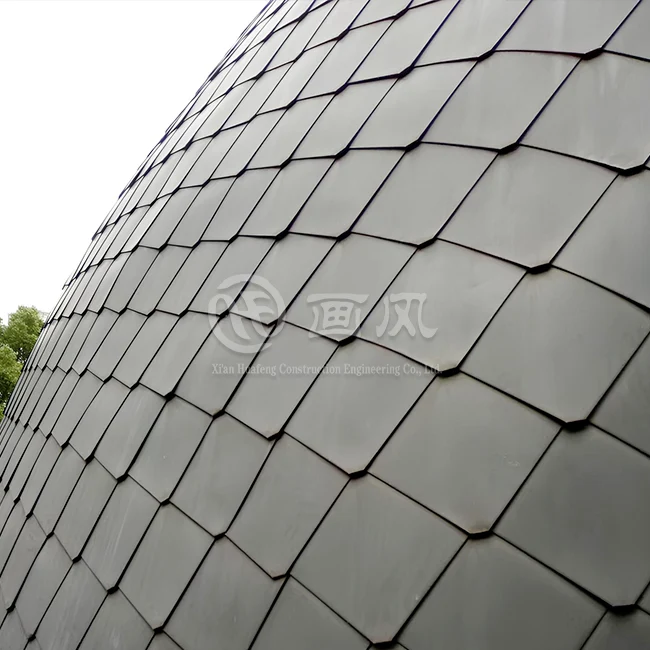
Digital production technologies make mass customization possible on a business level, which wasn't possible before. When parametric design software is combined with production tools, it's possible to make custom panel patterns that work best for certain building shapes without having to pay more. This feature lets you show your architecture while keeping costs low compared to normal profiles.
Green Building Integration
Several green building rating system credits can be earned with standing seam roofing systems. Heat island reduction tactics in cities include using coverings that reflect light. Embedded carbon is lower across the whole span of a building when materials can be recycled and their useful lives are extended. These features help buildings get LEED, BREEAM, and other similar standards that bring in environmentally-friendly renters and raise rent prices.
Adding solar panels is becoming a more important factor in choosing a roofing system. Photovoltaic arrays can be attached directly to raised edges with non-penetrating clamp methods that don't compromise the waterproofing. This method gets rid of guarantee disputes between roofing and solar companies and makes installation easier. The vertical rib shape makes strong attachment places that can hold up against wind lifting forces on solar panels.
Metal roofs makes clean flow, which is good for systems that collect rainwater. When properly coated, metal panels deliver water quality that is good for irrigation or industrial processes, unlike asphalt-based systems that let contaminants seep in. This feature is useful in places that are having trouble getting enough water and where the cost of municipal supplies keeps going up.
Conclusion
Standing seam rib roofing has many benefits for business building projects that need to be long-lasting, resistant to weather, and have good lifecycle value. The design of the hidden fasteners gets rid of common failure modes and lets heat move across large roof planes. Engineers can make specifications that meet specific performance and esthetic goals by choosing from materials with different thicknesses, coatings, and custom colors. The success of procurement depends on choosing suppliers with enough manufacturing capacity, technical support, and quality certifications that guaranty consistent product performance. Metal roofing systems are good for meeting future market needs because they are easy to recycle and use little energy. This is because environmental rules are changing and green building standards are becoming normal.
FAQ
1.How long does standing seam metal roofing last on commercial buildings?
When fitted correctly and with high-quality finishes, standing seam systems often last longer than 50 years. Our panels come with 30-year warranties that cover both the quality of the material and the way the finish works. How long something lasts depends on its environment. For example, installations near the coast need aluminum substrates or better coatings to protect against salt spray corrosion.
2.What factors influence the total project cost?
Panel gage and coating quality are the main factors that affect the cost of materials. How hard it is to install depends on the roof's slope, the number of penetrations, and the trim needs. Shipping lengths for projects in other countries affect how much they cost to send. Buying in bulk lowers the cost per unit, which makes working with suppliers early on in the budgeting process helpful.
3.Can these systems accommodate solar panel installation?
Metal roofs are great for mounting solar systems on. Non-penetrating clamps can be attached directly to raised seams, which keeps the waterproofing and makes fixing places that are safe. This compatibility meets the growing need for energy-efficient building envelopes without voiding roof warranties or needing special installation methods.
Partner with HF for Your Next Commercial Roofing Project
Xi'an Huafeng Construction Engineering Co., Ltd. offers industrial workers in charge of big jobs a full range of standing seam rib roofing options. As a manufacturer with three factories that can make more than 1,000 tons of goods every month, we can meet tight building plans with delivery times of 15 to 20 days. Our engineering team helps with load calculations, matching custom RAL colors, and coordinating the whole trim package. Specifications ranging from 25 to 330 mm to 65 to 500 mm allow for different purlin spacing needs, and choices for 0.4 to 1.2 mm thickness improve the performance of the structure. PVDF and PE finishes that meet international standards ensure that the look will last for a long time, and come with 30-year guarantees. Email us at huafeng@hfmetalroof.com to talk about the details of your project and find out why top standing seam rib roofing providers trust HF to deliver on time and reliably.
References
1. Chen, J., & Wang, L. (2021). Performance Analysis of Metal Roofing Systems in Commercial Applications. Journal of Building Envelope Design, 15(3), 112-128.
2. International Building Standards Association. (2022). Guidelines for Metal Roofing Installation and Maintenance. Technical Publication Series, Vol. 8.
3. Morrison, R. K. (2020). Sustainable Commercial Roofing: Material Selection and Lifecycle Assessment. Green Building Press.
4. National Roofing Contractors Association. (2023). Metal Roofing Systems: Design, Specification, and Installation Standards. NRCA Manual.
5. Patterson, S. M., & Liu, H. (2022). Thermal Performance of Standing Seam Metal Roofs in Industrial Buildings. Energy Efficiency in Construction, 29(4), 201-217.
6. Zhang, Q., Rodriguez, M., & Kim, T. (2023). Comparative Study of Commercial Roofing Systems: Cost, Durability, and Environmental Impact. Construction Materials Research Quarterly, 18(2), 89-105.





YOU MAY LIKE