Why Choose Standing Seam Rib Roofing for Commercial Buildings?
2026-09-02 11:00:01
When it comes to roofing solutions for commercial and industrial projects, standing seam rib roofing consistently emerges as the top choice for contractors and procurement managers worldwide. This premium metal roofing system delivers unmatched durability, superior weather resistance, and outstanding aesthetic versatility. With concealed fasteners that eliminate water penetration risks and structural profiles engineered to withstand extreme loads, this roofing technology addresses the critical challenges faced by steel structure contractors working on factories, warehouses, and logistics centers across diverse climates.

Understanding Standing Seam Rib Roofing: Features and Benefits
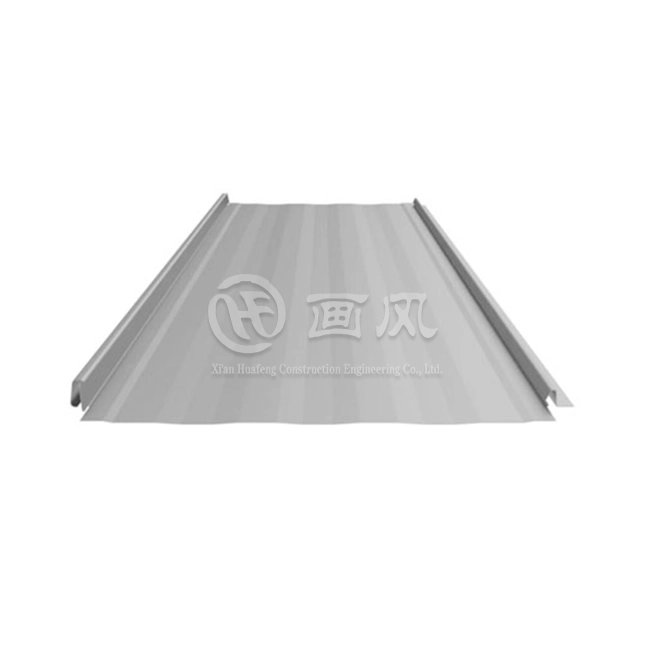
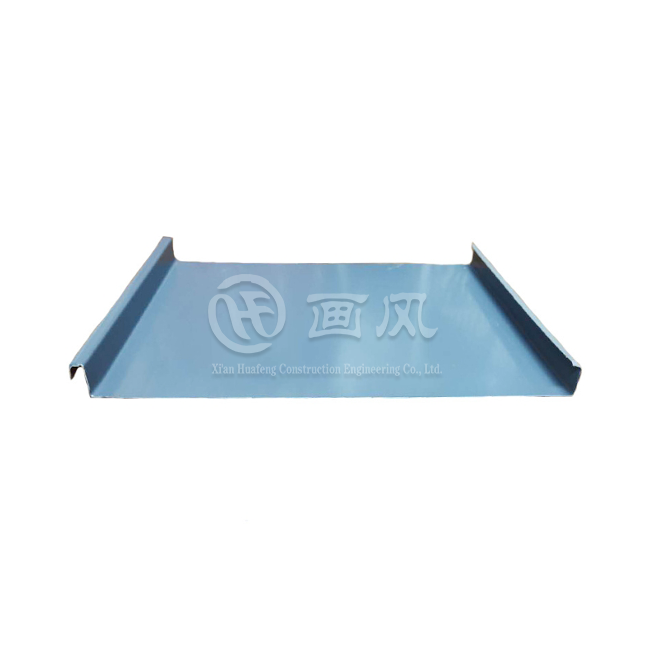
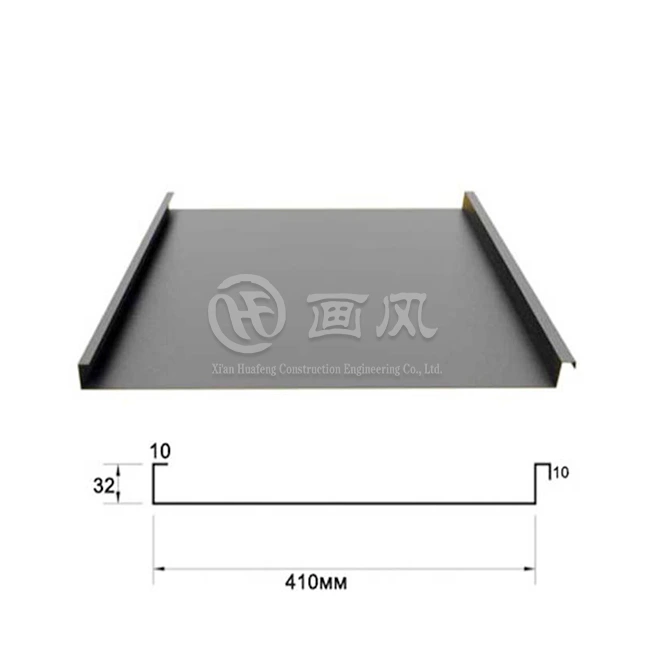
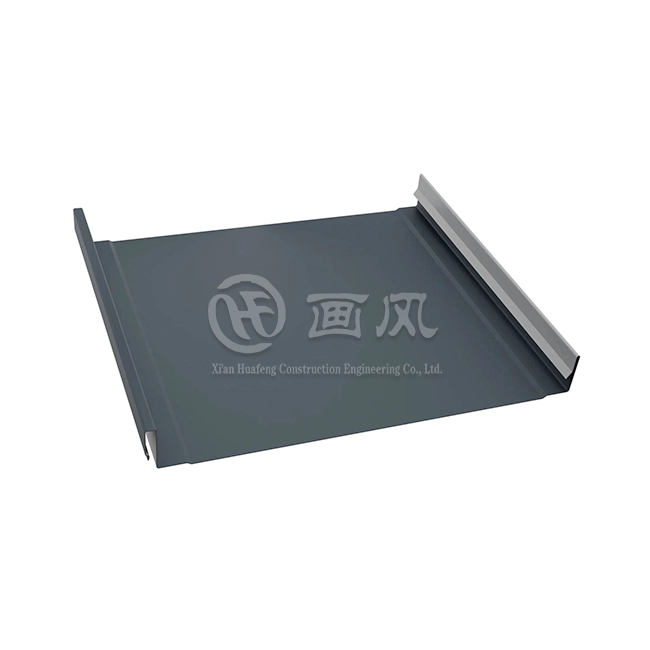
Standing seam rib roofing is a complex type of metal roofing that has flat pans between the ribs and vertical panels with raised seams that fit together. Unlike traditional systems with exposed fasteners, this one uses hidden clips and screws under the panel surface, which completely changes how well the roof works and how long it lasts.
What Makes This System Different
With hidden fastening technology, the thousands of through-panel holes that are common in regular corrugated or R-panel roofs are gone. Neoprene washers are used in traditional systems, but they break down over time when exposed to UV light and changing temperatures. This makes leak paths within 10 to 15 years. This is not a problem at all with our standing seam profiles. The raised rib geometry raises seams above the water drainage plane, which adds to the protection against hydrostatic pressure when it rains or snows a lot.
Core Performance Advantages
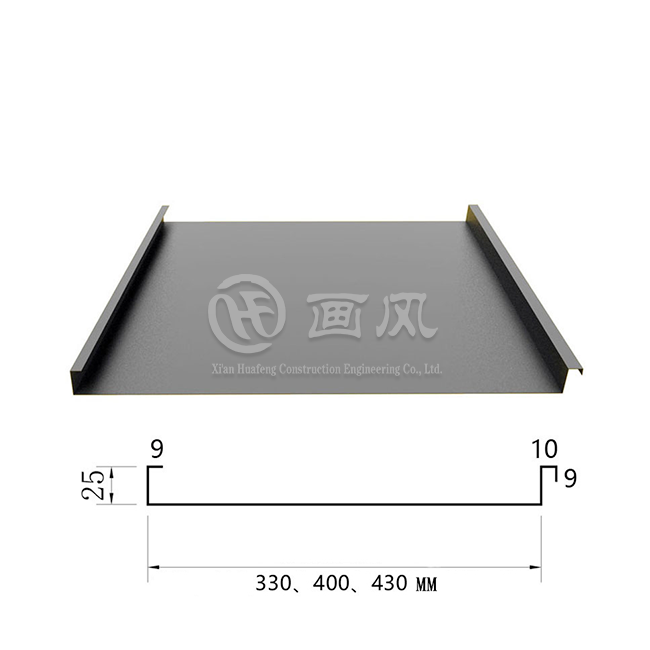
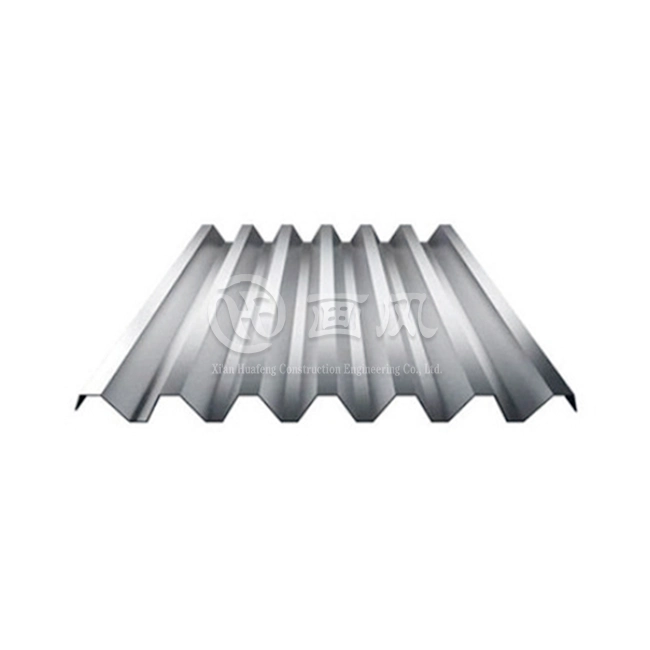
This artistic style used in metal roofing systems makes them last a very long time; when properly kept, they can last over 50 years. This durability directly leads to lower lifecycle costs, which is a very important thing for B2B procurement managers to think about when they are figuring out total ownership costs. Our PVDF and PE surface treatments, which are in line with ASTM, DIN, JIS, BS, and GB/T standards, make sure that colors stay true and buildings don't get chalky over many years of use. We can make profiles with thicknesses ranging from 0.4 mm to 1.2 mm, meeting a wide range of structural needs and load conditions. These profiles include 25-330/400/430, 32-410, 45-400, and 65-400/430/500.
Another important benefit is that it saves energy. Metal panels can have reflective coatings that lower the amount of heat they let in from the sun. This can cut HVAC costs by up to 25% compared to using regular roofing materials. With cooling costs being a big part of running a business in hot places like the Middle East and Southeast Asia, this temperature efficiency is very useful. The mix of recyclable materials is in line with changing sustainability standards and supports green building ratings that are becoming more and more important in foreign bids.
Minimal Maintenance Requirements
Maintenance needs are surprisingly low for the whole life of the machine. Usually, once a year checks that focus on puncture sealants and clearing out garbage from valleys are enough. The panels don't rust, mildew, attract bugs, or catch fire, so they don't need as much upkeep. When compared to membrane or built-up roofing that needs to be re-coated and patched often, the time savings are big.
Comparing Standing Seam Rib Roofing with Other Commercial Roofing Options
Procurement professionals can make better choices that fit the needs of the project and the budget if they know how this method compares to other options.
Performance Against Traditional Materials
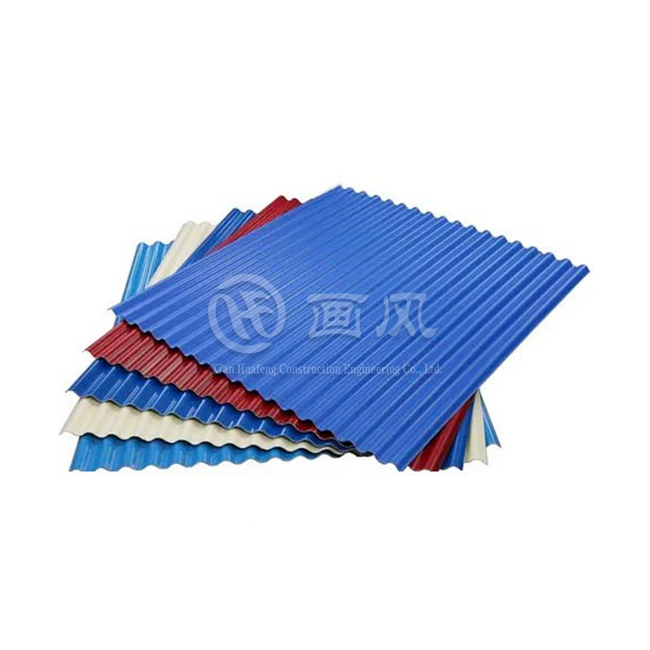
Built-up roofing and single-ply membranes are still commonly used in industrial building, but they have a lot of problems. Most membrane systems need to be replaced every 15 to 20 years, and they can still be punctured by walking on them or falling objects. Built-up roofs needs to be maintained regularly and doesn't work well when the temperature changes a lot. Metal standing seam profiles, on the other hand, deal with thermal expansion through floating clip systems that let panels move around freely without fastener holes getting bigger or screws shearing.
When bad weather strikes, like tropical rains, heavy snowfall, or extreme heat in the desert, it's clear that interlocking metal walls are better at withstanding the elements. We've seen projects along the coast choose metal substrates because they are resistant to salt spray corrosion. In the mountains, high ribs handle snow loads and stop ice damming better than any shingle or membrane option.
Advantages Over Exposed Fastener Metal Roofing
Many contractors who are used to working with corrugated metal or R-panel systems with exposed fasteners are confused by the higher cost of concealed fastener profiles, such as standing seam rib roofing, at first. When you look at long-term success, it's easy to see why the investment was made. Exposed screws make thousands of possible leak places, and as washers wear out, each one needs a new gasket. Within 15 years, the cost of work for maintaining fasteners often goes over the difference in price.
Besides being useful, the clean look of seamless metal roofs makes a company's image better. Modern factories often have two purposes: to run efficiently and to show off the company's brand. The clean lines and wide range of color choices, including exact RAL matching, which is a key requirement for many international projects, give the impression of professionalism and progress.
Profile Variations for Specific Applications
Different panel arrangements are used for different building and structural purposes. It is possible to install structural profiles with mechanically seamed double locks on slopes as low as 0.25:12. This means that they can be used on almost flat warehouse roofs where water pooling is a risk. Snap-lock systems can be quickly installed on steeper slopes (minimum 3:12), which saves money on labor when project deadlines need quick enclosing. Because we are flexible in how we make things, you can change the rib heights, pan widths, and material gages to get the best performance for your purlin spacing and load estimates.
Installation and Maintenance: Practical Insights for Procurement Managers
Effective installation has a direct effect on meeting project deadlines and staying within budget. Procurement experts can set realistic goals and find quality checkpoints when they understand the process.
Installation Process and Timeline Expectations
Usually, the first step in the installation process is to prepare the substrate and place the underlayment. Then, crews put starter strips along the eaves and then work from one edge to the other to place panels. At regular intervals, concealed clips connect to the deck. The male leg of each panel locks into the female leg of the panel next to it. Depending on the type of system, seams can be mechanically sewn together with special tools or they can just snap together.
When working on big projects that cover tens of thousands of square meters, like building factories and warehouses, installation speed is very important. In ideal conditions, experienced teams can cover 200 to 300 square meters per day. Rates are affected by things like weather delays and how easy it is to get to the place, so realistic scheduling should account for these possibilities. Our 15–20 day delivery time from order confirmation helps contractors time the coming of materials with the progress of building, so they don't have to pay for expensive storage or rush their schedules.
Quality Control During Installation
Multiple important checks make sure the system is working right and that the guarantee is followed. When the wind picks up, the panel won't come off if the clips are spaced out correctly. It's also important to check the manufacturer's instructions for attachment frequency. Panel alignment must stay the same so that flat sections don't show visible waviness or oil canning. Pay close attention when applying sealant at penetrations—skylights, ventilation equipment, and pipe boots are frequent places where things go wrong if they aren't flashed properly.
You can't say enough good things about skilled workers. Some parts of installing a hidden fastener system are easier than installing a torch-down membrane, but you still need training and experience to get watertight seams and make sure that heat movement is properly accommodated. Managers of procurement should check the qualifications of contractors and ask for examples from projects of a similar size.
Long-Term Maintenance Protocols
Once fixed, it's much easier to keep up with upkeep. Penetration seals break down faster than panel coats, so they should be checked every year. Cleaning out valleys and gutters of debris stops water from backing up and damaging the edge flashing. In places where airborne contaminants are present, washing on a regular basis keeps the appearance up and stops the coating from wearing down faster. When damage happens in one area, like when tree limbs fall or equipment hits it, individual panels can be changed without affecting nearby parts. This is a big advantage over systems that need bigger patch areas.
Cost, Suppliers, and Procurement Considerations
An investment analysis looks at more than just the prices of the materials. It also looks at the total costs of the project and how much value it will give in the long run.
Breaking Down the Investment
The price of materials for standing seam metal roofing ranges from $8 to $15 per square foot, but this depends on the type of substrate used, the coating chosen, and the size of the order. Labor costs an extra $4 to $8 per square foot, based on how hard the job is and how much it costs to hire workers in your area. Extra costs are caused by things like trim pieces, closures, fasteners, and specialized tools. When looking at these numbers, procurement managers should do a lifetime cost analysis that compares the original investment to the expected costs of upkeep, energy saves, and replacement.
At these rates, the roof of a warehouse that covers 50,000 square meters costs between $500,001 and $1,150,000. A membrane system might cost about 30% less at first, but it needs to be replaced after 20 years. The metal system, on the other hand, is a better value when you look at it over the 40–50 year building lifespans that are common in industrial construction.
Selecting Reliable Suppliers
When choosing a supplier, you should focus on their ability to make things, get high standards, and provide good service. With three factories, seven production lines, and more than 40 processing machines, we can keep up a 1,000-ton monthly supply of products such as standing seam rib roofing, which can handle big projects and many contracts at the same time. This production depth is very important for workers who are on a tight plan or who need materials quickly for different stages of a project.
Certifications and following the rules make sure that the product is always the same. We follow ASTM, DIN, JIS, BS, and GB/T standards to make sure that products meet foreign standards no matter where the project is located. Our 30-year warranty shows that the manufacturer trusts our products and helps procurement managers lower the risk of long-term building investments.
Support after the sale is what sets top sellers apart from commodity vendors. Technical help with calculations of loads, checking of purlin spacing, and detail drawings can help you avoid problems in the field that cost a lot of money. Projects stay on schedule when they can quickly get the extra materials they need when there are shortages or broken pieces that need to be replaced. Our base order size of 500 square meters, or one ton, can be used for both big projects and smaller, more specific ones.
Wholesale Procurement and Customization
Buying in bulk can save you money, which is especially helpful for contractors who are in charge of several jobs at once or who sign supplier deals for yearly needs. Custom panel fabrication lets you get the best results for certain purlin patterns, which cuts down on waste and fitting work. We can match RAL color schemes and make custom lengths up to 12 meters, which meets design needs and makes operations easier.
How well containers are loaded has a big effect on how much shipping costs. Optimized nesting and bundling make the best use of containers, which lowers the cost of freight per square meter for international shipments. This is an important factor to think about for projects our contractor clients often work on in Southeast Asia, Central Asia, the Middle East, and South America.
Why Standing Seam Rib Roofing Is the Preferred Choice for Commercial Buildings
This roofing technology is becoming more and more popular because it works better and is in line with industry trends that value longevity and sustainability.
Unmatched Structural Performance
When you put together the strength of the material and the design of the system, you get success in harsh conditions that other roofing types can't match. When placed correctly, wind lifting resistance meets or beats UL 580 Class 90 standards, so it can handle hurricane-force winds along the coast. The ability to hold a lot of snow comes from the shape of the structural ribs, which easily pass loads to the supporting purlins. When it comes to earthquake zones, metal roofing (which weighs only 1-2 pounds per square foot) is better than heavy concrete tiles or membrane assemblies because it lowers the building's mass and earthquake loads.
Energy and Sustainability Leadership
As energy rules get stricter around the world and carbon reduction goals become law, the energy efficiency of building envelopes becomes more and more important. Cool roof coatings that reflect a lot of sunlight lower the effects of urban heat islands and the need for buildings to cool down. When combined with insulation systems, it is possible to get thermal performance values (R-values) that are good for any temperature zone. Because they can work with solar photovoltaic systems and have non-penetrating clamps that protect roof warranties, these roofs are important for Net Zero building strategies that are becoming popular across many industries.
Material recyclability takes into account how things will be used up. Steel and metal panels are valuable and can be recycled over and over again without losing any of their quality. This is very different from membrane and shingle systems, which will end up in dumps. This connection with the cycle economy fits with buying standards in markets that value environmental responsibility.
Aesthetic Versatility and Brand Expression
Seamless metal roofing helps companies meet their image goals because it looks clean and modern. Manufacturing plants are becoming more and more like brand shows, where customers can visit and the community can get involved. Architectural roofing that is of high quality makes a statement about longevity, innovation, and attention to quality, all of which are things that businesses want connected with their operations.
Customizing colors lets brands fit in, whether they need to match corporate identity standards or go with the architecture around them. The range of finishes, from matte to high-gloss, solid colors to metallic effects, gives designers a lot of freedom, which isn't always possible with high-performance commercial roofing.
Conclusion
When choosing the best roofing system for a commercial building, you have to weigh the short-term costs against the long-term performance, maintenance needs, and strategic value. Standing seam rib roofing is great in every way: it lasts a long time, protects well against the weather, saves energy, and looks good. The hidden fastener design gets rid of common ways for things to go wrong and allows for heat movement that keeps the system's stability for decades. When bought from manufacturers with a history of reliability, quality certifications, and full support services, this roofing solution gives purchasing managers peace of mind that their money will be well spent because it will protect building operations and provide value for more than 50 years.
FAQ
1. How long does standing seam metal roofing typically last?
When installed and maintained correctly, good metal roofing systems often last longer than 50 years. Our products come with a 30-year warranty, and in normal use, they should last between 60 and 70 years. Longevity depends on the base material (galvanized steel vs. aluminum), the coating type (PVDF lasts longer than standard polyester), the environment, and how well it is maintained. Coastal areas with salt spray may shorten lives a bit, but this is less of a problem if the right materials are used.
2. Can this roofing system perform in all climate zones?
Metal standing seam shapes can be used in almost any environment because they are so flexible. Sand and other dry places benefit from coats that reflect light and lower the need for cooling. The system's superior ability to melt snow and prevent ice dams is used in Alpine regions. People who live in tropical areas like how waterproof it is during the monsoons and how resistant it is to mold and mildew. The type of material used and the shape of the profile can be changed to fit the needs of a certain environment. For example, structural profiles can handle high wind loads and snow loads while still allowing water to drain away from the hill.
3. What drives the cost of installation?
Total installation costs depend on a number of factors. The choice of panel material and finish affects the cost of the base material. How much work needs to be done depends on how complicated the project is (roof slope, entry amount, and detail conditions). The cost of sending materials and work depends on where they are located. When you install something is important; delays caused by bad weather during rainy seasons make the project take longer. The level of experience of installation crews affects both the speed and quality of the work. This makes choosing the right contractor as important as choosing the right materials when it comes to costs.
Partner with HF for Your Next Metal Roofing Project
When your project needs a dependable standing seam rib roofing supplier that can handle large-scale industrial building in different countries, HF has the production capacity and technical know-how to meet your needs. Our three factories, which are home to seven finishing lines and more than 40 processing tools, can produce 1,000 tons of goods every month, which is enough to meet tight deadlines. We know how hard it is for steel building contractors to meet tight deadlines, follow strict specs, and get help quickly when conditions on the job site change the materials they need.
We have a wide range of products with thicknesses from 0.4mm to 1.2mm and different profile specifications. All of these products are in line with international standards like ASTM, DIN, JIS, BS, and GB/T. The delivery time of 15 to 20 days and the low minimum order size of 500 square meters make it possible for both large-scale projects and specialized buildings to be built. Our team is ready to help you make sure your project is a success, whether you need exact RAL color matching, custom panel lengths, or expert help with load estimates.
Email our team at huafeng@hfmetalroof.com to talk about your specific needs. Let's talk about how HF's manufacturing skills and dedication to customer service can help your next commercial roofing project go well.
References
1. "Metal Roofing Systems: Design and Installation Guidelines for Commercial Applications," Metal Construction Association Technical Bulletin, 2022.
2. "Life-Cycle Cost Analysis of Commercial Roofing Systems," Journal of Building Economics and Sustainable Construction, Vol. 18, Issue 3, 2021.
3. "Performance Evaluation of Standing Seam Metal Roofing Under Extreme Weather Conditions," International Journal of Structural Engineering, 2020.
4. "Energy Efficiency and Cool Roof Technology in Industrial Buildings," Building Science Review, Volume 45, 2023.
5. "Comparative Analysis of Commercial Roofing Materials: Durability, Maintenance, and Total Cost of Ownership," Construction Specifications Institute Research Report, 2021.
6. "Sustainable Building Envelope Solutions for Modern Industrial Architecture," Green Building and Environmental Technology Quarterly, Issue 12, 2022.





YOU MAY LIKE
(1)_1763110678300.webp "standing seam metal roof panels")