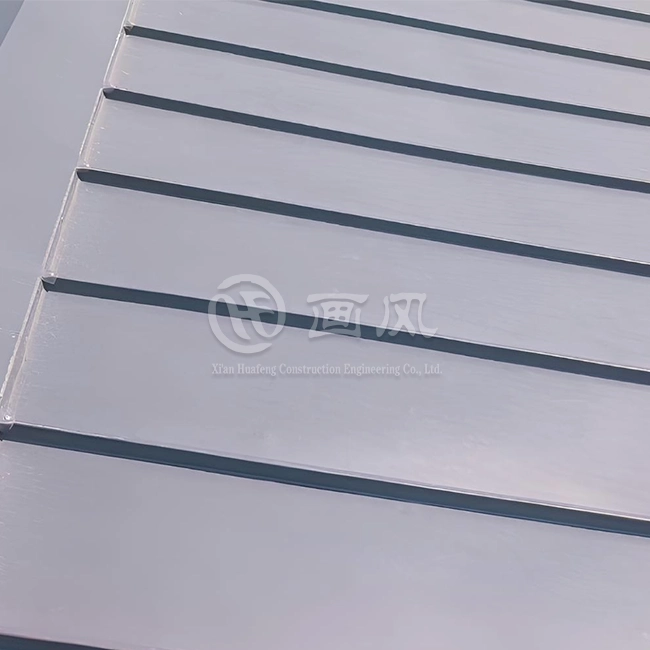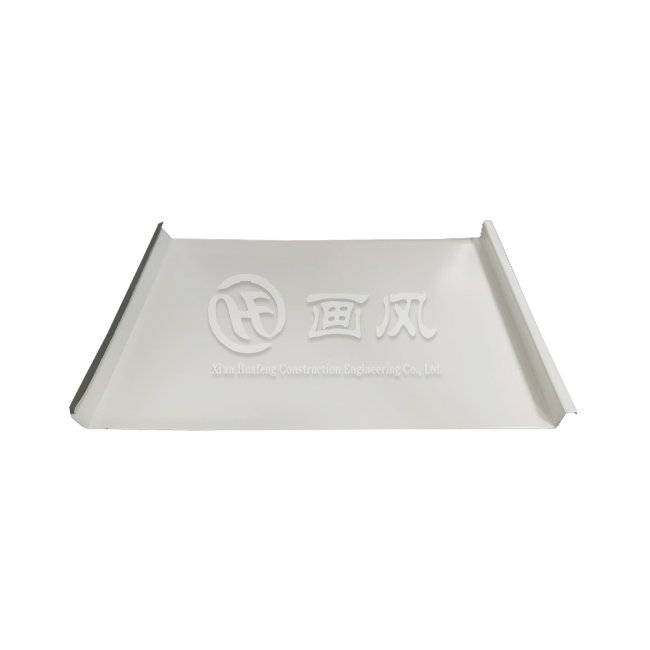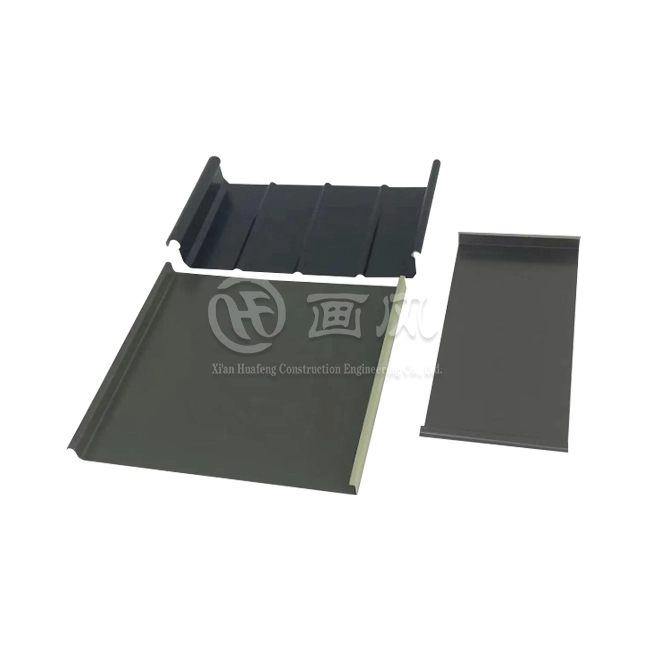
When architects and bespoke house builders need a metal roofing system for both visual sophistication and practical performance, the pencil ribs standing seam roof is always the winner. This thin ribbed vertical locking panel system looks crisp on a contemporary façade, but also bears proven fire resistance ratings, passes severe environmental compliance testing and has a 30-year guarantee backed by SGS-certified material data. Whether you’re shopping for a big commercial development or a high-end residential project, knowing what this system truly provides will help you make a confident, well-informed procurement choice.
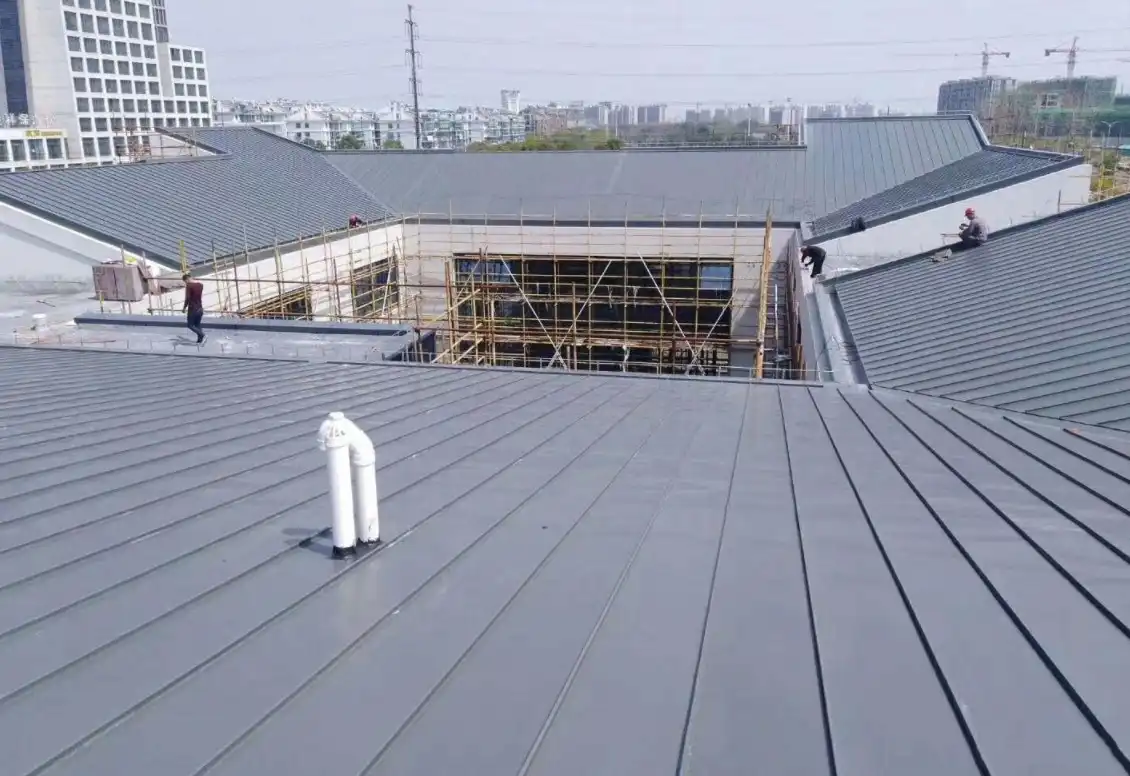
Understanding Pencil Ribs Standing Seam Roof Technology
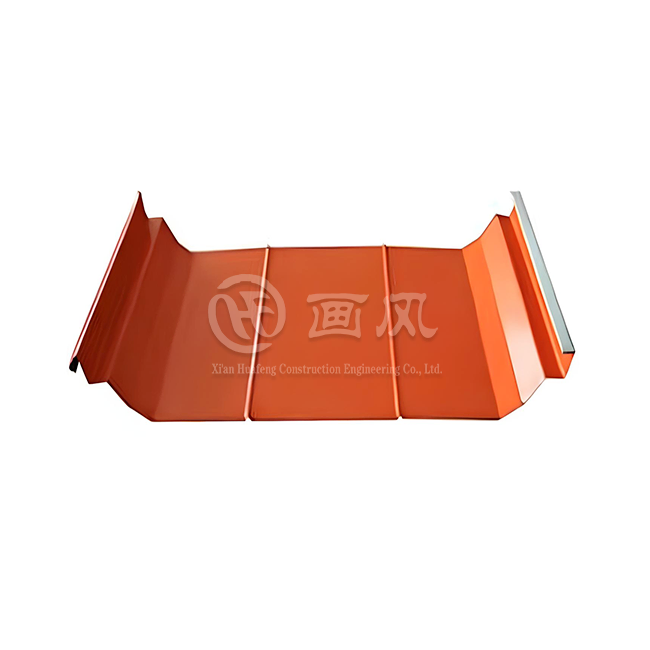
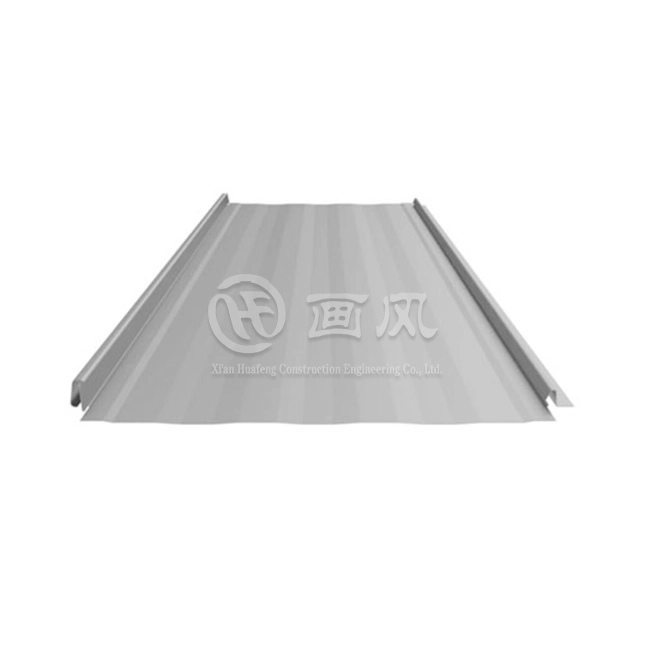
The defining feature of this roofing system is its narrow decorative ribs — typically 25 mm in height — roll-formed directly into the panel face between the vertical seams. This geometry does two things at once: it stiffens the panel cross-section to reduce oil canning (the elastic waviness common on large flat metal surfaces), and it creates linear shadow lines that give modern facades a precise, refined appearance.
How the Panel Geometry Controls Oil Canning
The typical flat-pan standing seam panel with wide uninterrupted surface regions is prone to irregular light reflections and apparent waves. The pencil ribs boost the moment of inertia of the panel cross section, which physically resists thermal-expansion buckling. The geometric shadow of each rib also prevents specular reflection, obscuring whatever residual distortion that does occur.
Hidden Fastener System and Waterproofing
The pencil ribs standing seam roof locking system employs hidden clips instead of screws that are visible. The way it is installed you do not have to punch holes in the metal roof, which is the number one cause of leaks in metal roofs. The continuous mechanical lock results in a seam with near-zero leakage over the entire length of the panel if the drainage slope is 3° or more.
Material Options and Coating Standards
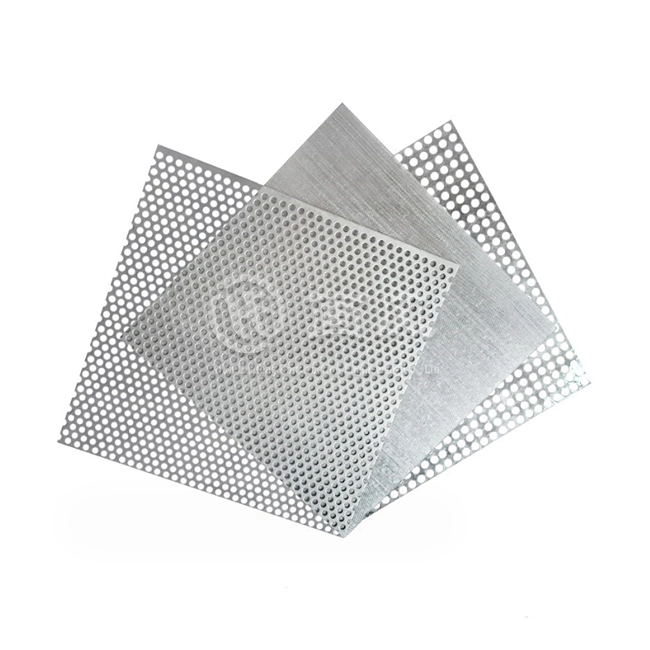
HF supplies this panel in aluminum alloy, steel, stainless steel, copper, and titanium zinc. Available thicknesses run from 0.5 mm to 1.2 mm, with PVDF or PE finishes in any RAL color or custom specification. All products meet ASTM, DIN, JIS, BS, and GB/T standards, giving procurement teams flexibility across regional code requirements.
Key Benefits of a Decorative Rib Standing Seam Roof for High-End Projects
This profile is usually the first choice for design-build businesses and high-end house builders since it can address issues that standard metal panels can’t. In almost every luxury project, builders rave about three things: the appearance, the endurance and the enduring color retention of the materials and coatings. The thin rib geometry handles the first two, while the permitted coatings address the third.
When it comes to speed, these are the main reasons why this method is worth it:
- Fire resistance verified by SGS testing (AS/NZS 1530.3:1999): Six aluminum panel samples (3003H24, 1.3 mm, PVDF coated) all returned an ignition index of 0, flame spread index of 0, and heat release index of 0. None of the six samples ignited during testing. Only surface discoloration was observed.
- EU RoHS environmental compliance: The 5052H26 / 0.72 mm panel passed all 10 hazardous substance checks. Lead was detected at only 10 mg/kg against a 1,000 mg/kg limit; mercury, cadmium, hexavalent chromium, and all phthalates returned undetected.
- AAMA 2605-22 coating performance: All 13 coating tests passed, including 5B dry and wet adhesion, 0T flexibility (no cracking), and a color uniformity delta of ΔEH = 0.3. This means the matte black or charcoal gray finish you specify on day one will still look consistent across every panel at installation and years later.
- Wind load resistance up to ≥ 3.0 kPa: Suitable for high-wind coastal regions and areas with significant seasonal storm activity.
- 100% recyclable materials: The aluminum and steel substrates are fully recyclable at end of life, supporting LEED-aligned green building goals.
Comparing This Profile with Snap Lock and Batten Seam Systems
Snap lock panels are faster to install, but they rely on a clip that snaps — rather than mechanically folds — into position. Under extreme wind uplift or repeated thermal cycling, snap connections can fatigue. A mechanically seamed pencil rib panel maintains its lock regardless of how many expansion-contraction cycles it completes.
Snap Lock vs. Mechanically Seamed Panels
The pencil ribs standing seam roof locking system employs hidden clips instead of screws that are visible. The way it is installed you do not have to punch holes in the metal roof, which is the number one cause of leaks in metal roofs. The continuous mechanical lock results in a seam with near-zero leakage over the entire length of the panel if the drainage slope is 3° or more.
Batten Seam vs. Narrow Rib Profile
Batten seam systems create a bold, pronounced shadow line that reads as traditional or heavy. The narrow pencil rib profile, by contrast, reads as contemporary and precise — the aesthetic that most architects working on modern residential projects currently specify.
Cost-Benefit Perspective
Because pencil ribs are formed during the same roll-forming pass as the panel body, there is no significant material cost premium over a flat-pan panel. The longevity advantage — a 30-year warranty, low maintenance, and no re-coating cycles — reduces total lifecycle cost compared to asphalt or painted steel alternatives that typically require attention within 15 years.
Procurement and Installation Considerations
Before the first panel ships, work starts on making sure this system works well. You can protect your project's schedule and your image with the architect or end client by buying from a maker whose production capacity has been checked, whose materials have been certified, and whose sample process is clear.
Supplier Qualification Criteria
HF runs three factories, seven production lines, and more than forty machines. Each month, they can supply 1,000 tons of goods. The MOQ is 500 m², which is equal to 1 ton. This means that small-batch sampling can be used to test the design without having to commit to full-project amounts. The usual time for arrival is 15 to 20 days.
Sample and Color Matching Process
Most of the time, buying quality pencil ribs standing seam roof is hard because the colors don't always match from batch to batch. The PVDF coating process used by HF has been tested and found to work at ΔEH = 0.3 under AAMA 2605-22. This means that there is a measurable and tightly controlled difference in color between the sample and the production run. It is common practice and strongly suggested that you ask for a physical sample panel before confirming your order.
Installation and Expansion Joint Management
For tight clip seating, the panel needs a flat steel structure or a wood substrate. A professional mechanical seaming machine folds the seam all the way along the rib, making a joint that doesn't leak without glue. To keep long roof lines from deforming due to stress, expansion joints must be estimated based on the length of the panels and the material's thermal expansion coefficient. For example, aluminum expands at a rate of about 23 µm/m·°C.
Why HF Is the Right Pencil Rib Standing Seam Roof Supplier?
Xi'an Huafeng Construction Engineering Co., Ltd. (HF) has been producing metal roofing systems since 2018, with manufacturing facilities across Anhui, Hangzhou, and Xi'an. The company holds a first-level curtain wall qualification and a third-level steel structure qualification from Shaanxi Province, and was recognized as a high-tech enterprise in 2020. HF products carry more than 20 registered roofing patents and comply with ISO 9001 and ISO 14001 quality and environmental management standards.
SGS-Certified Fire and Environmental Performance
Three independent SGS certifications cover fire resistance, RoHS environmental compliance, and AAMA 2605-22 coating performance. These are not self-declared ratings — they are third-party laboratory test results with traceable report numbers, available for review before purchase.
30-Year Warranty and Long-Term Support
HF backs its panels with a 30-year service life warranty. For custom home builders who want to offer their clients a differentiated, long-term product guarantee, this is a concrete selling point that competitors using shorter-cycle materials cannot match.
Design Flexibility for Architect-Led Projects
Full RAL color availability and custom color matching mean HF can align panel finishes with any facade specification. IP protection for custom profiles is taken seriously, making HF a suitable partner for design-build firms with proprietary details.
Conclusion
One of the few roofing systems that really meets both the architect's and builder's needs is a narrow-rib pencil ribs standing seam roof. Geometry controls oil canning, a secret fastener system stops leaks, and third-party SGS tests prove the coating is fire-resistant and long-lasting. The HF product is a good choice for high-value home and business projects in North America and beyond because it comes with a 30-year warranty, can hold 1,000 tons per month, and comes in all RAL colors. It is recommended that teams use this profile for roofs that work well and look good in pictures.
FAQ
1. Does the pencil rib profile completely eliminate oil canning?
There is no metal wall that completely stops oil canning. But the narrow ribs make the panel stiffer and stop light from reflecting, which means oil canning is almost impossible to see compared to flat-pan options. The risk at the source is cut even more by tension-leveled coil stock.
2. What fire rating does HF's aluminum panel carry?
The 3003H24 PVDF-coated panel passed all of SGS's tests for AS/NZS 1530.3:1999, with ignition, flame spread, and heat release indices all being zero. All six test samples did not catch fire. Under that standard, this is one of the best results that could have been found.
3. What is the minimum order for a sample run?
The minimum order quantity is 500 m², which is equal to 1 ton, and the delivery time is 15 to 20 days. This lets the design team make sure of the color, finish, and profile before agreeing to the full project amounts.
4. Can this system be used in high-wind coastal areas in the US?
Yes. Dynamic wind load testing at ≥ 3.0 kPa showed that the mechanically seamed standing seam lock is strong enough for most types of coastal wind exposure under ASCE 7.
5. How is batch color consistency managed?
The PVDF coating on HF is tested to AAMA 2605-22 and gets ΔEH = 0.3 for color uniformity. Production batches are checked against the accepted sample to make sure that any changes in color are within a reasonable range.
Get a Quote from HF — Trusted Pencil Rib Standing Seam Roof Manufacturer
Metal roofing panels from HF are fire-rated and RoHS-compliant, and they come with a 30-year warranty, delivery in 15–20 days, and a low MOQ for sample orders. If you are a custom home builder or design-build company looking for a pencil ribs standing seam roof supplier with full color customization and certifications that can be tracked, please get in touch with us. To get a model or price, email huafeng@hfmetalroof.com with details about your project.
References
1. Metal Construction Association. Metal Roofing Systems Design Manual. 2022.
2. American Architectural Manufacturers Association. AAMA 2605-22: Voluntary Specification, Performance Requirements and Test Procedures for Superior Performing Organic Coatings on Aluminum Extrusions and Panels. 2022.
3. ASTM International. ASTM D4145: Standard Test Method for Coating Flexibility of Prepainted Sheet. 2010.
4. Standards Australia / Standards New Zealand. AS/NZS 1530.3:1999: Methods for Fire Tests on Building Materials, Components and Structures. 1999.
5. U.S. Green Building Council. LEED v4.1 Building Design and Construction Reference Guide. 2021.
6. Metal Roofing Alliance. Homeowner's Guide to Metal Roofing. 2023.





_1769761215912.webp "Ventilation noise reduction net")