Double Lock Seam Roof Panel Buyer’s Guide for Commercial Buildings
2026-10-30 19:30:02
If you're specifying or procuring metal roofing for a commercial project, choosing the right system matters far more than most buyers initially expect. A double lock seam roof panel offers a 360-degree mechanical fold that creates a fully watertight barrier without exposed fasteners. This guide walks procurement managers, facade subcontractors, and project engineers through everything they need to know — from technical specs and system comparisons to supplier selection and installation standards — so your next commercial roofing decision is backed by real data, not guesswork.

Understanding Double Lock Seam Roof Panels
What Is a Double Lock Seam System?
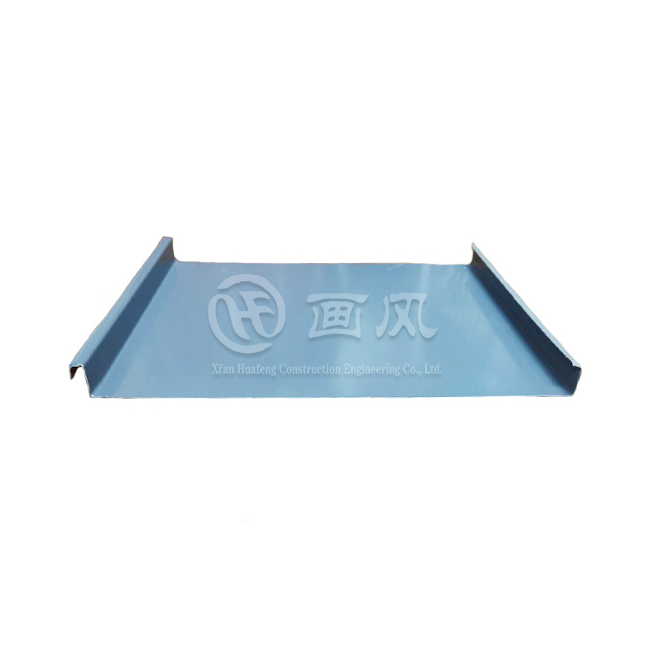
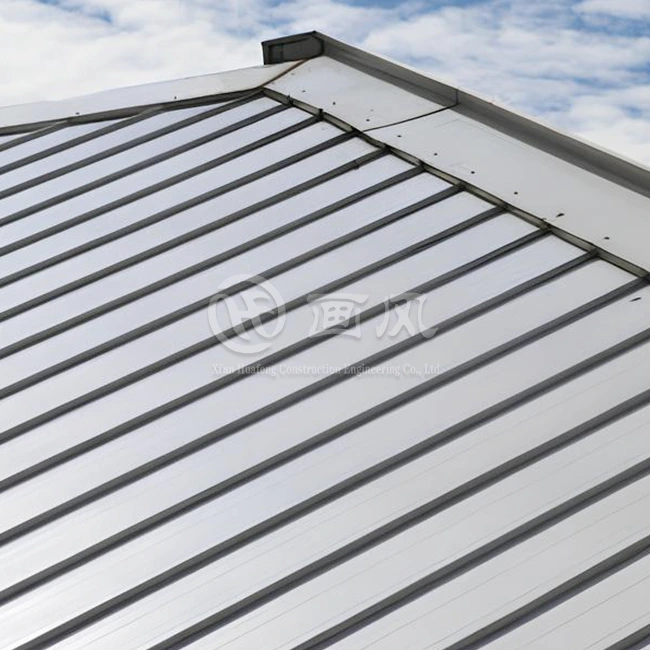
Through a 360-degree mechanical fold, a double lock seam roof panel connects two panels that are next to each other. This double fold makes a continuous, watertight seam along the length of the panel, unlike snap-lock or single-lock profiles. Butyl sealer that is sprayed at the factory inside the female leg stops capillary water from getting in, even on roofs with pitches as low as 1.5 degrees. A lot of places that need to keep the weather out, like airports, stadiums, convention centers, and high-end storefronts, use this system.
Available Materials and Thickness Ranges
The aluminum alloy (AA3003/AA3004), coated steel, and stainless steel that HF makes are all used to make double lock seam panels. The thickness runs from 0.6mm to 1.2mm, which makes it suitable for both lightweight exterior cladding and solid roof decking. Galvanized steel is better for industrial and warehouse settings where load capacity is more important than weight, while aluminum panels work best in coastal or high-humidity areas where corrosion is likely to happen. All of the materials have a Class A rating for not catching fire, which was confirmed by SGS testing under AS/NZS 1530.3:1999.
Key Performance Advantages
The hidden slide clip system inside each seam lets the temperature change without buckles or fasteners backing out, which is a typical way for screw-down profiles to fail. Here are the main things about this system's results that make it stand out:
- Wind uplift resistance: Rib heights from 25mm to 65mm channel water away effectively and resist negative pressure suction in hurricane-rated zones.
- Thermal flexibility: Clips slide freely during temperature swings, preventing oil-canning and coating stress fractures across panel lengths up to 12 meters.
- PVDF coating durability: All panels are available with PVDF (Kynar 500) or PE surface treatment, tested to AAMA 2605-22 standards — all 13 coating performance tests passed, including 5B dry adhesion and zero cracking at 0T flexibility.
Because of these features, the double lock seam roof panel system is a good choice for long-span commercial roofs where it's hard to get to the roof to be replaced and lifecycle cost is important.
Comparing Double Lock Seam Roof Panels with Other Roofing Options
Double Lock vs. Snap-Lock Systems
Snap-lock profiles clip together instead of mechanically seaming, which makes installation easier but limits how well they work on low-slope roofs. For snap-lock systems, the slope needs to be at least 3:12, but a double lock seam panel can be used safely at 1:50. Snap-lock systems are more likely to leak over time on commercial projects in areas with a lot of rain or flat roofs. The double lock seam also has better wind uplift ratings, which is why it's the best choice for commercial buildings near the coast or at high elevations.
Double Lock vs. Exposed Fastener and Corrugated Metal Roofs
Roofs with exposed fasteners use screws that are put right through the panel face. Thermal pedaling wears these fasteners down over time, causing them to loosen or back out. This makes leak places. Corrugated metal roofs are also vulnerable, and they are usually only used in industry or farming settings. Neither method is good for business facades that are designed by architects and need to look good, stay the same color, and be waterproof for a long time. All fasteners are hidden by a double lock seam, which keeps the panel's good looks and structural integrity over time.
Double Lock vs. Traditional Standing Seam
A single 90-degree fold is used in standard standing seam profiles. This is good for weather protection but doesn't offer as much safety as a full 360-degree double lock. The extra fold and built-in sealant in the double lock system make it much better at what it does in places where there is a risk of standing water or extreme freeze-thaw cycles. For projects where architects say the facade should last 50 years, the double lock seam specification is usually the better one to stick to.
Procurement and Buying Considerations for Commercial Projects
Specification Alignment and Project Fit
Before making an order, procurement teams of double lock seam roof panel should make sure that the panel specifications fit the structural needs of the building and the weather in the area. HF provides standard configurations with seam heights of 25 mm, 32 mm, 45 mm, and 65 mm; panel widths that cover 330 mm, 400 mm, 410 mm, and 430 mm; and custom lengths up to 12 meters. This range includes flat airport roofs as well as steep commercial fronts. Getting the rib height right for the wind load estimates is a step that has a big impact on the long-term performance.
Pricing, MOQ, and Lead Time
In commercial projects, quantities change a lot from one phase to the next. This can be a problem for suppliers who set high minimum order quantities. HF allows project-level flexible production, which means that orders can be made in any size to fit real installation plans instead of warehouse stocking needs. Most of the time, it takes 15 to 20 days to get an order. You can get PVDF and PE surface treatments in all RAL and Pantone color standards. The color tolerance is very tight to keep batch differences from showing up on big facade surfaces, which is something builders often worry about.
Warranty, Compliance, and Documentation
The service warranty for HF panels lasts for 30 years. Compliance paperwork is just as important as the product itself for business projects in Europe and North America. HF has SGS-certified test reports on how well its coatings burn (AAMA 2605-22), how well it meets EU RoHS hazardous substance compliance (Directive 2011/65/EU), and how well it meets AS/NZS 1530.3:1999. You can use these papers to submit your idea and apply for a building permit. For project-specific orders, it is common to sign an NDA for custom tooling and drawing packages.
Installation, Maintenance, and Longevity
Substrate Preparation and Clip Installation
The most important thing to do before installation is to make sure the substrate is flat. Purlin or deck irregularities will show up as oil-canning on the finished surface of double lock seam systems. To keep thermal movement free, concealed clips should be put in place at planned intervals, which are usually every 600mm to 1,000mm depending on wind load calculations in the area. The fasteners should be torqued to the manufacturer's specifications.
Seaming and On-Site Quality Checks
A motorized seamer goes along each joint to finish the 360-degree fold after the panels are snapped into place. An inspection after sewing should show that the full fold is complete and that the coating surface does not have any micro-cracks. Before the mechanical seamer goes through, the factory-applied sealant should be checked to make sure it stays in place inside the seam. Before full production seaming starts on big commercial projects, a sample seam section is often tested.
Maintenance and Service Life
Visual checks once a year, cleaning out panel lines of garbage, and checking the torque of clip fasteners at border zones are all part of routine maintenance. PVDF-coated panels don't need to be re-coated for decades because they don't break down in UV light, acid rain, or industrial pollutants. The 30-year warranty from HF covers both flaws in the material and a coating's loss of performance. This gives procurement teams documented risk coverage for the whole project lifecycle.
Choosing the Best Double Lock Seam Roof Panel for Your Commercial Building
Matching Panel Specs to Project Conditions
For double lock seam roof panel projects, the 65-400/430 profile has the highest rib height and best wind protection for large-span roofs on airports or convention centers. The 25-330/400/430 profile has a lower, cleaner profile with the same weather-tight seam geometry. It is used for commercial walls or hotel exteriors where looks are important. The thermal sliding clip method is helpful for projects in very cold places because it keeps panels from getting stressed during long temperature changes from winter to summer.
Sustainability and Solar Integration
In order to maintain the waterproofing warranty, double lock seam panels allow for direct clamp-on solar mounting without the need for roof penetration. Because of this, they can be used as a base for business roofs with built-in photovoltaic panels, which are becoming more and more necessary for green building approvals. When an aluminum panel's useful life is over, it can be recycled in its entirety. This helps LEED or BREEAM-rated projects meet their circular material goals.
Why Commercial Projects Choose This System?
When architects need a facade or roof that will work reliably for decades without any signs of maintenance, they choose double lock seam systems. Documented compliance credentials, flexible order sizes, and short lead times are all things that procurement managers value. All of these things explain why the system shows up the same way in airports, transportation hubs, hotels, and office buildings in North America and Europe.
Conclusion
A double lock seam roof panel keeps out the weather, gives you design options, and has the proof of compliance that commercial projects need. The system can handle a lot of different project situations because the material thicknesses range from 0.6mm to 1.2mm, the seam heights range from 25mm to 65mm, the surface can be PVDF or PE, all RAL and Pantone colors are available, and the warranty lasts for 30 years. With 15–20 day lead times and full SGS-certified documentation, HF supports project-level production. This makes the buying process easy for both facade subcontractors and architect-specified projects.
FAQ
1. What is the minimum slope for a double lock seam roof panel?
Because these panels can be folded in 360 degrees and have a butyl sealer built in, they can be easily put up on slopes as low as 1.5 degrees, which is about 1:50. In contrast, snap-lock methods usually need a minimum slope of 3:12.
2. Can custom lengths and colors be ordered for commercial projects?
Yes, HF can make panels in any length you need up to 12 meters long, and they have all RAL and Pantone colors available. Color tolerance is strictly controlled between production runs so that big facades don't show differences that can be seen.
3. How does the concealed clip system handle thermal expansion?
Slide clips attach to the seam but don't attach to the solid base. This lets the panels move around freely when the temperature changes, without putting stress on the fasteners or warping the surface.
4. What compliance documents are available for European projects?
The test reports that HF gives are SGS-certified and cover combustion performance according to AS/NZS 1530.3:1999, compliance with the EU RoHS Directive 2011/65/EU, and coating performance according to AAMA 2605-22. For custom tooling and drawing packages, NDA agreements can be made.
5. What is the standard delivery time?
Standard lead time for double lock seam panels is 15 to 20 days from the time an order is confirmed. This allows busy project schedules to be met without having to store a lot of panels ahead of time.
Get a Direct Quote from HF — Your Double Lock Seam Roof Panel Manufacturer
HF offers double lock seam roof panels that are custom made for each job. These panels come with a 30-year warranty, SGS-certified compliance paperwork, and 15–20 day wait times. Our team can help you with drawing coordination, sample production, and flexible order size, whether you're looking for materials for a single business facade or a multi-phase infrastructure project. You can email us at huafeng@hfmetalroof.com to talk about your project needs to see our full product list.
References
1. AAMA 2605-22: Voluntary Specification, Performance Requirements and Test Procedures for Superior Performing Organic Coatings on Aluminum Extrusions and Panels — American Architectural Manufacturers Association, 2022.
2. ASTM E1592: Standard Test Method for Structural Performance of Sheet Metal Roof and Siding Systems by Uniform Static Air Pressure Difference — ASTM International, 2021.
3. Metal Architecture Magazine: Standing Seam and Mechanical Seam Roofing Systems Performance Review — Metal Construction News, 2023.
4. EU RoHS Directive 2011/65/EU as amended by (EU) 2015/863: Restriction of Hazardous Substances in Electrical and Electronic Equipment — Official Journal of the European Union, 2015.
5. SMACNA Architectural Sheet Metal Manual, 7th Edition — Sheet Metal and Air Conditioning Contractors' National Association, 2012.
6. Building Envelope Technology Symposium Proceedings: Thermal Movement in Metal Roof Systems — RCI Foundation, 2022.





YOU MAY LIKE