Inside Lock Metal Wall Panels SGS Certification: Quality Assurance
2026-11-05 11:00:04
Certification is the cornerstone of every procurement choice when ordering metal cladding for a business facade project. Three separate SGS tests covering fire resistance, environmental compliance, and PVDF coating performance have been passed by HF's inner lock metal wall panels. These inside lock metal wall panels, which have substrates made of SGCC galvanized steel or AA3003/AA3004/AA5005 aluminum alloy, panel widths ranging from 300 to 600 mm, panel thicknesses ranging from 0.6 to 1.5 mm, and a 30-year guarantee, provide facade subcontractors and specifying architects with written evidence of performance prior to a single panel being shipped.

Understanding Inside Lock Metal Wall Panels and SGS Certification
What Are Inside Lock Metal Wall Panels?
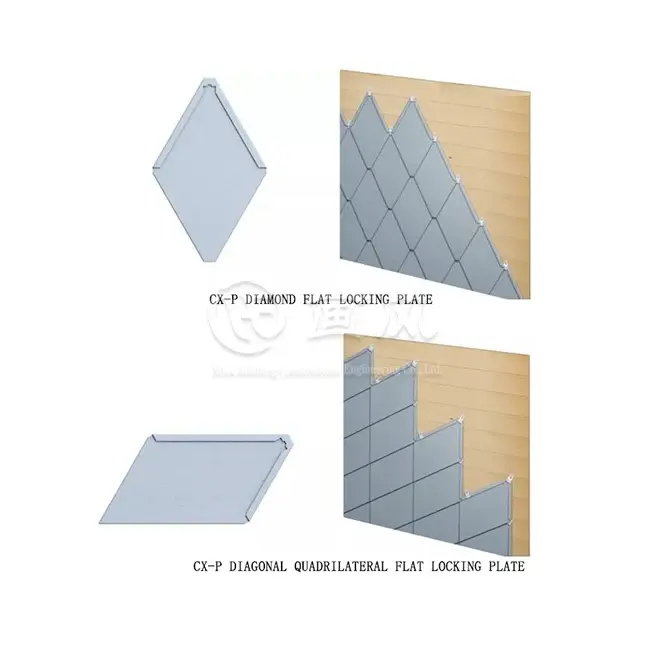
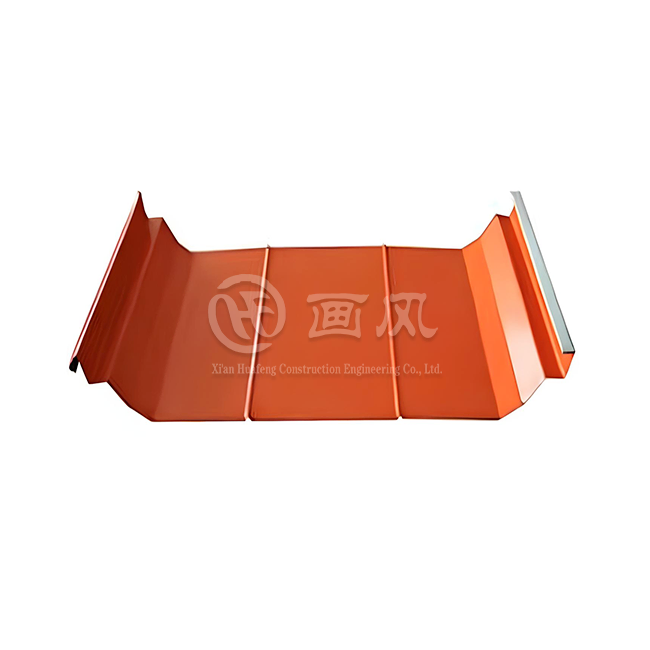
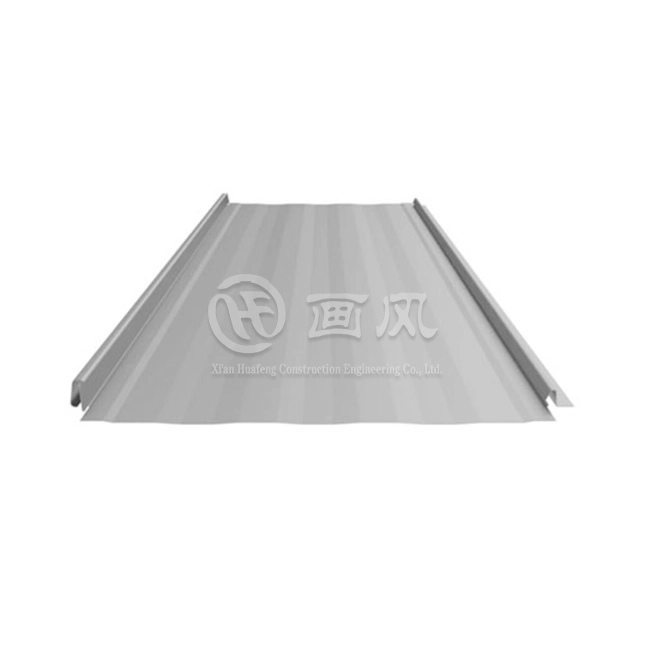
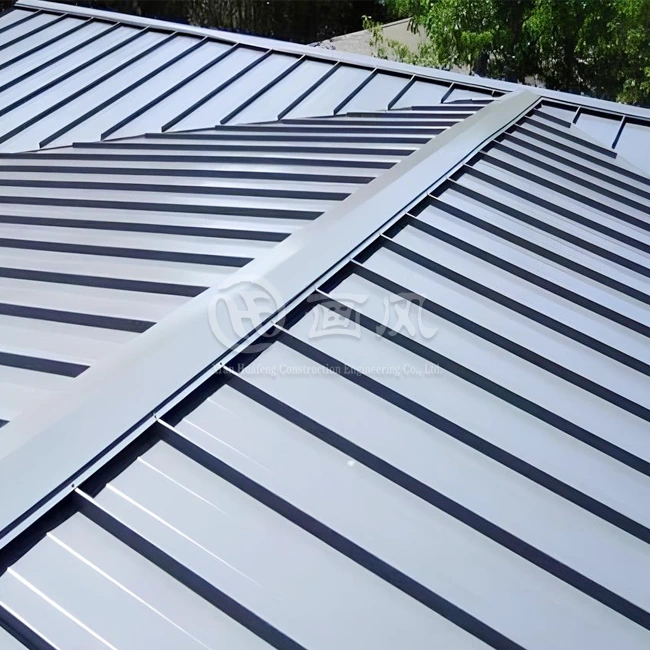
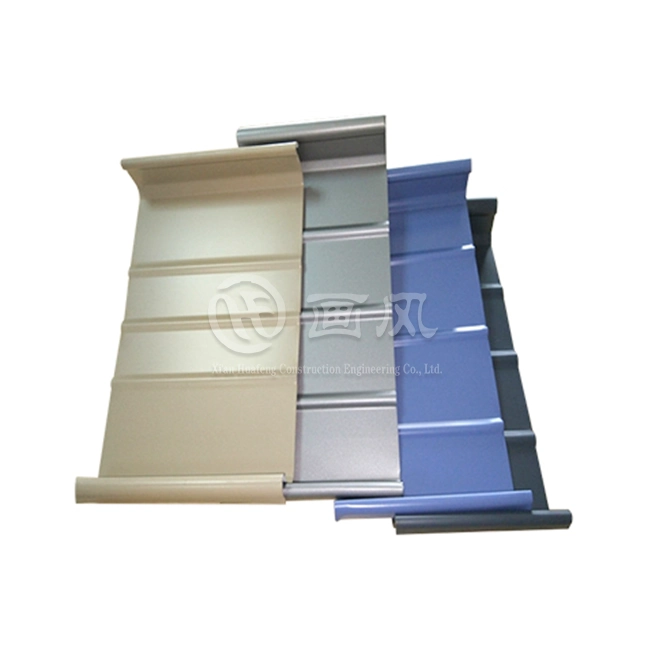
Architectural cladding components known as inside lock metal wall panels are constructed with a covert technique for fastening them. You don't have to worry about screw heads rusting over time since the tongue-and-groove or hook-and-lock junction conceals all structural fasteners. In commercial centers, hotels, and transit hubs, architects want a smooth, shadow-lined front. The system's slotted fastening flanges allow it to adjust to temperature fluctuations without buckling or fastener fatigue, which often occurs with through-screwed solutions.
What SGS Certification Actually Covers?
One of the most renowned independent testing firms in the world is Société Générale de Surveillance (SGS). Based on established standards, SGS conducts structured laboratory testing on inner lock metal wall panels. These standards include AAMA 2605-22 for coating durability, EU RoHS Directive 2011/65/EU for hazardous compounds, and AS/NZS 1530.3 for fire behavior. SGS's global database has a unique reference number for each report. This monitoring allows procurement managers to replace vendors' assertions with third-party verification.
Why Certification Matters to B2B Buyers?
Facade subcontractors must adhere to stringent code regulations while working on projects in North America or Europe. SGS-certified documentation expedites technical due diligence, aids with EN standard compliance checks, and provides project managers with a paper trail they may use as evidence. Approved test evidence, not marketing jargon, fills in the spaces when a builder requests a material that will endure for fifty years.
HF's aluminum alloy panels (Grade 3003H24, 1.3 mm, PVDF-coated) were tested at the SGS Anji Branch in accordance with AS/NZS 1530.3:1999 (Report No. AJFS2409010415FF_CN, September 26, 2024). None of the six test samples caught fire. None of the combustion indices had a score greater than 0. The heat release index was zero, the ignition index was zero, the flame spread index was zero, and the smoke development index ranged from zero to one. There was just superficial darkening. This performance is consistent with a Class A non-combustible material designation according to GB8624.
Key Performance Dimensions Verified by SGS
Fire Resistance: SGS Test Data
HF's aluminum alloy inside lock metal wall panels (Grade 3003H24, 1.3 mm, PVDF-coated) were tested under AS/NZS 1530.3:1999 at SGS Anji Branch (Report No. AJFS2409010415FF_CN, September 26, 2024). All six test samples remained unignited. Every combustion index scored at the lowest possible level: ignition index 0, flame spread index 0, heat release index 0, and smoke development index between 0 and 1. Only surface discoloration appeared. This performance is consistent with a Class A non-combustible material classification under GB8624.
Environmental Compliance: EU RoHS Results
The 5052H26 alloy panels (0.72 mm, polyester-coated) were tested by SGS Qingdao Branch (Report No. TAOPC24008450103, November 7, 2024) against EU RoHS Directive 2011/65/EU as amended by (EU) 2015/863. All ten regulated substances—including lead, mercury, cadmium, hexavalent chromium, and four phthalate compounds—were either undetected or recorded below directive limits. Lead measured 10 mg/kg against a 1,000 mg/kg limit; all others returned not-detected (ND). This makes the panels specifiable for EU green building projects with full regulatory confidence.
Coating Durability: AAMA 2605-22 Full Pass
Over the course of a facade's service life, coating lifetime is the most obvious quality indication. In AAMA 2605-22 testing at SGS Guangzhou Branch, HF's PVDF-coated panels (Grade 3003H24, 3.0 mm) cleared all 13 items (Report No. GZMR241003197201_CN, November 19, 2024). Important findings include 100% resistance to hydrochloric acid, mortar, detergent, and nitric acid, color homogeneity at ΔEH = 0.3, dry and wet adhesion graded 5B, and coating flexibility at 0T without breaking. These figures demonstrate that even after decades of chemical interaction and UV exposure, the PVDF coating will maintain its color and adherence.
Installation, Maintenance, and Longevity Considerations
Installation Best Practices
Only when an interior lock panel system is fitted properly will it function as tested. First, a light steel keel must be installed to provide a level, stable platform. All the repairs are then concealed by the internal snap- or plug-in structure, but the lock placement has to be precise since misaligned joints lead to tension accumulation. In order for heat to flow between the service temperature range of -50°C and +80°C, expansion gaps should be present at the ends and transitions of panels. Because they don't produce burrs that may harm the finishing edge, CNC bending tools are ideal for field cuts.
Maintenance Protocols That Preserve Warranty Coverage
The service warranty for HF inside lock metal wall panels lasts for 30 years. To keep the guarantee valid, the lock joints must be checked for debris buildup and cleaned gently with non-abrasive soaps. This is in line with the panel's recorded detergent protection under AAMA 2605-22. Anodized finishes look better after being rinsed once a year to get rid of particles in the air. All internal fasteners mean that there are no exposed screw heads to check for washer wear. This makes routine maintenance much faster than with exposed-fastener systems.
Real-World Application Context
Curtain wall projects have used HF panels to cover the inside of hospitals, hotels, airports, office buildings, and train stops. Because it is made of lightweight metal, it can be directly cladded over existing walls in renovation projects. This saves time and money on work. CNC processing lets you get custom lengths up to 12 meters and curved curves for buildings with unique shapes. These results from applications show that the panels can be used for both new building and retrofitting.
Comparing Inside Lock Metal Wall Panels with Other Solutions
Inside Lock vs. Snap Lock and Standing Seam
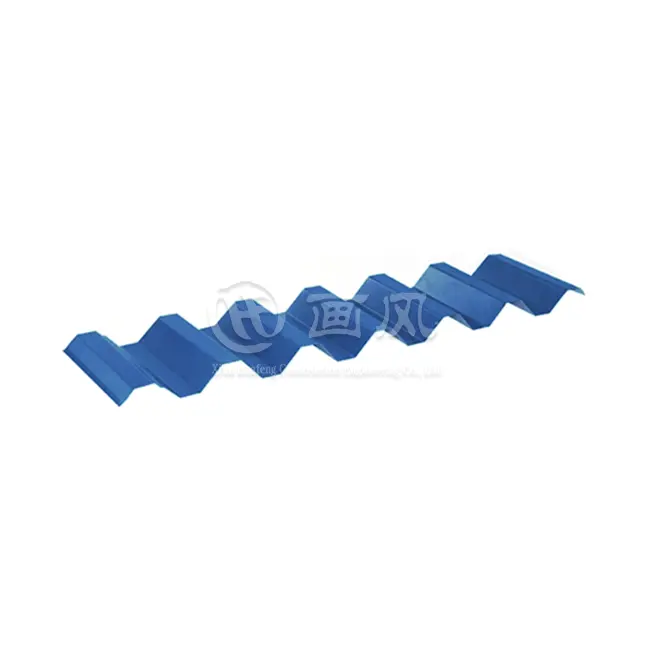
Snap lock systems can be put together quickly on-site, but they don't allow for thermal float because the snap engagement is often rigid, which means that panels can warp in hot climates. The vertical ribs of standing seam systems make it hard to change the way the front of a building looks. Inside lock metal panels are in a unique position: the hidden clip or built-in flange gives real thermal float through slotted contact while giving the modern facades the flush, shadow-line look that builders are looking for. In high-end commercial work, specification preference is based on this mix.
Inside Lock vs. Concealed Fastener Panels
The fixings on concealed fastener panels are also hidden, but the clip systems are usually mounted on a separate rail instead of being built into the panel profile. This adds installation levels and places where things might not line up right. Inside lock panels have an integrated locking geometry that lowers the number of parts needed per square meter, improves installation tolerances, and makes the joint more weather-resistant. This is especially important in coastal and high-humidity areas where the long-term performance of the building envelope depends on the integrity of the joint.
HF Product Specifications at a Glance
Here is a short list of the most important product specs that purchasing teams need at the specification stage:
- Width: 300–600 mm standard; custom widths available
- Thickness: 0.6–1.5 mm; customizable per structural requirement
- Finishes: PE, HDP, PVDF coating
- Standards: ASTM, DIN, JIS, BS, GB/T
- MOQ: 500 m²
- Supply capacity: 1,000 ton/month across 3 factories and 7 production lines
- Delivery: 15–20 days
- Warranty: 30 years
- Custom services: Color, pattern, and design customization available
Based on these factors, HF is a supplier that can handle both small-scale project requirements and large-scale facade contracts with consistent quality.
Procurement Insights: How to Select and Order SGS-Certified Panels?
Verifying Certification Authenticity
Each SGS report is given a unique report number and an SGS work reference number. Buyers need to validate these numbers on the SGS verification site before to placing a purchase order. The three certifications of HF AJFS2409010415FF_CN, TAOPC24008450103 and GZMR241003197201_CN are traceable separately. Most projects requiring assessment by an architect or building authority would want the whole certificate documentation, not just brief snippets. It’s basic due diligence.
Evaluating Supplier Capability for Custom Projects
But beyond certification, façade subcontractors require suppliers to provide project-specific panel sizes, to match color across numerous manufacturing runs and to offer shop drawing assistance. HF has three plants with over 40 pieces of manufacturing equipment, and is the first level curtain wall qualification in China and ISO9001 and ISO14001 quality management system certified. Procurement factors to address directly with the supplier team include sampling turnaround and NDA coverage for proprietary profiles.
Order Workflow and Lead Times
Normal lead time 15-20 days after purchase confirmation. HF’s monthly capacity of 1,000 tons allows us to meet the 500 m² MOQ for smaller project scopes as well as large-scale orders without any delay to delivery timetables. As part of the quality pre-shipment package, procurement managers should review color batch paperwork and surface inspection reports.
Conclusion
When a product gets SGS certification, its claims are turned into technical evidence that can be checked. HF's inside lock metal wall panels with hidden fasteners have been tested and found to be fire resistant, compliant with EU RoHS regulations, and performing well in AAMA 2605-22 coating tests. These are three areas that directly meet the needs of facade suppliers and architects who request them. HF's panels are made for projects where the performance of the wall can't be compromised. They come with a 30-year guarantee, meet multiple standards (ASTM, DIN, JIS, BS, and GB/T), and can be produced in a variety of ways. Get in touch with HF to get full certification papers and price that is tailored to your project.
FAQ
1. What does SGS certification guarantee for metal wall panels?
SGS certification confirms that a product passed specific laboratory tests under published international standards. For HF panels, this covers fire behavior (AS/NZS 1530.3), hazardous substance limits (EU RoHS), and coating performance (AAMA 2605-22). It does not replace project-specific engineering calculations but provides third-party evidence that the material performs as specified under controlled conditions.
2. How do I verify that HF's SGS reports are authentic?
Each report carries a unique SGS reference number. You can contact SGS directly or use their online verification tools with the report number to confirm authenticity. HF's reports are: AJFS2409010415FF_CN (fire), TAOPC24008450103 (RoHS), and GZMR241003197201_CN (coating).
3. What is the minimum order quantity, and can HF match small project volumes?
The MOQ is 500 m², which accommodates most mid-scale commercial facade scopes. For projects requiring smaller trial quantities or initial samples, contact HF directly to discuss sampling arrangements.
4. Does PVDF coating outperform PE or HDP for long-term facades?
Yes. PVDF (Kynar-based) coatings contain at least 70% resin content and deliver superior UV resistance and color retention over 20–30 years. PE and HDP finishes are cost-effective for lower-exposure applications. HF offers all three, so the selection depends on project specification and budget.
5. Can HF provide NDA coverage for custom profiles and shop drawings?
Yes. For projects requiring proprietary mold geometry or unique panel profiles, HF accommodates non-disclosure agreements as part of the design development process. Discuss specifics with the project team before submitting drawings.
Get SGS-Certified Inside Lock Metal Wall Panels from HF
HF provides architect-specified metal covering that has been thoroughly tested and has been certified by SGS in terms of its fire, environmental, and coating performance. Inside lock metal wall panels from HF are trusted by facade suppliers across North America and Europe. They can be made in any quantity starting at 500 m², have wait times of 15–20 days, and can be fully customized in color and profile. Today, email huafeng@hfmetalroof.com with the details of your project to ask for a sample.
References
1. SGS Group. SGS Testing, Inspection and Certification Services Annual Report. SGS, 2023.
2. American Architectural Manufacturers Association. AAMA 2605-22: Voluntary Specification, Performance Requirements and Test Procedures for Superior Performing Organic Coatings on Aluminum Extrusions and Panels. AAMA, 2022.
3. European Parliament and Council. EU RoHS Directive 2011/65/EU as Amended by (EU) 2015/863. Official Journal of the European Union, 2015.
4. Standards Australia / Standards New Zealand. AS/NZS 1530.3:1999 — Methods for Fire Tests on Building Materials, Components and Structures: Simultaneous Determination of Ignitability, Flame Propagation, Heat Release and Smoke Release. Standards Australia, 1999.
5. ASTM International. ASTM D3359-23: Standard Test Methods by Tape Test for Adhesion of Coatings on Flexible Substrates. ASTM International, 2023.
6. Addington, M., & Schodek, D. Smart Materials and New Technologies for the Architecture and Design Professions. Architectural Press, 2005.





YOU MAY LIKE