Flat Lock Panels Composition: Metals, Clips, and Seams
2026-11-04 18:26:29
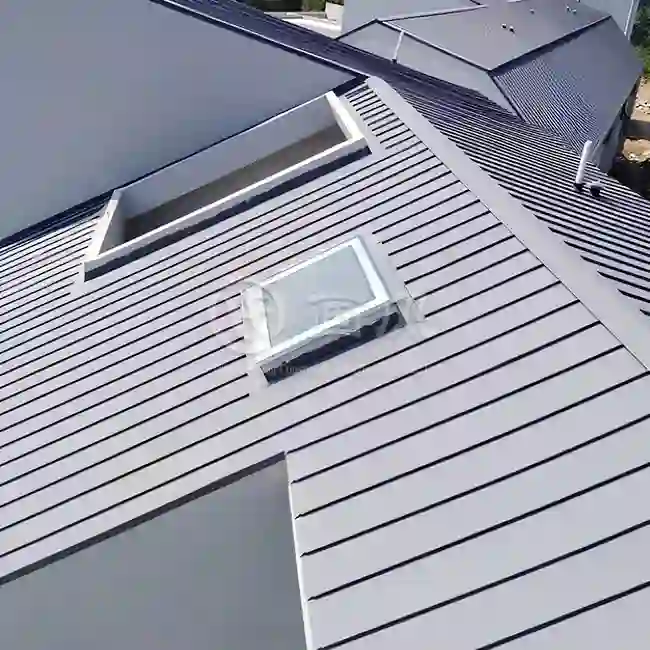
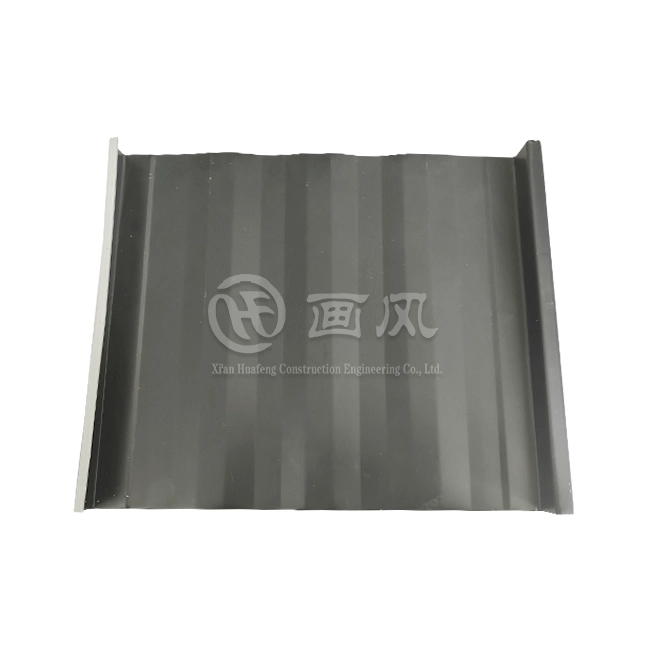
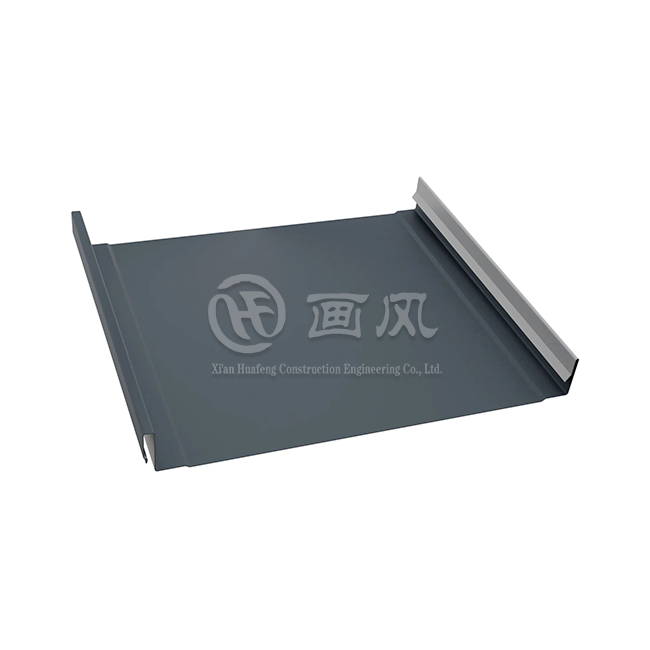
Flat lock panels are individual metal tiles—typically rectangular, rhombus, trapezoid, or hexagonal—joined through a four-sided interlocking hem system that creates a flush, low-profile facade. Unlike standing seam profiles that project outward, these panels sit nearly flat against the substrate, producing a clean, monolithic wall surface. The three components that determine system performance are the base metal, the concealed clip, and the folded seam. Each element carries specific structural and aesthetic responsibilities, and understanding how they interact is the foundation of any sound procurement decision for high-end facade projects.

Understanding Flat Lock Panels: Core Components and Their Roles
The Metal Substrate: Material Options and Trade-offs
Most of the time, the base metal tells you how well something will last. Titanium zinc that meets EN 988 standards develops a protective patina over time, which helps protect the underlying metal from further atmospheric exposure and can support a service life of more than 50 years when properly specified and installed. TECU copper also develops a stable protective patina as it reacts with the atmosphere, while copper's natural surface chemistry helps limit microbial growth on the exposed surface. This metal, Al-Mg-Mn, is very strong for how light it is (about 5.8 kg/m³). This makes it great for tall walls that need to hold a lot of weight. Stainless steel is the most resistant to mechanical damage, and it works well in harsh industrial or coastal environments. From Huafeng, you can buy all four materials in thicknesses from 0.4 mm to 0.8 mm and sizes from 100 mm to 400 mm. You can change the sizes to fit your project.
Clip Systems: Hidden vs. Exposed Fastening
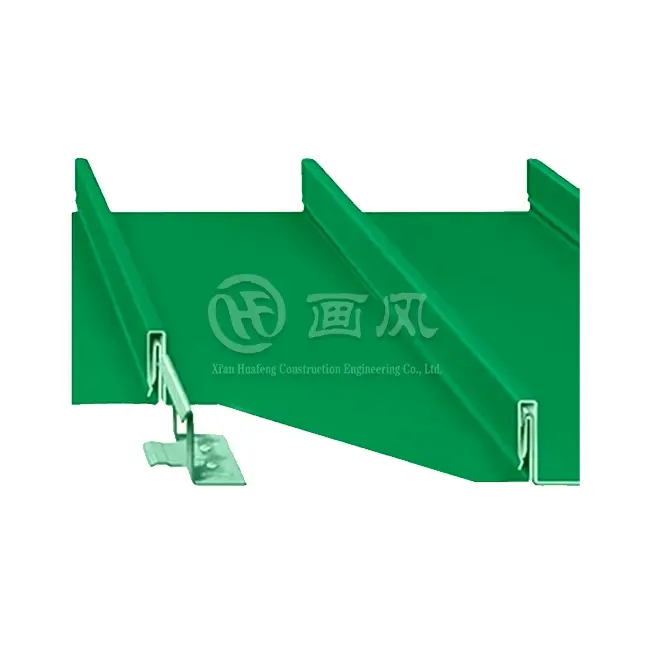
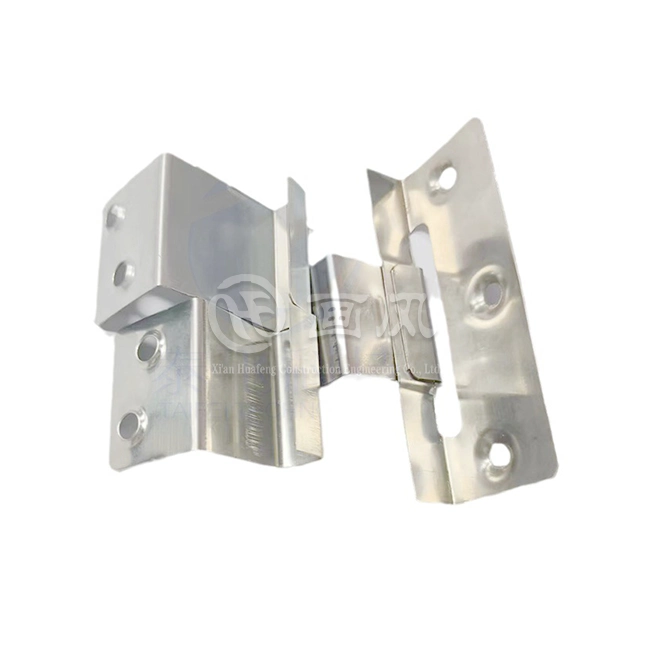
When an engineer plans a project, stainless steel clips that are hidden are often used so that the front of the building doesn't show any hardware. The flat lock panels can move a little on each clip while it is being heated and cooled. In hard-fixed systems, the bolts often break because they wear out. This keeps them from wearing out. When cost is more important than appearance, exposed fastener clips are sometimes used. However, they are prone to corrosion everyplace they touch. Hidden clips that slide must be used for zinc or copper work on the outside of a building. Because zinc expands about twice as much as steel when it gets hot, the clip must not stop movement but instead allow it.
Seam Geometry: Single Lock vs. Double Lock
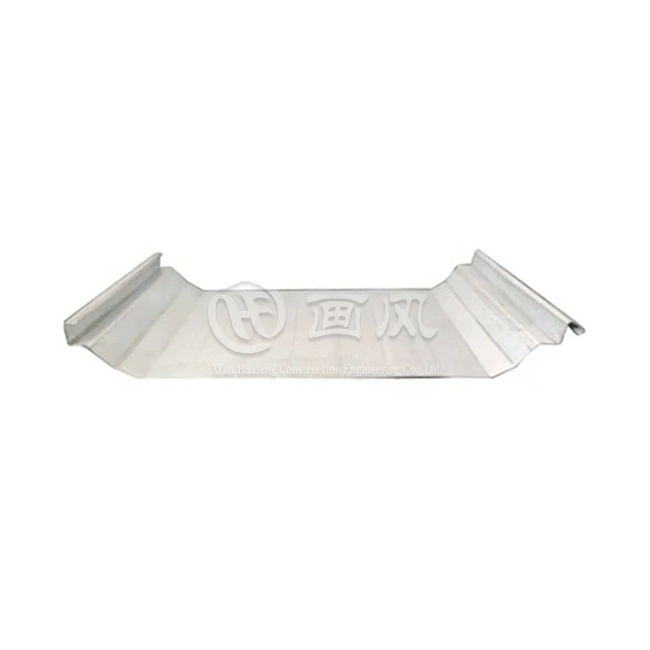
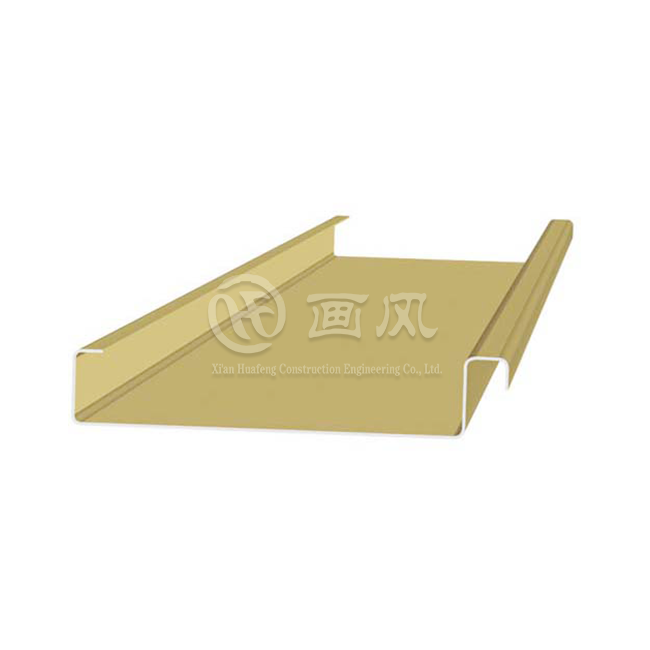
The hem at the edge of each panel controls the flow of water and holds the structure together. Because a single-lock seam folds the edge only once, it can be used on walls with a pitch of more than 14 degrees. When you fold a double-lock seam twice, you make a stronger mechanical connection. This keeps wind from lifting open-air building corners and parapets. Two edges are folded forward and two edges are folded backward on Huafeng panels' four-way hems before they are shipped. In this way, the installation crews can always engage the panels from the bottom up, without having to form the lock on the job site.
Technical Breakdown: Metals, Clips, and Seams Working Together
Standards Compliance and Material Certification
ISO 9001, ISO 14001, CE, and SGS have all given their approval to Huafeng. SGS tests showed that the PVDF-coated aluminum alloy passed all 13 tests required by AAMA 2605-22. It had a color consistency delta of ¥E = 0.3 and 5B sticking scores when it was dry and when it was wet. It was checked for EU RoHS and lead, mercury, cadmium, and hexavalent chromium were not found in the 5052H26 metal. This is important for projects that need to show proof that they follow environmental rules.
Thermal Performance and Fire Classification
Even though metals let heat pass through them, seam design can stop this. In the summer, the back-ventilated air gap in a rainscreen flat lock system keeps the outside of the building cooler by stopping thermal bridges. The AS/NZS 1530 test was done on all six samples of the 3003H24 alloy.There was no spark and no flame spread in 3:1999. They didn't catch fire. Even more UV damage can't hurt PVDF surface coatings, so colors stay the same even after being in the sun for a long time.
Geometric Flexibility and Substrate Requirements
Panels can fit around spherical domes, convex and concave radii, and hyperboloid surfaces thanks to the four-way connecting hem. This is better than fixed tray systems, which slice the panels in half. In order for panels to span like open-frame profiles can, they need a strong, continuous base. This can be made of metal decking or 5/8-inch plywood. The forms of the panels that Huafeng makes are square, rhombus, trapezoid, and hexagon. You can get these shapes in any RAL color or a finish that the project architect chooses.
Comparison with Other Metal Panel Systems
Flat Lock vs. Standing Seam
Stand-alone seam shapes are good for low-slope roofs because they stick out 25 mm to 65 mm above the base. Metal tiles for facades, on the other hand, cannot stick out more than 25 mm, which is what is needed for facades where wind loads act crosswise to the surface. When the shape is curved, standing seam needs special tapering at each panel. A flat lock tile, on the other hand, can handle curves with a lot less waste because its modules are smaller.
Flat Lock vs. Exposed Fastener and Corrugated Systems
It is less expensive to put exposed fastener panels and pierced sheets, but they need more maintenance every time a screw goes through them. Changing the sealant at about 2,000 fastener points costs more than the extra cost of a concealed-clip system at first. This is because it goes bad after 30 years. For long-term care, the hidden-clip method always works best on public facades of museums, government buildings, and transportation hubs.
ROI and Lifecycle Cost Perspective
With normal use, Huafeng's flat lock panels goods will last more than 70 years, and the company backs them up with a 30-year guarantee. A concealed-clip metal tile facade has a lower total cost of ownership than systems with shorter documented service lives. This is because inspections, sealant maintenance, and possible replacement cycles cost more with other systems.
Procurement Considerations: Sourcing and Customizing Flat Lock Panels
Customization Capabilities and Project-Level Flexibility
When architects describe a project, purchasing managers often discover that standard source MOQs don't match the exact amounts that a facade vendor needs for each elevation. Huafeng can handle orders for a lot of goods because their production runs are flexible. You can get widths and lengths that aren't standard, forms that aren't standard, and RAL colors that are made just for your project. As part of the business-to-business process, NDAs are often used to keep private information about molds and secret shapes safe.
Sampling, Lead Times, and Documentation
When you ask, Huafeng will send you free samples. Before placing an order, procurement teams need to show material mockups to the architect who is making the plans. This is an important first step. On average, it takes 15 to 20 days to ship after the order is approved. Each order comes with papers showing that it meets EN standards, the results of a fire test, and certifications for the coating. That way, project managers don't have to deal with as much paper when they give expert files to local building officials.
Quality Control and Factory Infrastructure
Huafeng has three plants in China. One covers 200,000 m² and makes raw materials. The other two are in Hangzhou and Xi'an and make finished goods. The business runs more than 40 forming machines, seven color-coating lines, and fully automatic punching lines. Shaanxi Province named Huafeng a high-tech company in 2020. They also have a first-level qualification in making curtain walls, which is the highest level of licensing for facade makers in China.
Installation and Maintenance: Ensuring Optimal Performance
Installation Sequence and Substrate Preparation
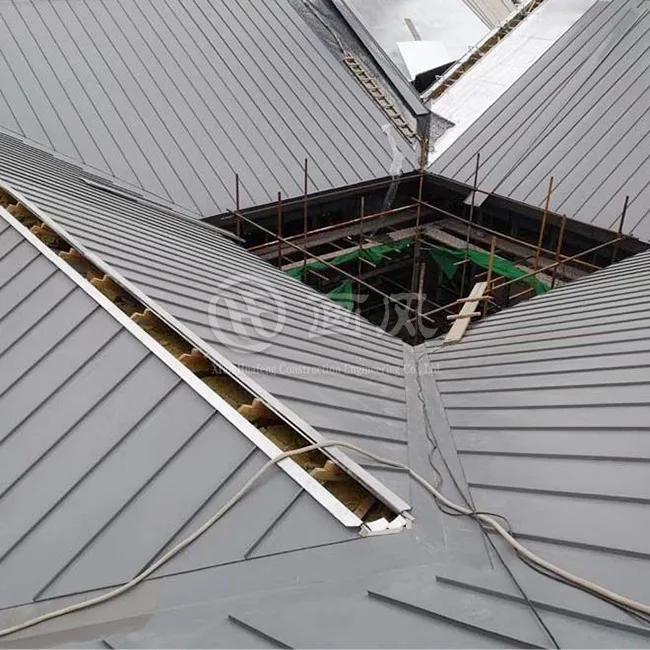
There must be a 6 mm gap between the base and the wall for 3 meters before the installation can begin. There is a flaw in the way things look called "oil canning" that happens when there is a difference bigger than this. Panels are put up from the bottom course up, making sure that the bottom edge of each row fits into the top edge of the row below it before they are clipped to the substrate.
Maintaining Clips, Seams, and Metal Surfaces
The yearly check is mostly about clip rust, hem separation at building corners, and the state of the coating on the outside. Flat lock panels made of zinc or copper don't need much care other than being washed every so often to get rid of dust and dirt that collects and speeds up rusting in one area. A detergent that doesn't change the pH level should be used to clean aluminum panels that have a PVDF coating. Regular window cleaners won't damage or remove the AAMA 2605-22-certified layer, and it will stay sticky even after being cleaned.
Warranty Coverage and Professional Installation
If you follow Huafeng's technical instructions and have a qualified professional install your facades, the company will guaranty them for 30 years. If the material is flawed or the coatings come off, the warranty will cover it. Installing it by a professional is not only required by the guarantee, but also for the construction. It is possible for the system's wind lifting resistance to drop below what was planned if the clip spacing is off or base contact points are missed.
Conclusion
If you want a metal wall tile system to work, you need three things: the right base metal for the area, a clip that can handle changes in temperature without breaking, and seams that always drain water at the right angle. Huafeng's flat lock panels are made of four main metals: titanium zinc, TECU copper, Al-Mg-Mn alloy, and stainless steel. They have been approved to meet guidelines for fire safety, weatherproofing, and the environment. It is possible to make a real difference in how quickly and well wall contracts set by architects are met by using performance data that is recorded, fluid customization, and responsive sampling.
FAQ
1. What minimum slope do flat lock panels require?
For applications where flat lock panels are used as a water-shedding roof surface, a minimum slope of 3:12, or about 14 degrees, is commonly specified. Because flat lock panels rely on slope to shed water rather than provide a fully watertight membrane, lower slopes require a properly designed and sealed underlayment or other secondary waterproofing system in accordance with the project design and manufacturer requirements.
2. How does the system manage thermal expansion?
Moving each panel away from the base is possible with moving clips that are covered. The hem interlock itself has some give to it as well. Because of this, panels don't break and bolts don't wear out when the weather changes.
3. Can individual panels be replaced after installation?
Of course, but the job should be done by a pros. A technician takes apart the hems around the replacement panel and uses a false-lock method to put it in place so that it looks like the original. This is done without taking the whole section apart.
4. Which material is best for coastal or high-humidity environments?
Corrosion is least likely to happen in tough sea environments where stainless steel is used. Titanium zinc with a quartz-gray finish that has been worn down is what beach walls in northern Europe are usually made of. You can buy both from Huafeng, along with all the certification papers you need.
5. What certifications does Huafeng provide with orders?
As part of every shipment, there are ISO 9001 and ISO 14001 certificates, CE paperwork, SGS test reports (AAMA 2605-22, AS/NZS 1530.3, EU RoHS), and records that show how the materials were used in the project.
Partner with HF for Your Next Facade Project
HF, which stands for Xi'an Huafeng Construction Engineering Co., Ltd., sells flat lock panels to wall suppliers and projects in North America and Europe that were planned by architects. For very precise wall work, buying teams trust Huafeng to make the flat lock panels they need. For free trials, shipping in 15–20 days, full EN and AAMA certification packages, and project-scale output that can be changed, they have it all. Email us at huafeng@hfmetalroof.com to get a price quote for a model or project.
References
1. Sheet Metal and Air Conditioning Contractors' National Association (SMACNA). Architectural Sheet Metal Manual, 7th Edition. 2012.
2. American Architectural Manufacturers Association (AAMA). AAMA 2605-22: Voluntary Specification, Performance Requirements and Test Procedures for Superior Performing Organic Coatings on Aluminum Extrusions and Panels. 2022.
3. ASTM International. ASTM E331: Standard Test Method for Water Penetration of Exterior Windows, Skylights, Doors, and Curtain Walls by Uniform Static Air Pressure Difference. 2021.
4. European Committee for Standardization. EN 988: Zinc and Zinc Alloys – Specification for Rolled Flat Products for Building. 1996.
5. Metal Construction Association (MCA). Metal Roof and Wall Systems: Design and Installation Guide. 2020.
6. Journal of Facade Engineering, Volume 9. Thermal and Structural Performance of Concealed-Clip Metal Cladding Systems in High-Rise Construction. 2023.





YOU MAY LIKE