How to Choose Flat Lock Seam Metal Wall Panels Supplier with Certification
2026-11-04 18:21:29
Choosing the right supplier for flat lock seam metal wall panels directly shapes whether your facade project meets architectural intent, regulatory approval, and long-term durability targets. A certified supplier signals that their products have passed independent third-party testing against recognized standards such as ASTM, EN, or AAMA — not just internal claims. For facade subcontractors and procurement managers handling architect-specified projects, that difference matters from day one. This guide walks you through the exact criteria to evaluate, the certifications to look for, and how to build a productive supplier relationship that protects your project timeline.

Understanding the Decision Scenario: Why Certification Matters
When looking for metal cladding panels for the outside of a high-end business or institution, it's important to make sure the specs are correct. Architects choose the materials. Leaders of projects keep track of lead times. Cost and safety risk are weighed by procurement managers. All three issues come together in certification.
Certification Reduces Procurement Risk
When they are delivered, panels that aren't certified may look exactly the same as certified ones, but they pose hidden risks. A product that doesn't have verified fire performance data or coating adhesion records can fail regulatory review in the middle of a project, which will cost money to redo. For example, independent panels that have been tested by SGS come with test reports that building officials can check directly.
Compliance Documentation Speeds Up Approvals
For projects that follow EN, ASTM, or DIN standards, procurement teams need proof in the form of paperwork before they can start installing. Without delay, certified sellers give us test results, material data sheets, and compliance declarations. This paperwork isn't just extra work for the government; it's what keeps your project on schedule when inspectors show up.
Warranty Terms Are Only As Strong As the Product Behind Them
A 30-year warranty from a supplier doesn't mean much without performance data to back it up. Certification links the warranty to test results that have been checked. For example, HF's aluminum panels have passed the AAMA 2605-22 coating performance standard across all 13 items tried, including 5B-rated adhesion in both dry and boiling water situations. This means that the guarantee is based on real, measurable proof.
Core Criteria to Evaluate When Selecting a Certified Supplier
Not every certified supplier is the right fit for your project. Beyond the presence of certification documents, several practical criteria determine whether a supplier can actually deliver on a complex facade order, especially when sourcing flat lock seam metal wall panels.
Material Grades and Shape Options
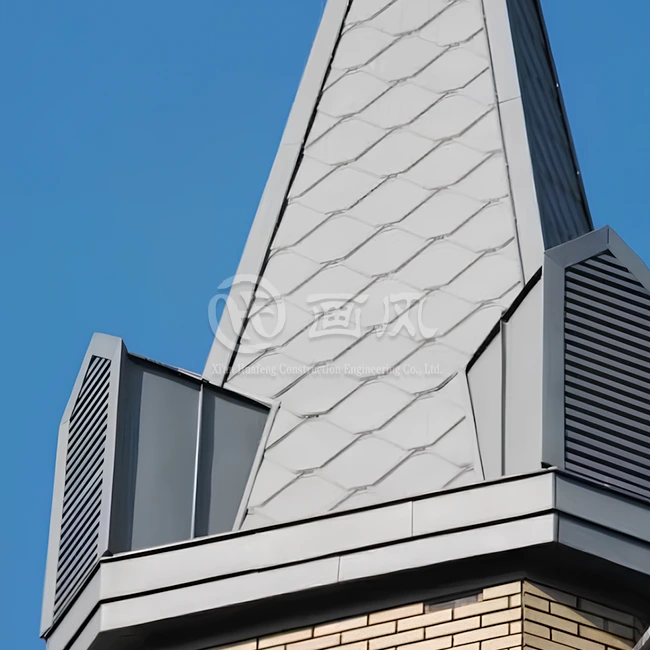
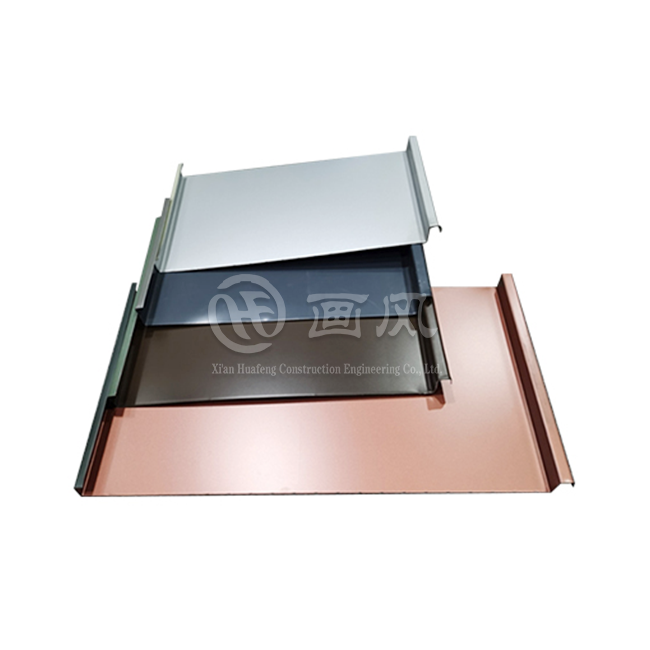
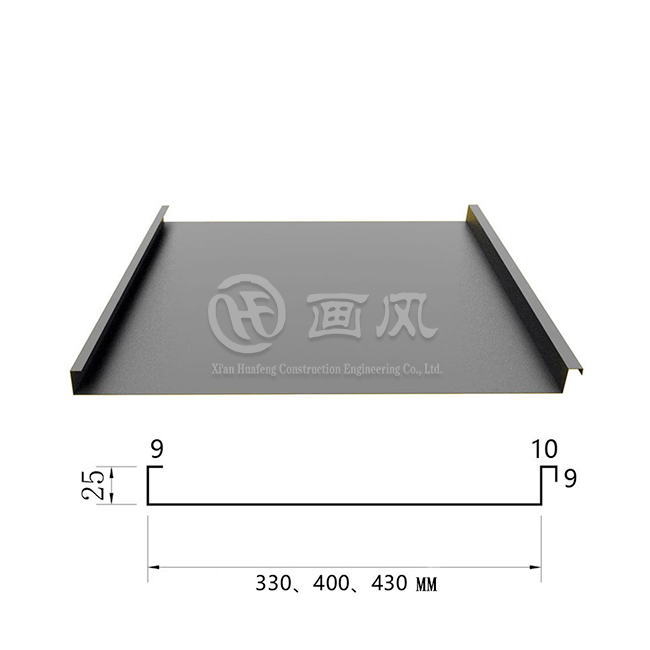
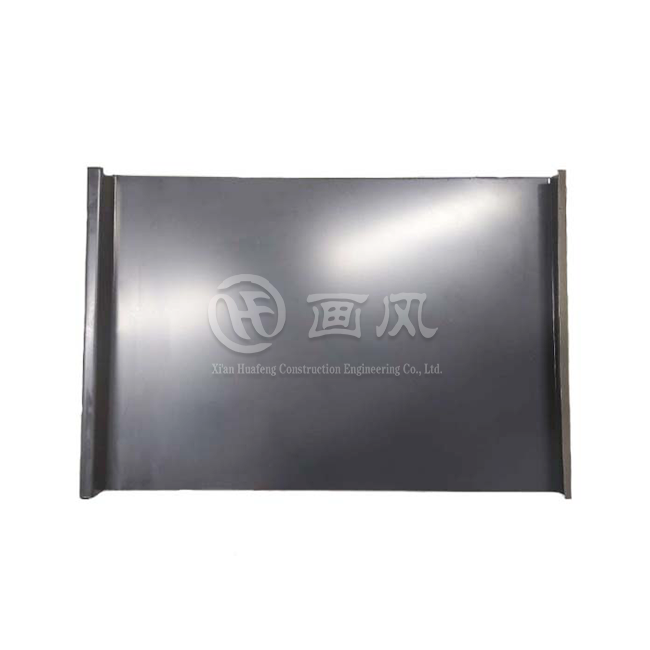
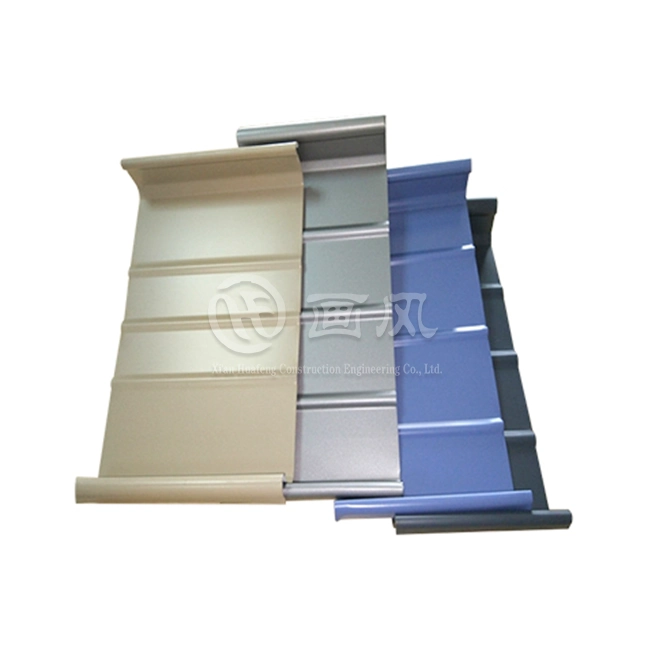
HF's flat lock wall panels are available in titanium zinc, copper, aluminum alloys (3003/3004/5052), and stainless steel (304/316). Panel shapes include rectangle, rhombus, trapezoid, and hexagon. Thickness ranges from 0.4mm to 1.0mm, and widths run from 300mm to 600mm, with custom sizing available. This range matters because architect-specified projects often require precise geometric and material matching that commodity suppliers cannot provide.
Production Capacity and Lead Time
For commercial-scale facade orders, a supplier needs the manufacturing infrastructure to deliver without gaps. HF operates 3 factories with 7 color coating production lines and over 40 processing machines, with a supply capacity of 1,000 tons per month. Standard delivery runs 15 to 21 days from order confirmation — a schedule that supports typical construction phasing without buffer stock problems.
Warranty and Surface Treatment Standards
Surface treatment quality directly determines facade longevity. HF's PVDF fluorocarbon coating passed AAMA 2605-22 with zero cracking at 0T flexibility and a color uniformity delta of ΔEH = 0.3 — well within architectural specification tolerance. The panels carry a 30-year service warranty. RAL standard colors and custom color matching are both supported, which matters when matching architect-approved palettes.
Comparing Certified Flat Lock Panels Against Alternatives
When looking at exterior panel systems, purchasing managers often compare flat lock seam metal wall panels to standing seam, snap lock, and corrugated metal choices. Each method is best for a different type of job and a different style.
Standing seam systems stick out from the base and work well for steep-slope roofs, but they leave shadow lines on the face that many builders try to avoid. Corrugated panels have strong industrial ties, and they don't usually have the consistent finish that is needed for high-end or institutional commercial projects. Snap lock systems are easier to install and take less time, but they aren't very flexible when it comes to shapes, so they're not good for facades that aren't straight lines.
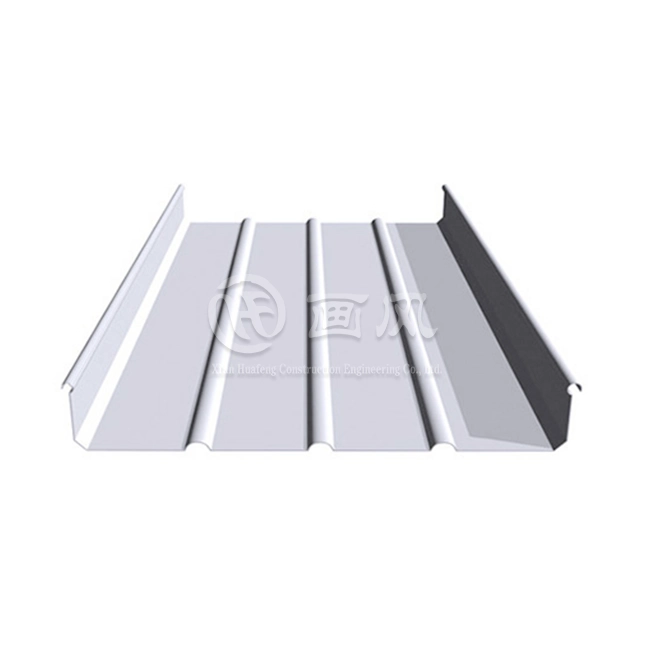
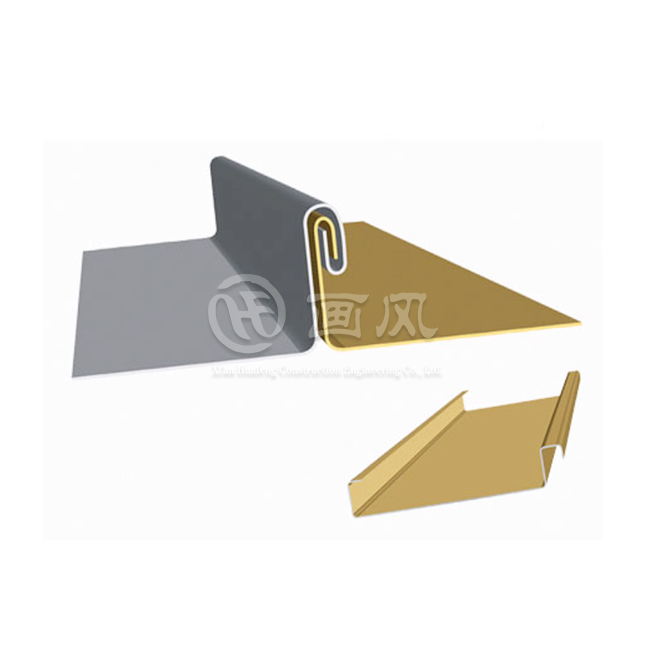
On the other hand, flat lock panel systems are flush with the substrate and can handle small module sizes that make it possible to shape them around corners and curves. The interlocking four-edge hem design gets rid of the most common place where metal facades need long-term maintenance: exposed fasteners. For jobs where the builder has asked for a flat, low-profile metal skin, like high-end commercial work in Europe, flat lock cladding always looks better and is easier to maintain than other options.
For HF panels, the MOQ starts at 500 m², which is about 3 tons. This is a good size for project orders rather than warehouse stocking needs. This makes it easier to buy things when the quantity of the orders doesn't meet the minimum requirements set by the supplier.
How to Verify Supplier Certification and Trustworthiness?
It's not the end when you have a certification document in your hands. Before choosing a seller, procurement managers should always use the same process for checking.
Cross-Check Test Reports Against Certification Body Records
Records from SGS, TÜV, and other similar third-party labs can be searched. For HF, three separate SGS test reports are available for materials made of aluminum alloy. The AS/NZS 1530.3:1999 combustion performance test (Report No. AJFS2409010415FF_CN) showed that none of the six samples ignited, spread, or gave off any heat. The EU RoHS hazardous substances report (Report No. TAOPC24008450103) showed that none of the 10 substances were found or were below the EU maximum values. These can be checked with the report number.
Request Samples Before Full Order Commitment
Production consistency is shown by a seller who is able to give physical samples with written surface specs, such as coat thickness, gloss reading, and substrate grade. This is very important for color-critical projects, because even small batch differences can change how big parts of the facade look.
Confirm NDA and Drawing Confidentiality Protocols
Intellectual property security is very important for architect-specified projects that use unique panel shape or custom mold work. Check to see if the supplier has a formal NDA process and clear rules for storing drawings and molds. This is normal due diligence for freelancers doing work on the facade that was outlined by the plan, particularly when the project involves custom flat lock seam metal wall panels.
Best Practices for Collaborating with Your Chosen Supplier
As soon as you choose a certified seller, how well the job goes will depend on how well you work together. A few practices always lead to better results.
Before sampling starts, you should give full technical drawings that show the substrate type, the clip spacing needs, and the panel orientation. This lets the supplier find problems with the way the goods are made before they become shipping issues. As part of the pre-production process, HF offers technical drawing review support. This cuts down on the number of times that complex panel geometries need to be changed.
Compare the progress made on goals to the planned release date. With a normal lead time of 15 to 21 days, any changes to the project's plan made after it has started production can cause delays. The best way to protect your installation schedule is to lock in specifications before production begins.
Conclusion
Picking a certified metal cladding supplier for facade work is an important choice that will affect how well the project is approved, how well the installation is done, and how well the facade works for many years to come. The right provider has certifications that have been checked by a third party, offers material and shape choices that meet builder requirements, and keeps up production to meet project deadlines. HF meets these requirements for testing materials, finishing performance, environmental compliance, and being able to adjust the size of an order, which is exactly what buyers of flat lock seam metal wall panels should look for. The practical steps that turn a good supplier choice into a successful project outcome are checking test reports, asking for pre-production samples, and setting clear drawing protocols.
FAQ
What certifications should a metal wall panel supplier hold for facade projects?
The most important certifications for facade work are AAMA 2605 for coating durability, fire performance reports tested to AS/NZS 1530.3 or EN 13501, and EU RoHS compliance for projects that need to follow European rules. ASTM E330 is also often needed to check how well a structure works when it's under wind pressure. Always ask for the original test results with lab reference numbers so that you can check with the testing body directly.
How do I confirm that a supplier's certification documents are authentic?
Ask for the full test report, not just a summary on the certificate. The report should include the name of the lab, the report number, and the date of the test. For example, each SGS report has a unique reference number that you can use to check with the SGS verification portal. For example, the report number can be used to find HF's three SGS aluminum alloy test reports (combustion, RoHS, and AAMA 2605-22 coating).
Can flat lock panels handle low minimum order quantities for project-specific work?
Yes, as long as the supplier supports project-scale MOQs. For example, HF's minimum order is 500 m², which is 3 tons, and it's enough for most commercial facade projects without having to buy extra stock.
How does PVDF coating compare to standard polyester coating in facade applications?
When it comes to UV protection and long-term color retention, PVDF fluorocarbon coatings are much better than polyester. This is why they are the standard for high-end wall work. All 13 AAMA 2605-22 performance tests that were done on HF's PVDF layer were passed. These included chemical protection and zero-T flexibility with no cracking.
Get a Project-Specific Quote from HF — Certified Flat Lock Seam Metal Wall Panels Supplier
HF sells flat lock seam metal wall panels that are designed by architects. These panels come with a 30-year service guarantee, verified SGS test certifications, and a 15-to-21-day wait time. HF helps facade subcontractors from the first sample to full delivery. It has 3 factories, 7 production lines, and project-scale MOQs that start at 500 m². To get a technical consultation and project quote, email huafeng@hfmetalroof.com and ask for the HF team.
References
1. American Architectural Manufacturers Association. AAMA 2605-22: Voluntary Specification, Performance Requirements and Test Procedures for Superior Performing Organic Coatings on Aluminum Extrusions and Panels. AAMA, 2022.
2. ASTM International. ASTM E330/E330M: Standard Test Method for Structural Performance of Exterior Windows, Doors, Skylights and Curtain Walls by Uniform Static Air Pressure Difference. ASTM International, 2014.
3. Sheet Metal and Air Conditioning Contractors' National Association. SMACNA Architectural Sheet Metal Manual. 7th ed., SMACNA, 2012.
4. Standards Australia / Standards New Zealand. AS/NZS 1530.3:1999: Methods for Fire Tests on Building Materials, Components and Structures — Simultaneous Determination of Ignitability, Flame Propagation, Heat Release and Smoke Release. SAI Global, 1999.
5. European Parliament and Council of the European Union. Directive 2011/65/EU on the Restriction of the Use of Certain Hazardous Substances in Electrical and Electronic Equipment (RoHS), as amended by Directive (EU) 2015/863. Official Journal of the European Union, 2015.
6. Construction Specifications Institute. MasterFormat Section 07 46 00: Siding. CSI, 2020.





YOU MAY LIKE