Why Flat Lock Seam Metal Is Ideal for Modern Facade Design
2026-11-04 18:21:25
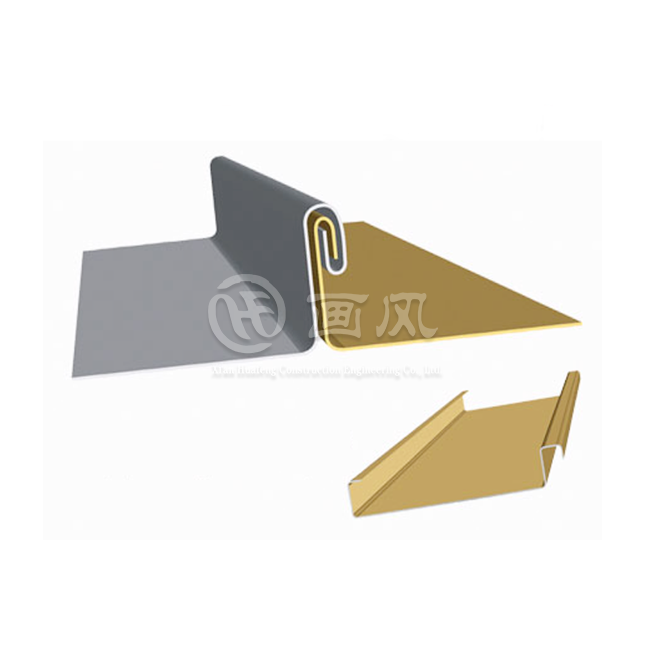
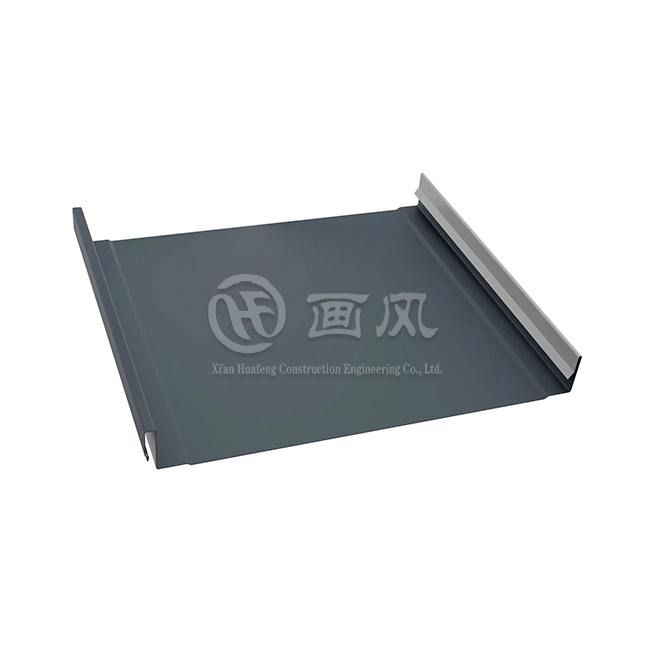
Flat lock seam metal has become the go-to cladding choice for architects and facade contractors who refuse to compromise on appearance or longevity. Individual panels—fabricated from titanium zinc, copper, aluminum, or stainless steel—interlock on all four sides through 180-degree folded hems, producing a flush, tile-like surface with zero exposed fasteners. The result is a building skin that handles thermal movement gracefully, sheds water efficiently, and holds its visual integrity for decades. For facade subcontractors navigating architect-specified projects, few metal cladding systems match this combination of design freedom and technical performance.

Understanding Flat Lock Seam Metal and Its Core Advantages
What Sets the System Apart from Other Panel Types?
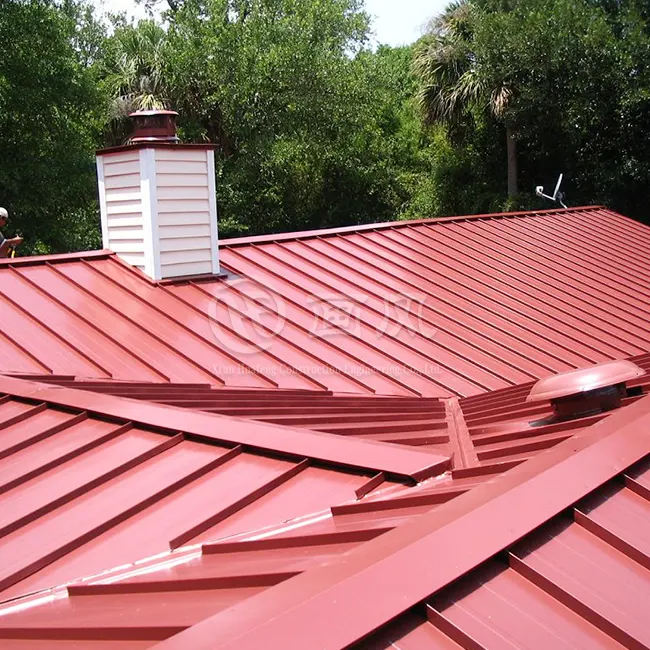
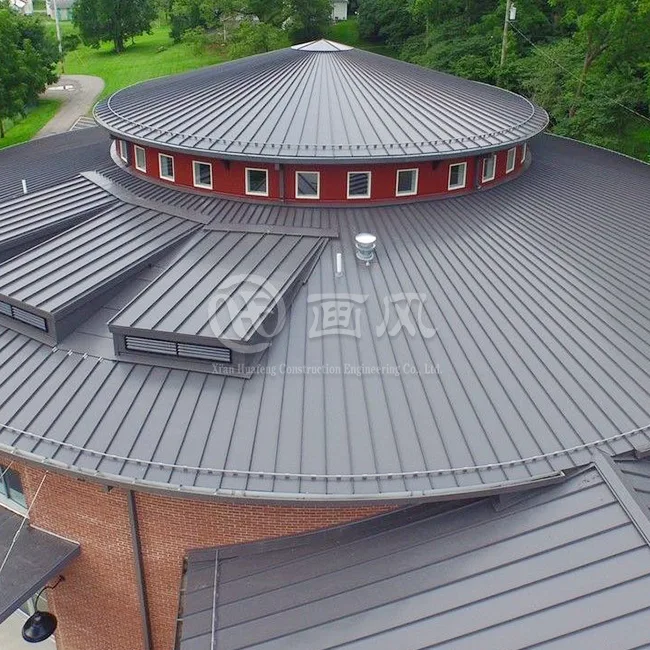
Interlocking metal façade panels don't have a conspicuous ridge as standing seam profiles do; they rest level against the foundation. Hidden clips—usually two to four per panel—carry the weight of the structure while allowing the face of the panel breathe as the temperature changes. This floating-clip design eliminates stress wrinkling, which is also known as "oil canning," and it works with surface radii as tiny as three meters, which implies that compound-curved facades and dome cladding are actually viable.
Durability and Weather Resistance
The interlocking seam geometry produces several barriers that cover each other to stop wind-driven rain. It is known that zinc and copper panels may endure 80–100 years in moderate circumstances. PVDF-coated aluminum panels, on the other hand, generally survive more than 40 years. The aluminum products manufactured by HF have SGS-certified AAMA 2605-22 coating test results that demonstrate they pass all 13 performance criteria. These include resistance to nitric acid, boiling water adhesion (5B), and 0T flexibility. The fire grade is Class A, which implies it can't catch on fire. This was corroborated by AS/NZS 1530.3:1999, which declared that none of the six test samples could catch on fire, spread flames, or give off heat.
Design Versatility Across Materials and Geometries
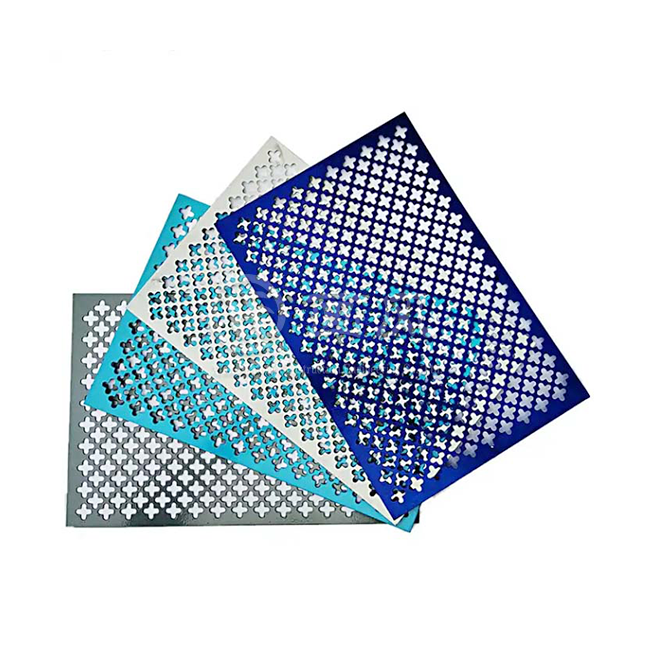
HF creates flat lock seam metal panels out of four kinds of materials: titanium zinc, copper, aluminum (AA3003/AA3004/AA5052), and stainless steel (304/316). The flat lock seam metal panels are between 0.4 mm and 1 mm thick and 300 mm to 600 mm broad. You may pick among rectangle, rhombus, trapezoid, and hexagon forms. PVDF fluorocarbon coating, anodizing, pre-passivation, and spontaneous copper oxidation are some of the surface treatments that may be applied. You may obtain any RAL color or a bespoke color. With this vast variety of standards, architects may acquire all they need from a single source, without having to move things around.
Comparing Flat Lock Seam Metal with Alternative Facade Solutions
Standing Seam vs. Flat Lock: A Direct Comparison
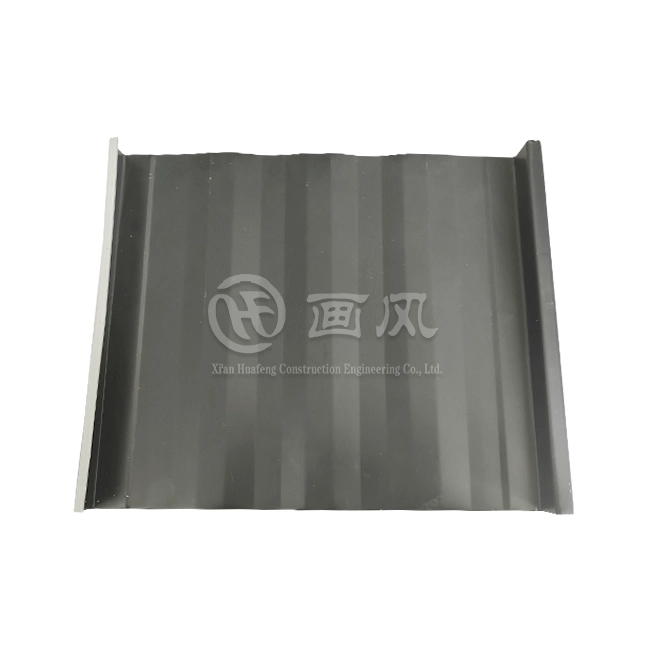
Because standing seam systems employ panels that are linked together from ridge to eave, they can't be used on facades that are curved or have a number of diverse forms. Because flat lock panels are modular, which means that each section functions on its own, broken portions may be taken off and changed without impacting neighboring regions. In circumstances where the architect has requested for a low-profile, tile-effect appearance on the exterior, standing seam merely can't match the look.
Snap Lock and Corrugated Panels: Where They Fall Short?
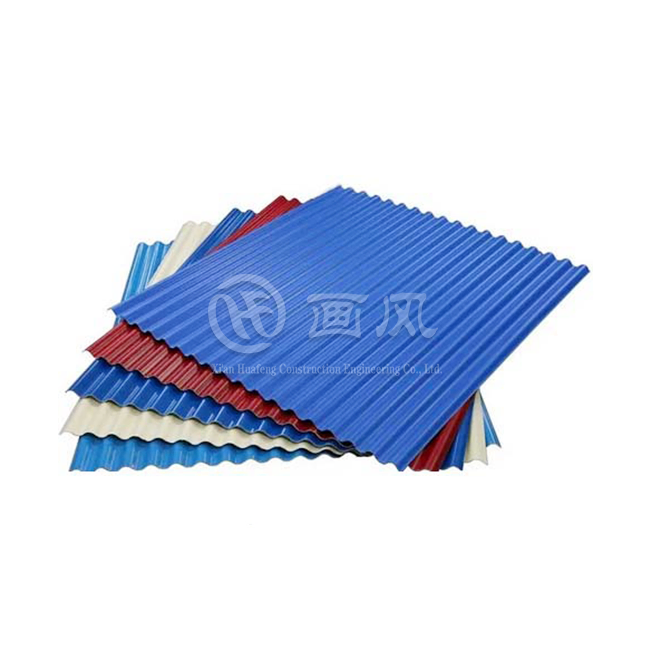
Snap lock methods make installation quicker, but they don't keep out the weather as effectively as complete interlocking hems do. Corrugated cladding sheets are an inexpensive solution to cover industrial buildings, but they don't have the smooth surface quality that is essential for cultural or business buildings. When bidding on projects for museums, corporate buildings, or high-end houses, nothing of the other alternatives has the design authority that a flush metal exterior panel has.
Life-Cycle Cost and ROI
Zinc or copper cladding costs more up front than painted steel, but it lasts 80–100 years without having to be painted again, which modifies the ROI calculation. Aluminum panels with PVDF coatings simply need to be washed every so often; you don't need to pay for painting as part of a 30-year maintenance plan. HF backs up its goods with a 30-year warranty. This offers procurement managers an actual figure to utilize in the life-cycle cost models they submit to customers.
Flat Lock Seam Metal Installation Process and Maintenance Insights
Pre-Installation Substrate Requirements
It is vital for the foundation to be flat since flat panels are thin and reflect light. The SMACNA Architectural Sheet Metal Manual, which is utilized as industry guideline, recommends that margins should be ±6 mm over 3 meters. Changes are conveyed through the metal as waves that may be observed in brilliant light. Before commencing the installation, workers should make sure the deck is level, put down a ventilation drainage layer beneath zinc or copper panels to prevent the backside from dampness, and make sure the clip fasteners are the proper kind for the base material to fulfill local wind-load regulations.
Installation Workflow and Labor Considerations
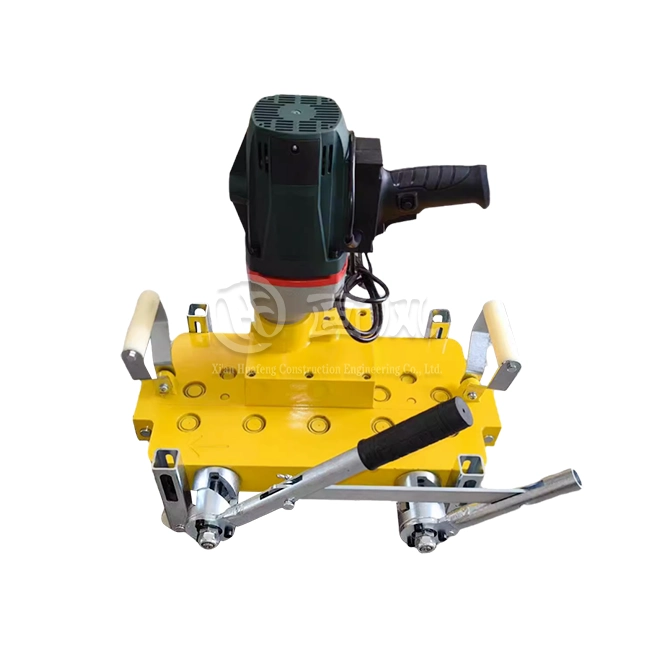
Installing a flat lock seam metal façade normally proceeds like this: connect hidden clips to the substrate at the proper distances, fold and engage the panel hems onto the clips row by row, and ensure that the seams are engaged at each course. The hem folds should be 25 mm broad and properly set. They shouldn't be over-driven, which would impede the flow of heat. This task should be done by qualified sheet metal workers who hold SMACNA or an equivalent license. A group of four well-trained workers can put up roughly 150–200 m² of flat lock seam metal facade per day.
Routine Maintenance to Protect Long-Term Performance
For maintenance after installation, it's easy. An annual checkup should look for signs of hem disengagement at flashings, make sure that drainage holes are still clear, and find any early signs of galvanic contact with metals that don't work well together. To clean, you only need water and light soap; you can't use rough pads or cleaners that contain chloride. When HF's EU RoHS-compliant aluminum panels are washed down, they don't pose any environmental problems because all 10 dangerous substances were found to be undetectable or below the limits.
Procurement Strategies for Flat Lock Seam Metal Panels in Modern Facade Projects
Evaluating Supplier Credentials
In order to buy interlocking metal facade panels, people in Europe and North America care most about three types of paperwork: coating performance certificates (AAMA 2605 for aluminum), fire test reports (Class A or an equivalent national standard), and environmental compliance (EU RoHS or REACH). HF has independent certifications from SGS in all three areas. The business also has ISO 9001 and ISO 14001 certifications for quality and environmental management. This lets procurement managers quickly get paperwork that is ready for audits.
Handling MOQ, Lead Times, and Project-Scale Orders
The difference between the supplier's minimum order quantities and the real project volumes is a regular problem in facade work that is ordered by architects. HF's MOQ is 500 m²/3T, which is a number that works for medium-sized business projects rather than large-scale production runs. With three plants, seven production lines, and more than forty tools, they can make 1,000 tons of goods every month. The usual time for delivery is 15–20 days. The company also offers project-level sampling, drawing coordination, and mold management for custom profiles that is protected by an NDA.
Compliance Standards Accepted
HF panels meet ASTM, DIN, JIS, BS, and GB/T standards. This multi-standard compliance gets rid of one of the main problems that wall suppliers have when they work in both European and North American markets at the same time. One seller can be chosen for projects in France, Germany, the UK, and the US, so buyers don't have to get separate source licenses for each country.
Why Flat Lock Seam Metal Is the Preferred Choice for Building Facades in 2024 and Beyond?
Sustainability Credentials Are Now Non-Negotiable
LEED, BREEAM, and DGNB are green building rating systems that give points for cladding materials that can be recycled and have known service lives. There is no way to get rid of zinc or copper after it has been used. Aluminum that is coated with PVDF also works with most plans. In the EU and North America, rules are putting more pressure on embedded carbon. Choosing a material that lasts 40 to 100 years lowers replacement-cycle carbon directly.
Architect Specification Trends Support Continued Growth
Reports in Dezeen and ArchDaily and data from the World Architecture Festival always show museum, cultural, and mixed-use commercial projects with smooth flat lock seam metal skin surfaces. Because interlocking facade panels are flexible, architects can choose panel positions that are diagonal, horizontal, or vertical on the same building. This design freedom supports the sculptural language that is becoming more and more popular in high-profile projects.
Future-Readiness: Coatings, Smart Integration, and Customization
Surface coating technology keeps getting better. In Europe, photocatalytic PVDF formulas that break down airborne pollution are already being used in production. In high-end homes, thermochromic and textured finishes are becoming more popular. The fact that HF can make shapes in multiple shapes (rectangle, rhombus, trapezoid, and hexagon) means that the product line can meet these new specification needs without having to retool, which would cause project schedules to get thrown off.
Conclusion
Because it meets the real needs that influence architect standards and subcontractor purchase decisions—long service life, consistent surface finish, geometric adaptability, and recorded compliance—flat lock seam metal holds a strong place in modern facade design. HF's product line is made to meet the needs of projects in both Europe and North America. It comes in four different panel forms and materials, such as titanium zinc and stainless steel, and has certifications that match ASTM, DIN, JIS, BS, and GB/T standards. The 30-year warranty and project-scale MOQ get rid of two problems that make it harder to find facade work that meets architects' requirements.
FAQ
1. What is the minimum slope required for flat lock seam metal on roofs?
Flat lock seam metal is a water-shedding system, not a watertight one. Industry practice requires a minimum pitch of 3:12 (approximately 14 degrees) for adequate drainage unless panels are fully soldered at every seam.
2. How do I prevent oil canning in flat lock panels?
Keeping individual panel face dimensions small, selecting gauges of 0.8 mm or 1.0 mm, and ensuring the substrate meets planarity tolerances (±6 mm over 3 meters) all reduce visible waviness. Pre-weathered or textured finishes also mask optical distortion.
3. Can individual panels be replaced after installation?
Yes. Because each panel is independent and held by concealed clips, a skilled technician can unhook surrounding panels, replace the damaged unit, and re-engage the system without disturbing the wider facade.
4. What ventilation layer is needed beneath zinc or copper panels?
A structured drainage mat or tangled mesh separation layer is required to allow condensate evaporation and prevent backside corrosion—particularly important for zinc and copper in humid climates.
5. Does HF supply compliance documentation for EU and US projects?
HF provides SGS-certified test reports covering AAMA 2605-22 coating performance, AS/NZS 1530.3 fire rating (Class A), and EU RoHS hazardous substance compliance. Multi-standard conformity (ASTM, DIN, JIS, BS, GB/T) is standard.
Request a Sample or Project Quote from HF
HF (Xi'an Huafeng Construction Engineering Co., Ltd.) is a flat lock seam metal source that can work with any project. They have a minimum order quantity of 500 m², can deliver in 15 to 20 days, and will help with drawing organization under an NDA. Our panels are certified by SGS and come with a 30-year warranty. They also meet ASTM, DIN, JIS, and BS standards. To get a sample, email huafeng@hfmetalroof.com with your project plans or material requirements right now.
References
1. Sheet Metal and Air Conditioning Contractors' National Association (SMACNA). Architectural Sheet Metal Manual, 7th Edition. SMACNA, 2012.
2. American Architectural Manufacturers Association (AAMA). AAMA 2605-22: Voluntary Specification, Performance Requirements and Test Procedures for Superior Performing Organic Coatings on Aluminum Extrusions and Panels. AAMA, 2022.
3. ASTM International. ASTM E1592: Standard Test Method for Structural Performance of Sheet Metal Roof and Siding Systems. ASTM International, 2023.
4. Herzog, Thomas, Roland Krippner, and Werner Lang. Facade Construction Manual. Birkhäuser, 2004.
5. World Green Building Council. Bringing Embodied Carbon Upfront: Coordinated Action for the Building and Construction Sector. WorldGBC, 2019.
6. Wigginton, Michael, and Jude Harris. Intelligent Skins. Architectural Press (Elsevier), 2002.





YOU MAY LIKE