How Vertical Standing Seam Metal Cladding Protects Buildings from Weather?
2026-04-20 15:50:51
If bad weather is going to damage a building, vertical standing seam metal cladding is one of the best ways to keep it safe. This high-performance building shell system uses panels that are automatically linked and stacked vertically from the base to the eave. This makes a continuous, waterproof shield that doesn't have the weaknesses that come with traditional cladding methods. This system solves the important problems that procurement managers and facility engineers always look for in building envelope materials for commercial and industrial projects: water infiltration, thermal stress damage, and long-term durability. It does this by hiding all fasteners in raised seams and letting thermal movement happen through sliding clips.
Understanding Vertical Standing Seam Metal Cladding and Its Weather Protection Role
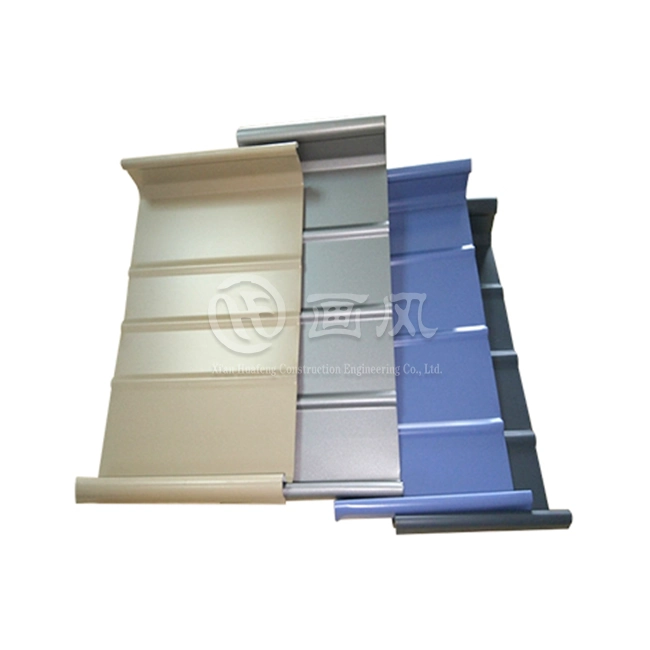
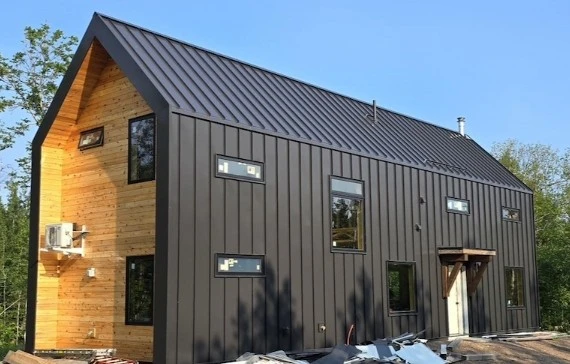
Vertical standing seam metal cladding systems are very different from regular wall covering in how they are put together. Each panel has sides that are turned up and fit together with neighboring panels using either snap-lock connections or mechanically seamed joints. This creates raised vertical ribs that are usually 25mm to 65mm high. This design method makes a continuous weather barrier without putting visible fasteners through the panel surface, which is where traditional siding usually fails because the gaskets wear out and let water in.
What Makes the Seam Design Superior for Weather Resistance
The vertical position is important for engineering reasons that go beyond looks. With gravity-assisted drainage, water from rain, melting snow, and mist flows down without pooling or running across seams. Whether it's a 180-degree fold or a double-lock seam, the mechanical connection creates a capillary break that stops moisture from wicking, even when it rains hard from the wind. According to testing standards like ASTM E1646, systems that are properly placed can usually stop water from getting in when the pressure difference is more than 12 pounds per square foot. This is good enough for high-rise buildings and seaside areas.
Climate Challenges This System Addresses
Depending on where they are, building coverings face different weather threats. In northern areas, freeze-thaw cycles cause stiff materials to crack when they expand and contract. The vertical standing seam metal cladding sliding clip system, on the other hand, can handle thermal movement without stress fractures. Coastal sites have to deal with air that is full of salt, which eats away at exposed surfaces. However, aluminum-zinc coated steel or aluminum alloy panels are very good at resisting chloride attack. Deserts have strong UV rays and big changes in temperature, which are perfect conditions for PVDF coats to keep their color and durability for decades. In mountain areas, heavy snow loads easily slide off the smooth vertical surface, stopping buildup that could weaken structures or cause ice dams.
Core Benefits of Vertical Standing Seam Metal Cladding for Weather Protection
This covering has real benefits that last for decades after it is installed and while it is being used. When we look at choosing materials for big business projects, the lifetime value proposition of vertical standing seam metal cladding is clear right away because of the many benefits that work together.
Exceptional Durability and Corrosion Resistance
Vertical standing seam metal cladding uses advanced substrates like galvalume steel with protective coatings that resist corrosion and self-heal minor damage. Aluminum alloys naturally resist corrosion, ideal for coastal environments. Finishes such as PVDF and HDP enhance durability, preventing fading and oxidation. These combined materials and coatings ensure long service life, maintaining both structural integrity and visual quality.
Energy Efficiency Through Thermal Performance
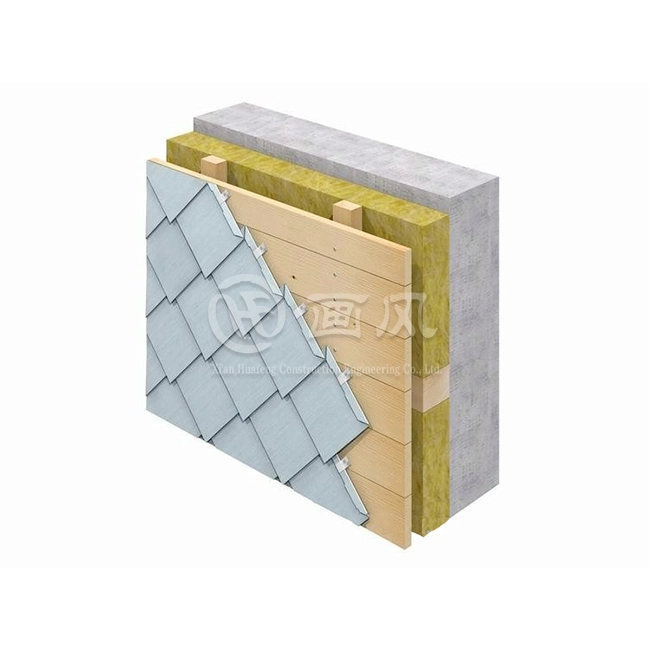
Vertical standing seam metal cladding improves energy efficiency when combined with insulation and air barriers. Rainscreen designs create ventilated cavities that reduce heat gain in summer and prevent heat loss in winter. Reflective finishes minimize solar absorption, while continuous insulation limits thermal bridging. These features reduce HVAC energy use, often allowing the system to offset its higher initial cost within years.
Maintenance Efficiency and Lifecycle Cost Advantages
Vertical standing seam metal cladding minimizes maintenance through concealed fasteners and durable finishes. Unlike exposed systems, it avoids frequent gasket replacement and tightening. Surfaces resist staining and fading, reducing cleaning needs. Modular panel design allows easy replacement of damaged sections without major repairs. Over decades, these benefits significantly lower lifecycle costs compared to traditional cladding materials.
Installation Best Practices to Maximize Weather Resistance
When quality materials are installed correctly, they become a weathertight building shell. We've seen that even high-end parts don't work when the fitting instructions aren't right. Methodical methods that pay attention to important details are used to complete projects successfully with vertical standing seam metal cladding.
Panel Alignment and Fastening Principles
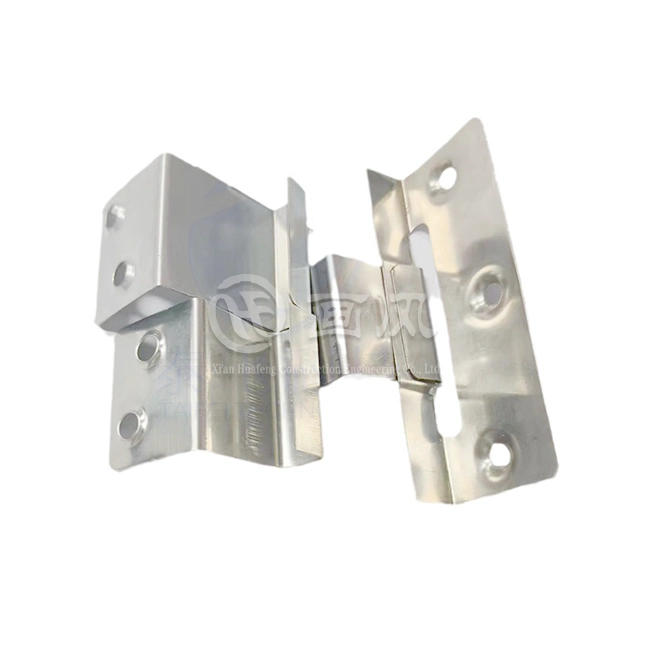
Accurate alignment is essential in vertical standing seam metal cladding to prevent surface distortion. Structural supports must meet strict tolerances, and clips are spaced based on wind load requirements. Fixed clips control lateral movement, while sliding clips allow thermal expansion. Proper placement reduces stress, preventing buckling or connection failure while ensuring a secure, weathertight installation without sealants.
Seam Locking Methods for Watertight Performance
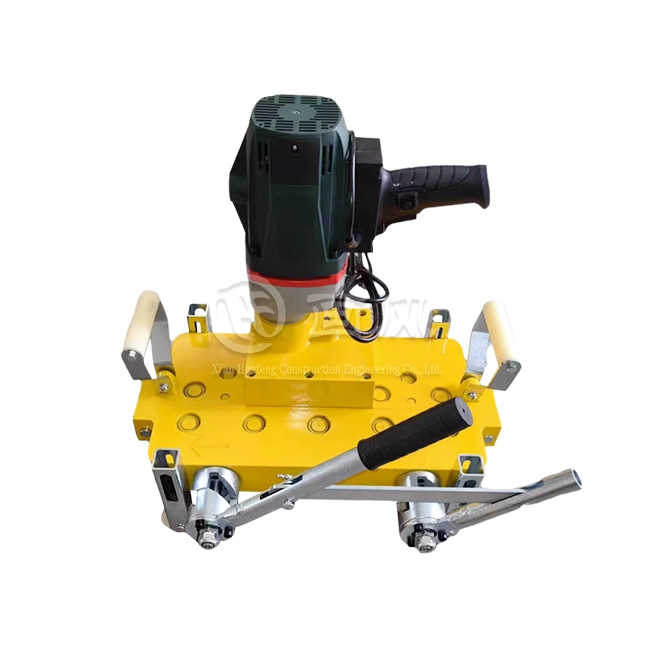
Vertical standing seam metal cladding uses snap-lock or mechanical seaming methods. Snap-lock systems provide quick installation for moderate conditions, while mechanical seams offer superior strength. Double-lock seams ensure maximum resistance to wind uplift and water infiltration, making them suitable for extreme climates. Properly adjusted seaming equipment guarantees tight, uniform connections and reliable weatherproof performance.
Common Installation Pitfalls and Their Prevention
Common issues in vertical standing seam metal cladding include improper thermal expansion allowance, misaligned seams, and incorrect seaming pressure. These can cause buckling, leaks, or coating damage. Regular inspections, proper clip spacing, and correct equipment settings prevent these problems. Using trained, certified installers ensures proper techniques, helping maintain system performance and preserving manufacturer warranties.
Comparing Vertical Standing Seam Metal Cladding with Other Cladding Types
When making decisions about what to buy, it helps to compare the options objectively. There are many types of siding, but the ability of vertical standing seam metal cladding to keep out the weather depends a lot on the material used and how the system is designed.
Structural and Drainage Performance Differences
Vertical standing seam metal cladding eliminates horizontal joints that can allow water intrusion in lap siding systems. Its vertical design promotes efficient drainage, reducing reliance on sealants. Compared to porous materials like brick, which require internal drainage systems, metal cladding integrates protection and finish in one layer. This simplifies installation and lowers long-term maintenance risks.
Material Durability Across Weather Conditions
Vertical standing seam metal cladding performs consistently across climates. Unlike vinyl, which becomes brittle and expands significantly, or wood, which requires frequent maintenance, metal maintains stability and resists environmental damage. Materials like steel, aluminum, copper, and zinc offer tailored performance for different conditions, ensuring durability, longevity, and minimal degradation over time.
Procurement Insights: Selecting and Procuring Vertical Standing Seam Metal Cladding
To be good at procurement, you need to know how to read and understand requirements that affect both performance and the cost of the job. We help builders and developers make good choices about vertical standing seam metal cladding by working closely with them.
Panel Specifications and Customization Options
Vertical standing seam metal cladding panels typically range from 330 mm to 500 mm in width, with custom options available. Narrow panels enhance rigidity and appearance, while wider panels improve installation efficiency. Thickness affects strength, with aluminum and steel options tailored to conditions. Rib height influences stiffness and span. Coating choices like PE, HDP, and PVDF balance cost and durability, while custom colors and finishes meet architectural design needs.
Evaluating Suppliers and Quality Standards
Reliable suppliers of vertical standing seam metal cladding demonstrate compliance with standards such as ISO 9001 and ISO 14001. Third-party testing ensures product performance. Warranty terms reflect durability and should align with project requirements. Production capacity, delivery timelines, and minimum order quantities influence project scheduling. Bulk purchasing programs can improve cost efficiency, especially for developers managing multiple buildings.
Cost Factors and Budget Considerations
Material costs for vertical standing seam metal cladding typically range from $15 to $35 per square foot, depending on materials and finishes. Although initial costs may exceed alternatives like vinyl, lifecycle savings from durability and low maintenance improve overall value. Installation costs vary based on project complexity, with simpler designs requiring less labor than curved or detailed structures.
Maintenance Tips to Sustain Weather Protection Performance
Protective properties of vertical standing seam metal cladding systems need to be checked on a regular basis based on how bad the exposure is. We suggest upkeep methods that strike a balance between being careful and having limited resources.
Routine Inspection and Cleaning Protocols
Seam strength should be checked once a year, especially at the ends where end dams and clamps seal the panel edges. Check for damage to the coating from falling branches or hits, back-out of fasteners at clips, and sealant wear at penetrations like pipe flashings. Because the environment is so rough along the coast, devices should be inspected every six months.
How often you clean depends on how dirty it is. In cities with a lot of airborne particles or near farms, buildings may need to be washed once a year to keep the layer from getting caked with dirt that sticks to it. In most places, cleaning once every two to three years is enough. Mild cleaning solutions should be used with low-pressure water spray (below 700 psi). Do not use rough brushes or chemicals that are too strong because they can scratch coats or make them less protected. Rinse well from top to bottom, letting the vertical position help the water drain.
Repair Techniques and Replacement Indicators
Small scratches on metallic surfaces that haven't gone through to the base usually heal themselves through oxide formation, but touch-up paint that matches the original finish gives extra protection. When deeper damage exposes bare material, it needs to be cleaned, primed with a suitable product, and then a topcoat is applied to stop rust from starting.
Seam splitting, which usually happens because of bad fitting at the start, needs to be fixed right away because it weakens the water barrier. When caught early, mechanical re-sealing with the right tools can fix the integrity. If there is a lot of separation, the panel may need to be taken off and put back on, especially if clips were damaged.
When the covering wears away more than half of the surface area or the substrate holes appear, which doesn't happen often during the guarantee time for good products, the panel needs to be replaced. The modular system design lets you change parts surgically without affecting the whole face. However, you will need to think about how to match weathered finishes.
When strange things happen, manufacturer expert support is very helpful. Our team gives advice on how to fix things in a way that doesn't void the guarantee and can send qualified contractors to handle more complicated problems. To keep the guarantee valid, you must use approved materials and qualified service providers for major fixes. Procurement teams should keep this paperwork for the life of the building.
Conclusion
Vertical standing seam metal cladding can protect against the weather because it was designed to avoid common failure modes while still taking into account things like thermal expansion and exposure to the elements. The hidden fastener system stops gaskets from breaking down, and the gravity-assisted drainage system gets rid of water quickly. Everything works together to make a long-lasting, low-maintenance building shell. For procurement managers and facility engineers looking at cladding options, metal standing seam systems are a smart long-term investment that protects both building assets and operational budgets against the constant challenges of weather exposure. These systems have a 30–50 year service life, require little to no maintenance, and have been tested and shown to work in a wide range of climates.
FAQ
1. How does vertical standing seam metal cladding perform in extreme weather conditions?
It is designed so that these devices can work in harsh conditions. Testing for wind resistance according to ASTM E1592 shows that the lifting capacity of vertical standing seam metal cladding is greater than 3.0 kPa, which is enough for hurricane-force winds if the right conditions are met. The smooth vertical surface helps the snow slide off, avoiding dangerous pileups. Salt-fog tests of aluminum and coated steel surfaces shows that they are resistant to corrosion and can be used in seaside settings. Testing at temperatures ranging from -40°C to +80°C has shown that sliding clip systems can handle growth without stress damage.
2. Can this cladding system contribute to LEED certification?
Of course. Metal cladding helps with a lot of different LEED point areas. Materials & Resources points are given for the recycled value in steel and metal substrates. The heat island effect is lessened by high sun reflectance, and energy use is decreased by better thermal performance of rainscreen systems. Longevity and the ability to be recycled at the end of their useful life support circular economy ideas that are important in green building programs. We provide documents relevant to the product to back up certification requests.
3. What should I look for when selecting a metal cladding supplier?
Give more weight to makers who have ISO 9001 certification, which shows that they have quality control methods. Make sure that the coating guarantees you get meet the AAMA standards for your temperature zone. Compare your project plan to the number of items that can be made and the usual wait time. Request case studies from similar applications to make sure you have a track record of success. Make sure that professional help is available during the planning and installation stages. Our company meets these requirements and also offers customization options and quick shipping to help projects succeed.
Partner with HF for Superior Vertical Standing Seam Metal Cladding Solutions
Our company, Xi'an Huafeng Construction Engineering Co., Ltd., has been making vertical standing seam metal cladding for construction companies, roofing workers, and business investors all over the world, including in North America. Your projects will get the weather protection they need from our wide range of products, which come in 25-330/400/430 and 65-300/400/430/500 sizes and with PE, HDP, and PVDF finishing choices. Our systems are backed by ISO 9001 and ISO 14001 standards as well as a strong 30-year guarantee. They are excellently engineered and can be customized to meet your needs for color, pattern, and design. We keep a 1,000-ton production capacity every month, which means that orders with a 500㎡ minimum will be delivered within 15 to 20 days. Bulk price plans are available for projects that involve more than one building. Email our expert team at huafeng@hfmetalroof.com for project-specific advice, samples, and competitive quotes that show how much we care about your success.
References
1. American Architectural Manufacturers Association. (2021). AAMA 2605: Voluntary Specification, Performance Requirements and Test Procedures for Superior Performing Organic Coatings on Aluminum Extrusions and Panels. Chicago: AAMA.
2. ASTM International. (2020). ASTM E1592: Standard Test Method for Structural Performance of Sheet Metal Roof and Siding Systems by Uniform Static Air Pressure Difference. West Conshohocken: ASTM International.
3. Metal Construction Association. (2019). Technical Bulletin: Standing Seam Roof Systems Design and Installation Guidelines. Glenview: Metal Construction Association.
4. National Roofing Contractors Association. (2021). The NRCA Roofing Manual: Metal Panel and SPF Roof Systems. Rosemont: NRCA.
5. Whole Building Design Guide. (2022). Metal Wall and Roof Panels: Design Considerations for Building Envelopes. Washington: National Institute of Building Sciences.
6. Zinc Development Association. (2020). Architectural Zinc Cladding: Performance Characteristics and Installation Standards. London: International Zinc Association.





YOU MAY LIKE
_1769761215912.webp "Ventilation noise reduction net")
_1783936484206.webp "Inside locking metal aluminum cladding panel")