How Durable Is 1 Inch Standing Seam Metal Roofing?
2026-10-22 11:00:01
If you're sourcing roofing panels for a commercial or residential project in the U.S. or Canada, you've probably asked this question more than once. The short answer: 1 inch standing seam metal roofing is built to last. With a 25.4mm concealed-seam profile, hidden fasteners, and PVDF or PE coating systems, these panels routinely deliver 30 to 50 years of service life when properly installed. HF backs this with a 30-year warranty across a product range that meets ASTM, DIN, JIS, BS, and GB/T standards—giving procurement teams a verifiable performance baseline before a single panel ships.

Understanding the Durability of 1 Inch Standing Seam Metal Roofing
Panel Construction and Material Composition
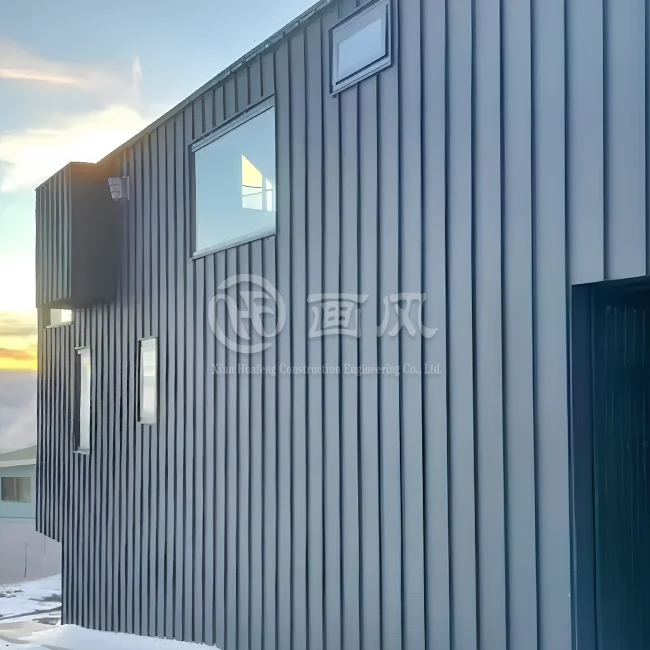
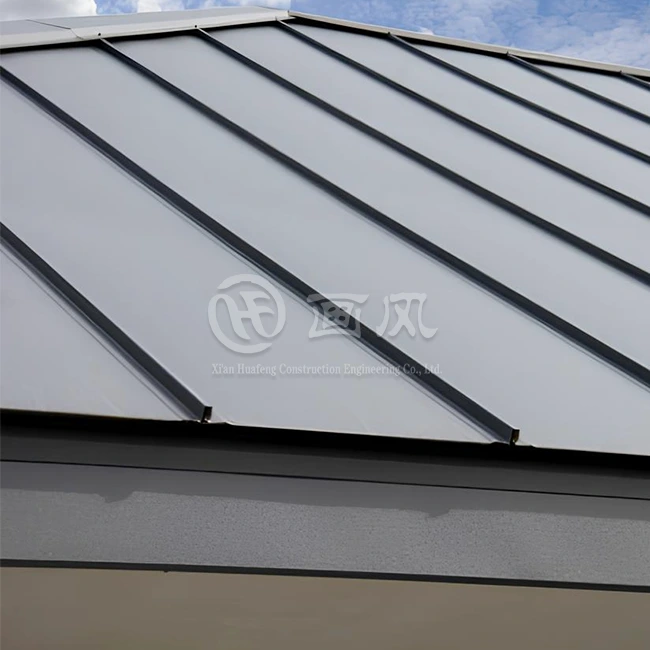
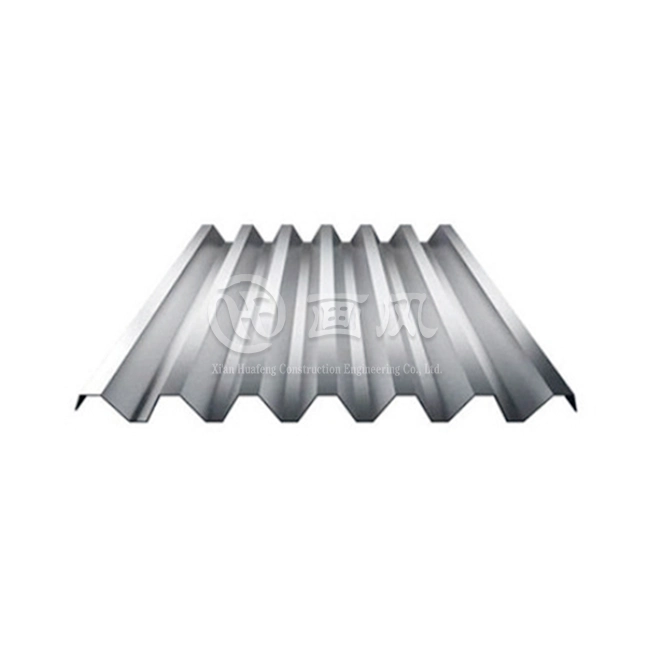
The 1-inch standing seam shape has a vertical bar that is exactly 25.4 mm above the flat panel. Panels are made by rolling Galvalume steel or aluminum into sheets that are between 0.5 mm and 1.2 mm thick, depending on the load needs. The clip or snap-lock fastening method that is hidden keeps hardware fully safe from weathering. This design gets rid of the grommeted-screw failure that makes exposed-fastener roofs last a lot less time.
How Thickness Affects Structural Strength?
Both stiffness and long-term efficiency are directly affected by panel gauge. A 24-gauge (about 0.6mm) steel panel has a yield strength of Grade 50 (50,000 psi), which means it can stand up to wind lifting and impact loads. HF comes in thicknesses ranging from 0.5mm to 1.2mm, so builders can make the specification fit the wind zone or snow load needs of the area without over-engineering the system and making the job more expensive.
Industry Testing Standards That Define Durability
Procurement managers can quickly end code-compliance conversations when panels made to ASTM A792 (Galvalume substrate) and tested to ASTM E1592 for structural wind uplift come with the proof they need. The AAMA 2605-22 coating performance of HF panels is also checked. All 13 test items, such as color uniformity (ΔE = 0.3), dry adhesion (5B), impact resistance, and nitric acid resistance, were passed. These findings were confirmed by SGS and were not self-reported.
Key Factors Influencing the Durability of 1 Inch Standing Seam Metal Roofing
Environmental Stressors: UV, Wind, and Thermal Cycling
Sunlight, freeze-thaw cycles, and strong winds are the three things that shorten the life of any 1 inch standing seam metal roofing the most. PVDF fluorocarbon coatings, especially Kynar 500-based systems, don't fade, chalk, or change color for decades. Most 1-inch concealed-fastener profiles use a slide clip system that lets the metal pan move easily during thermal expansion. This keeps the panel from warping and fasteners from wearing out, which can happen with screw-down systems in places where temperatures change a lot, like Utah or the Midwest.
The Role of Corrosion-Resistant Coatings
HF treats the surfaces of its low-seam panels with either PVDF or PE. The PVDF choice meets the requirements of AAMA 2605 and has been tried and found to have no blistering when exposed to hydrochloric acid and cleanser. The EU RoHS test that was verified by SGS shows that all 10 of the banned dangerous substances—such as lead, mercury, and cadmium—are either not found or are much lower than the allowed level. This is important for projects that want to get LEED credits or work near areas that are sensitive to the environment.
Installation Quality and Maintenance Protocols
If the deck isn't flat or the clip spacing is off, even the best panel won't work as well. A deck plane tolerance of ¼ inch per 20 feet is the standard in the industry. Clip intervals of every 18 to 24 inches are checked against project-specific uplift estimates. Once it's put properly, a 1-inch standing seam roof doesn't need much upkeep. Checking the eave hemming, ridge caps, and flashings once a year is usually enough to keep the warranty valid for the full period of time.
Comparing 1 Inch Standing Seam Metal Roofing to Alternative Roofing Options
1-Inch Profile vs. 1.5-Inch and 2-Inch Standing Seam
Mechanical-seam profiles that are 1.5" or 2" taller can handle uses with lower slopes (below 3:12) and have better uplift values for long industrial spans. The 1-inch snap-lock profile, on the other hand, can be put in place faster without the need for robotic seaming equipment. This saves a lot of money on labor costs for projects with 3:12 or steeper slopes. The 1-inch leg gives the look of a standing seam at a lower cost when installed on residential developments, retail canopies, and light commercial facades.
Standing Seam vs. Corrugated Metal and Asphalt Shingles
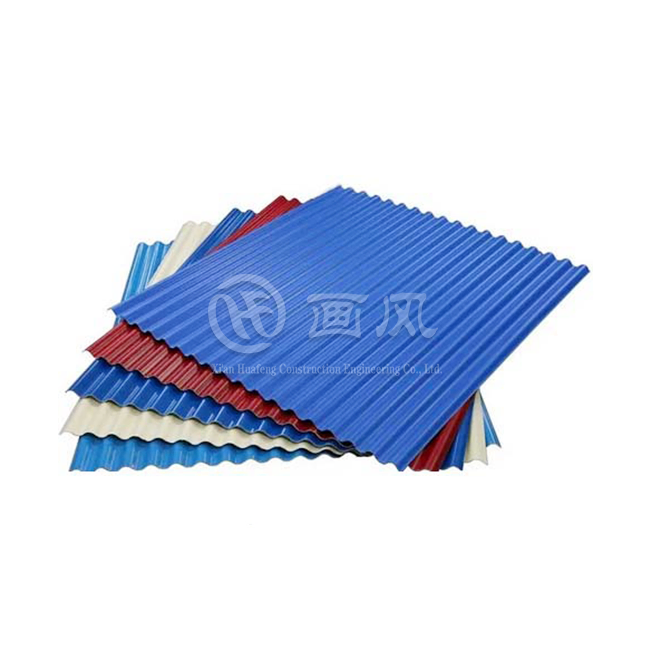
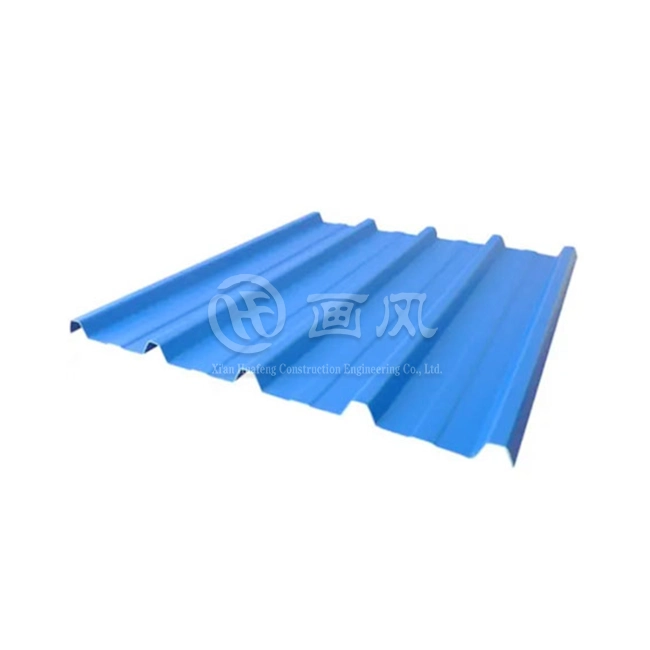
When gaskets get old, every penetration point in corrugated metal panels becomes a possible leak path. Asphalt shingles usually come with warranties that last between 20 and 30 years, but in places where UV rays and hail are common, the granule protection wears off much faster. A properly placed low-seam metal roof with PVDF coating, on the other hand, doesn't have any visible fasteners and reflects solar heat. Field studies by Oak Ridge National Laboratory show that metal cool-roof systems lower peak cooling loads by 10 to 25% compared to dark asphalt.
Compatible Profiles, Finishes, and Geographic Fit
HF has specs between 25 and 330, 400, and 430 in both PVDF and PE finishes. Colors are matched to the RAL system, and contractors can make custom choices if they need to make sure that colors are the same across sites with multiple buildings or projects that are done in stages. For placements within a mile of saltwater, an aluminum base with stainless steel clips is the right choice. This combination stops galvanic corrosion, which would shorten service life no matter how good the coating is.
Procurement Insights: Selecting Durable 1 Inch Standing Seam Metal Roofing Solutions
Evaluating Manufacturers: Certifications and Quality Assurance
Ask for test reports from a third party, not just spec sheets, when you compare 1 inch standing seam metal roofing suppliers. HF has SGS-certified results for AAMA 2605-22 coating performance, EU RoHS compliance, and combustion performance (AS/NZS 1530.3:1999, all 6 samples did not catch fire). The business has three plants with more than forty processing machines and seven color-coating production lines, which can handle 1,000 tons of goods every month.
Managing Volume Orders and Lead Times
One problem that always comes up when buying metal roofs is making sure that the MOQ matches the demand for a single job. HF's minimum order size is 500 square meters, which is equal to 1 metric ton. This size is good for mid-sized contractors with yearly projects worth $500K to $3M. Standard delivery takes 15 to 20 days after an order is confirmed, which is enough time for most projects. Panel lengths are made to order, which cuts down on waste and labor hours during cutting on-site.
Cost Drivers and Long-Term Value
Size of the material, type of finish, and thickness of the panel can all change the unit price. PVDF coating costs more up front than PE coating, but the 30-year warranty usually covers the extra cost over the life of a project. When wholesalers are in charge of multiple projects' supplies, the RAL color-matching system lowers the chance of noticeable batch color differences, which is one of the main reasons why projects need to be sent back and fixed.
Real-World Performance: What the Data Shows?
Commercial and Industrial Installation Track Records
1 inch standing seam metal roofing systems installed on commercial buildings in the early 2000s, with coatings that are now 20 years or more old, show little wear and tear when PVDF was chosen and the right installation steps were taken. NRCA field studies regularly show that standing seam systems with hidden fasteners work better than those with exposed fasteners in terms of keeping water out over time.
Energy Efficiency and Sustainability Outcomes
ENERGY STAR says that a PVDF-coated standing seam panel can be called a cool roof because its surface is shiny. This, along with the fact that metal roofs can be recycled completely when it's time, makes it a great choice for projects that want to get sustainable building approvals. HF's RoHS compliance has been checked by SGS, and it also supports the material disclosure documents that many general contractors need.
Maintenance History and Repair Costs
Over a 15-year period, repair records from industrial buildings and big retail installations always show that concealed-fastener metal roofs need a lot fewer emergency repairs than shingle or corrugated roofs. The main maintenance tasks are flashing reseals at penetrations, not the panels themselves. This shows that the panels are not the weak point in these systems' durability.
Conclusion
One of the most durable steep-slope roof options on the market today in North America is a 1 inch standing seam metal roofing. It works better than options with exposed fasteners and asphalt because it has hidden fasteners, a PVDF coating for protection, and the ability to expand and contract with temperature changes. These panels have been tested by ASTM, AAMA, and SGS and come with a 30-year warranty, so contractors and distributors can be sure they are getting a good product. The most important thing is to find the right gage, coating, and profile for your project. It really helps if you work with a manufacturer that gives you third-party documentation.
FAQ
1. How long does a 1-inch standing seam metal roof actually last?
If you use the right way and seal it with PVDF, it should last for 40 to 50 years. The written warranty that HF offers on its panels lasts for 30 years, which is a reasonable length of time for most commercial projects.
2. Does installation method affect durability?
Yes, quite a bit. The three installation factors most often linked to early failure are clip spacing, deck flatness, and hem detail at eaves. It is necessary to follow the manufacturer's engineering tables for clip spacing.
3. Can this profile handle high-wind zones?
If you clip a 1-inch snap-lock system the right way, it can meet the UL 580 Class 90 wind lifting standards. Always make sure that the uplift paperwork for the specific panel you're buying is tried and not just a general product claim.
4. Is the 1-inch profile compatible with solar mounting?
Yes. For standing seam patterns, companies like S-5! make clamps that don't go through the material. Before you order solar mounting hardware, make sure the clamp is the right size for a 1-inch seam geometry.
5. What is the minimum slope for this panel?
The usual lowest time is 3:12. Below that pitch, water moves too slowly for a 1-inch rib height to stop water from coming in from the side when it rains with the wind.
Get Your 1 Inch Standing Seam Metal Roofing Quote from HF
From its three factories and seven production lines, HF (Xi'an Huafeng Construction Engineering Co., Ltd.) has sent metal roofing panels to builders and wholesalers all over North America. When you buy from us, you can be sure that you'll get high-quality 1 inch standing seam metal roofing. We offer PVDF/PE-coated panels with widths ranging from 0.5mm to 1.2mm, RAL custom colors, 500 m² minimum orders, and shipping times of 15–20 days. To get details and prices, email our team at huafeng@hfmetalroof.com.
References
1. Metal Construction Association (MCA). Metal Roofing Systems Design Manual. 2019.
2. Oak Ridge National Laboratory. Reflective Roofing Research: Field Performance of Metal Cool Roofs. 2017.
3. National Roofing Contractors Association (NRCA). The NRCA Roofing Manual: Metal Panel and SPF Roof Systems. 2021.
4. ASTM International. ASTM E1592: Standard Test Method for Structural Performance of Sheet Metal Roof and Siding Systems. 2022.
5. American Architectural Manufacturers Association. AAMA 2605-22: Voluntary Specification, Performance Requirements and Test Procedures for Superior Performing Organic Coatings on Aluminum Extrusions and Panels. 2022.
6. Florida Solar Energy Center (FSEC). Measured Summer Performance of Reflective Roofing Systems in Residential Buildings. 2016.





YOU MAY LIKE
_1769761215912.webp "Ventilation noise reduction net")
(1)_1763110678300.webp "standing seam metal roof panels")