House Standing Seam Metal Roofing Buyer’s Guide: What to Check
2026-10-22 11:00:01
If you're sourcing house standing seam metal roofing for a custom residential project, knowing exactly what to evaluate before placing an order can save you significant time, money, and rework. The technical specifications, material selections, procurement checks, and maintenance considerations that are most important to high-end roofing contractors and custom house builders in the US market are covered in this handbook. The choices you make up front impact the project's long-term performance and visual consistency, whether you're ordering a dark-gray panel system for a hillside home or a matte charcoal roof for a contemporary farmhouse.

Understanding Standing Seam Metal Roofing: Basics and Benefits
What the System Actually Is?
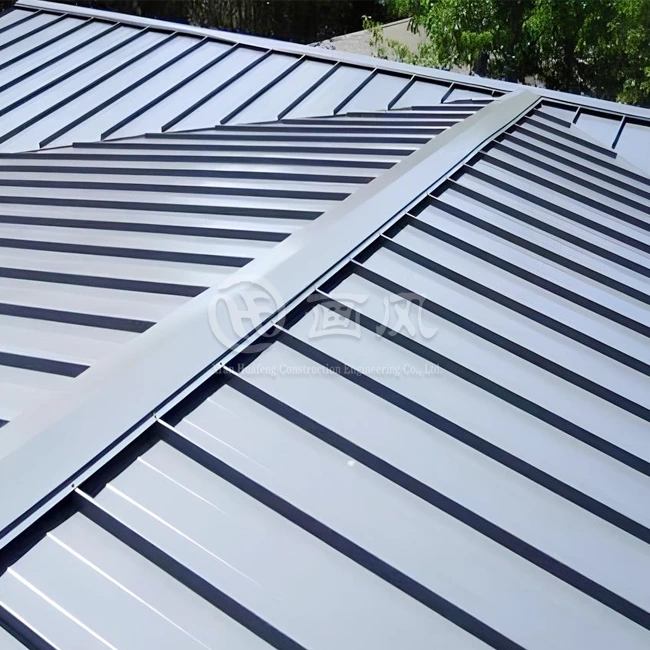
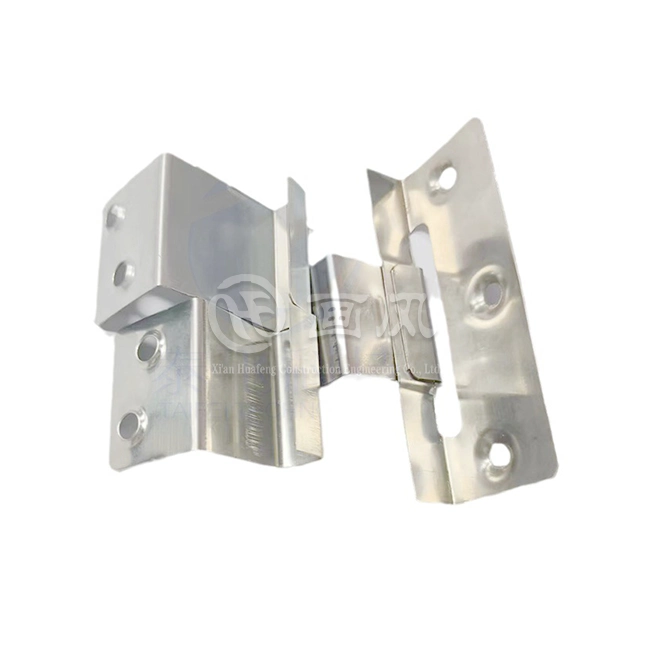
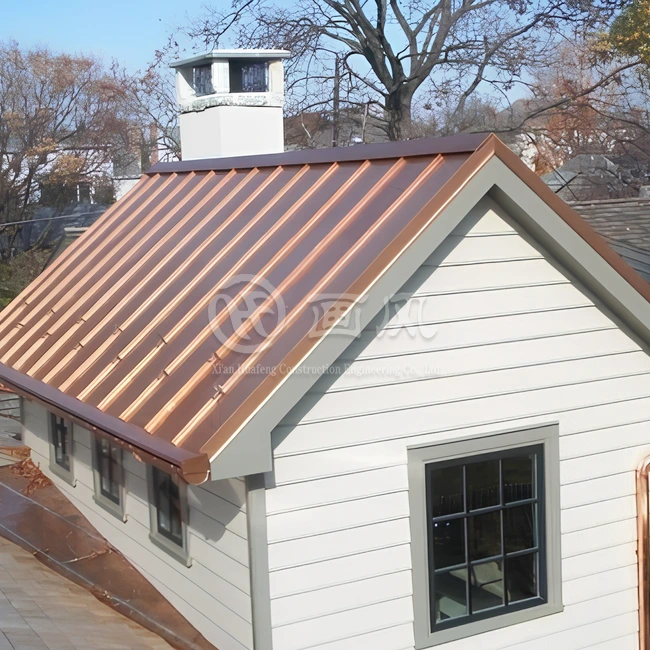
Metal panels that extend vertically from the ridge to the eave and are connected by elevated seams that fit snugly together make up a standing seam roof. The panel legs, which are fastened to the deck using floating clips, completely conceal the fasteners. Because the screws are hidden, there is no possibility of leakage with this design. Additionally, the panels are able to expand and compress in response to temperature variations without buckling.
Why It Outperforms Traditional Alternatives?
It takes 15 to 25 years for asphalt shingles to need to be replaced. When installed properly, a metal standing seam system may endure anywhere from 40 to 70 years. Companies like HF provide a 30-year guarantee on PVDF-coated panels. In areas where storms are frequent, the hidden clip system's ability to withstand wind uplifts of over 140 mph when placed as directed is a tremendous advantage.
The Aesthetic Argument for Custom Homes
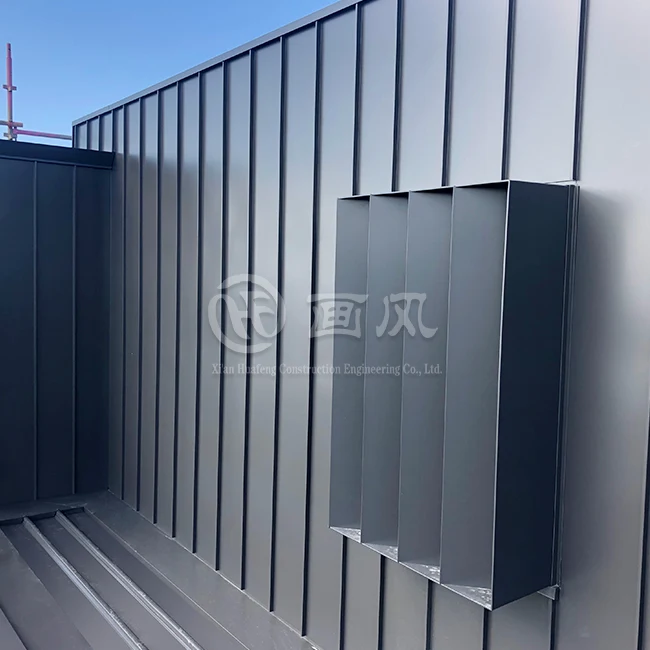
House standing seam metal roofing is being used more and more by architects and design-build companies because it has a clean, linear shape. Narrow panel widths (12–18 inches) make things look more refined and planned, and matte PVDF finishes in RAL charcoal or slate gray give things more depth without making them look shiny. When custom home builders go after the high-end market, the roof stops being a background feature and becomes a style statement.
Critical Factors to Check When Buying Standing Seam Metal Roofing
Panel Profile and Seam Type
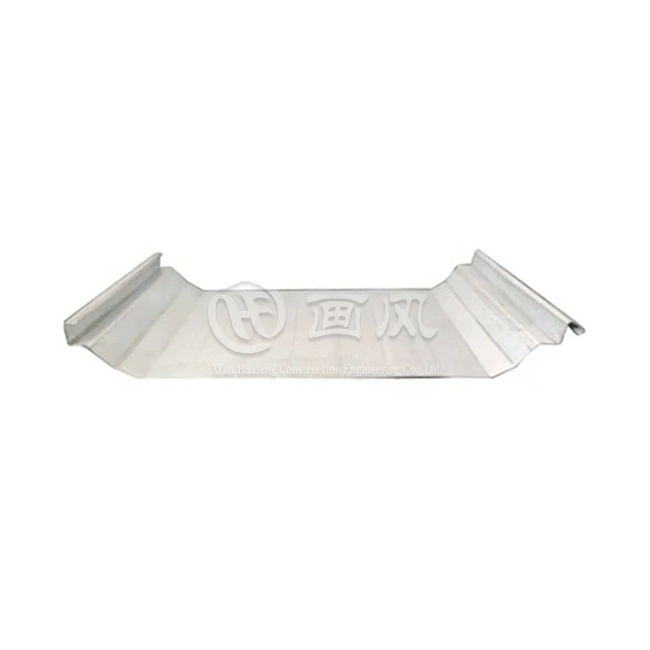
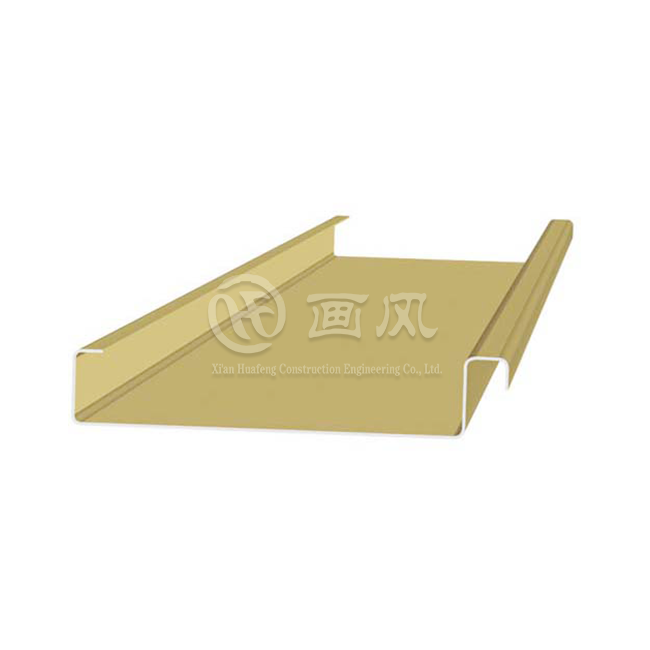
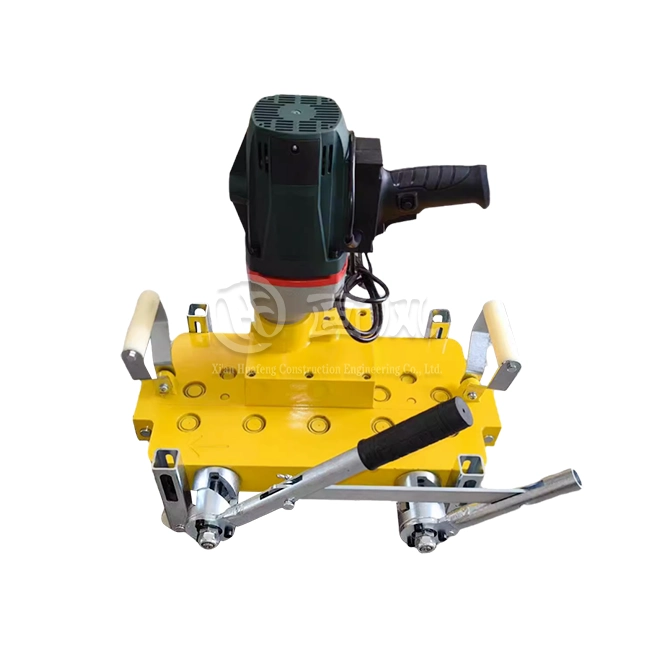
There are two main ways to engage: mechanical seam and snap-lock. When the pitch is 3:12 or higher, snap-lock panels work well and can be put up faster. For low slopes as low as 1:12, you need mechanical seam panels, where a tool crimps the sides together. These panels provide better insulation in areas with high winds or heavy snow. The shapes that HF makes come in sizes 25-330, 400/430, 32-410, and 45-400, which cover all household pitch needs.
Material Thickness and Coating Quality
The oil-canning resistance, which is the visible wavering that can show up on flat panel sections, is directly related to the thickness of the panel. This effect is much less noticeable if you choose 24-gauge steel over 26-gauge steel or panels with built-in striations. HF panels are between 0.4 mm and 1.2 mm thick. When it comes to coatings, PVDF (fluorocarbon) works better than regular polyester coats because it keeps its color for 20–30 years with little chalking. It was tested by SGS and found that HF's PVDF coating met all 13 requirements of the AAMA 2605-22 standard. It also had a color uniformity result of ΔE = 0.3.
Color and Batch Consistency
For custom home projects, it's important that the colors are the same from batch to batch. When a roof is put on in stages or when panels come in two shipments, they must match perfectly. With well-kept batch records, HF can match colors to RAL standards or to your own specifications. Before you place your order, ask for actual panel samples from the same production run to make sure that the color and gloss level match the design purpose of your project.
Comparing Standing Seam Metal Roofing with Other Roofing Solutions
Standing Seam vs. Asphalt Shingles
Asphalt shingles are cheaper up front, but they cost more over time because they need to be replaced more often, need more maintenance, and aren't as wind-resistant. Even though a house standing seam metal roofing system costs more to install at first, it usually pays for itself in lower costs each year. For private home makers who promise their clients long-term value, this lifecycle math backs up the higher price point.
Standing Seam vs. Corrugated and Screw-Down Metal Panels
Fasteners on corrugated and R-panel designs are visible. Over time, the rubber washers under those screws wear out. This makes leaky spots that need to be fixed every 10 to 15 years. This circle of upkeep is completely eliminated with standing seam, which is a big selling point for people who want a truly low-maintenance roof.
Standing Seam vs. Tile and Composite Alternatives
Clay tile has a classic look, but it adds a lot of weight to the structure and doesn't work well in areas that freeze and thaw. Even though composite roofing materials have gotten better, they still can't keep a fire out like a metal system can. Standing seam metal has a Class A fire grade, which means it can't catch fire. This was proven by SGS testing according to AS/NZS 1530.3:1999, where all six test examples showed no flame spread and no heat release.
Procurement Guide for Standing Seam Metal Roofing Panels
What to Verify Before Signing a Purchase Order
When looking for a trusted company to sell house standing seam metal roofing, they should offer third-party test certifications along with factory claims. If your project calls for it, make sure that the steel substrate meets ASTM standards, the PVDF coatings meet AAMA 2605 standards, and the EU RoHS standards are met. HF's panels are made to meet the standards set by ASTM, DIN, JIS, BS, and GB/T. They also come with SGS-verified test results that cover things like coating adhesion, toxic chemicals, and how well they burn.
Before placing an order, you should make sure of the following things with any supplier:
- Minimum order quantity: HF's MOQ is 500 square meters, which is equal to 1 metric ton. This is a good size for custom residential projects that don't need to commit to too much inventory.
- Lead time: Standard shipping takes 15–20 days from the time the order is confirmed, which works with most building schedules.
- Supply capacity: HF ships up to 1,000 tons per month thanks to its three factories, seven production lines, and more than 40 machines. This makes it less likely that larger projects will be late with their supplies.
- Sample availability: Before mass production begins, you should be able to get physical samples in the profile and color you choose.
These checks help you stay on track with your project and avoid delays in the middle that are caused by unexpected lead times or color issues that show up only during installation.
Evaluating Warranty Terms
In the high-end residential market, you should ask for a warranty that lasts at least 30 years. It's usually a sign of thinner coats or lower-quality base when the warranty is shorter. HF's 30-year service guarantee covers panels with a PVDF surface treatment across all profile types that are offered.
IP and Design Confidentiality
Custom home builders who use their own color palettes or panels with specific sizes chosen by the architect have a right to be sure that their designs won't show up in a supplier's catalog. Before you give your provider the design documents, make sure they will sign a secrecy agreement that covers panel profiles, color formulations, and project details.
Maintenance, Lifespan, and Energy Efficiency Considerations
What Annual Maintenance Actually Looks Like
Most building covering systems need more upkeep than a house standing seam metal roofing system. It takes about two hours per property to check the seals at penetrations, gutters, and flashings once a year. Without any special treatment, the panel surface itself doesn't allow biological growth, UV degradation, or surface oxidation. This is especially true if it has a PVDF coating.
Energy Performance Data
Oak Ridge National Laboratory study shows that cool-roof pigments in reflective metal roofs can cut attic temperatures by up to 34°F compared to dark asphalt shingles. Adding a ventilated air gap under the panels makes the thermal performance even better. This means that across all climate zones in the U.S., cooling loads will go down during the summer.
Noise and Acoustic Performance
Rain noise is a common worry about metal roofs. The soundproofing of a standing seam system is about the same as asphalt shingles when it is put down over a solid plywood deck with a good synthetic underlayment. This isn't a problem in normal home building because the deck and underlayment soak up impact sound before it gets to the inside.
Conclusion
It takes more than picking a color to choose the right house standing seam metal roofing for a custom home job. The final result is affected by the panel profile, the thickness of the material, the certification of the coating, the consistency of the batches, and how open the supplier is. This guide talks about the technical and buying issues that are most important for custom home builders who work in the high-end private market. The real things that set one supplier apart from another are third-party certifications, written warranty terms, and a supplier who can keep color consistency across batches. After those are put in place, a standing seam metal roof is one of the best long-term purchases you can make in a high-end home.
FAQ
1. How long does a standing seam metal roof last on a house?
Frequently Asked Questions: How long does house standing seam metal roofing last? If you install the system correctly and coat it with PVDF, it should last between 40 and 70 years. HF backs their products with a 30-year guarantee, but with regular yearly checks, panels usually last much longer than that.
2. What causes oil canning, and is it a structural problem?
When metal panels are stressed, they get wavy in the flat pan, which is called oil canning. It doesn't change how well the structure works or how waterproof it is. When you choose bigger gages (0.6 mm or more) and panels with built-in striations, it looks a lot worse.
3. Can standing seam panels be installed over an existing roof?
Most of the time, yes. It is possible to re-roof over an existing substrate as long as the deck is flat and structurally sound. This method cuts down on the time and money needed for tear-off, but you should always check the local building code requirements first.
4. What is the minimum slope for a standing seam roof?
Systems that are mechanically seamed can be used on slopes as low as 1:12. Most snap-lock systems need a pitch of at least 3:12. Before you place your order, check with your provider that the profile specification matches the shape of the roof on your job.
5. Why does PVDF coating cost more than standard polyester?
The PVDF fluorocarbon coating keeps its color for 20 to 30 years and is much more resistant to chalking, chemical exposure, and UV degradation than regular polyester. This type of high-durability building coating is especially covered by the AAMA 2605-22 standard, which HF's coating passed.
Get a Quote from HF — Your House Standing Seam Metal Roofing Manufacturer
HF (Xi'an Huafeng Construction Engineering Co., Ltd.) manufactures house standing seam metal roofing with PVDF/PE surface treatment, RAL custom colors, and coating performance that is SGS-certified. We help custom home makers from confirming samples to full production. Our 15–20 day lead time and MOQ of just 500 m² make this possible. You can email our team at huafeng@hfmetalroof.com to get samples or a quote that is tailored to your project.
References
1. Oak Ridge National Laboratory. (2010). Thermal Performance of Reflective Roof Coatings. U.S. Department of Energy Building Technologies Program.
2. Metal Construction Association. (2020). Guideline for Controlling Oil Canning in Metal Wall and Roof Panels. MCA Technical Series.
3. American Architectural Manufacturers Association. (2022). AAMA 2605-22: Voluntary Specification, Performance Requirements and Test Procedures for Superior Performing Organic Coatings on Aluminum Extrusions and Panels.
4. ASTM International. (2021). ASTM A792/A792M: Standard Specification for Steel Sheet, 55% Aluminum-Zinc Alloy-Coated by the Hot-Dip Process. ASTM International.
5. U.S. Department of Energy. (2023). Energy Saver: Metal Roofing. Office of Energy Efficiency and Renewable Energy.
6. National Roofing Contractors Association. (2022). The NRCA Roofing Manual: Metal Panel and SPF Roof Systems. NRCA.





YOU MAY LIKE