Where Does 1 Inch Standing Seam Metal Roofing Fit Commercial Buildings?
2026-10-22 11:00:01
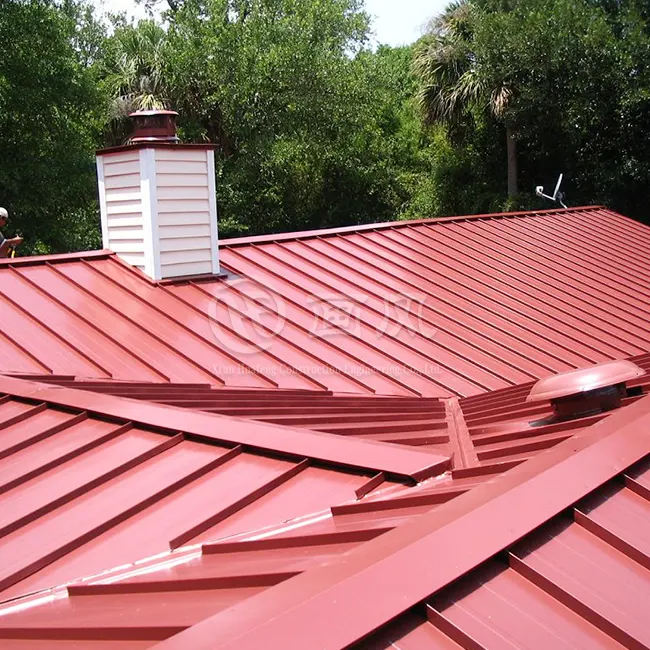
When contractors and distributors ask where 1 inch standing seam metal roofing fits in commercial construction, the answer is broader than most expect. This low-profile concealed-fastener panel system works well on retail centers, office buildings, light industrial facilities, and public structures with slopes of 3:12 or steeper. Its 25.4 mm seam height delivers reliable water shedding, hides every fastener from weather exposure, and produces a clean architectural line that architects and building owners consistently request. For procurement teams managing multi-project pipelines, understanding exactly where this profile performs best protects both budget and schedule.

Understanding 1 Inch Standing Seam Metal Roofing and Its Role in Commercial Buildings
What the Profile Actually Is?
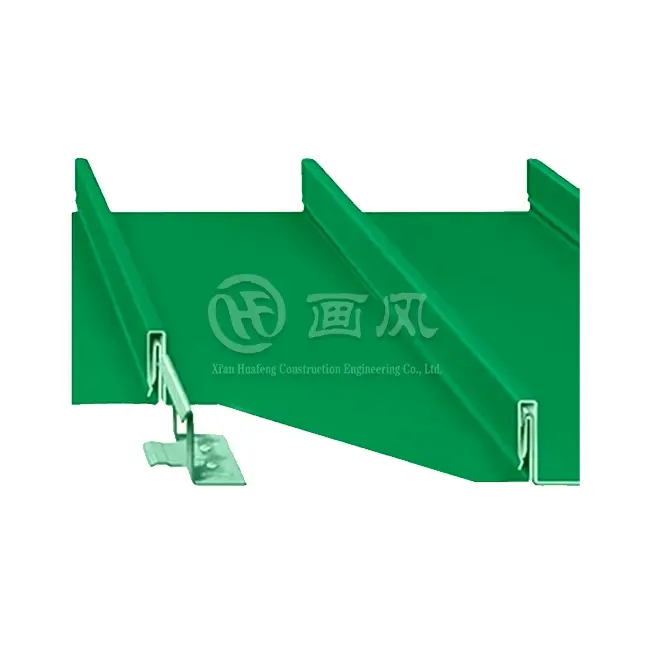
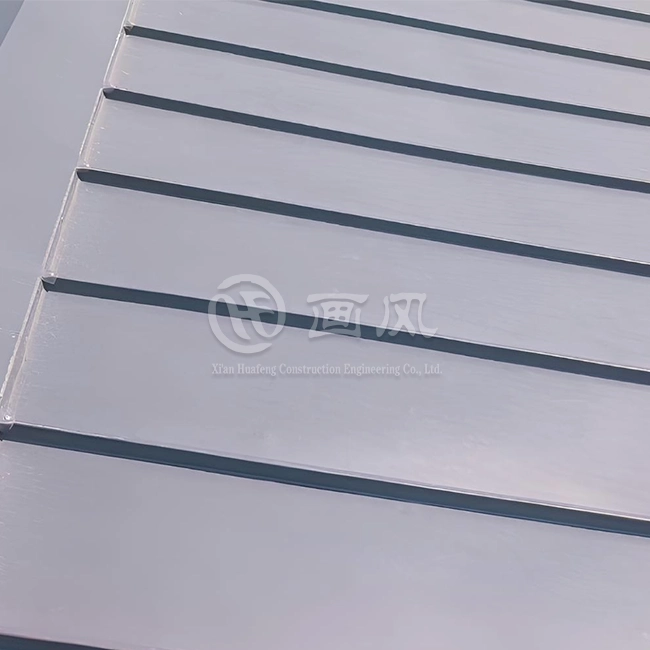
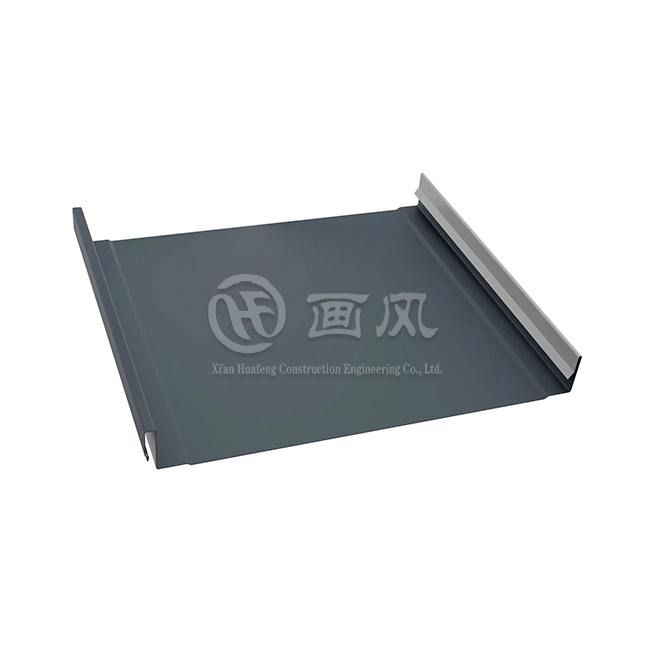
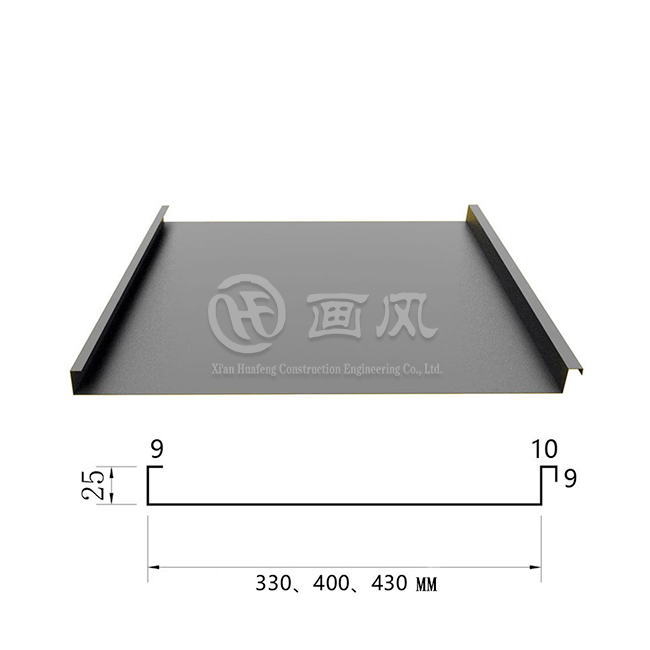
A 1 inch standing seam metal roofing panel runs along the edge of two sheets and connects them with a vertical rib that stands exactly 1 inch above the flat pan. Each panel is attached to the base by a hidden moving clip, so no fastener ever goes through the weather surface. Because of this shape, the metal can expand and contract with changes in temperature without breaking or becoming loose. It comes in 24- or 26-gauge Galvalume steel or aluminum, and is roll-formed to widths of 300 mm to 600 mm.
Core Performance Advantages
With hidden fasteners, there aren't as many places where water can leak in as there are with open screws. The double-lock seam stops rain that comes from the wind and meets the standards of ASTM E1592 for structural performance. PVDF fluorocarbon coats, which have been tested by AAMA 2605-22, protect against UV damage, acid rain, and mortar touch. This means that the panel surface won't need to be painted over for decades.
Here are the main qualities of this model that make it a good choice for business procurement managers:
- Weather resistance: There is a vertical seam height that quickly sheds water on slopes of 3:12 or more, and independent lab tests have shown that the double-lock mechanism can withstand hurricane-level wind uplift.
- Thermal movement: Floating clip systems allow panels to move freely along their length, which keeps the fasteners from wearing out as quickly as screw-down options do.
- Sustainability: Galvalume and aluminum surfaces can be recycled indefinitely, and light-colored PVDF finishes reflect sun energy to lower cooling loads, which is a real benefit for LEED-targeted projects.
Since these things are true about the 1-inch profile, it can be used in business buildings where code compliance, long service life, and cheap upkeep are all important.
Energy Efficiency and Longevity
A low-seam metal roof that is put on correctly can last 30 to 50 years. When tested under AAMA 2605-22, PVDF coatings don't crack or peel at 0T bend, which shows that the coating is flexible under real heat cycles. Because they last so long and don't need much upkeep, their total cost of ownership is much lower than that of concrete or single-ply membrane systems.
Comparing 1 Inch Standing Seam Metal Roofing to Alternative Commercial Roofing Solutions
Against Asphalt and Corrugated Metal
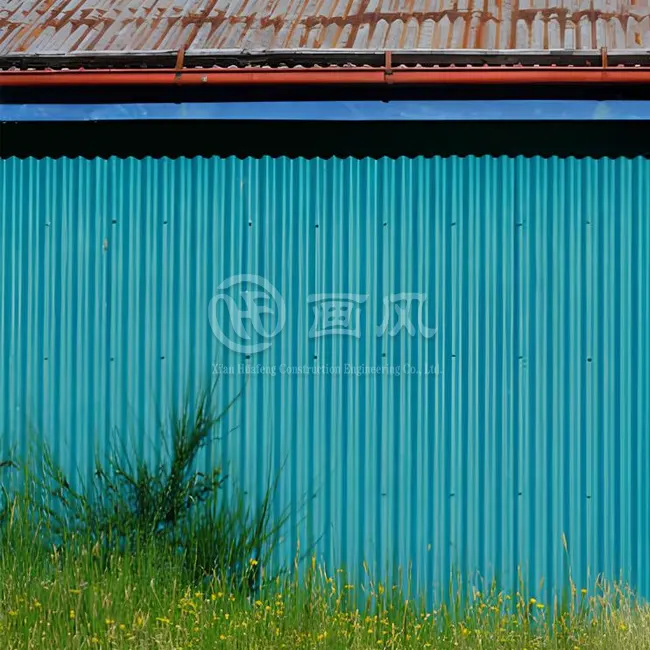
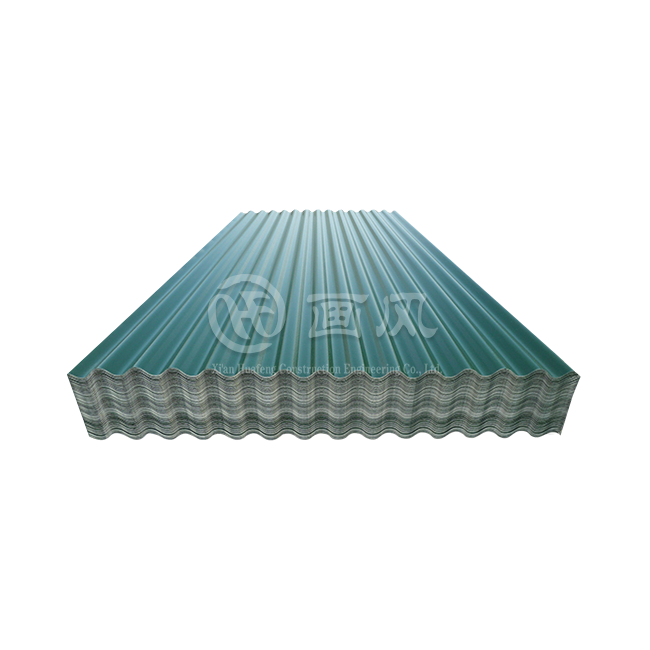
Asphalt shingles usually last 15 to 20 years in commercial settings, and they need to be resealed every so often around holes. The fasteners on corrugated metal panels are exposed and have rubber grommets that break down after 10 to 15 years. Neither choice has the 30-year or more life span of a concealed-fastener 1 inch standing seam metal roofing method, and neither one handles temperature movement as well.
1-Inch vs. 1.5-Inch and 2-Inch Profiles
For low-slope roofs (below 3:12) and long industrial spans where water moves slowly, 1.5-inch and 2-inch manually seamed panels are the best choice. Because it doesn't need a driven seaming machine for every run, the 1-inch snap-lock shape can be put up faster and costs less per square foot. The 1-inch profile offers the same level of weather protection at a lower installation cost for commercial buildings with slopes of 3:12 or more.
Snap-Lock vs. Batten Seam
Hand pressure is needed to open snap-lock systems, which makes installation much faster for business runs that need to be done over and over again. Batten seam panels have an extra cap over the joint, which makes the shadow line stand out more but costs more and takes longer to install. When the roof of a store or office building can be seen from the street, the architect often prefers the snap-lock 1-inch panel because it has a cleaner line and doesn't require the extra cost of a batten cap.
Installation and Procurement Guide for Commercial 1 Inch Standing Seam Metal Roofing
Step-by-Step Installation Overview
A flat, structurally sound deck and a continuous underlayment or insulation board are the first things that are put down during installation of 1 inch standing seam metal roofing. The technical uplift estimate tells us how often to attach hidden moving clips to the deck, and that's usually every 18 to 24 inches. When panels slide over the clips, the legs of the panels next to each other snap or lock together. Ridge, eave, and gable ends get trim accessories that are pre-formed at the mill to finish the weather seal without leaving caulk beads out in the open.
Cost Factors and Budgeting
The cost per square foot is based on the material gauge, finish type, and panel width. On a business job, labor costs make up about 30–40% of the total cost of installation. Buying teams should plan to spend money on:
- Panel material: gauge choice (0.5–1.2 mm thickness range) and covering tier for PVDF vs. PE.
- Accessories: such as clips, ridge caps, eave trim, and closing pieces, often make up 8–12% of the total cost of the materials.
- Logistics: The quality of the crates and packaging directly affects whether the panels arrive with their edges still straight; make sure you specify anti-deformation packaging in your purchase order.
Adding these line items early on keeps the project from going over budget when it gets to the field.
Procurement Checklist for Distributors and Contractors
Before ordering a panel, make sure the ASTM E1592 test reports for the profile are correct, that the RAL color matches with a real swatch, and that the supplier's clips can be used with the seaming tools that your crew already has. For a reliable maker, the production wait time is usually 15 to 20 days. Ask for a written delivery schedule and make sure that the minimum order number matches the volume of your project.
Tailoring 1 Inch Standing Seam Metal Roofing Solutions to Commercial Building Needs
Matching Specifications to Building Type
A building with a steep utility roof has different needs than a shopping center with a low-slope fascia part that can be seen. Changes in panel width, thickness, and clip type depend on span, load table needs, and wind zone. For a retail project on the coast, you can choose 0.7 mm aluminum, and for an inland distribution center, you can choose 0.5 mm Galvalume steel for your 1 inch standing seam metal roofing. What matters is that the engineering documentation backs up your choice.
Climate and Regulatory Alignment
In coastal areas that are prone to hurricanes, using aluminum panels with stainless steel clips stops galvanic corrosion. ASTM E1592 test results must show that the mix of clips and panels meets the local design wind speed. In cold places, an ice-and-water shield under the full panel run stops the risk of ice dams at the eave. For experienced contractors who make sure the panels meet ASTM, DIN, or JIS standards from the start, both of these situations are common.
Real-World Application Results
When contractors agree on a standard panel profile, they say that installation goes faster and there is less waste. When a regional wholesaler switched to a factory-slit, pre-finished panel with tight length tolerances, it cut field trim time by about 15% per 10,000-square-foot job. When there are fewer field cuts, there are also fewer cut edges that need to be painted over, which protects the guarantee on the coating.
Selecting the Right 1 Inch Standing Seam Metal Roofing Brand and Supplier for Commercial Projects
What to Look for in a Manufacturer?
A seller that is worth working with has third-party test results that can be proven, not just data that the supplier says they have regarding 1 inch standing seam metal roofing. If you want to buy an aluminum substrate, make sure it has an AAMA 2605-22 coating performance report, ASTM E1592 structural test data, and RoHS compliance certificates. Factory ability is also important. A provider with three facilities, seven production lines, and a monthly output of 1,000 tons can handle extra orders without pushing back your delivery date.
Certification and Warranty Verification
A guarantee on a coating for 30 years is only as good as the test data that backs it up. Make sure that the PVDF finish has at least 70% of the resin that Kynar 500 calls for and that the guarantee covers both chalking and fading. Before specifying the panel profile on a project that will be looked at by the local building department, make sure that it has a wind uplift rating from a recognized lab.
Building Long-Term Supplier Relationships
When procurement managers combine panel supply with one verified manufacturer, they get color stability across project batches, priority scheduling during busy times, and a single point of contact for compliance paperwork. These useful improvements cut down on administrative work and the chance of batch color differences, which is one of the main issues in business programs with multiple orders.
Conclusion
The 1 inch standing seam metal roofing profile is used in many business buildings, such as shopping malls, office parks, small industrial facilities, and public buildings. It is the best and most cost-effective choice for buildings with slopes of 3:12 or more. Its hidden fastener design, long-lasting PVDF coating, and ability to adapt to thermal movement make it a reliable, long-lasting product that meets ASTM compliance standards and local installation practices. A good specification can be turned into a reliable supply chain by picking a maker with test paperwork that has been checked and a steady production capacity.
FAQ
1. What is the minimum slope for a 1-inch standing seam panel?
The standard in the business world for 1 inch standing seam metal roofing is 3:12. Below that pitch, water moves slowly enough that when it rains hard, it can rise above the 1-inch seam, which means there is a chance of a leak. For low-slope uses, 1.5- or 2-inch manually seamed profiles are needed.
2. How long does the coating last in coastal environments?
PVDF coats that have been tested to AAMA 2605-22 can withstand acid, salt spray, and UV light. With a metal base and stainless steel clips, the system usually lasts more than 30 years in coastal areas with a lot of rust.
3. What is the typical MOQ for a commercial order?
The least you can buy is 500 square meters, which is equal to 1 metric ton. Active contractors rarely have to worry about MOQ because most single business roofing jobs are much bigger than this.
4. Can these panels carry solar mounting hardware?
S-5! style clamps that don't go through the material can be attached directly to the standing seam without drilling. Always make sure that the shape of the clamp fits the 1-inch profile exactly, and check the load limits against the tables provided by the maker.
5. What delivery lead time should I plan for?
From the time an order is confirmed, it usually takes 15 to 20 days to make and ship the item. Plan that window into your project schedule so that the installation doesn't take too long.
Get a Direct Quote from HF — Your Trusted 1 Inch Standing Seam Metal Roofing Supplier
HF (Xi'an Huafeng Construction Engineering Co., Ltd.) has three factories, seven production lines, and more than forty machines that can make 1,000 tons of goods every month. They meet ASTM, DIN, JIS, BS, and GB/T standards and ship 1 inch standing seam metal roofing in 15–20 days. The guarantee lasts for 30 years. To get a price or color sample today, email our team at huafeng@hfmetalroof.com.
References
1. Metal Construction Association (MCA). Metal Roofing Installation Manual. 2022.
2. National Roofing Contractors Association (NRCA). The NRCA Roofing Manual: Metal Panel and SPF Roof Systems. 2023.
3. ASTM International. ASTM E1592: Standard Test Method for Structural Performance of Sheet Metal Roof and Siding Systems. 2021.
4. American Architectural Manufacturers Association. AAMA 2605-22: Voluntary Specification, Performance Requirements and Test Procedures for Superior Performing Organic Coatings on Aluminum Extrusions and Panels. 2022.
5. Oak Ridge National Laboratory. Thermal Performance of Metal Roofing Systems. U.S. Department of Energy, 2020.
6. RS Means. Building Construction Cost Data. 82nd ed., Gordian, 2024.





YOU MAY LIKE