DIY Standing Seam Roof Panels Buyer’s Guide: What to Check
2026-10-21 20:03:43
If you are sourcing diy standing seam roof panels for retail shelves or an e-commerce catalog, the stakes are higher than most buyers realize. A wrong specification choice leads to returns, warranty claims, and damaged brand reputation. This guide walks you through every checkpoint — from material gauges and coating grades to supplier lead times and retail packaging requirements — so your next procurement decision is grounded in facts, not assumptions. Whether you manage a hardware chain's private-label program or run a high-volume Amazon storefront, these criteria apply directly to your operation.

Understanding DIY Standing Seam Roof Panels
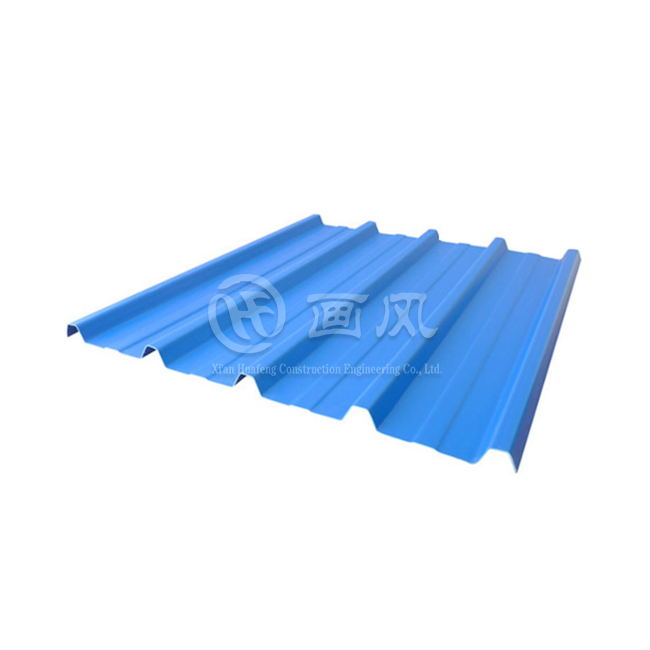
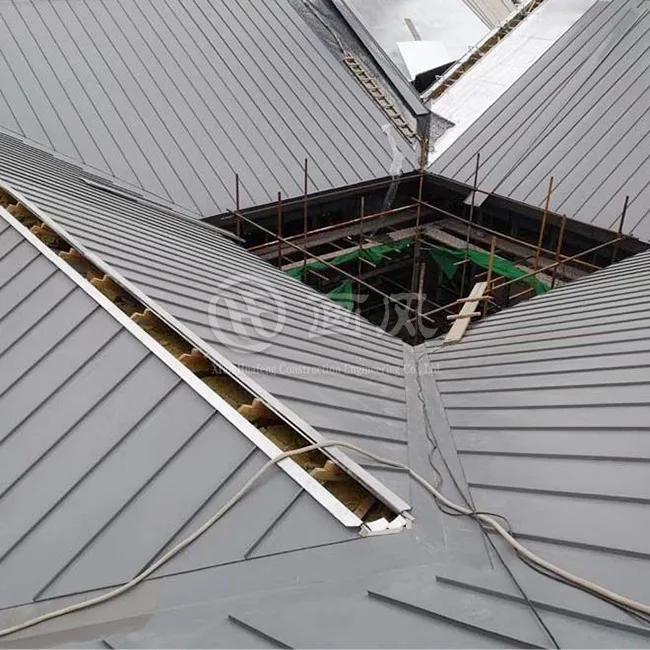
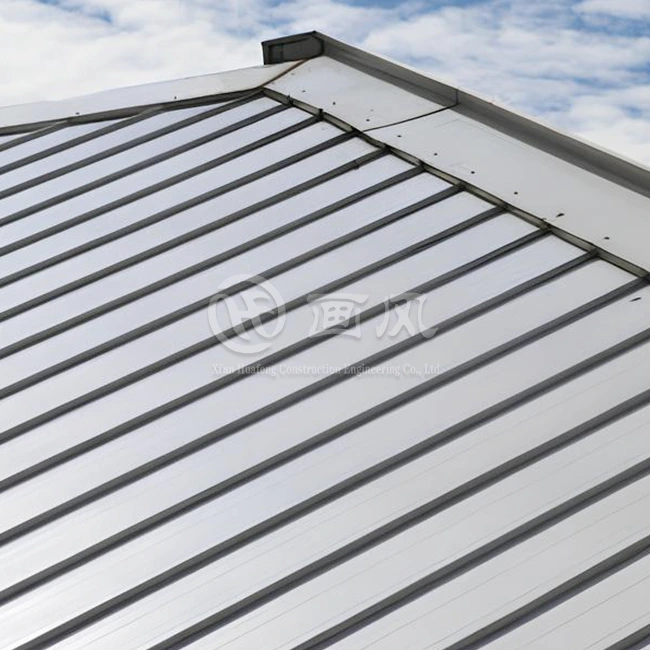
Standing seam metal roofing has raised vertical ribs that fit together from the eave to the ridge. All of the fasteners are hidden under the panel surface. The version for do-it-yourselfers swaps out the mechanical seaming equipment for a snap-lock or nail-strip connection. This means that skilled homeowners and small contractors can install it without any special tools.
Material Options That Matter
You can send panels made of Galvalume (AZ50/AZ55), galvanized steel, or aluminum. Galvalume is the least likely to rust and the least expensive option for most regions in North America. Aluminum works well in seaside areas where salt spray speeds up the rusting of steel.
Thickness and Gauge Selection
The thickness ranges from 0.5 mm to 1.2 mm, which is about 26 gage to 16 gage. For retail-grade do-it-yourself kits, 0.6 mm to 0.8 mm is the best thickness. It's light enough that one person can handle it, but stiff enough that oil won't leak out during shipping and installation.
Snap-Lock vs. Nail-Strip Systems
The plates on a snap-lock can be clicked together by hand or with a rubber mallet. Nail-strip panels attach to a flange with a slot, and then the next panel goes over the fastener. Both methods let the metal stretch and shrink along the length of the panel. This keeps the panel from twisting when temperatures change with the seasons, which is a must in places like Canada and the Midwest of the United States.
Key Factors to Evaluate Before Buying
There are four types of quality indicators: coating performance, certification compliance, supplier support, and total landed cost. If you skip any of them, there will be a hole that needs to be filled with a product return or a compliance fine.
Coating Grade and Corrosion Resistance
PVDF (Kynar 500® / Hylar 5000®) coats are better than regular polyester at resisting chalking and keeping their color. They can keep their gloss for more than 30 years when exposed to direct UV light. It's cheaper to use SMP finishes, but they wear off more quickly. For retail branding, it's important that colors are the same when you reorder them. Before signing a purchase order, you should always ask for a spectrophotometer report and make sure that the company can match colors to RAL or Pantone diy standing seam roof panels.
Certifications to Verify
Make sure the panels meet the needs of ASTM A792 for Galvalume base thickness tolerance. UL 2218 Class 4 hail resistance and UL 580 Class 90 wind uplift ratings make retailers less responsible in places where storms are common. Title 24 cool-roof compliance in California lets you get into the largest state market in the U.S. Panels that meet ASTM, DIN, JIS, BS, and GB/T standards show that the maker has been checked by multiple export markets, which is a sign of quality control.
Installation Support and Retail Packaging
When installation tips aren't clear, buyers lose money on work calls and returns. Make sure the seller puts QR-linked video walkthroughs, installation cards in multiple languages, and barcodes that are ready for use in stores on every box. A hidden-fastener snap-lock method cuts down on installation mistakes by getting rid of exposed screw penetrations, which are the main reason people complain about leaks in basic metal roofs.
Comparing DIY Standing Seam Roof Panels with Other Roofing Options
Not every metal roofing product should be sold in a medium for do-it-yourselfers. The table below summarizes how standing seam panels compare with two common alternatives.
| Feature | Standing Seam (Snap-Lock) | Corrugated Metal Panel | Asphalt Shingles |
|---|---|---|---|
| Fastener exposure | Hidden | Exposed | Exposed nail |
| Lifespan | 40–70 years | 20–40 years | 15–30 years |
| DIY complexity | Moderate | Low | Low–Moderate |
| Energy efficiency | High (reflective coating) | Moderate | Low |
| Retail return risk | Low (if guide is clear) | Medium | Low |
Why Hidden Fasteners Win at Retail?
Rubber washers in exposed-fastener panels wear out over time, which is what causes leaks that get one-star reviews on Amazon. Hidden screws get rid of that failure point completely, so the product works more like it says it will in the marketing materials.
Asphalt Shingles vs. Metal: A Cost Perspective
Asphalt shingles cost less up front, but diy standing seam roof panels will last 40–70 years, so the cost per year is much lower over its lifetime. This story about durability supports higher shelf prices and bigger gross margins for retailers who are building a premium private-label tier.
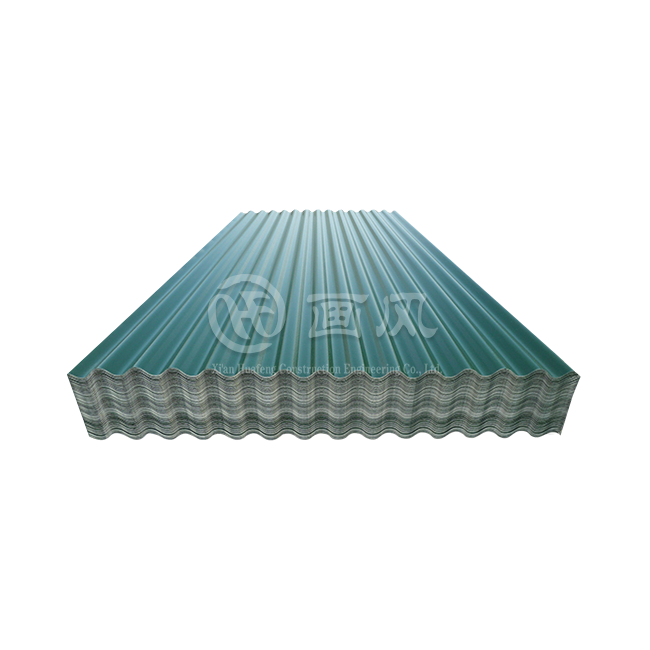
Corrugated Metal as a Channel Complement
For buyers of sheds and other outbuildings on a budget, corrugated panels are a good choice. Standing seam panels are aimed at homeowners who are remodeling and are willing to pay more for better looks and leak-proof performance. By keeping both in stock, a store can serve customers at two different price points without hurting their own sales.
Where and How to Procure DIY Standing Seam Roof Panels
The best way to keep an eye on quality, wait time, and private-label options is to buy from a reputable company that has a history of exporting.
Verifying Supplier Credentials
Ask for test reports from SGS or Bureau Veritas that cover coating adhesion (ASTM D3359), dry film hardness (ASTM D3363), and impact resistance (UL 2218). A provider with three factories, seven color-coating production lines, and more than 40 processing machines has the operational support to keep deliveries on time, which is very important when store planograms have set times for when they need to be reset.
Order Minimums and Lead Times
Retail buyers can try out a new SKU without having to lock up too much capital with a minimum order of 500 square meters, which is about 1 metric ton. It usually takes 15–20 days from the time an order is confirmed for production and delivery. With a supply capacity of 1,000 tons per month, even during the busiest building season, reorder delivery is always on time.
Customization Options
Profiles 25-330/400/430, 32-410, 45-400, and 65-400/430 are all available, and their thickness ranges from 0.5 mm to 1.2 mm. You can get a PVDF or PE finish, and the color can be matched to any RAL or Pantone code. Because of this amount of specification spread, one diy standing seam roof panels supplier can handle many SKUs across a product line for private-label projects.
Maintenance Tips and Long-Term Performance Optimization
A well-kept standing seam roof doesn't need much maintenance, which is a selling point that should be made clear to customers through retail packaging.
Seasonal Inspection Checklist
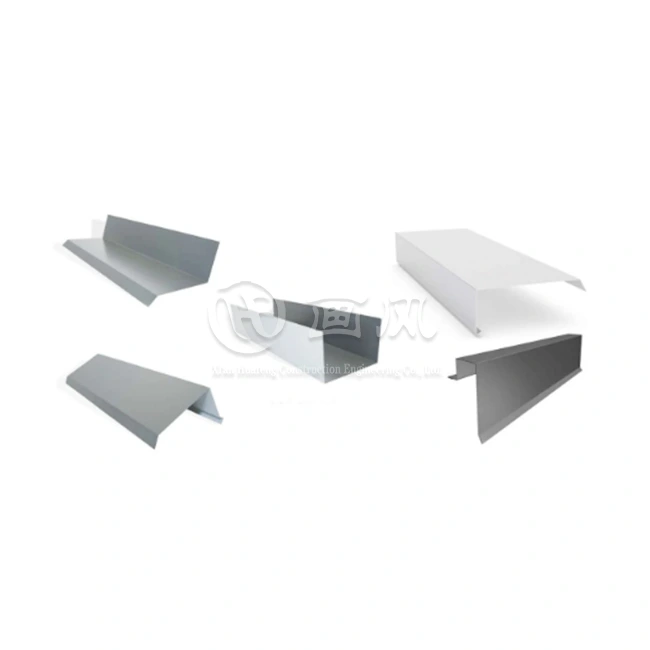
Inspections happen twice a year to make sure that debris is removed from panel pans, seam engagement stays tight, and trim pieces at the ridge and eave are sealed. Skylights, vents, and chimneys are some of the places where problems tend to show up. They are not usually along the panel body itself.
Avoiding Common Installation Errors
Most people who do their own building make two mistakes: they put on a slope below 3:12 without sealing, and they over-tighten nail-strip panels too much, which doesn't allow for thermal expansion. Putting a laminated quick-reference card inside each store box that directly covers these two points cuts down on returns by a large amount.
Retrofit and Upgrade Considerations
If local building codes allow it and the structure can handle the extra weight, standing seam panels can be put on top of asphalt shingles. Putting a high-temperature synthetic underlayment between the old shingles and the new metal layer keeps the panel backs from getting worn down by granules and makes the insulation work better.
Conclusion
If you want to buy a concealed-fastener metal roofing panel in a store or online, you need to pay attention to the material specs, coating approval, supplier capacity, and quality of retail packing. Panels that meet ASTM, DIN, JIS, BS, and GB/T standards and come with a written 30-year service guarantee are a good way for both sellers and end users to claim quality. It's less risky to add a new diy standing seam roof panels SKU when the minimum order quantity is low, the lead time is short, and all colors can be matched to RAL or Pantone. If you do these things right, the product will work well on the shelf and on the roof.
FAQ
1. What is the minimum roof slope for snap-lock standing seam panels?
For snap-lock or nail-strip methods that don't have sealer on them, the industry standard calls for a minimum pitch of 3:12. Water flow slows down enough below this slope for capillary action to pull water under the seam. For uses with low slopes, you need either a fully sealed motorized seam or a different low-slope system.
2. How do I prevent oil canning on light-gauge panels?
Most of the time, oil canning—the obvious waves on flat metal surfaces—happens on 26-gauge (0.6 mm) panels that are put down on top of a rough deck. It happens much less often if you choose 24-gauge (0.7–0.8 mm) material, panels with strengthening striations in the pan, and make sure the deck is flat before installing it.
3. Can these panels install over existing shingles?
Yes, as long as the building rules in your area allow for two layers of roofs and the building can handle the extra weight. To keep the panel back covering from getting scratched by granules, you need to put a high-temperature plastic underlayment or furring strips between the old shingles and the new metal panels.
4. What certifications should I request from a supplier?
Ask for proof that the substrate meets ASTM A792, that it has a UL 2218 Class 4 hail rating, that it has a UL 580 Class 90 wind uplift rating, and that it meets AAMA 2605 coating performance documentation. For sales in California, make sure the cool roof meets Title 24 requirements.
5. What is the realistic service life of these panels?
A PVDF-coated Galvalume base has been shown to last between 40 and 70 years of service. Suppliers who offer a written 30-year warranty back up this claim with production standards that can be tracked.
Get Custom Pricing on HF DIY Standing Seam Roof Panels — Request a Quote Today
HF (Xi'an Huafeng Construction Engineering Co., Ltd.) has three factories with seven production lines that can make 1,000 tons of diy standing seam roof panels every month. The panels have an AAMA 2605-22 coating approval, are compliant with EU RoHS rules, and come with a 30-year service guarantee. Customers can easily buy diy standing seam roof panels from HF because they offer private label packing, a low MOQ of 500 m², and 15–20-day wait times. You can email the team at huafeng@hfmetalroof.com to ask for samples and details.
References
1. Metal Construction Association. Metal Roofing Systems Design Manual. 2021.
2. ASTM International. ASTM A792/A792M: Standard Specification for Steel Sheet, 55% Aluminum-Zinc Alloy-Coated by the Hot-Dip Process. 2023.
3. American Architectural Manufacturers Association. AAMA 2605-22: Voluntary Specification, Performance Requirements and Test Procedures for Superior Performing Organic Coatings on Aluminum Extrusions and Panels. 2022.
4. Underwriters Laboratories. UL 580: Standard for Tests for Uplift Resistance of Roof Assemblies. 2020.
5. National Roofing Contractors Association. The NRCA Roofing Manual: Metal Panel and SPF Roof Systems. 2022.
6. California Energy Commission. Title 24, Part 6: California's Energy Efficiency Standards for Residential and Nonresidential Buildings. 2022.





YOU MAY LIKE