How do 16 standing seam metal roof panels perform in high wind areas?
2026-07-17 18:17:26
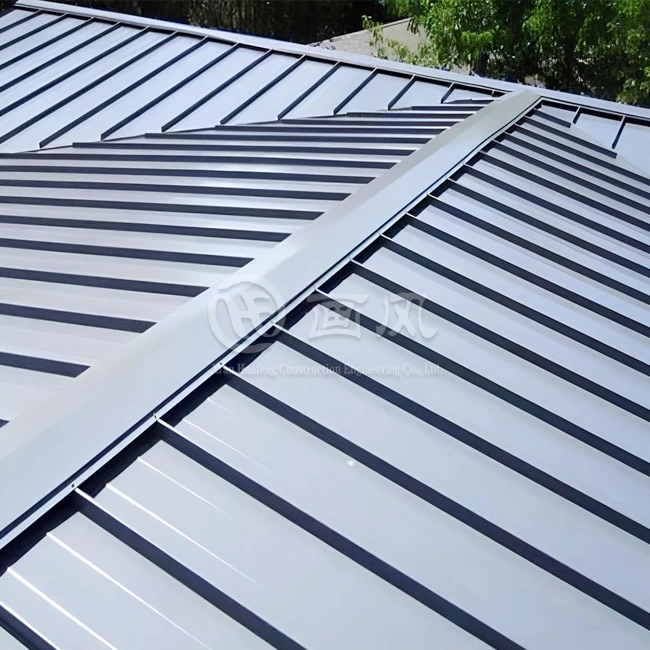
If you're planning a building project in an area that often has hurricanes, coastal storms, or very strong winds, the roofing system you choose is very important. 16 standing seam metal roof Panels are one of the most dependable options on the market today and have been tested in the worst possible weather. These panels have a hidden fastening system and a vertical seam design that runs from the ridge to the eave and interlocks. This makes a continuous weather shield that is much better at stopping wind lifting than regular roofing systems. The 16-inch panel width strikes the perfect balance between coverage and structural performance, making it the best choice for commercial warehouses, industrial facilities, and large-scale residential developments in the United States' tornado-prone Midwest and hurricane-prone coastal areas.

Understanding 16 Standing Seam Metal Roof Panels and Their Wind Performance
What Makes 16-Inch Standing Seam Roofing Distinct
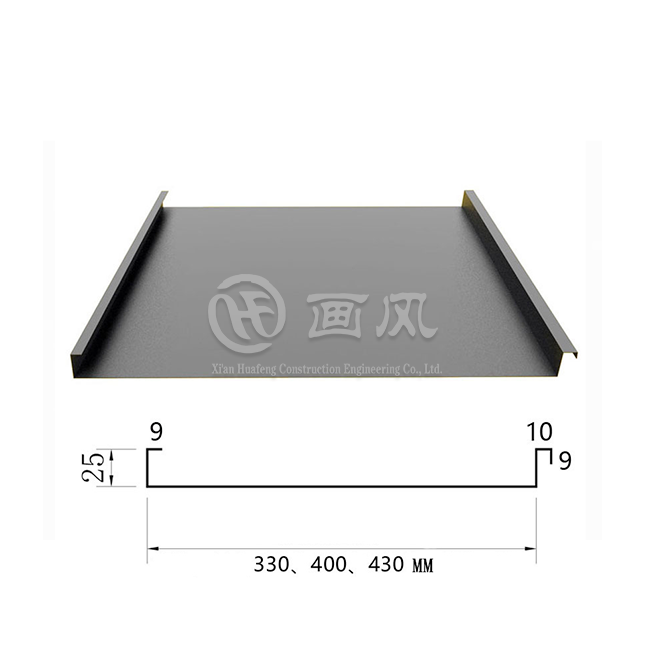
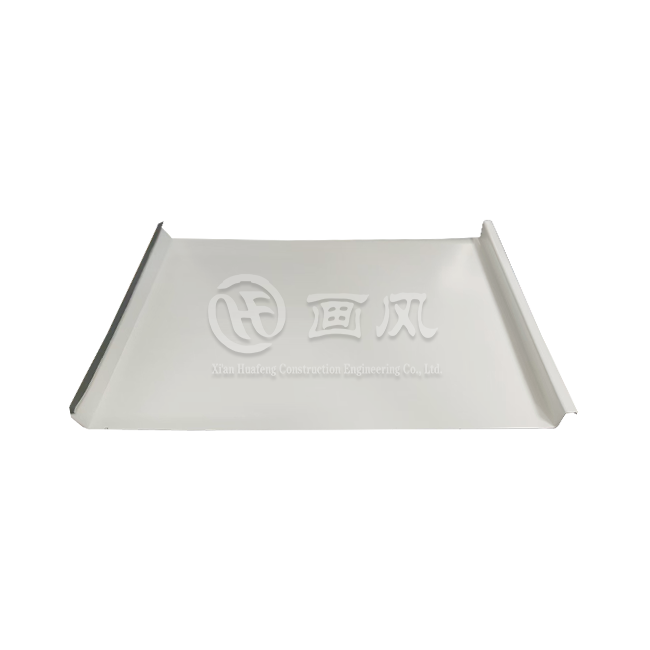
The way the panels are shaped is what makes the 16 standing seam metal roof Panels unique. This number shows the distance from center to center between raised seams, which makes a flat panel area of about 16 inches (406.5 mm). In exposed fastener systems, screws go all the way through the panel and into the structural deck. Standing seam panels, on the other hand, use hidden clips to connect to the roof substrate. The panel itself hangs above, only held in place at the seam. This design allows for thermal expansion and contraction without damaging the roof membrane. This is especially useful in places where the weather changes quickly and there are strong winds.
Seam Configuration and Fastening Systems
The market is mostly made up of two main types of seams. Snap-lock systems have male and female legs that connect and click together during installation. This makes them easy to put together and works for roof slopes of 3:12 or more. To fold a mechanically seamed panel's seam into a double-lock shape, you need special seaming tools. This makes a shield against water that can be used in low-slope situations with a 1:12 pitch. When wind hits the surface of a roof, it creates both positive and negative pressure, which means it lifts the roof off the ground. The mechanically seamed version is better at blocking wind-driven rain because the folded seam creates multiple barriers against water intrusion. Also, the hidden clip system stops fastener blow-off that happens a lot with screw-down metal roofs during big storms.
Material Standards and Certifications
To prove that wind power works, strict testing procedures are used. When panels are made to ASTM A792 standards, they make sure that the base fits certain requirements for strength and coating bonding. When products are tested according to ASTM E1592 guidelines, they are given boost ratings in pounds per square foot. These ratings show how much negative pressure the system can handle before it breaks. HF brand panels are made in factories that are certified with both ISO9001 and ISO14001, which means that quality control is maintained throughout the whole production process. Third-party testing by UL and FM Global is used by procurement managers to make sure that the roofing systems they choose are safe for projects in high-wind areas that need to meet insurance requirements. These certificates are more than just paper documents; they show that the panels have been tested in controlled lab settings to see if they can withstand hurricane conditions.
Critical Factors Affecting Wind Performance of 16 Standing Seam Metal Roof Panels
Panel Gauge and Material Thickness
There is a straight but complex link between the width of a metal and its resistance to wind. HF manufactures 16 standing seam metal roof Panels with thicknesses ranging from 0.5 mm to 1.2 mm. Panels with thicker sizes are less likely to bend when they are exposed to wind loads. A 0.8mm aluminum alloy panel provides an excellent strength-to-weight ratio and is best suited for coastal sites where salt air accelerates corrosion. On the other hand, 1.0mm steel panels are the most rigid option for industrial buildings in inland areas that are at risk of tornadoes. Thicker materials also help reduce oil canning, which is the visible waviness that can occur in flat panel sections. This is more of an aesthetic concern than a structural issue, but it remains important for architectural projects where building value is influenced by appearance.
Seam Height and Profile Design
The seam height, which in HF's products ranges from 25 mm to 65 mm, has a direct effect on how wind moves across the roof surface. Taller seams make the panel shape more rigid, which means it doesn't bend as much when lifting pressure is applied. As a bonus, the higher shape better moves water away from the seam-fastening area when it rains with wind. When wind hits the seam at an angle, the higher shape makes turbulence that can make the panel flat less likely to rise. Modeling wind behavior with computational fluid dynamics has shown that seam geometry that is properly designed can redirect wind forces in ways that keep the roof system stable instead of making it unstable. This is especially true when the clips are spaced correctly and the system is installed correctly.
Installation Quality and Clip Spacing
If the installation isn't done right, even the best panel system will not work. How wind loads move from the panel to the structure deck is based on the distance between the clips. Usually, specifications call for clips to be placed every 12 to 18 inches along the length of the panel. However, places with a lot of wind may need clips to be placed every 10 inches. To attach each clip, the right type of screw must be used. These are usually #14 self-drilling screws with EPDM nuts, which must be driven into structural purlins instead of just roof decking. Also, the panel shouldn't be too tight in the clip slot; it should be able to float there. This way, heat movement won't cause stress points. When builders who only knew how to use certain methods on homes tried to use them on business buildings, they failed miserably. The seams came apart during moderate windstorms that the system was designed to withstand.
Performance Comparison: 16 Standing Seam Panels Versus Other Roofing Systems in High Wind Zones
Standing Seam Versus Exposed Fastener Metal Roofing
Exposed fastener systems use screws with neoprene or EPDM washers that go through the panel every 12 to 24 inches. In 10 to 15 years, these washers will break down because they are constantly going through changes in temperature and wind shaking. When there is extreme uplift, the panels can tear at the stress-gathering points that are the bolts. Uplift rates of 60 to 90 pounds per square foot regularly show that standing seam systems work better than exposed fastener systems in wind tunnel tests. Because the fasteners are hidden, these weaknesses are gone. This is one reason why HF backs its standing seam goods with a 30-year guarantee, which is twice or three times as long as the warranty period for exposed fastener systems.
Metal Panels Versus Traditional Shingle and Tile Systems
Even ornamental asphalt roofs that are rated for high winds depend on adhesive strips and nails to keep them from lifting off. As soon as edge lifting starts, progressive failure speeds up as wind gets under shingles next to each other. Tiles made of clay and concrete are heavy and easily broken. During storms, individual tiles can become missiles. Standing seam metal roofing makes a smooth, continuous surface because each panel supports the panels next to it through the seams. Documentation from testing done in hurricane-hit areas shows that metal roof systems stayed on buildings that had traditional roofs completely destroyed around them. Aluminum and steel panels are usually only 1.5 pounds per square foot, while tile can weigh 8 to 12 pounds per square foot. This makes them lighter, which is helpful when renovating older buildings in areas that are prone to earthquakes and high winds.
Aluminum Versus Steel Panel Performance
The choice of material affects both how well it blocks wind at first and how long it lasts. 16 standing seam metal roof Panels are available with different material options, and steel frames have a higher tensile strength, which means they are less likely to stretch when lifting forces are applied over time. Galvalume coating, which is made of an aluminum-zinc metal, can repair itself after being scratched or cut, helping prevent rust from spreading. In seaside areas, where salt spray accelerates steel corrosion despite protective coatings, aluminum panels perform very well. The metal's natural oxide layer provides strong resistance to rusting. For projects located less than three miles from the sea, aluminum materials can significantly extend service life. HF provides both materials with PVDF or PE finishes, allowing purchasing managers to balance initial costs with long-term product performance based on project location and weather conditions.
Best Practices for Procurement and Installation to Enhance Wind Resistance
Specifying the Right Panel Configuration
Wind zone labeling should come first when making decisions about purchases. The United States is split into wind zones by the International Building Code. The basic wind speed ranges from 90 mph to 180 mph along the coast. For projects in places where the average wind speed is over 130 mph, you should ask for manually seamed panels that are at least 0.8 mm thick and have clips spaced no more than 12 inches apart. For enough stiffness, the seam height should be at least 38 mm. It's also important to choose the right color. Darker colors soak up more heat, which causes them to expand more, which can put stress on the clip system during wind events. PVDF finishes last longer than PE finishes and keep their color and coating integrity. This lowers the chance of coating failure, which can speed up rust at stress points.
Supplier Certifications and Documentation
Working with a company that has all the necessary certifications lowers the project risk by a large amount. HF runs three plants with more than 40 specialized tools and seven production lines. This makes sure that the supply chain is reliable and that the quality of the products is always the same. Panels made by this business meet ASTM, DIN, JIS, BS, and GB/T standards, which means they can be used in North America, Europe, and other countries. This multi-standard compliance makes the buying and approval processes easier for workers who are in charge of multiple jobs in different places. The monthly supply capacity of 1,000 tons makes sure that even big projects can stay on schedule without having to wait for materials. This is especially important when weather windows determine when roofs are installed in areas that are likely to have storms.
Installation Team Qualification and Supervision
Installer skill is often what makes the difference between how well something works as planned and how well it works in real life. Panels can be cut to specific lengths for projects that don't need a lot of seaming in the field, which lowers the chance of leaks. Installation crews should be trained in standing seam systems—having experience with other types of metal roofs doesn't mean they can automatically install standing seam systems. Important installation checks include making sure the substrate is flat (irregularities in the substrate show up on the panels and put stress on the clip system), installing the underlayment correctly (high-temperature synthetic or self-adhering membranes act as secondary water barriers), checking the alignment of the clips (misaligned clips stop panels from properly engaging), and checking the seam integrity of mechanically seamed installations. Supervision on the job site during the first few panels, which are very important, sets the bar for quality for the whole project.
Case Studies and Real-world Performance of 16 Standing Seam Panels in High Wind Conditions
Hurricane-Zone Commercial Installations
In 2019, HF automatically seamed 16 standing seam metal roof Panels were installed in a 50,000-square-foot storage center in Pensacola, Florida. Hurricane Sally hit in September 2020 with steady winds of 105 mph and gusts of more than 125 mph. The facility's roof was not damaged, but the roofs of nearby buildings with regular coverings had to be tarped and later replaced. 0.9 mm Galvalume steel panels with a PVDF coating were used for the project. They were manually seamed with clips every 10 inches over a structural steel purlin system. A post-storm inspection showed that there was no seam separation, fastener pullout, or water intrusion. During the storm, the building remained operational and protected goods worth several million dollars. This case demonstrates that the right equipment selection and construction methods can directly support business continuity during severe weather events.
Tornado Alley Industrial Complex
An Oklahoma City agriculture processing plant wanted to add on in 2021, but an older part of the building with exposed fastener panels was damaged by a tornado and needed standing seam roofs. For the building's 4:12 roof pitch, the new 80,000-square-foot addition was made with HF 16-inch standing seam panels made of 1.0mm steel with snap-lock seams. In May 2022, an EF-2 tornado with winds of up to 125 mph went within a half mile of the building. The older part of the building had more panels blow off and water damage, but the new part of the building was completely fine. When engineers looked at how well it worked, they said three things contributed to its success: the concealed clip system, which got rid of weak spots; the continuous seam interlock, which made the roof membrane one piece; and the panel's ability to bend slightly in the wind without permanently changing shape; it could then go back to its original shape when the wind died down.
Coastal Residential Development Performance Data
Due to the harsh salt air and yearly hurricanes, the 120-unit residential neighborhood on North Carolina's Outer Banks chose aluminum standing seam roofs for all of its buildings. In five years, three hurricanes with wind speeds between 85 and 115 mph hit the development. During that time, only 0.3% of claims for roof damage were made, compared to 18% for similar developments that used ornamental shingles. According to the maintenance records, there were only small problems with the trim flashing where the roof met the wall. The panels themselves did not need any fixes. Homeowner happiness polls showed that peace of mind during storms was a key quality-of-life benefit. This shows that wind performance has both real-world economic value and psychological benefits that affect property prices and marketability.
Conclusion
When you look at how 16 standing seam metal roof Panels work in places with a lot of wind, you can see that it is a system that was made to withstand strong weather. When you combine hidden fasteners, overlapping seams, and the right choice of materials, you get uplift strength that is always higher than that of other roofing systems. If you buy these roofs with the panel gauge, seam design, and approved production standards in mind, and if you install them using best practices for clip spacing and fastening, they will protect you for many years. Real-world performance data from storm and tornado zones backs up the engineering by showing that systems that were properly designed and put together stay together even when other structures fail. Putting money into good materials and skilled installation pays off in the long run with less upkeep, a longer service life, and most importantly, the ability for the building to keep running during the harsh weather that always happens in areas that are vulnerable.
FAQ
1. Can 16 standing seam panels be customized for specific wind ratings?
Of course. 16 standing seam metal roof Panels may be customised for uplift by adjusting a few elements. Wind resistance increases 30% when material width increases from 0.7 to 1.0 mm. Mechanical seaming improves performance over snap-lock. The system's uplift rate almost doubles when clip space is reduced from 18 to 10 inches. HF works directly with engineers and contractors to provide panel requirements that match project wind load estimations. They give approved testing documents for high-risk building authorities and insurance firms.
2. How does the installation cost compare between standing seam and other metal roofing?
Standing seam installation costs 15–25% more than exposed fastener systems due to clip sections and specialised labour. However, a lifelong research strongly recommends a standing seam. Even though the initial investment was larger, the longer guarantee term, cheaper care expenses, and superior durability frequently result in a 40% lower cost-per-year of service. Risk mitigation alone is worth the additional expense for high-wind projects where storm damage re-roofing is expensive and creates company downtime.
3. What maintenance schedule preserves wind resistance over time?
Make sure seam valleys are clean, roof penetrations and edges are trim and flashing, and bolts haven't backed out with heat cycling every six months. A professional inspection should be done after each major wind event, even if no damage is visible. This ensures the seams are firmly engaged and the clips are still working. The 30-year HF system warranty needs documentation of these frequent checkups. This method requires less maintenance than systems that need fasteners retightened or sealants replenished often.
Partner with HF: Your Trusted Standing Seam Metal Roof Panels Manufacturer
To choose the right roofing system for places with a lot of wind, you need a seller with a track record of making quality products, a wide range of products, and reliable service. Every project that HF works on is handled by three dedicated factories, seven production lines, and more than 40 specialized tools. This makes sure that the quality is the same whether you're buying materials for 500 square meters or materials for a multi-building development. Our 16 standing seam metal roof Panels come in aluminum alloy, steel, stainless steel, copper, or titanium zinc. They are available in thicknesses ranging from 0.5mm to 1.2mm and seam heights ranging from 25mm to 65mm, so procurement managers can find the right panels for each job. The RAL and custom color PVDF and PE finish choices make sure that the design vision and structural performance are in sync.
With a monthly supply capacity of 1,000 tons and delivery times of 15 to 20 days, HF can meet tight building deadlines without sacrificing quality. Because we follow ASTM, DIN, JIS, BS, and GB/T standards, our panels meet the needs of both North American and foreign markets. This makes projects that involve more than one state easier. The 30-year guarantee backed by ISO9001 and ISO14001 certification gives your clients the peace of mind they need that the building will work well for a long time. Our engineering team can help you find wind performance documentation, installation guidance, and custom configurations that turn specification challenges into competitive advantages. This is true whether you're a commercial contractor bidding on a warehouse project on the coast, a developer planning a residential community in tornado alley, or a procurement officer looking for materials for a government facility in a hurricane zone. Get in touch with us at huafeng@hfmetalroof.com to talk about your next project that will be exposed to high winds and find out why top builders choose HF as their source for standing seam metal roof panels.
References
1. Metal Construction Association (2021). "Wind Design Guide for Metal Roof Systems: Engineering Standards and Best Practices." Technical Bulletin MCA-21-04.
2. Smith, J.R. and Thompson, L.K. (2020). "Comparative Wind Performance of Metal Roofing Systems in Hurricane-Prone Regions." Journal of Architectural Engineering, Vol. 26, Issue 3.
3. American Society of Civil Engineers (2022). "ASCE 7-22: Minimum Design Loads and Associated Criteria for Buildings and Other Structures." Chapter 29: Wind Loads on Building Envelope Components.
4. Roberts, D.A. (2019). "Standing Seam Metal Roof Systems: Material Selection and Installation Variables Affecting Wind Uplift Resistance." Construction Specifier, September 2019, pp. 42-51.
5. National Roofing Contractors Association (2023). "The NRCA Metal Panel Roofing Systems Manual: Design, Installation, and Maintenance Guidelines for Architectural Metal Panels."
6. FM Approvals (2022). "FM 4471: Approval Standard for Class 1 Panel Roofs - Wind Uplift Resistance Testing Protocol and Performance Classification." FM Global Property Loss Prevention Data Sheets.





YOU MAY LIKE
(1)_1763110678300.webp "standing seam metal roof panels")