How do I install double lock metal roofing on a residential building?
2026-07-17 18:13:47
To install double lock metal roofing on a house, you have to prepare the roof deck, lay the underlayment, place the panels correctly, use a special tool to mechanically seam the interlocking edges, secure the panels with concealed clips that allow for thermal movement, and finish with ridge caps and flashing. This mechanically locked system is very good at keeping out water and wind, which makes it perfect for homes in harsh areas where sturdiness and weather protection are very important.

Understanding Double Lock Metal Roofing
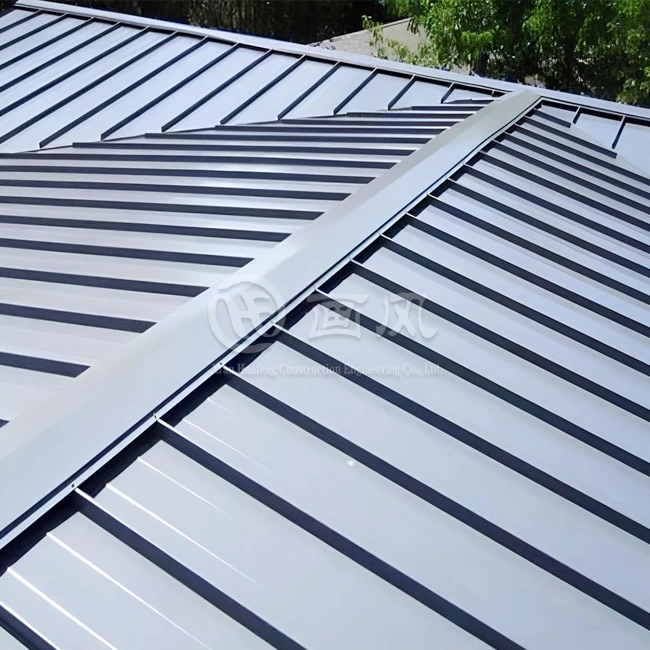
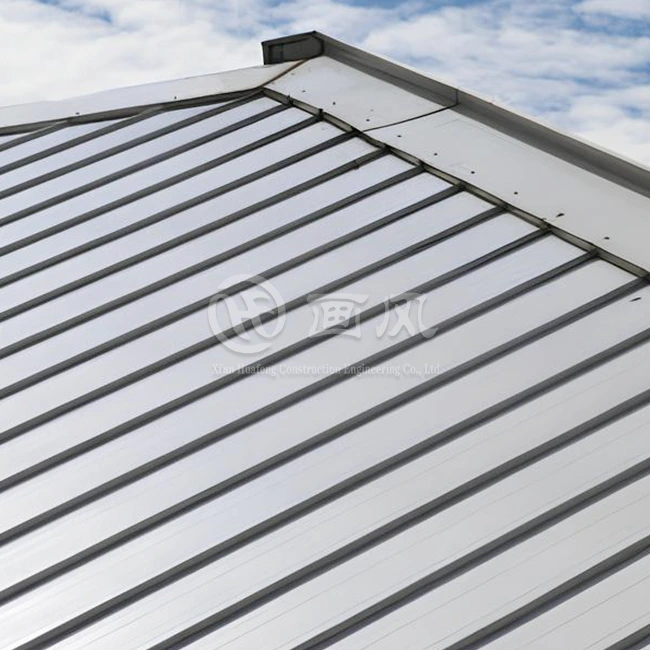
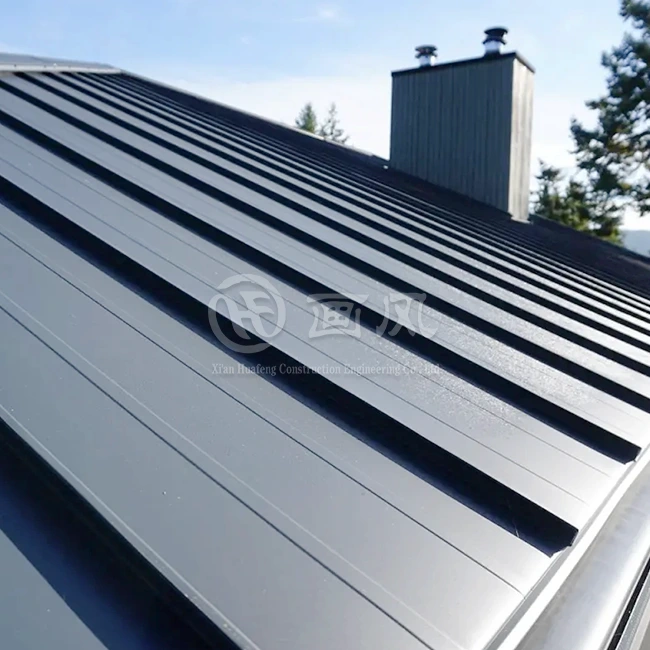
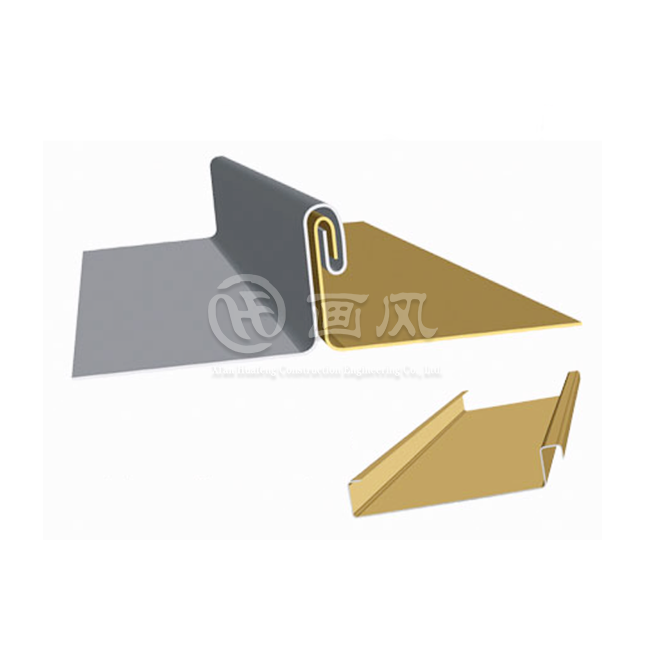
Standing seam double lock metal roofing is the best because it has a 180-degree seam fold that makes a barrier that is physically integrated. This method is different from snap-lock panels because it uses mechanical seaming (either hand-seamed or machine-seamed) to fold the male and female panel legs twice, creating a 360-degree lock. This technical method is very good at withstanding bad weather, especially in low-slope situations where water runs off more slowly, and regular systems could leak through capillary action.
Benefits That Matter for Residential Applications
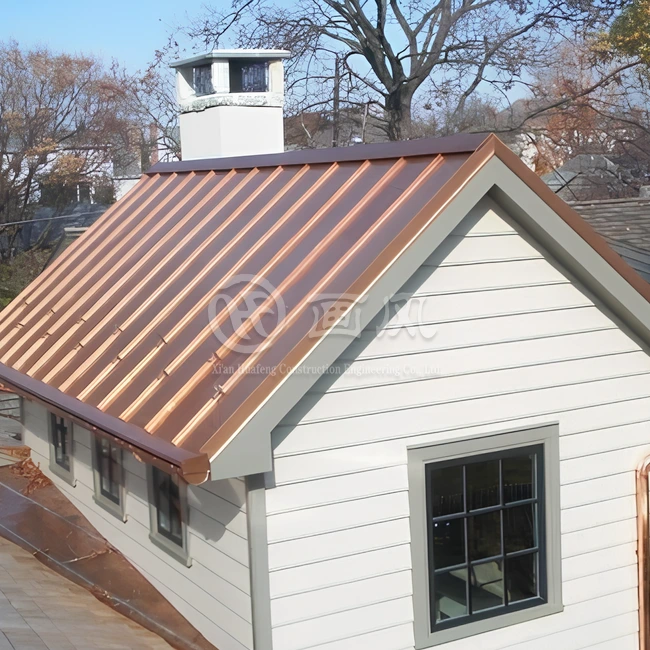
Roofing options for homes need to be able to balance function and looks. The automatically interlocked seams offer better uplift resistance, often topping UL 90 classification standards. This is especially important in coastal areas that are prone to hurricanes or high mountain areas with lots of snow. The hidden fastener design gets rid of penetration places that water usually finds and uses to get in, which greatly increases the roof's useful life. People also like the clean, modern lines that make their homes look better from the street and help save energy by reflecting light and lowering the cost of cooling.
Metal roofing gets Class A grades for fire protection, which gives people in wildfire-prone places peace of mind. When you look at the overall value of a system over its lifetime, the 30-year guarantee that comes with most good systems more than covers the initial cost through lower upkeep needs and insurance benefits. Manufacturers like HF make panels with thicknesses ranging from 0.6mm to 1.2mm, so they can be customized to fit the needs of the structure and the budget.
Material Options and Panel Specifications
Choosing the right materials affects both how hard it is to install and how well it works in the long run. The galvalume steel that meets ASTM A792 standards is very good at resisting rust and is still affordable for most home uses. Aluminum metals like AA3003 or AA3004 are lighter options that can be used instead. This is especially helpful when adding on to older buildings that have load limits. Stainless steel is the best material for sites near the coast, where salt air speeds up rusting.
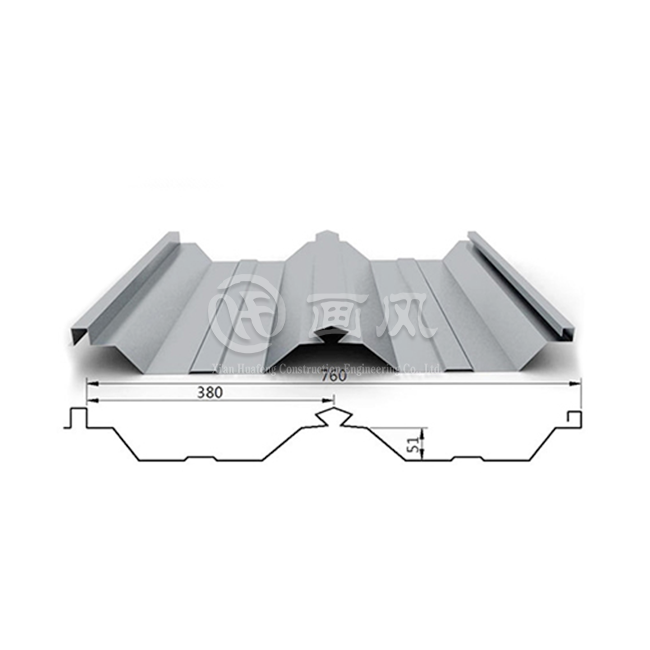
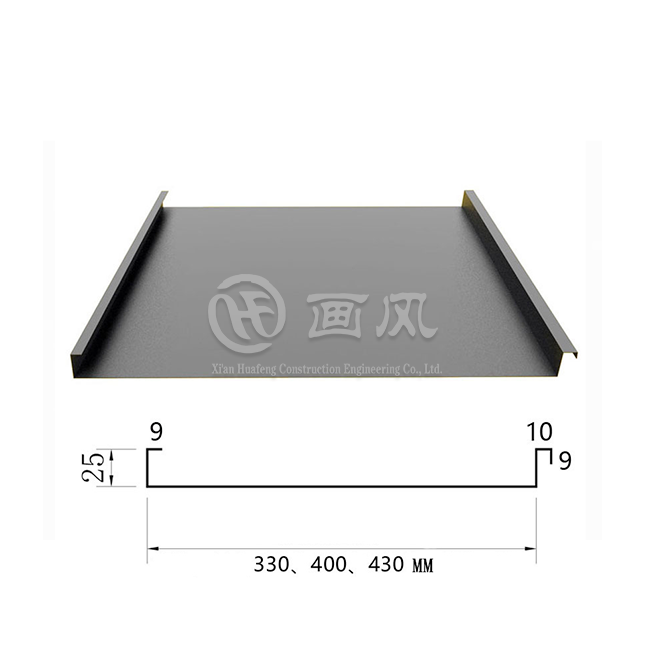
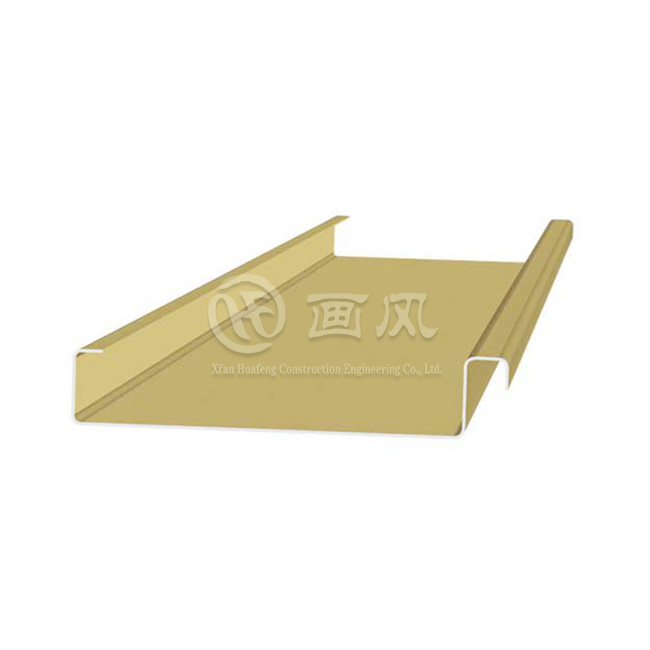
Different design needs lead to different panel specs. Profiles like 25-330, 32-410, 45-400, and 65-430 are very common. The numbers in the names show the panel's height and width in millimeters. These differences affect how far the structure can span and how it looks. Surface treatments are just as important as the coating itself. PVDF coatings (Kynar 500 or Hylar 5000) are much better than PE coatings at resisting chalking and fading, keeping the color true for decades with Delta E values below 5. Manufacturers that give a wide range of RAL and Pantone colors make design more flexible and help regional building styles fit in.
Preparing for Double Lock Metal Roofing Installation
Preparation is key to a successful operation and the long-term stability of the system. Before buying materials, the current roof structure needs to be carefully looked at for double lock metal roofing readiness.
Evaluating Your Roof Structure
We verify load capabilities first. Residential roofs designed for asphalt shingles may normally support metal roofing. Local construction codes must be checked using structural formulae. Overweight tile systems stand out from metal panels that weigh 1 to 2 pounds per square foot. But appropriate recordkeeping prevents liability issues. Checking decks for rot, warping, or water damage might help you fix them before the new panels arrive.
Roof pitch affects system choice. If correctly sealed and factory-applied seals are integrated into the female leg, double lock systems may function securely on slopes as low as 0.5:12. Traditional standing seams need slopes of at least 3:12. This allows modern building designs to accommodate almost flat roofs. Measure roof slopes, hips, and penetrations accurately to save waste and avoid shortages.
Essential Tools and Materials
Special tools distinguish professional installations from failed DIY projects. Electric or manual mechanical seaming machines can produce consistent, weathertight lines that hand tools can't. These instruments cost several thousand dollars, therefore homeowners who simply require one task should hire a contractor. Like circular saws, panel-cutting instruments like electric shears and nibblers prevent metal from warping. Installers at height use belts, slip-resistant shoes, and gloves.
Getting materials goes beyond purchasing panels. High-temperature ice and water guard underlayment protects slopes and eaves from ice jams. The main roof deck's breathable plastic flooring keeps water out and lets air in. Hidden clips may be permanent or floating to connect panels to the foundation. Clips facilitate heat expansion. Moving clips allow panels to move longitudinally, preventing oil caking and fasteners from loosening. Fixed clips keep panels together at end laps and structural points.
Selecting a Reliable Supplier
Job success depends on material quality, delivery reliability, and technical support. Manufacturers with seven manufacturing lines and more than 1,000 tonnes of monthly output may be steady and grow for staged projects. Following international standards like ASTM, DIN, JIS, BS, and GB/T ensures materials operate in all markets.
Warranty terms indicate manufacturer confidence. A 30-year warranty on finish purity and structural performance reveals thorough quality control and high-quality coating processes. For most residential chores, 500 square meters or 1 tonne is plenty without inventory. 15–20-day delivery durations allow realistic project planning, particularly when collaborating with other construction trades. How fast the supplier responds during first chats might indicate technical help throughout installation, when queries are inevitable.
Step-by-Step Installation Process of Double Lock Metal Roofing
By doing the update in a planned way, mistakes that slow down the double lock metal roofing system can be avoided. Each step builds on the ones that came before it, so it's important to pay attention to the details and follow the manufacturer's instructions.
Safety and Weather Considerations
Weather affects installation time. Seals lose their stickiness and metal weakens below 40°F, making seams more susceptible to shatter. When temperatures above 90°F, screens expand, making alignment difficult. Winds above 20 mph make handling large panels risky for installers. Installation over damp flooring collects water, causing damage and corrosion.
Fall safety precautions are needed on residential roofs above 6 feet. Properly fastened harnesses, roof guardrails, and secure ladder access prevent accidents that interrupt projects and put workers at danger of being sued. Coordinating material placement on the ground reduces trips up and down, increasing production and reducing tiredness-related incidents.
Underlayment and Flashing Installation
To ensure shingle alignment, waterproofing begins at the bottom of the roof and goes up. Ice dams may be prevented by installing high-temperature ice and water guard along the eaves 24 inches beyond the inner wall line. The same attention is given to valley therapies. A 36-inch barrier across valley lines prevents concentrated water flow from entering. Overlapping every 6 inches, synthetic flooring covers the deck. It is secured with cap nails or staples every few inches to prevent wind lift during installation.
Flashing information requires caution. The eave trim marks the commencement and aligns panels straight. It guides water to drains. Endwall and sidewall flashings attach moisture shields to building wrap or external cladding. Making chimney, vent pipe, and window penetration flashings from scratch may allow panel seams to flow through without blocking them. Take care of these items before installing the panels to save hard labour later.
Panel Alignment and Seaming Technique
The first panel sets the display atmosphere. By setting it square to the eave and straight to the ridge, you may prevent alignment issues that become apparent during labour. Overhanging the eave trim by the manufacturer's recommended 1–2 inches allows water to flow away. The panel is held in place while allowing temperature change by attaching it to the deck at 12 to 18-inch intervals using concealed clips that match wind load calculations.
The male leg of the fitted panel fits into the female leg next to it, connecting the panels. The mechanical seaming machine slowly folds the metal through two 90-degree twists to compress the factory sealer and create the double lock form. Maintaining seaming pressure and machine speed prevents metal breaks and folds. Experienced installers utilise go/no-go gauges to verify seam height and ensure the completed size meets standards. Seam height is 1–2 inches, depending on panel design.
Final Installations and Quality Checks
Ridge caps complete the waterproof envelope. They require panel-specific closure strips to keep pests and water out. These caps fit into existing holes. This is one of the few system locations where the fastener is visible. Leaks may be prevented by properly sealing screw heads. At this step, ridge vents for attic airflow and gable vents for soffit input are constructed.
Seam consistency checks detect issues before they leak. Check for uniform seam height, complete panel leg contact and no paint cracking or metal breaking to ensure proper fitment. A secure clip contact is tested by hand-moving the panel. Walking over the completed roof one more time before cleaning it up might reveal tool marks, garbage, or protective film on the panels that could spoil the appearance or trap water.
Maintaining and Maximizing the Lifespan of Your Double Lock Metal Roof
Regular maintenance protects the investment and makes the service of your double lock metal roofing last longer than the guarantee term. Metal roofing doesn't need as much maintenance as other types, but ignoring it will speed up the damage.
Routine Cleaning and Inspection
Inspections once a year find small problems before they get worse. By checking the screws at the ridge caps and trim for loosening, you can easily tighten them back up and avoid bigger problems. By checking the sealer at penetrations, you can find cracks or shrinking early, when it's still cheap to reapply. Getting rid of trash from slopes and behind chimneys keeps water from building up and protects surfaces from wear and tear.
How often you clean depends on the surroundings. Coastal systems benefit from being rinsed every six months to get rid of salt layers that speed up corrosion. Properties with a lot of trees need to have their trash picked up more often so that organic material doesn't build up and keep the moisture in. Avoid using rough cleaners or high-pressure cleaning, which can damage protected coatings, and instead use gentle detergents and soft brushes to protect finishes.
Addressing Common Issues
Sometimes seam leaks happen because the seams weren't sewn the first time correctly or because of damage from an accident. Special roof seals made for metal-to-metal uses may work on small gaps, but if there is a lot of separation, the seams will need to be resealed by a professional. When fastener backup is needed in open areas like ridge caps, worn-out washers that lose their tightness over time should be inspected and replaced on a regular basis.
To stop corrosion, you have to keep an eye on the cut edges where protection coats were taken off during field cutting. Using touch-up paint that is made especially for metal roofs keeps the barrier protection in place. After the winter, snow retention systems that are clamped to seams should be inspected to make sure the connection is still strong before the next season's loads come in.
Lifecycle Cost Comparison
When you look at the total costs of ownership, metal roofs have benefits. Over the course of 50 years, asphalt shingles roofs that need to be replaced every 15 to 20 years cost a lot in materials and work. Even though they cost more up front, standing seam metal roofs are a better investment because they last 40 to 50 years with little upkeep. Reflective surfaces save energy, which increases the return on investment even more. In warm areas, they can cut cooling costs by 10 to 25 percent. Insurance rates go down for roofs that are fire- and impact-resistant, which is another financial benefit that is often missed in the first analysis.
Cost Considerations and Procurement Guide for Double Lock Metal Roofing
Understanding how costs for double lock metal roofing are structured lets you make realistic budgets and choose suppliers with confidence. The total cost of a job is affected by more than just the prices of the materials.
Breaking Down Installation Costs
The cost of materials depends on the type of substrate, the finishing method, and the layout of the panel. Galvanized steel with a PE covering that isn't very expensive might cost $3 to $5 per square foot, while high-end aluminum with a PVDF finish costs $7 to $10 per square foot. These numbers only include panels. Adding flooring, trim, screws, and other parts raises the cost of materials by 20 to 30 percent. Labor costs rely on how complicated the roof is, how easy it is to get to, and the wage rates in the area. They usually meet or go above the cost of materials. For roofs with a lot of slopes, dormers, and penetrations, the amount of work required goes up a lot.
Identifying Quality Suppliers and Contractors
The first step in evaluating a supplier is to look at their ability to make things. Companies that have their own factories and use modern tools, like those with multiple color finishing lines and automatic punching systems, make panels that are uniform, of high quality, and meet international standards. You can avoid buying low-quality goods by asking for material certificates that show they meet ASTM, DIN, or similar standards. Reading through the insurance paperwork makes it clear what is covered, what isn't covered, and how to file a claim.
Qualifications of the contractor are just as important. Finding installers who have been trained and certified by the maker will make sure they know how to meet the needs of your particular system. You can get an idea of the quality of the work by asking for examples from recent projects and visiting pieces that have already been finished. Homeowners are not responsible for accidents or damage to their property that happens on their land if they have the right licenses and insurance.
Leveraging Warranties and Support
Support after the sale is useful during installation and for as long as the roof is in use. When complicated details come up in the field, suppliers who offer technical advice can help answer questions. Years later, being able to find similar trim and decorations makes it possible to fix things or add on without making the house look bad. Companies that can make a lot of products and have been around for a while show that they are stable, which lowers the risk of guarantee orphaning if sellers leave the market.
Conclusion
If you do it right, installing double lock metal roofing on homes gives them unbeatable sturdiness, weather protection, and good looks. The mechanical seaming process makes shields that are waterproof and can stand up to bad weather. Different types of materials, such as galvanized steel and quality aluminum, can be used to meet different performance needs and budgets. Projects that go well need to be well planned, use high-quality materials from dependable sources, and be installed by skilled professionals who follow the manufacturer's instructions. Even though they cost more up front than regular roofs, they are much more valuable in the long run because they last longer, need less upkeep, and use less energy. Working with well-known makers that offer full support, strong warranties, and regular material quality is good for both homeowners and workers.
FAQ
1. What is the expected lifespan of double-lock metal roofing on residential buildings?
When fitted correctly and with good materials, double-lock metal roofing systems usually last between 40 and 50 years, and high-quality finishes keep their look for that long. Most reliable makers offer guarantees that last 30 years, but these are just estimates and not actual failure points.
2. Can double-lock metal roofing be put on top of shingles that are already there?
Most places have building rules that allow one layer of metal roofing on top of current shingles as long as the deck is still structurally sound. This method saves money on removal costs, but direct-to-deck placement works better in the long run because it lets you check and fix the deck.
3. How does double-lock metal roofing perform in extreme weather conditions?
The automatically seam method works really well in rough places. Strong resistance to hurricanes comes from high lifting rates, and smooth surfaces let snow slide off easily. The ability to withstand hail depends on the type of material used. Thick plates and aluminum alloys are better at this than thin steel.
Partner With HF for Your Double Lock Metal Roofing Needs
Xi'an Huafeng Construction Engineering Co., Ltd. can handle all of your roofing needs because they combine manufacturing and technical know-how. Double lock metal roofing panels with thicknesses from 0.6mm to 1.2mm and PVDF or PE surface treatments are produced in our 200,000-square-meter production buildings, which house 7 color finishing lines and over 40 specialized machines. We are a qualified maker that meets ASTM, DIN, JIS, BS, and GB/T standards. Our panels come with 30-year warranties that are backed by the ISO9001 and ISO14001 quality systems. Our monthly capacity of 1000 tons guarantees delivery within 15 to 20 days, and our 500-square-meter minimum order size makes it easy for domestic projects to be completed. Email our team at huafeng@hfmetalroof.com to talk about your needs and get full technical advice that will help your work go smoothly.
References
1. Smith, J. & Anderson, K. (2021). Metal Roofing Systems: Design and Installation Best Practices. Architectural Press Publishing.
2. National Roofing Contractors Association. (2022). The NRCA Roofing Manual: Metal Panel and SPF Roof Systems. NRCA Publications.
3. Thompson, R.L. (2020). "Comparative Analysis of Standing Seam Metal Roof Performance in Coastal Environments." Journal of Building Envelope Design, 15(3), 45-62.
4. Metal Construction Association. (2023). Technical Bulletin: Mechanical Seaming Guidelines for Low-Slope Applications. MCA Technical Services.
5. Harrison, P. & Chen, M. (2019). Lifecycle Cost Analysis of Residential Roofing Systems. Construction Economics Research Institute.
6. Building Officials and Code Administrators International. (2021). Wind Uplift Testing and Certification Standards for Metal Roof Assemblies. BOCAI Technical Documentation Series.





YOU MAY LIKE