How durable are snap clad standing seam roof panels in harsh weather?
2026-07-15 19:57:51
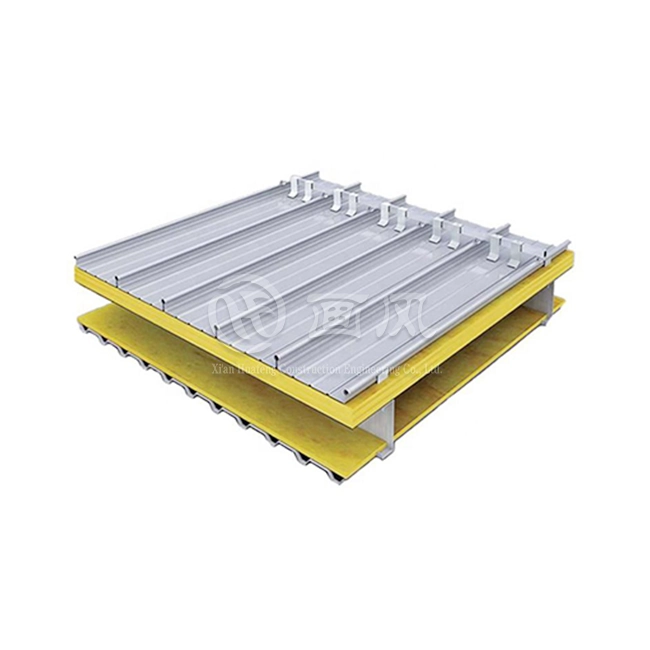
When construction companies and roofing contractors invest in metal roofing systems for large-scale commercial or industrial projects, the question of durability in harsh weather conditions becomes paramount. Snap clad standing seam roof panels have emerged as a reliable solution, combining advanced engineering with proven material science. These panels demonstrate exceptional resilience against extreme temperature fluctuations, heavy precipitation, high winds, and corrosive environments. The concealed fastener system and interlocking seam design create a weather-tight barrier that outperforms many traditional roofing options, making them particularly valuable for projects in challenging climates where long-term performance directly impacts total cost of ownership.

Understanding the Durability of Snap Clad Standing Seam Roof Panels
Metal roofing durability is more than just the strength of the material itself. It includes a wide range of factors that decide how well a roof system works over its entire lifetime.
Material Composition and Protective Coatings
Long-lasting roofs start with quality materials. HF's snap-clad standing seam roof panels are best made from aluminium alloy, coated steel, stainless steel, copper, and titanium zinc. Each substance has advantages. Metal is wonderful for coastal locations since it doesn't rust, and steel is sturdy in snowy climates.
The increased protective coating helps these panels stand out. All HF panels are PVDF or PE-coated. PVDF provides the ultimate weather protection. PVDF paints fulfil ASTM criteria because they retain 70% of their resin. This coating method resists UV degradation, acid rain, industrial pollutants, and salt spray, which swiftly deteriorate lower-quality roofing materials. The treatment keeps the colour pure and resists chalking for decades, preserving its utility and beauty.
Innovative Snap-Lock Engineering
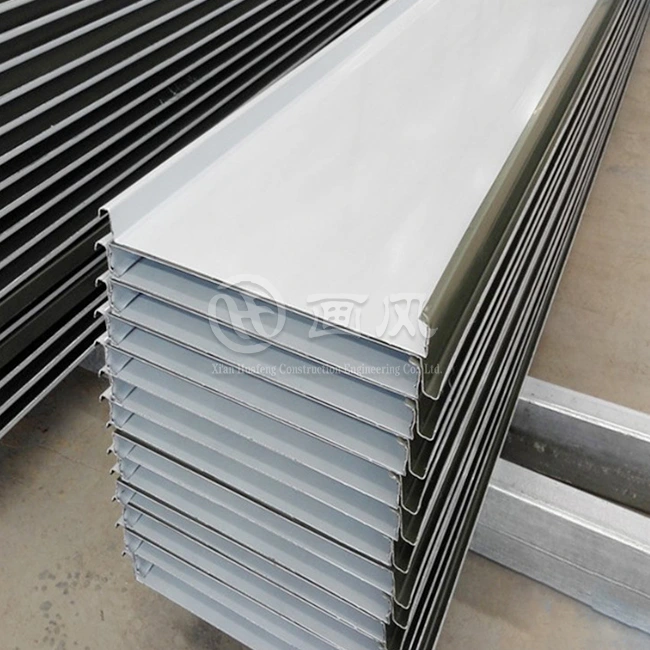
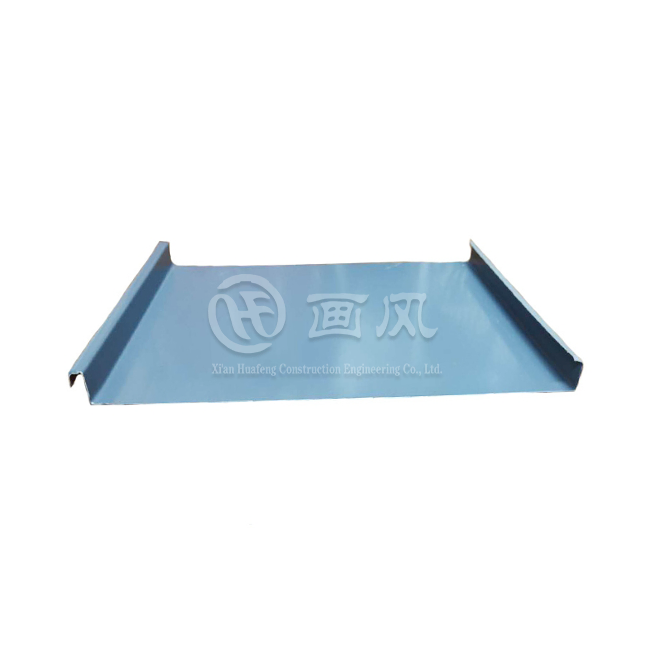
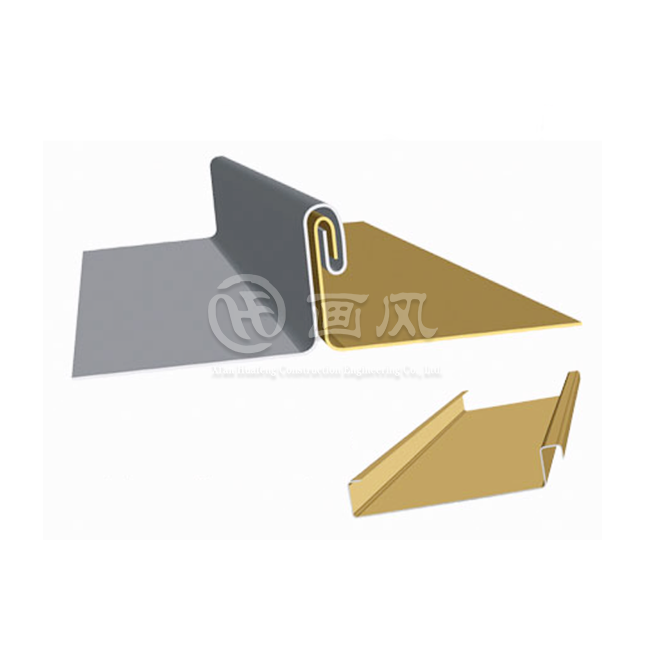
The snap-lock method distinguishes these panels from manually seamed ones. Panels close to each other fit firmly without seaming tools during construction. This concept reduces installation time by 20–30% over standing seam systems. Labour expenses drop significantly for major commercial jobs. More crucially, the snap-lock connection provides a continuous weather barrier throughout a 45–50 mm seam height. This keeps water off the building exterior even when it rains strongly due to the wind.
Hidden clip systems in the panels enable thermal expansion and contraction, which is vital for long-distance metal roofing. Metal naturally expands and contracts with temperature. Moving clip connections allow panels to move without stressing fasteners or warping them. This technical solution prevents tightly coupled roofing systems from failing, particularly in locations with high seasonal weather variation.
Structural Performance Under Stress
Quality snap clad standing seam roof panels are tested to make sure they meet the construction requirements of ASTM E1592 and UL 580. The panels from HF come in a range of widths, from 0.5mm to 1.2mm, and are made to handle strong wind uplift forces and impact loads. The raised seam shape works as a structural rib, spreading the load across the width of the panel and stopping failures in one area. This is especially important in coastal areas that are prone to hurricanes or places where strong weather with high winds often. If these panels are placed correctly, with the right amount of clip spacing and attachment plans, they will stay together even during extreme weather that would damage other roofing systems.
Key Factors Affecting Durability in Harsh Weather
The quality of the materials is what makes a roof last, but there are also many outside and inside things that have a big impact on how well it works in the long run.
Environmental Stressors and Material Response
Roofs still suffer most from moisture. Even minor roof system holes may let humidity, rain, snow, ice dams, and ice in over time. Snap-clad standing seam roof panel systems solve this in numerous ways. The raised seam keeps water out of fastener holes, factory-applied sealant beads within the female leg prevent moisture, and continuous panel lengths limit horizontal seams, where leaks occur.
Temperature extremes experiment. Deserts and southern states may reach 180°F in summer. Winter temperatures in the north may reach -40°F. Good coatings prevent metal from breaking down and maintain flexibility at high temperatures. UV radiation steadily destroys organic molecules in poor coatings, fading the colour and weakening the surface. PVDF surfaces don't degrade in the sun since their chemical connections remain strong.
Salty coastal air accelerates corrosion, making issues worse. Standard coated steel panels may corrode after 5–7 years here. Aluminium alloy and stainless steel panels resist rust better. HF advises builders on material selection depending on site circumstances to pick the proper foundations.
Installation Quality and Professional Expertise
Even high-quality items fail if improperly placed. The roofing industry understands that construction errors cause more early failures than material issues. Certified professionals understand how to position panels, connect clips, torque bolts, and install thermal breaks. Panels must be installed on well-prepared bases with adequate flooring. Oil canning, a perceptible waviness that doesn't affect the structure but makes architectural projects appear terrible, is more common when panels are laid directly over an open frame without strong decking.
Skilful flashing, ridge cap installation, and penetration closure make or break a work. Water usually enters via these transition locations, not the roof field. Professionals who follow manufacturer guidelines will ensure the roofing system functions properly.
Maintenance Protocols and Lifecycle Management
Regular roof inspections extend their lifespan. HF recommends annual inspections for sealant where panels meet, fastener tightness at clips and trim, and debris accumulation in valleys or behind roof penetrations. Rust may form when leaves, dirt, and other organic matter trap water against metal surfaces. Simple cleaning standards prevent these issues from worsening and costing more to solve.
Small issues may be addressed immediately to prevent cascade failures. One loose bolt allows water in, soaking up insulation and accelerating main deck deterioration. If neglected, a $50 repair may cost $15,000 new. Maintenance plans in building management preserve roof investments and ensure compliance. HF's 30-year warranty indicates confidence in their goods, but it needs some maintenance.
Snap Clad Standing Seam Roof Panels vs Traditional Roof Panels in Harsh Weather
Comparing success helps buying teams make smart choices based on the needs of the project and the available funds.
Performance Comparison with Mechanically Seamed Systems
To make mechanically seamed standing seam panels, you need special tools that can crimp the edges of neighbouring panels together on-site. This method makes a strong link, but it takes more time to set up and needs skilled workers. The snap-lock option is also weatherproof because it has a designed interlock shape and is sealed with sealant. The snap method works especially well on roofs with complicated shapes that make it hard to move tools around.
Tests of their weather performance show that both methods work very well when they are set up correctly. What makes them different is how well they are installed and how well they are maintained over time. Once placed, mechanically seamed panels make a permanent link that makes it harder to repair damaged panels. Snap clad standing seam roof panel systems make it possible to remove and replace individual panels without disturbing neighbouring sections. This is very helpful for buildings that house sensitive operations that can't have long roof gaps while repairs are being done.
Advantages Over Corrugated and Exposed Fastener Systems
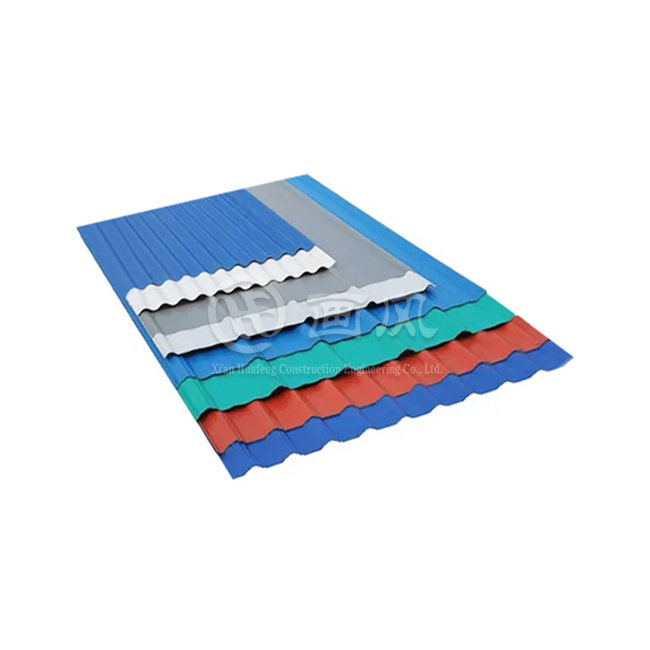
Corrugated metal roofing has been the standard choice for farming and commercial buildings where cost is more important than appearance. For these systems to work, visible screws must go through the panel and into the structure supports. Each connection makes a possible leak point, and the UV light and temperature changes over time wear down the rubber seals. Every 10 to 15 years, metal roofs usually need new fasteners, which is a hard upkeep task that takes a lot of work.
This weakness is completely eliminated by concealed closure systems like HF's snap-clad standing seam roof panels. All of the connection gear stays safe under the panel profile and is never exposed to UV light or the weather. This design feature alone greatly increases the time between repair visits. Even though corrugated systems might be cheaper at first, lifecycle analysis repeatedly shows that hidden fastener systems are more valuable because they require less upkeep and last longer. Snap-clad standing seam roof panel systems give better return on investment for projects that need to last 30 to 50 years, even though they cost more up front.
Architectural Versatility and Aesthetic Longevity
More and more, modern business and governmental buildings need roofing systems that add to the look of the building rather than just keeping the weather out. Standing seam profiles have clean, vertical lines that give them a modern look that goes well with modern building design. HF lets designers match roofing colours to the rest of a building's colour scheme by giving them a wide range of customizable colour choices that meet RAL standards and other requirements.
To keep this visual value, colour preservation becomes very important. Standard polyester coats fade after 7 to 10 years, especially when they are exposed to direct sunlight. PVDF finishes keep their original look for 25 to 30 years, so the building's visual effect stays the same during its entire service life. This durability is important for business buildings, hotels, and schools, where the way the building looks affects both the brand's image and the property's value.
Real-World Case Studies and Verification of Durability
Real-world proof from finished projects is the best way to prove that a product works as claimed.
Performance in High-Wind Coastal Environments
Commercial areas on the Atlantic and Gulf coasts are often hit by winds strong enough to be hurricanes. In these areas, projects have to follow strict building rules that set minimum scores for wind uplift protection. Documentation from tests shows that good snap-clad standing seam roof panel systems can meet UL 580 Class 90 wind uplift rates when installed according to the manufacturer's instructions and with the right amount of clip spacing and attachment times.
Roofing workers say that systems that are put correctly usually make it through Category 3 and 4 hurricanes without losing any panels or letting a lot of water in. After the storm, checks showed that the hidden fastener design stops the increasing failures that happen with exposed fastener systems. In these systems, the first fastener pull-through lets panels peel back one at a time. In these coastal situations, the metal substrate choice is especially useful because it doesn't corrode even after decades of being exposed to salt spray.
Snow Load Performance in Northern Climates
Heavy snowfall areas need roofing systems that can hold a lot of weight on top of industrial buildings and transportation centres. Buildings with roofs can be loaded with more than 40 pounds per square foot of snow. Raised seams form structural ribbing that spreads these loads evenly across panel lengths, stopping any deflection or panel failure in one area.
The dark colours and slick metal surface of PVDF finishes make snow slide off, which shortens the time that a load stays on the surface. This feature keeps structural members from being under long-term stress and stops ice dams from forming at the eaves, which is a common way for water to get into buildings with bad roofing systems. Using floating clips to accommodate thermal movement stops the panel from buckling, which can happen with tightly fastened systems when there are big temperature differences between roof areas that are snow-covered and those that are not.
Warranty Support and Manufacturer Confidence
HF backs up their snap clad standing seam roof panels with full 30-year guarantees that cover the performance of the materials and the quality of the finish. This warranty time is longer than what is usually offered for normal metal roofing products. It shows that the maker is confident in the quality of the materials they use and the way they make the products. The company runs three factories with seven production lines and more than 40 specialised tools. This makes sure that the quality of the products is always high and that the company can produce enough (currently 1,000 tons per month) to meet the tight deadlines of large business projects.
Independent labs test the product on behalf of a third party to make sure it meets foreign standards like ASTM, DIN, JIS, BS, and GB/T. This certification paperwork is very important for projects that need to show specific performance or for green building certifications like LEED, which give points for material longevity and lifecycle performance.
Procurement Insights: Choosing Durable Snap Clad Roof Panels for Your Projects
When making strategic buying choices, it's important to weigh the needs of the project right now against its long-term performance goals and the total cost of ownership.
Critical Specification Considerations
The project location should influence material selection. Aluminium alloy or stainless steel surfaces operate better in coastal places less than five miles from the sea, while costing more. Galvanised or Galvalume steel is cheaper and performs better in inland, less acidic environments. Panel thickness impacts structural performance and oil canning resistance. Thicker gauges flatten roofs and reduce waviness.
You must consider pricing and durability when picking a finish. PVDF coatings are weatherproof and retain colour best, making them worth the increased expense for high-visibility or long-lasting applications. PE coatings are good for industrial purposes since functional safety is more essential than appearance. Choice of colour impacts thermal efficiency. Lighter colours reflect solar energy, reducing cooling needs in hot areas, whereas darker colours melt snow in cold climes.
Supplier Qualification and Partnership Development
Building relationships with certified producers ensures product legitimacy and timely deliveries. HF's 500-square-meter or 1-ton minimum order can manage medium to big company projects and maintain production. Delivery periods of 15–20 days fit with most construction layouts and don't need much inventory on busy project sites.
Buyers should examine producers' credentials, quality control, and professional assistance. HF aids contractors with odd roof forms and tough installation situations with special-use technical support. Having access to experts who know what the product can accomplish and how to install it helps throughout project planning and execution.
Lifecycle Cost Analysis and Value Engineering
Materials are merely a portion of a roofing system's cost. A complete cost study considers installation, maintenance, energy efficiency, and lifespan. Installing snap-clad standing seam roof panel systems is usually 20–30% quicker than manually seamed systems. This cuts major job personnel expenses significantly. This saves time and shortens the weather-dependent construction schedule for the key route.
Hidden fasteners eliminate the need to replace them often; maintenance costs should include them. Energy modelling may demonstrate that extremely glossy surfaces reduce cooling costs, saving money throughout the life of the building. Warranty coverage shifts performance risk from the building owner to the producer, preventing early failures. These factors explain why pricier roofing systems are frequently of greater value while requiring a larger initial expenditure.
Conclusion
Snap clad standing seam roof panels are engineering options that are made to meet the performance needs of places with bad weather. High-quality base materials, improved protective coatings, and a new snap-lock design come together to make roofing systems that protect buildings consistently for decades. When procurement professionals know what affects durability, such as the choice of material, the quality of the installation, and the upkeep schedule, they can choose roofing systems that have the lowest original investment and the lowest lifetime costs. Real-world performance data confirms these systems' abilities in a wide range of climates, from hurricane-prone coastal areas to snowy northern climates. This gives contractors and building owners confidence when making important roofing decisions for tough commercial and industrial uses.
FAQ
1. What is the expected lifespan of snap-clad standing seam panels in harsh climates?
Quality snap clad standing seam roof panel systems with PVDF finishes usually work well in tough weather for 30 to 50 years if they are installed and kept correctly. The main way that open fastener systems fail is taken care of by the hidden fastener design. Choosing the right material has a big effect on how long something lasts. For example, aluminium and stainless steel surfaces last longer than normal galvanised steel in coastal areas. HF's 30-year warranty guarantees the performance of the materials and finish, and many installations last longer than the warranty time if proper care is taken.
2. What maintenance routines extend panel durability?
Every year, checkups should check the state of the sealant at the ends, the tightness of the fasteners, and the buildup of debris. At least twice a year, clean out valleys and behind penetrations of leaves, dirt, and other organic matter. Fix any broken trim or bolts that are coming loose right away to stop water from getting in. In seaside places, rinsing every so often gets rid of salt layers that speed up corrosion. These simple rules don't cost much to set up and significantly extend the life of a machine.
3. Are these panels suitable for coastal or high-wind conditions?
When correctly defined, snap clad standing seam roof panel systems work great in both situations. Salt spray rusting will never happen on aluminium alloy or stainless steel surfaces. Testing for wind uplift shows that the ratings are good for storm zones when placed with the recommended clip spacing. For high-velocity storm zones, contractors should follow the increased attachment plans. Usually, clip spacing should be cut to 12 inches or less along edges and points where wind forces are strongest.
Partner with HF Metal Roofing for Superior Weather Protection
Xi'an Huafeng Construction Engineering Co., Ltd. can help you with your next business or industrial roofing job. They have tested snap clad standing seam roof panels that are made to last in harsh weather. We can meet tight project deadlines without lowering quality standards because we have three plants with seven production lines and a monthly capacity of more than 1,000 tons. As a certified maker of snap clad standing seam roof panels, we offer full technical help from the time you first tell us what you need to the time you finish installing it. Our goods meet foreign standards like ASTM, DIN, JIS, BS, and GB/T, and they come with 30-year warranties that show we trust them to work well for a long time. Email our team at huafeng@hfmetalroof.com to talk about the needs of your project, ask for sample panels, or get full technical specs. We have low prices for large orders, and we work directly with builders and procurement managers to find the best roofing options for your surroundings and performance needs.
References
1. Metal Construction Association. "Guidelines for Standing Seam Metal Roof Systems." Technical Bulletin Series on Metal Roofing Performance Standards, 2021.
2. American Society for Testing and Materials. "ASTM E1592: Standard Test Method for Structural Performance of Sheet Metal Roof and Siding Systems by Uniform Static Air Pressure Difference." ASTM International Standards for Building Materials, 2020.
3. Underwriters Laboratories. "UL 580: Tests for Uplift Resistance of Roof Assemblies." UL Building Materials Directory, 2019.
4. National Roofing Contractors Association. "Metal Panel Roof Systems Design Manual." NRCA Technical Operations Guidelines, 2022.
5. Architectural Testing Inc. "Comparative Durability Study of Metal Roofing Finishes in Coastal Environments." Building Envelope Performance Research, 2020.
6. Construction Specifications Institute. "Metal Roofing System Specifications and Performance Criteria." CSI MasterFormat Division 07 - Thermal and Moisture Protection, 2021.





YOU MAY LIKE